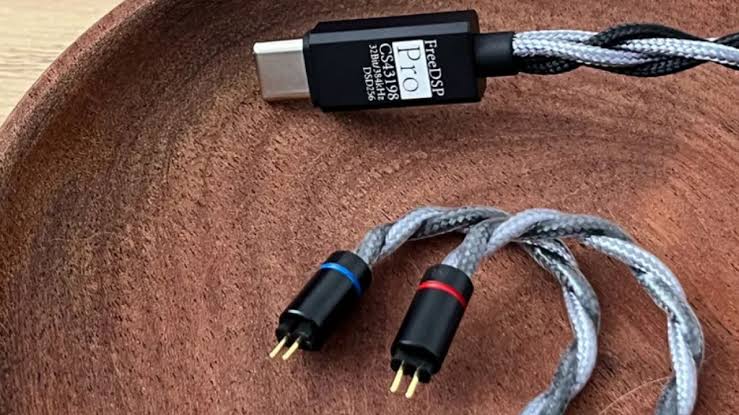
Smartphone audio has changed dramatically over the past few years. Many modern phones no longer include a traditional 3.5mm headphone jack, while USB C has become the standard physical connection on a growing range of smartphones, tablets, laptops and other devices.
That creates an interesting question for anyone who still uses wired headphones, older car stereos or traditional speakers: should you use USB C audio or stick with AUX?
The answer depends on the equipment you already own and what you expect from your audio setup.
USB C is a digital connection capable of carrying audio and other types of data. A traditional AUX connection, usually referring to a 3.5mm analog audio connection, has been a reliable standard for decades.
Neither connection is automatically better for every situation. Understanding how they work can help you choose the right cable, adapter or audio device without spending money unnecessarily.
What Is AUX Audio?
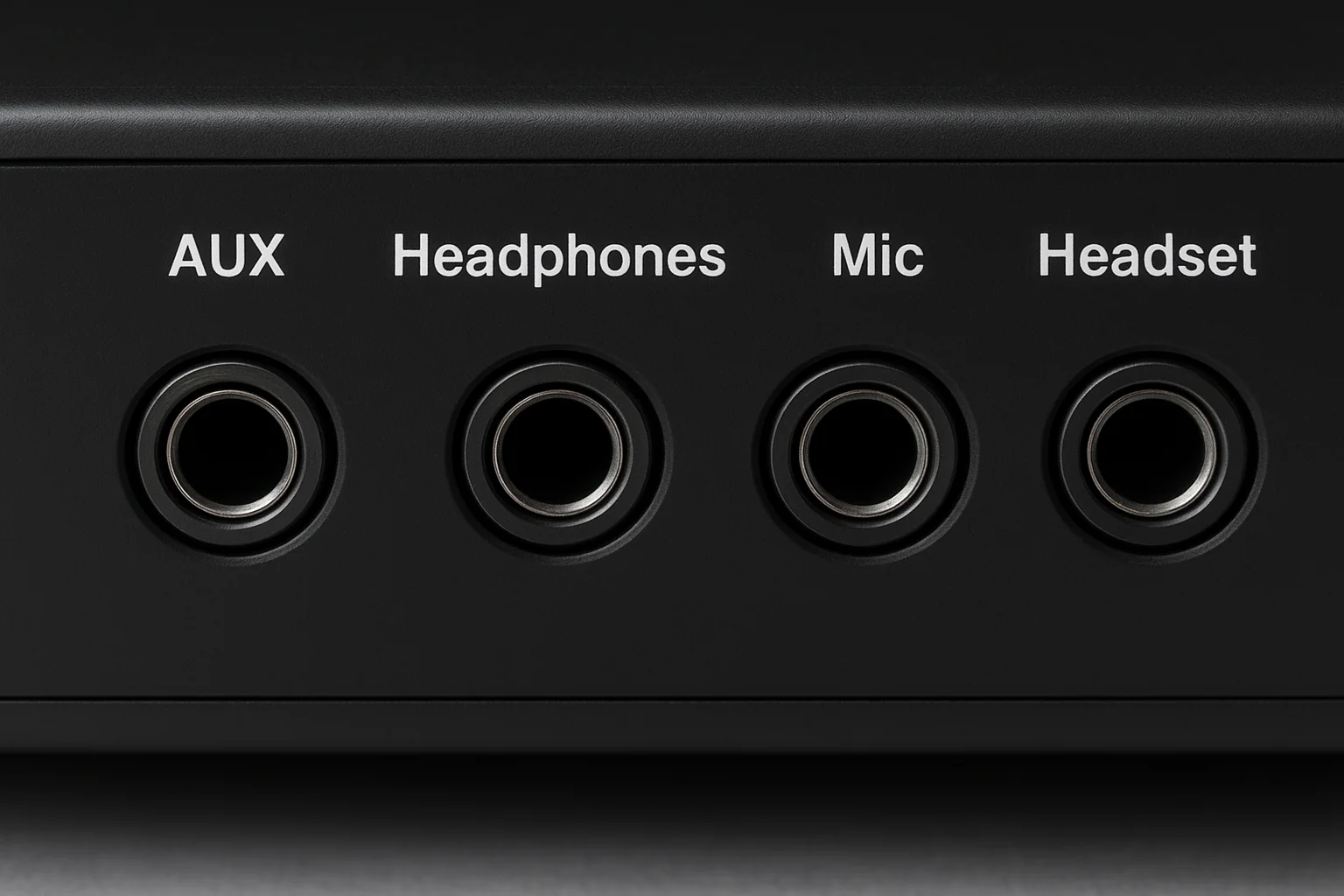
AUX is commonly used to describe a 3.5mm analog audio connection.
It became extremely common across headphones, portable speakers, car stereos, home audio systems and computers. An AUX cable can carry an analog stereo audio signal from a compatible source to another device.
For example, an older car might have a 3.5mm AUX input. Connect your phone to it with the appropriate cable and the car stereo can play the phone's audio through its speakers.
The biggest advantage is simplicity. There is no wireless pairing, no Bluetooth battery and generally no complicated setup.
However, modern smartphones are increasingly moving away from built in 3.5mm headphone ports. That means users often need a USB C to 3.5mm adapter to connect a newer phone to traditional AUX equipment.
What Is USB C Audio?
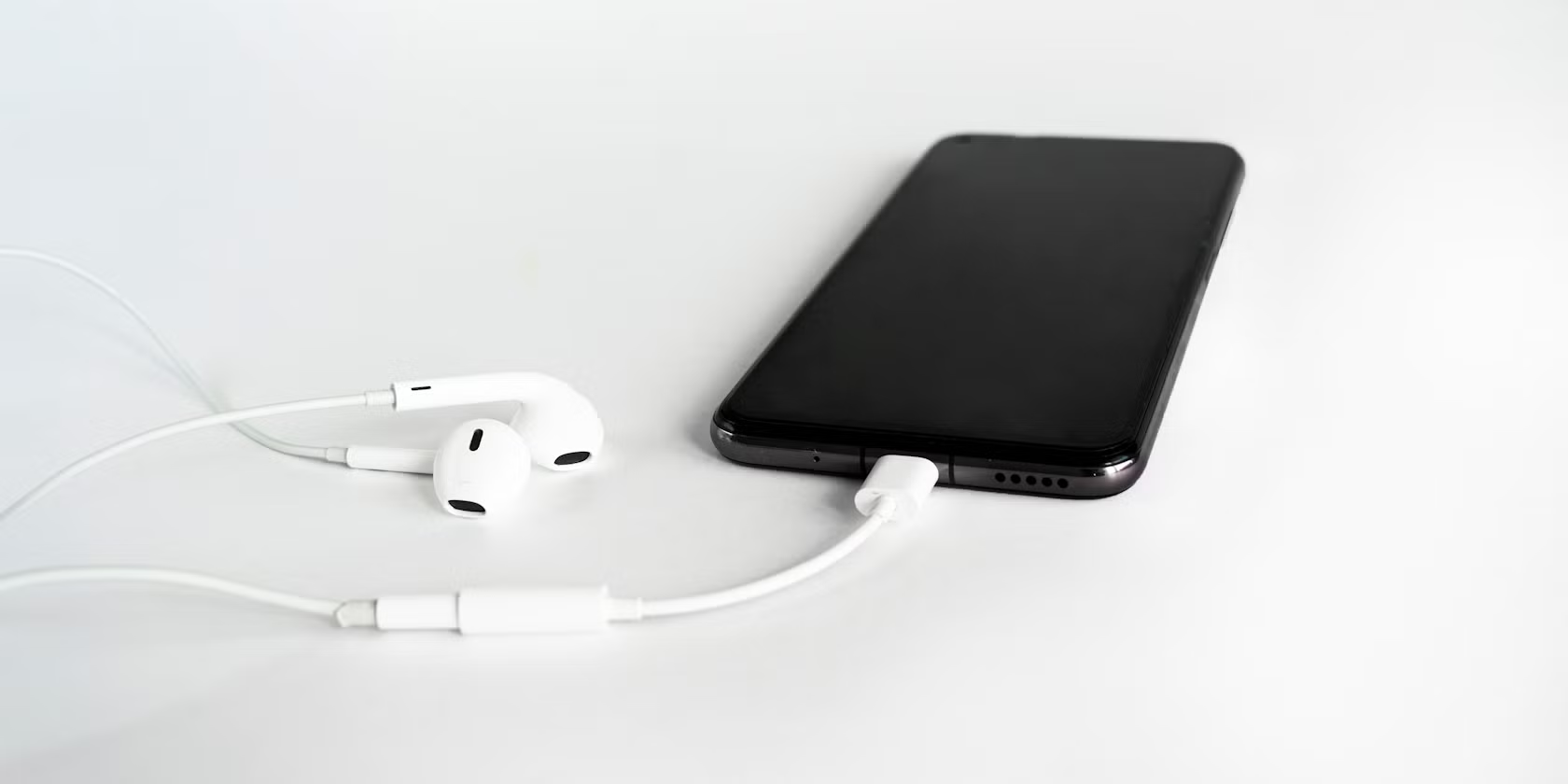
USB C is a physical connector and data interface rather than an audio format by itself.
When used for audio, USB C can carry digital audio from a smartphone or computer to compatible headphones, DACs, adapters and other equipment.
This creates an important difference from traditional AUX.
With a conventional 3.5mm connection, the device sending the signal generally provides an analog audio output. With USB C digital audio, the digital signal can be processed and converted into an analog signal by the receiving device or an adapter.
This is why the quality and design of a USB C audio adapter can matter.
A USB C to 3.5mm adapter may contain a DAC, or digital to analog converter, that performs the conversion required for traditional analog headphones or AUX equipment.
USB C vs AUX: The Main Difference
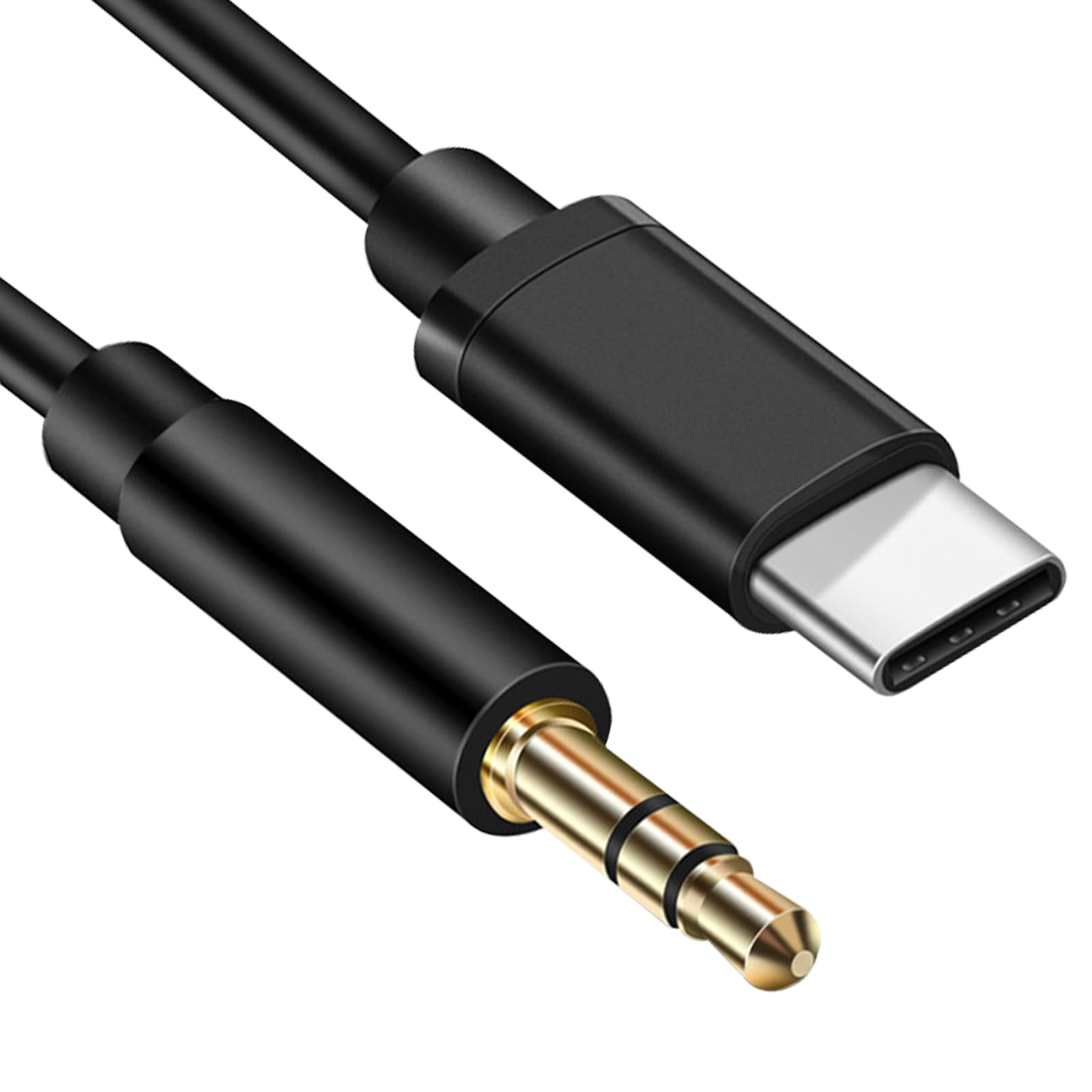
The fundamental difference is how the audio signal is transported.
Feature | USB C Audio | AUX Audio |
|---|---|---|
Signal type | Digital | Analog |
Common connector | USB C | 3.5mm |
Modern smartphone support | Very common | Less common |
Adapter often required | Sometimes | Often required on newer phones |
Battery requirement | Depends on device | Usually none |
Audio conversion | DAC may be involved | Source device generally provides analog output |
Plug and play | Usually simple | Very simple |
Wireless required | No | No |
Common applications | Phones, computers, digital headphones | Cars, headphones, speakers and stereos |
The table shows why the choice is less about declaring one connection superior and more about matching the connection to your equipment.
Which Offers Better Sound Quality?
This is one of the most common questions surrounding USB C and AUX.
There is no universal answer because sound quality depends on the entire audio chain.
With USB C, the digital audio signal can be converted by a DAC inside the headphones, adapter or external audio equipment. The quality of that conversion can influence the final sound.
With traditional AUX, the signal is already analog when it travels through the cable. The quality of the phone, music source, DAC, amplifier, cable and receiving equipment all contribute to the final result.
A well designed USB C audio system can deliver excellent sound. A high quality traditional AUX setup can also sound excellent.
For ordinary listening with streaming services, podcasts and videos, the difference may not be significant enough to determine a purchase on its own.
USB C Audio for Headphones
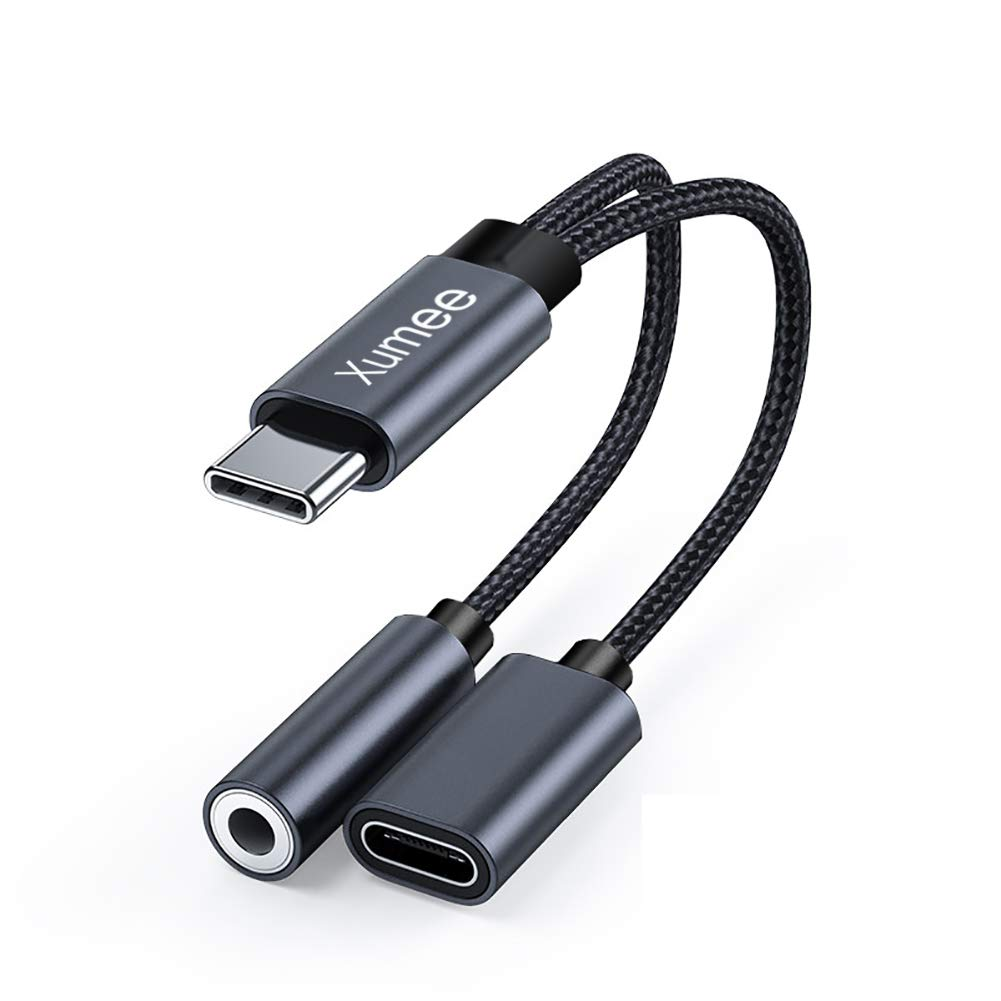
USB C has become particularly relevant for wired headphone users.
If your smartphone does not have a 3.5mm headphone jack, there are two common approaches.
The first is to use USB C headphones designed to connect directly to the phone.
The second is to use a USB C to 3.5mm adapter with your existing wired headphones.
The second option is particularly useful if you already own a comfortable or expensive pair of headphones that you do not want to replace.
When choosing an adapter, check whether it supports microphone input and inline controls if your headphones use them. Also consider the DAC and compatibility with your particular smartphone.
A cheap adapter can work perfectly for basic listening, but not every model provides identical functionality.
AUX Audio in Cars
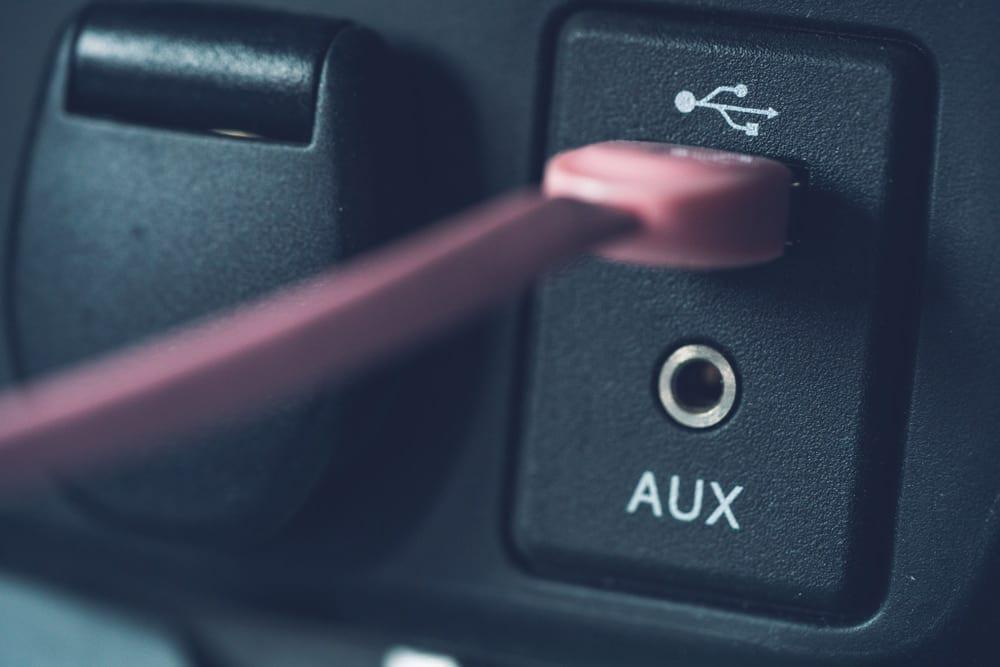
Cars are one of the strongest remaining use cases for AUX.
Many older vehicles have a 3.5mm AUX input even though the driver's smartphone may use USB C.
In that situation, you can connect the phone to the car using a USB C to 3.5mm adapter and an AUX cable, depending on the adapter design.
This can be a useful way to keep an older factory stereo functioning without replacing the entire system.
Another option is a Bluetooth AUX receiver. The receiver plugs into the vehicle's AUX input while the smartphone connects wirelessly.
This removes the cable between the phone and the stereo and can be convenient for everyday driving.
The right option depends on whether you value simplicity, wireless convenience or the lowest possible number of components.
USB C vs AUX for Music
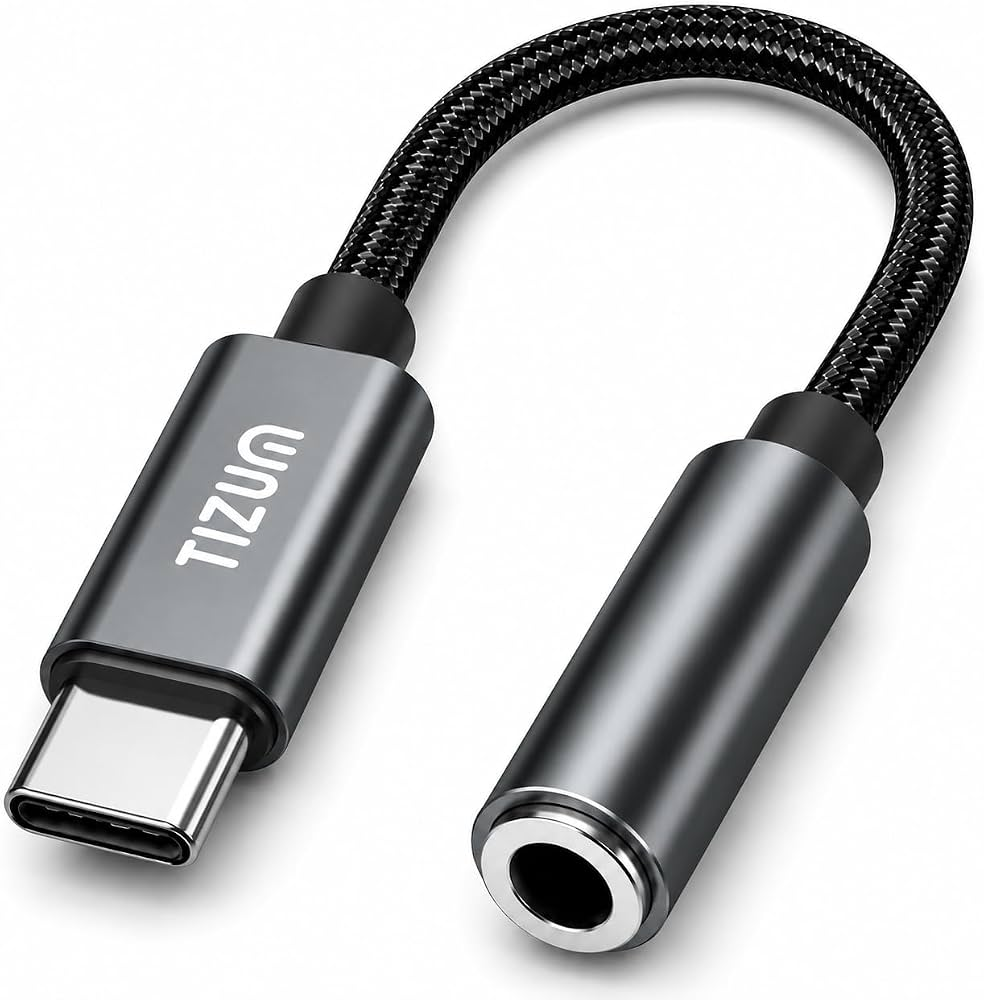
For music listening, both connections can provide very good results.
USB C becomes particularly interesting for listeners who want digital audio to remain digital until it reaches a dedicated DAC or compatible audio device.
AUX remains attractive because it is simple and widely compatible with existing equipment.
If you have a modern phone and USB C headphones, using USB C directly can reduce the number of adapters involved.
If you already own traditional wired headphones, an appropriate USB C to 3.5mm adapter can provide a practical bridge.
The difference in everyday listening may be less important than the quality of your headphones, recording, streaming service and audio settings.
USB C vs AUX for Video and Gaming
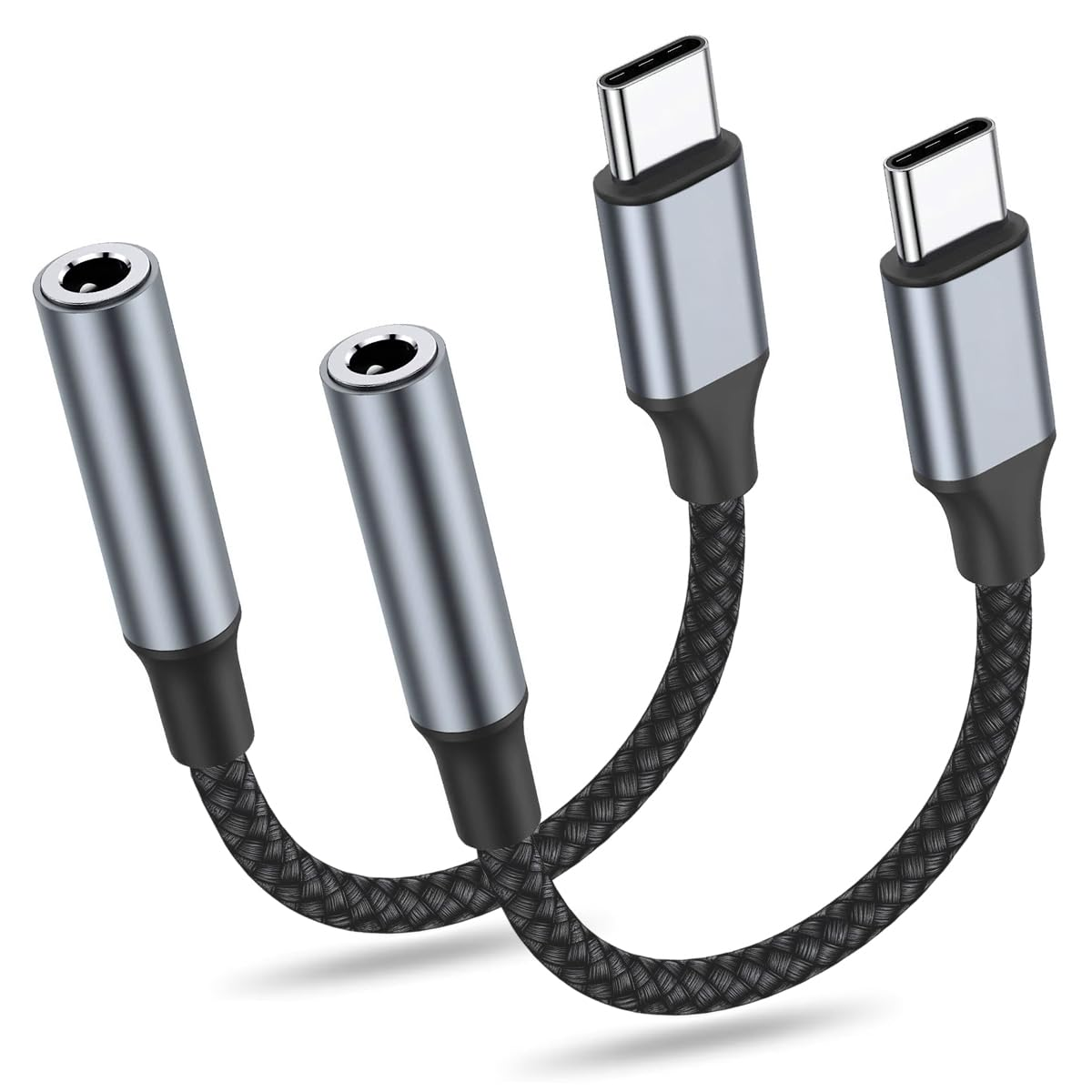
Latency can matter more for gaming and video than it does for casual music listening.
Both USB C and wired AUX connections avoid the wireless transmission stage associated with Bluetooth. This can make wired connections attractive when synchronization matters.
USB C can also provide additional digital functionality depending on the headset or device.
Traditional 3.5mm AUX remains extremely straightforward. Connect the headphones and the audio signal travels through the cable.
For gaming, however, compatibility with the device and headset is more important than simply choosing USB C or 3.5mm.
Check microphone support, button controls, audio channels and compatibility before buying.
Charging While Using AUX or USB C Audio
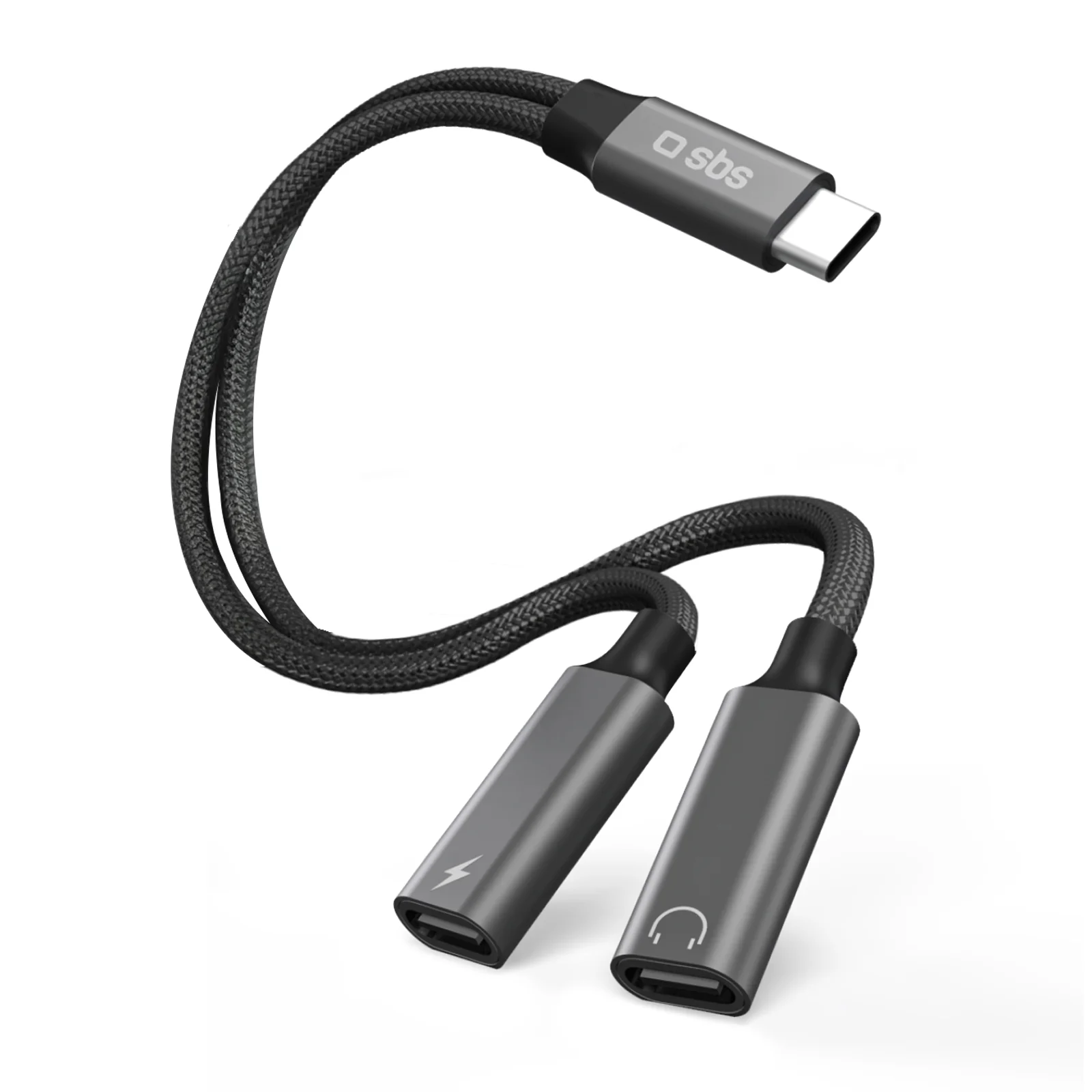
Charging can become an important consideration with modern smartphones.
If your phone has only one USB C port, connecting wired USB C headphones or a USB C to 3.5mm adapter may occupy that port.
That means you may not be able to charge the phone simultaneously unless you use a suitable USB C hub or audio adapter that supports charging.
Traditional AUX can be more flexible when the phone still provides a separate charging connection.
For long journeys or extended listening sessions, this can make a practical difference.
Before buying a USB C audio adapter, check whether it supports charging if simultaneous charging is important to you.
Which Is More Convenient?
Convenience depends on your setup.
USB C is convenient when your headphones already use USB C or when your phone has no headphone jack.
AUX is convenient when the receiving equipment already has a 3.5mm input and you have the necessary adapter or cable.
For an older car, an AUX connection can be extremely straightforward. For a modern smartphone and newer USB C headphones, USB C may require fewer components.
The simplest setup is usually the one that requires the fewest adapters between your phone and your listening device.
What About USB C to AUX Adapters?
USB C to 3.5mm adapters are one of the easiest ways to combine modern smartphones with traditional audio equipment.
However, not all adapters are identical.
Some adapters contain the necessary DAC hardware to convert digital audio into an analog signal. Others may have different compatibility requirements.
Before buying, check:
• Smartphone compatibility
• DAC support
• Microphone support
• Inline button compatibility
• Charging support
• Cable length
• Build quality
• Manufacturer compatibility information
If the goal is connecting a smartphone to a car's AUX input, make sure the adapter provides an analog 3.5mm output rather than assuming every USB C audio accessory will work.
When Should You Choose AUX?
A traditional AUX connection makes sense when:
• Your car already has a 3.5mm input
• Your headphones have a 3.5mm plug
• You want a simple wired connection
• You want to avoid Bluetooth pairing
• You do not want to manage another battery
• You already own compatible audio equipment
• You want a straightforward connection for older stereo equipment
AUX remains useful precisely because it is simple and widely supported.
When Should You Choose USB C?
USB C makes sense when:
• Your smartphone has no 3.5mm headphone jack
• You already own USB C headphones
• You want a digital audio connection
• You are buying new wired headphones
• You want to connect to modern digital audio equipment
• You want to use a dedicated USB DAC
• You need one connection for multiple types of device functionality
For newer devices, USB C is increasingly becoming the default physical connection.
USB C vs AUX: Common Mistakes to Avoid
One of the biggest mistakes is assuming that every USB C port handles audio in exactly the same way.
USB C describes the connector and interface. It does not guarantee identical audio functionality across every device.
Another mistake is purchasing a USB C adapter without checking whether it includes the necessary DAC.
It is also easy to confuse an AUX input with an AUX output. A car stereo generally uses AUX as an input, allowing another device to send audio into the stereo.
Finally, do not assume that an expensive cable automatically produces better sound. The quality of the complete audio system matters far more than the price of the cable alone.
A Simple Buying Checklist
Before choosing between USB C and AUX, consider these questions:
• What port does your smartphone have?
• What connector does your headphone or stereo use?
• Does the adapter include a DAC?
• Do you need microphone support?
• Do you need inline controls?
• Do you need to charge while listening?
• Are you connecting to a car?
• Do you prefer a wired or wireless setup?
• Are you using high quality headphones?
• Does the accessory specifically support your device?
Answering these questions will usually make the decision much easier.
The Future of Wired Audio
USB C is likely to remain important as smartphones, tablets and laptops increasingly standardize around the connector.
At the same time, the 3.5mm AUX connection is unlikely to disappear overnight. Millions of cars, headphones, speakers, amplifiers and other audio devices still use it.
This means the two connections will continue to coexist.
USB C represents the direction of modern digital device connectivity, while AUX remains an extremely useful bridge to established analog audio equipment.
For consumers, that is actually good news. You do not necessarily need to replace older equipment simply because your smartphone has changed.
Final Verdict: USB C or AUX?
There is no single connection that makes sense for everyone.
Choose USB C when you are working primarily with modern smartphones, USB C headphones, digital audio equipment or external DACs.
Choose AUX when you are connecting to an older car, traditional headphones, speakers or a stereo system that already uses a 3.5mm input.
If you have a modern smartphone and older audio equipment, a quality USB C to 3.5mm adapter can give you the best of both worlds. You can keep using your existing headphones or car stereo while adapting to the connectivity of a newer phone.
Ultimately, the right choice is less about choosing the newest technology and more about choosing the connection that fits your complete setup.
Frequently Asked Questions
Is USB C audio better than AUX?
Neither is universally better. USB C carries digital audio and can work with high quality DACs, while AUX provides a simple analog connection that remains highly compatible with older audio equipment.
Can I connect a USB C phone to an AUX car?
Yes. If the phone and adapter support the required audio functionality, a USB C to 3.5mm adapter can connect the phone to a vehicle's AUX input.
Does USB C have better sound quality than 3.5mm?
Not automatically. Sound quality depends on the DAC, amplifier, headphones, source material and other components in the audio chain.
Does an AUX cable reduce audio quality?
A properly functioning AUX cable does not inherently produce poor sound. The quality of the source device, analog output, cable and receiving equipment all contribute to the final result.
Can I charge my phone while using USB C headphones?
It depends on the phone and accessory. Some USB C audio adapters support simultaneous charging, while basic adapters may occupy the only USB C port.
Is AUX still useful in 2026?
Yes. AUX remains useful for older cars, wired headphones, portable speakers, home stereo equipment and many other audio systems.
Is USB C the future of wired headphones?
USB C is increasingly important for wired headphones because many modern devices use the connector instead of a traditional headphone jack. However, 3.5mm headphones remain widely available and useful with appropriate adapters.