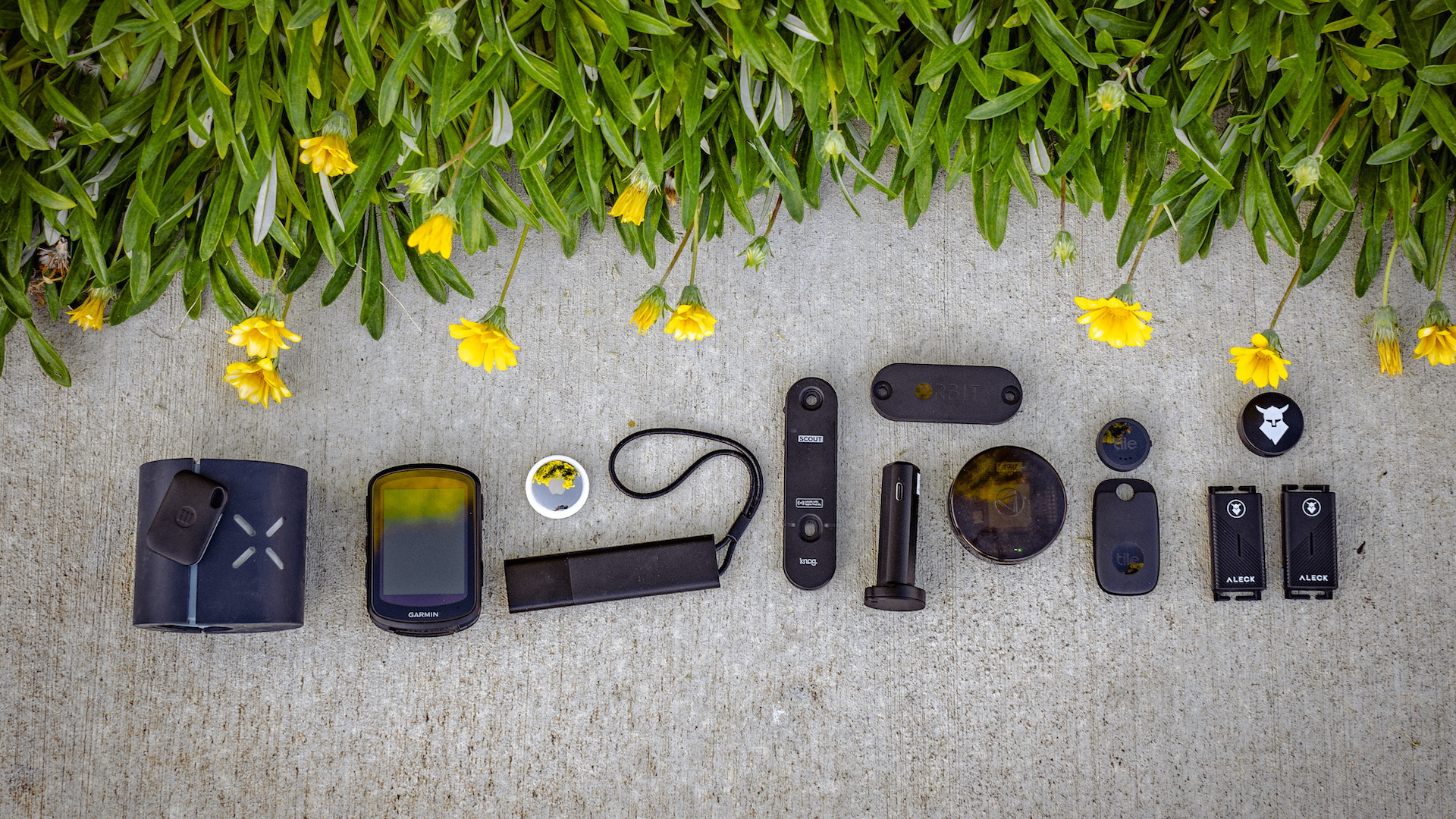
Losing track of something valuable can turn an ordinary day into a stressful search. A car parked in a large garage, a bicycle left outside a café, luggage moving through an airport, or even a bag misplaced at home can all create the same problem: where is it now?
Modern tracking technology offers a practical answer.
A GPS Tracker can use satellite positioning, cellular networks, Bluetooth, Wi Fi, or a combination of technologies to help users locate vehicles, luggage, equipment, and personal belongings. Some trackers provide frequent location updates, while others prioritize long battery life and occasional location checks.
The right choice depends heavily on what you want to track.
A tracker designed for a car has different requirements from one designed for a suitcase or set of keys. Understanding those differences makes it easier to choose a device that provides useful information without unnecessary features or ongoing costs.
What Is a GPS Tracker?
A GPS Tracker is a device that can determine or assist in determining its location and communicate that information to an associated app or platform.
Many dedicated trackers combine GPS positioning with cellular connectivity. GPS helps determine where the device is, while a cellular connection can transmit that location to the user.
Other small tracking products rely more heavily on Bluetooth and nearby smartphones. These can be excellent for luggage, keys, bags, and everyday belongings but may not offer the same continuous tracking capability as a cellular GPS device.
That distinction is important.
Before buying, consider whether you need live location tracking or simply a way to find an item when it becomes misplaced.
GPS Trackers for Cars
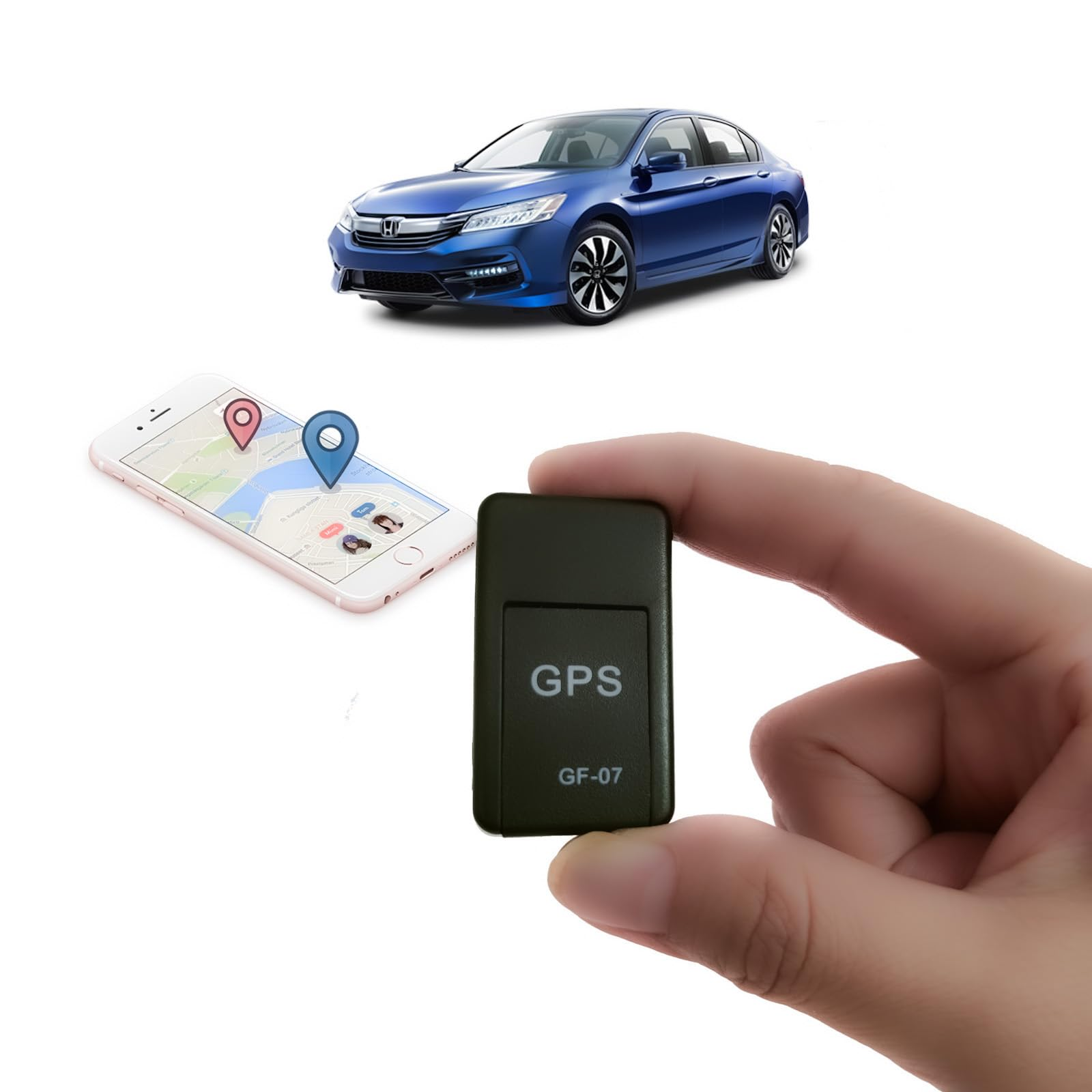
Vehicle tracking is one of the most established uses for GPS technology.
A car tracker can provide location information through a connected application, depending on the device and subscription. Some products are designed for personal vehicles, while others are built for business fleets.
When selecting a car tracker, consider:
• Location update frequency
• Cellular coverage
• Installation method
• Battery or vehicle power
• Mobile application quality
• Geofencing capabilities
• Historical location data
• Subscription requirements
A hardwired tracker can draw power directly from the vehicle, while a battery powered model can offer easier installation.
For personal use, the best option depends on whether you prioritize continuous monitoring, simpler installation, or portability.
GPS Trackers for Bikes
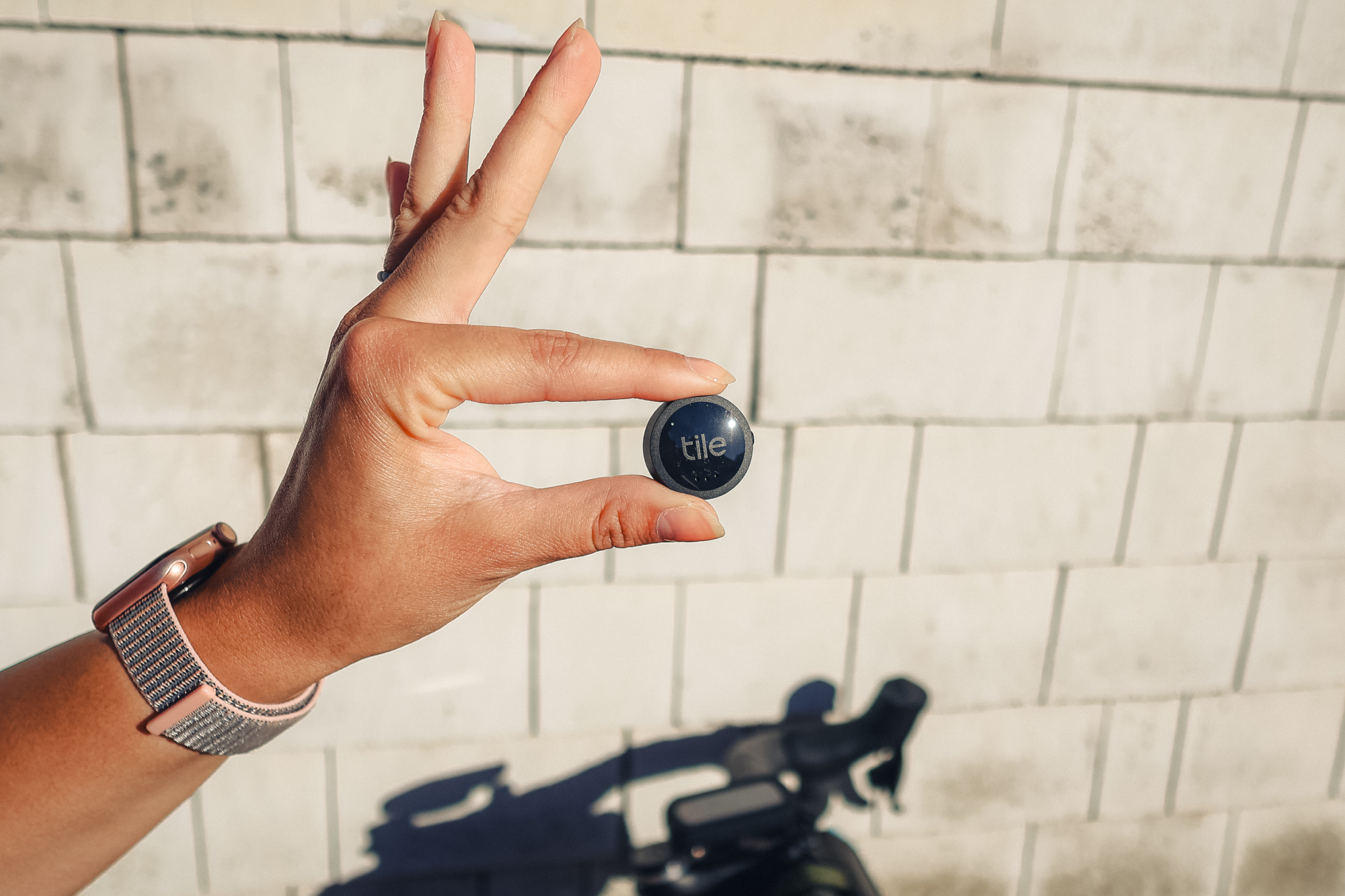
Bicycles can be difficult to recover once they are moved from their original location, which makes tracking technology particularly interesting for cyclists.
A bike focused GPS Tracker should ideally be compact and difficult to notice while still allowing reliable location communication.
Installation is another important consideration. Some trackers can be mounted beneath a seat, inside a frame accessory, or in another discreet location.
Battery life matters too.
A tracker that requires frequent charging may be inconvenient for someone who rides only occasionally.
For regular cyclists, consider whether the tracker provides useful alerts, location history, movement detection, and geofencing.
GPS Trackers for Luggage
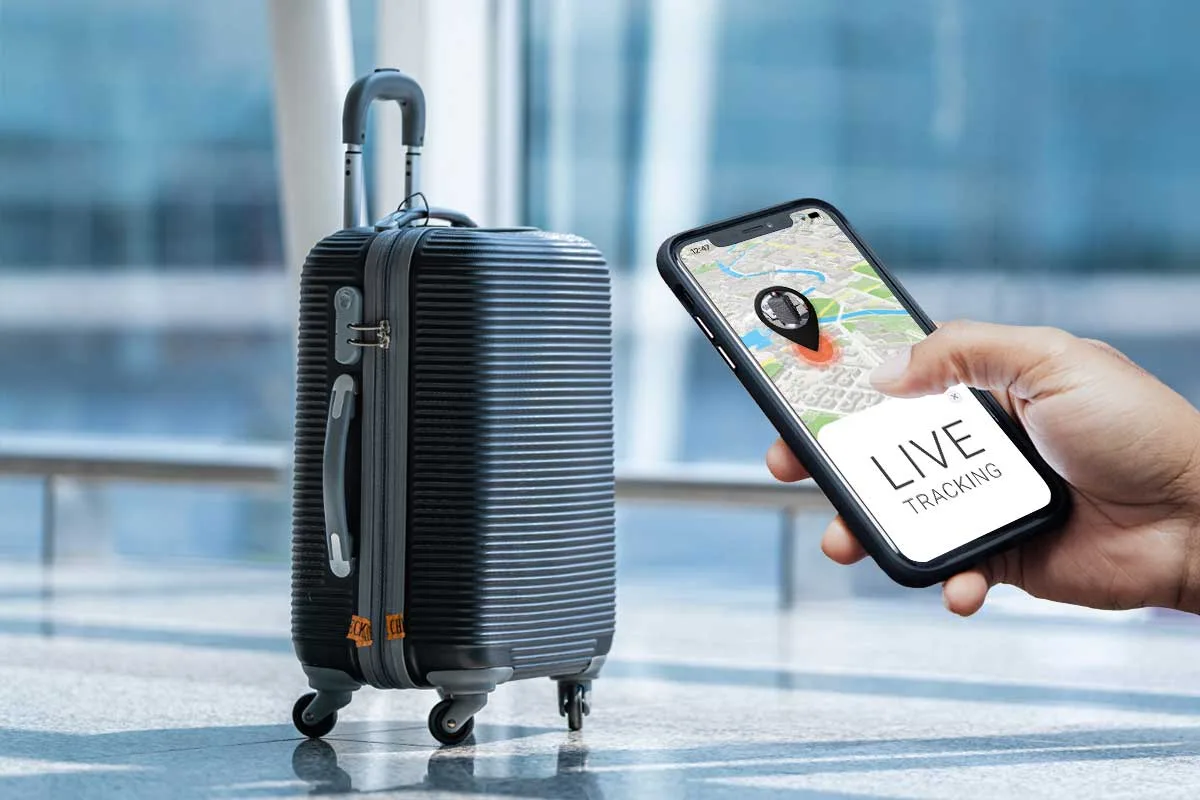
Travelers have a different tracking requirement.
When luggage is checked at an airport, moved through a hotel, or left in a vehicle, knowing its approximate location can provide valuable information.
Small item trackers are often particularly useful for luggage because they can be placed inside a suitcase without taking up much space.
However, travelers should understand the difference between GPS trackers and Bluetooth based item finders.
A dedicated cellular GPS Tracker can potentially provide location updates over a wider area, while Bluetooth based systems can depend on nearby compatible devices and their tracking networks.
For international travel, network coverage and roaming support can become especially important.
GPS Trackers for Bags and Backpacks
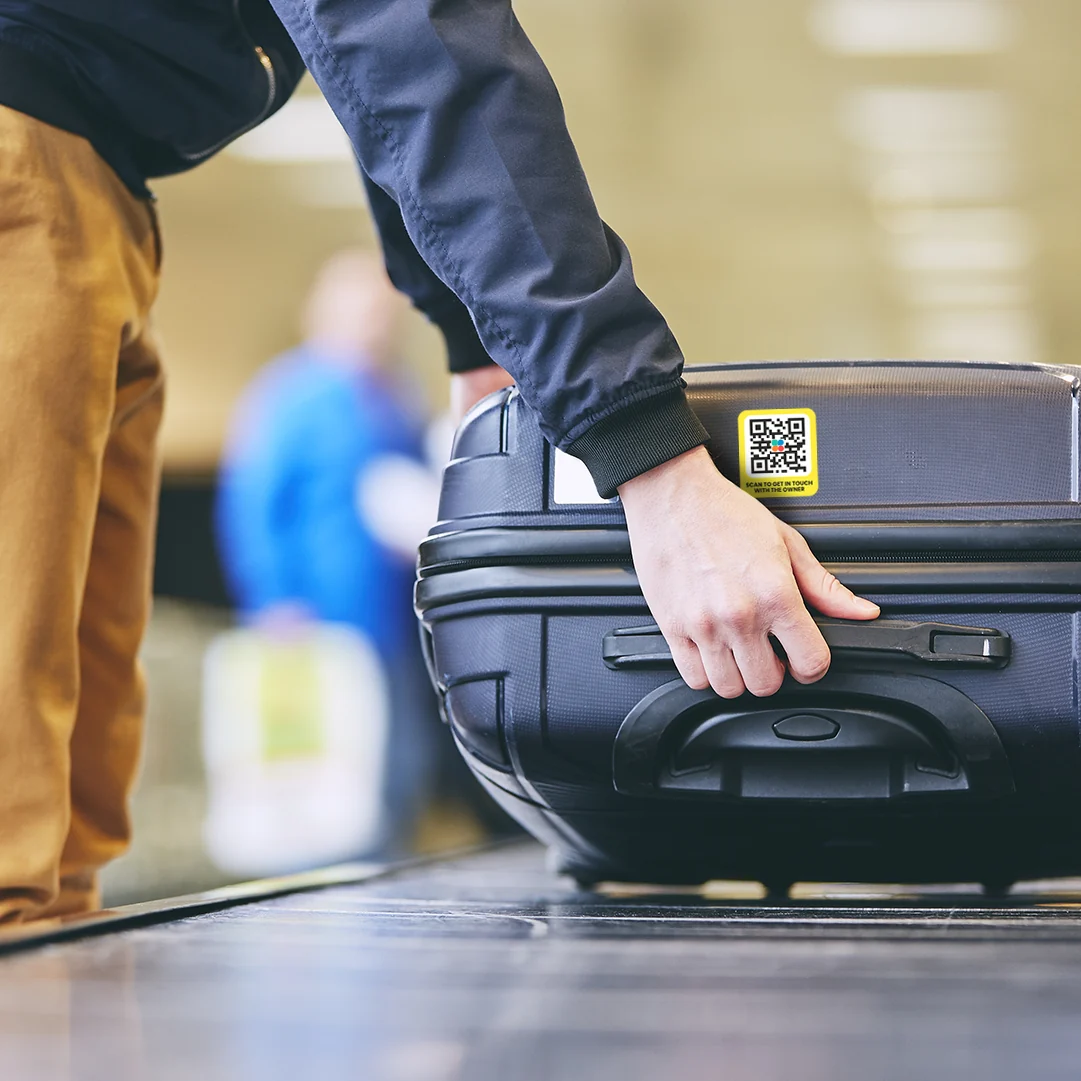
Backpacks can carry expensive electronics, documents, cameras, and other important belongings.
A compact tracker can provide another layer of awareness when a bag is frequently carried between home, work, school, travel destinations, or public spaces.
Size and battery life are particularly important here.
A bulky tracker can make a bag uncomfortable, while a device that needs frequent charging may eventually be forgotten.
Look for a tracker that fits naturally inside the bag and provides the location information you actually need.
GPS Trackers for Keys and Everyday Items
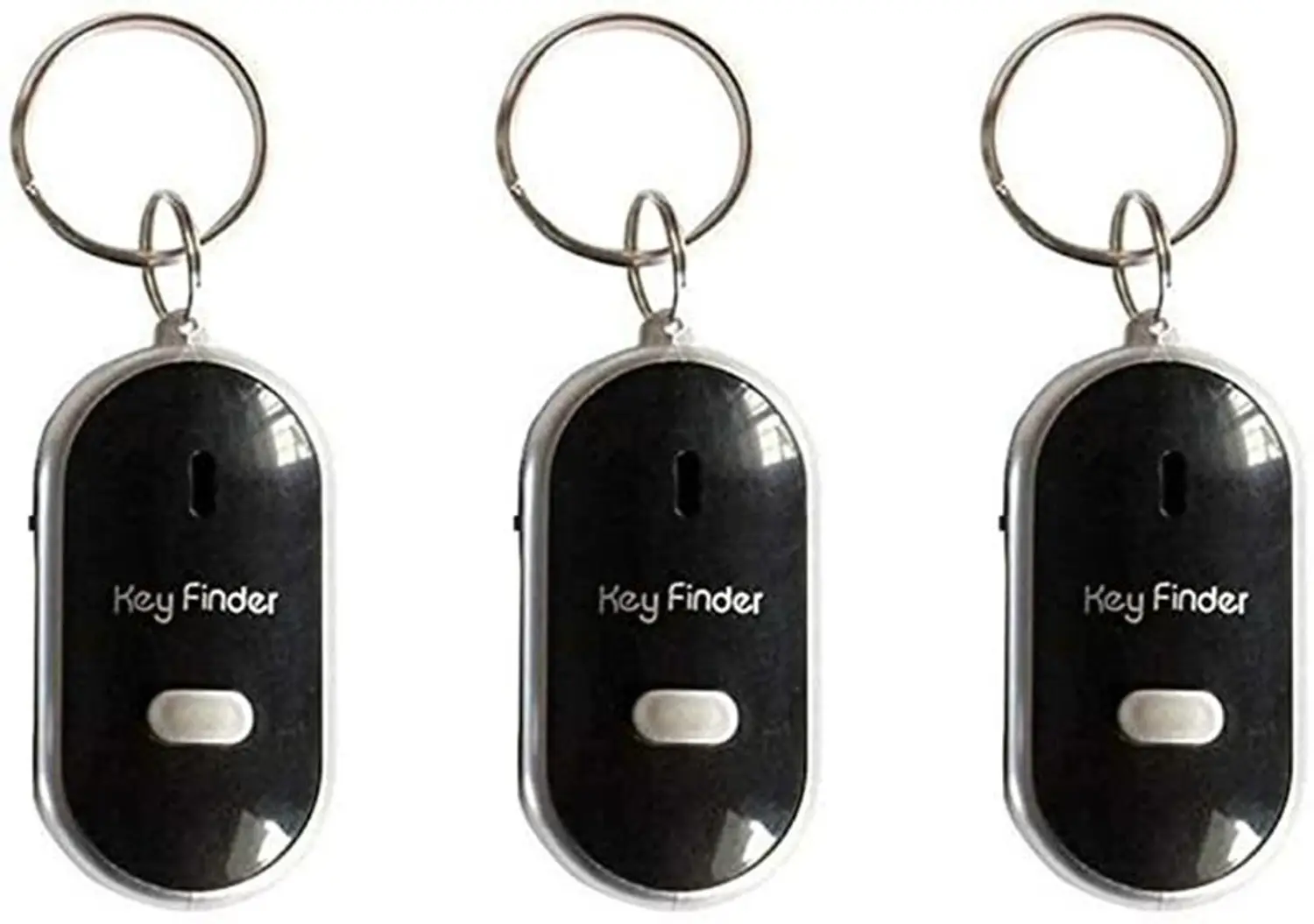
Not every item needs a dedicated GPS Tracker.
For keys, wallets, remote controls, bags, and similar belongings, a small Bluetooth tracking tag may be more practical.
These devices are usually designed around nearby device detection rather than continuous GPS positioning.
Their major advantage is simplicity.
Attach the tracker to an item, connect it to a compatible app, and use the phone to help locate the item when needed.
This makes them particularly useful for everyday objects that are commonly misplaced rather than actively monitored.
GPS Tracking vs Bluetooth Tracking
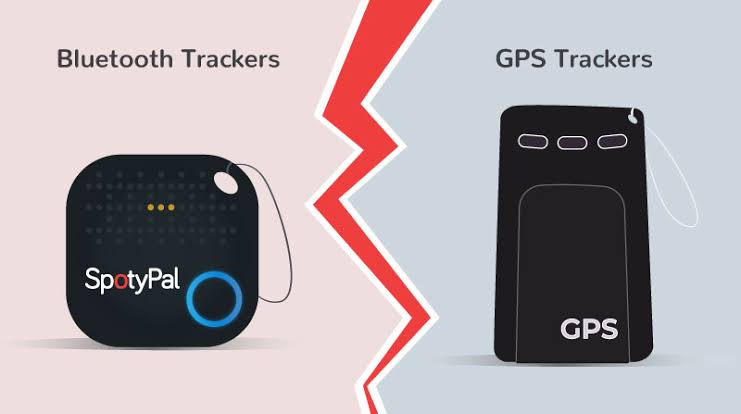
The distinction between GPS and Bluetooth tracking is one of the most important things to understand before purchasing.
GPS Tracking
GPS based systems are designed to determine a device's geographic location using satellite positioning, often combined with cellular connectivity for transmitting that information.
They are particularly useful for vehicles, bikes, and situations where remote location monitoring is important.
Bluetooth Tracking
Bluetooth trackers generally have shorter range for direct communication but can use compatible nearby devices and broader finding networks to help locate an item.
They are particularly useful for luggage, keys, bags, and other personal belongings.
Neither technology is automatically suitable for every situation. The right choice depends on the object, location, tracking frequency, and connectivity available.
Important Features to Look For
Different trackers can have dramatically different features.
Here are some of the most useful:
Location Updates
Consider how frequently the tracker reports its position.
A vehicle tracker may benefit from frequent updates, while a suitcase tracker may only need occasional location information.
Geofencing
Geofencing allows users to define a geographic area and receive an alert when the tracked object enters or leaves that zone, depending on the device.
This can be useful for vehicles, bikes, equipment, and other important assets.
Location History
Some tracking platforms maintain historical location information.
This can help users understand where a vehicle or tracked object has been over a period of time.
Movement Alerts
Movement detection can notify users when a tracked item begins moving after remaining stationary.
This can be particularly useful for vehicles, bikes, and equipment.
Battery Life
Battery performance varies considerably.
A vehicle connected directly to its electrical system may not have the same battery limitations as a small portable tracker.
For luggage and everyday items, long battery life can be more important than frequent location updates.
Subscription Costs Matter
Some GPS trackers require a recurring subscription.
This is especially common with devices that rely on cellular networks because the service provider has ongoing connectivity costs.
Before purchasing, look at the complete ownership cost rather than just the device price.
Consider:
• Initial device cost
• Monthly or annual subscription
• Cellular coverage
• Replacement battery cost
• Accessories
• International roaming fees where applicable
A cheaper device can become more expensive over several years if its service costs are significantly higher.
Battery Life and Charging
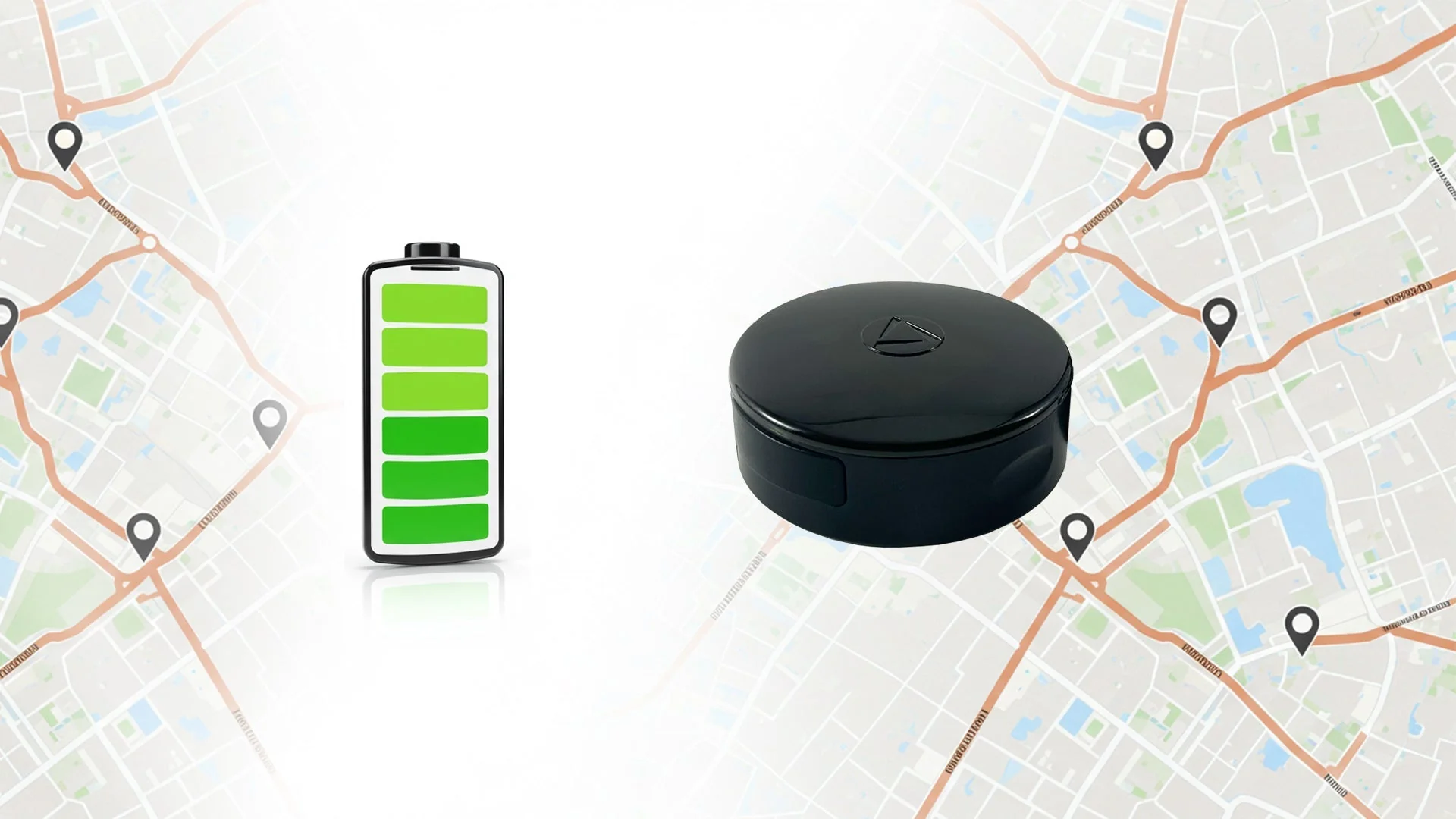
Battery life is one of the biggest practical differences between tracking products.
Frequent location updates typically require more energy.
A portable GPS Tracker used for a bike or luggage may need periodic charging, while a low power item tracker may operate for considerably longer depending on its design.
Some devices offer replaceable batteries, while others use rechargeable batteries.
Think about your routine.
If you travel frequently, a long battery life may be more valuable than constant tracking. If you need detailed vehicle monitoring, frequent updates may justify more frequent charging or a vehicle powered installation.
Weather and Durability
A tracker used on a bicycle or motorcycle may encounter rain, dust, vibration, and temperature changes.
A luggage tracker may also be exposed to rough handling during travel.
Check the device's durability and water resistance rating when relevant.
For outdoor use, a rugged construction can be more important than a particularly small design.
For indoor everyday items, durability may be less demanding.
Smartphone Apps Make a Difference
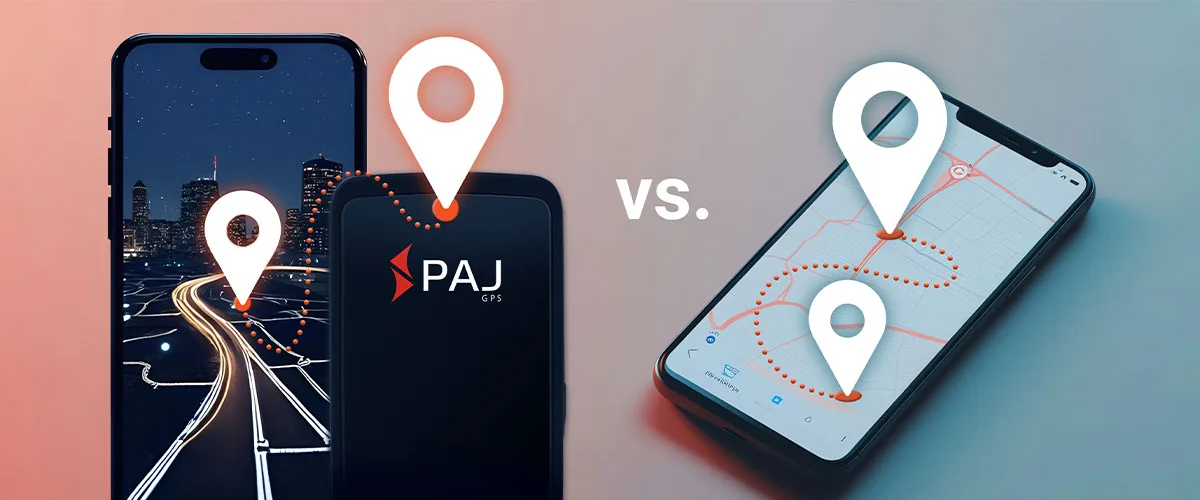
The hardware is only part of the tracking experience.
The companion application determines how easy it is to view locations, configure alerts, check history, manage multiple devices, and understand what the tracker is reporting.
Look for an app that presents location information clearly.
Useful features can include:
• Live or recent location
• Battery status
• Location history
• Geofencing
• Movement alerts
• Device sharing
• Multiple tracker management
A technically capable tracker can still be frustrating if its application is difficult to use.
Privacy and Responsible Tracking
Location information can be highly sensitive.
Users should understand how a tracking company stores, processes, and shares location data.
Check the provider's privacy documentation and account security options before activating a tracker.
Tracking should also be used responsibly and lawfully. A device designed to locate your own car, luggage, bike, or belongings is very different from secretly monitoring another person.
Strong account security is important too. Use unique credentials and enable available security protections to reduce the risk of unauthorized access to location information.
Choosing a GPS Tracker for Different Situations
Different situations call for different priorities.
For Cars
Prioritize reliable cellular connectivity, location updates, geofencing, vehicle power options, and location history.
For Bikes
Look for compact construction, secure mounting, battery life, movement alerts, and outdoor durability.
For Luggage
Prioritize portability, battery life, network compatibility, and easy access to location information while traveling.
For Backpacks
Consider compact size, battery performance, app quality, and discreet placement.
For Keys and Small Items
A simple Bluetooth item tracker may be more practical than a full cellular GPS system.
Common GPS Tracker Buying Mistakes
One common mistake is buying a tracker without checking network coverage.
Another is focusing on GPS accuracy while ignoring cellular connectivity. A device may know where it is but still have difficulty communicating that information if its network connection is unavailable.
Buyers also sometimes underestimate subscription costs.
Battery life is another overlooked issue. A tracker that requires frequent charging may become inconvenient for a suitcase or bicycle.
Finally, do not assume that every small tracker provides continuous GPS tracking. Many compact item finders use Bluetooth technology instead.
GPS Tracker Buying Checklist
Before choosing a tracker, ask:
• What exactly am I tracking?
• Do I need continuous location updates?
• Is GPS necessary or would Bluetooth tracking be enough?
• Does the device require a subscription?
• What cellular networks does it support?
• How long does the battery last?
• How often will I need to recharge it?
• Is it water resistant?
• Does it support geofencing?
• Does the app provide location history?
• Is the app available for my phone?
• How is location data handled?
• What happens if the tracker loses network coverage?
Answering these questions can make the buying process much easier.
The Future of GPS Tracking
Tracking technology is becoming increasingly connected and intelligent.
Future trackers are likely to place greater emphasis on energy efficiency, connectivity, automated alerts, location intelligence, and integration with broader device ecosystems.
AI could also make location information easier to interpret.
Instead of simply showing a series of points on a map, tracking platforms could increasingly identify patterns, unusual movement, or meaningful changes in activity.
However, better tracking also makes privacy and security more important.
Consumers should therefore consider both capability and data protection when evaluating future tracking products.
Final Thoughts
The best GPS Tracker is not necessarily the smallest, most expensive, or most feature packed device.
It is the one that matches the object being tracked and provides the right type of connectivity, battery life, location information, and alerts.
For cars and bikes, dedicated GPS systems can provide useful remote tracking capabilities. For luggage and backpacks, compact trackers can provide additional visibility while traveling. For keys and everyday belongings, Bluetooth based item finders may offer a simpler solution.
Before buying, look beyond the device itself. Consider network coverage, subscription costs, battery life, app quality, privacy, and the frequency of location updates.
With the right combination of technology and realistic expectations, tracking devices can make it considerably easier to keep tabs on the belongings that matter most.
Frequently Asked Questions
What is a GPS Tracker used for?
A GPS Tracker can help determine and communicate the location of a vehicle, bike, luggage, equipment, or other object. The exact capabilities depend on the device and connectivity it uses.
Are GPS Trackers useful for cars?
Yes. Vehicle trackers can provide features such as location updates, geofencing, movement alerts, and location history, depending on the product and service.
Can I use a GPS Tracker on a bicycle?
Yes. Compact tracking devices can be installed on bicycles. Look for secure mounting, good battery life, outdoor durability, and appropriate connectivity.
Is a GPS Tracker better than a Bluetooth tracker?
It depends on the use case. GPS tracking is generally more appropriate when remote location monitoring is important, while Bluetooth based trackers can be convenient for keys, luggage, bags, and other everyday items.
Do GPS Trackers require a subscription?
Many cellular GPS trackers do because they use mobile networks to communicate location information. Some other tracking products may not require a traditional monthly GPS subscription.
How long does a GPS Tracker battery last?
Battery life varies significantly based on the device, battery size, location update frequency, connectivity, and usage. Always check the manufacturer's stated battery expectations for the intended tracking mode.
Can GPS Trackers work internationally?
Some can, but international operation depends on the device's cellular network support, roaming arrangements, and service coverage. Check the supported countries before traveling.
Are GPS Trackers waterproof?
Some are designed for outdoor conditions and provide water resistance, while others are intended mainly for indoor or protected use. Check the device's official durability rating.
Can I track multiple items with one app?
Many tracking platforms allow multiple devices to be managed through one account or application. Check the app's supported device limit and management features before purchasing several trackers.