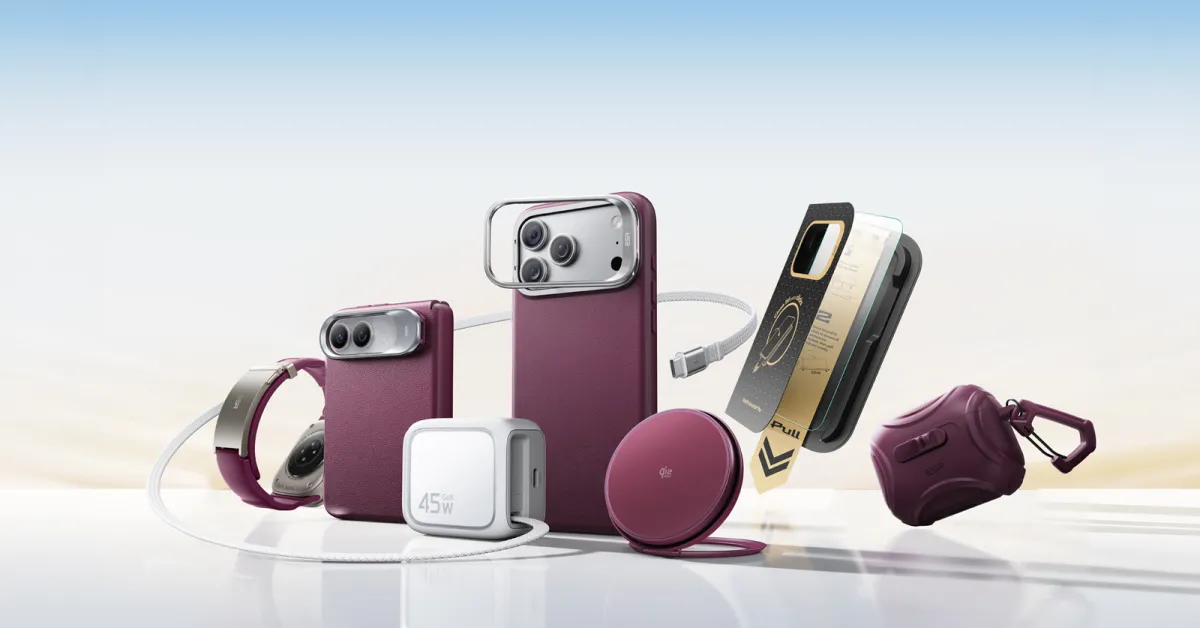
A smartphone is no longer just a device for calls, messages, photography, and entertainment. Modern phones are increasingly becoming personal AI assistants, productivity tools, cameras, gaming devices, navigation systems, and connected hubs for everyday life. As the role of the smartphone changes, the accessories around it are changing too.
For years, smartphone accessories largely meant protective cases, screen protectors, charging cables, and car mounts. Those products are still useful, but the category has expanded considerably. Today, accessories can improve charging efficiency, photography, audio, connectivity, productivity, gaming, travel, and even the way people interact with AI features.
The interesting shift is that accessories are increasingly designed around what people actually do with their phones rather than simply protecting the hardware. A compact wireless microphone can turn a phone into a content creation setup. A magnetic power bank can make all day mobile use easier. A portable display adapter can connect a phone to a larger screen. Smart tracking accessories can help locate important belongings.
So, what should shoppers look for in the AI era? Here is a practical guide to the Smartphone accessories that are becoming more useful beyond traditional protection.
How Smartphone Accessories Are Changing
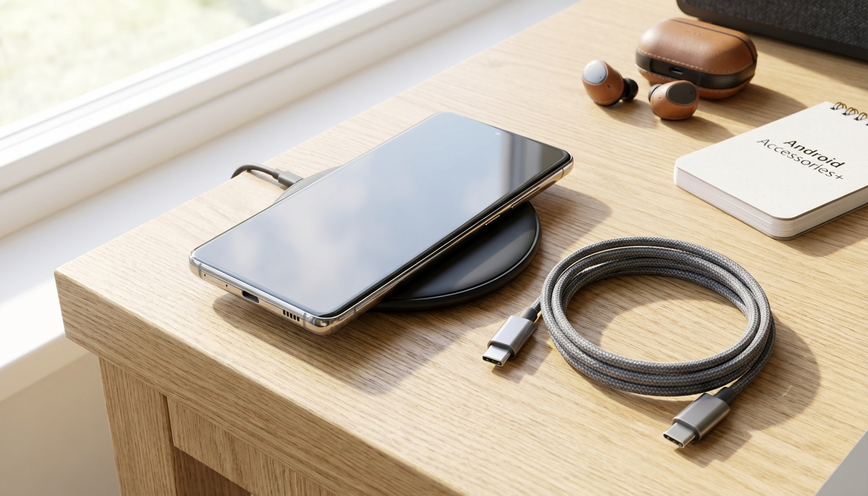
The biggest change is that smartphones are becoming more capable while also becoming more central to everyday workflows.
AI features can help with writing, translation, photography, voice transcription, search, organization, editing, and productivity. Accessories can complement these capabilities by improving how the phone captures information, receives power, produces sound, or connects with other devices.
Instead of thinking about accessories as simple add ons, it makes more sense to think of them as tools that extend what a phone can do.
This has created several growing categories, including wireless power accessories, creator equipment, portable connectivity tools, smart audio products, gaming accessories, and travel focused devices.
Magnetic Wireless Charging Accessories
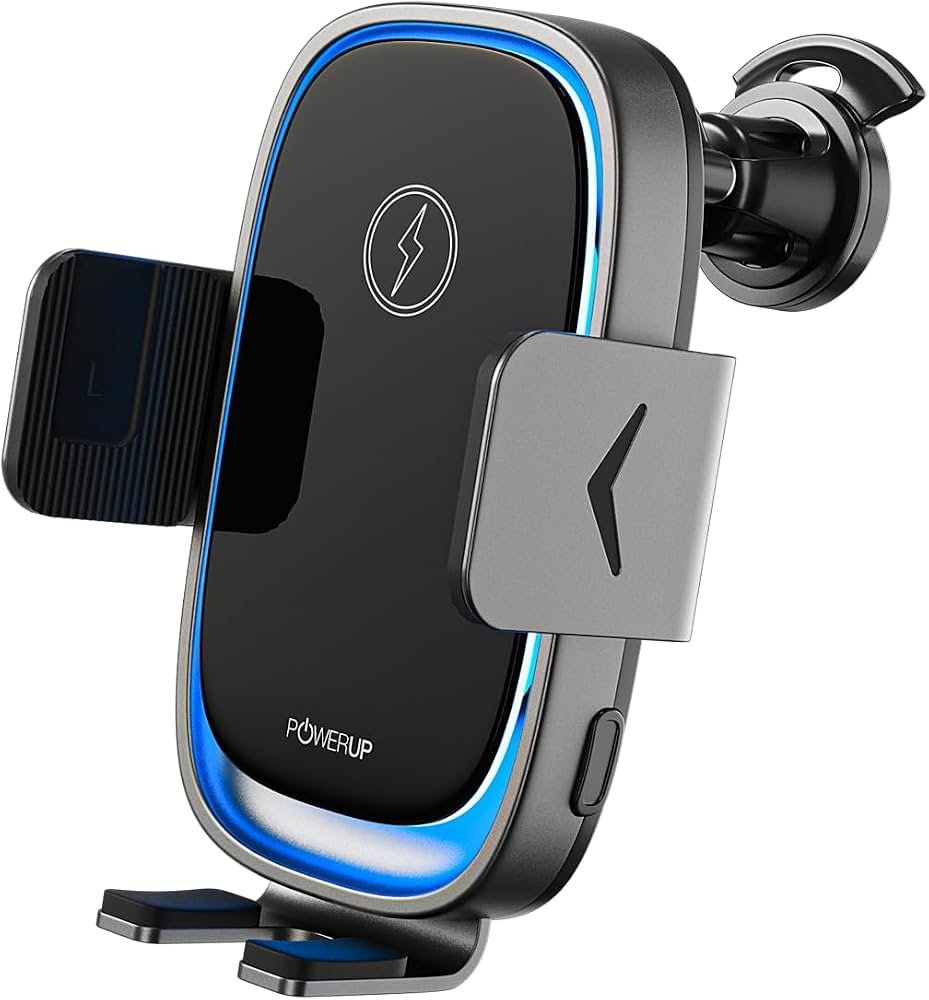
Wireless charging has moved beyond the basic charging pad. Magnetic charging accessories can make the process more convenient by helping the phone align with the charger.
Magnetic power banks are particularly useful for people who frequently use navigation, cameras, video, or mobile productivity apps while away from a traditional power outlet.
A compact magnetic battery can attach to a compatible phone and provide additional power without requiring a cable to remain connected throughout the day.
When choosing one, pay attention to charging compatibility, battery capacity, physical size, heat management, and whether the accessory supports the charging standards required by your phone.
A powerful battery is not automatically the best choice if it makes the phone uncomfortable to hold.
AI Ready Audio Accessories
Voice interaction is becoming increasingly important as AI assistants become more capable. That makes audio accessories more relevant than ever.
Wireless microphones can significantly improve the quality of recordings made with a Smartphone. They are useful for interviews, short videos, podcasts, online meetings, travel videos, and educational content.
Wireless earbuds also play an important role. Beyond listening to music, modern earbuds can support calls, voice commands, translation features, audio notifications, and interactions with smartphone assistants.
For people who regularly use voice based AI tools, microphone quality and noise handling can matter just as much as speaker quality.
A good accessory should make voice interaction easier without creating unnecessary setup complexity.
Smartphone Photography and Video Accessories
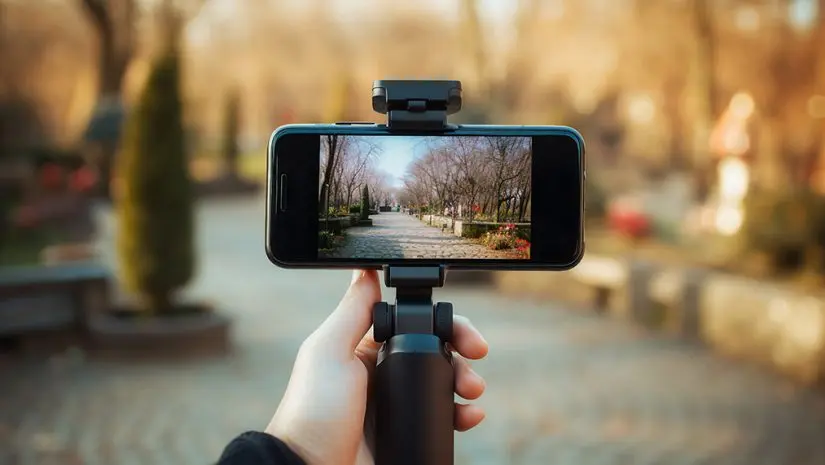
Smartphone cameras have become sophisticated enough to replace dedicated cameras for many everyday situations. Accessories can push that capability further.
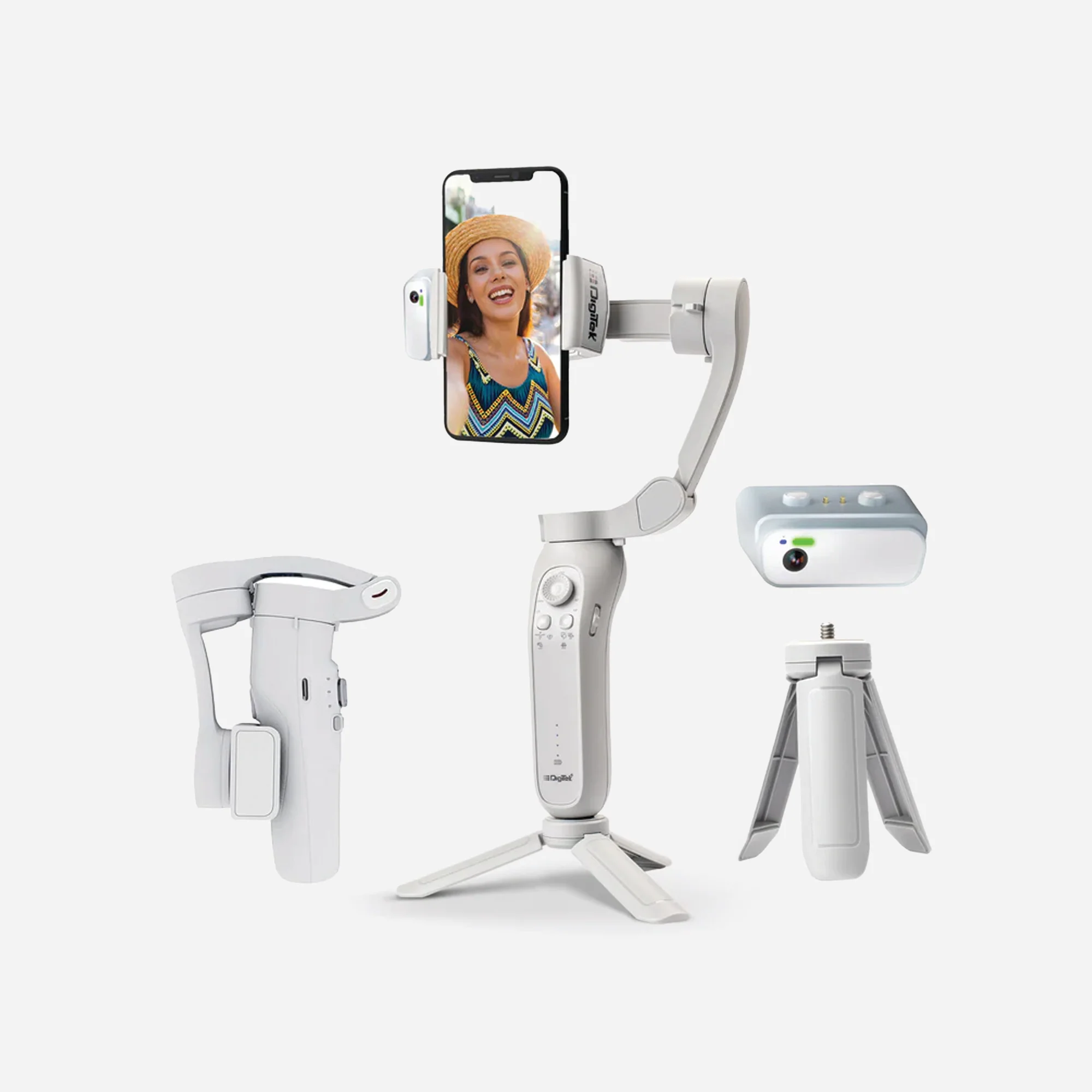
A compact tripod can help with stable photography, time lapse videos, video calls, and hands free recording. Smartphone gimbals can provide smoother movement when filming while walking. External lights can improve indoor recordings, portraits, and product photography.
There are also mounting systems that make it easier to position a phone for overhead photography, desk recording, or landscape video.
AI image processing adds another layer to this ecosystem. Modern phones can use computational photography and AI assisted editing to improve images after they are captured. Better accessories help ensure that the original footage is stable, well lit, and clearly recorded.
This is especially valuable for creators who want professional looking results without carrying a large camera setup.
Portable Displays and USB C Hubs
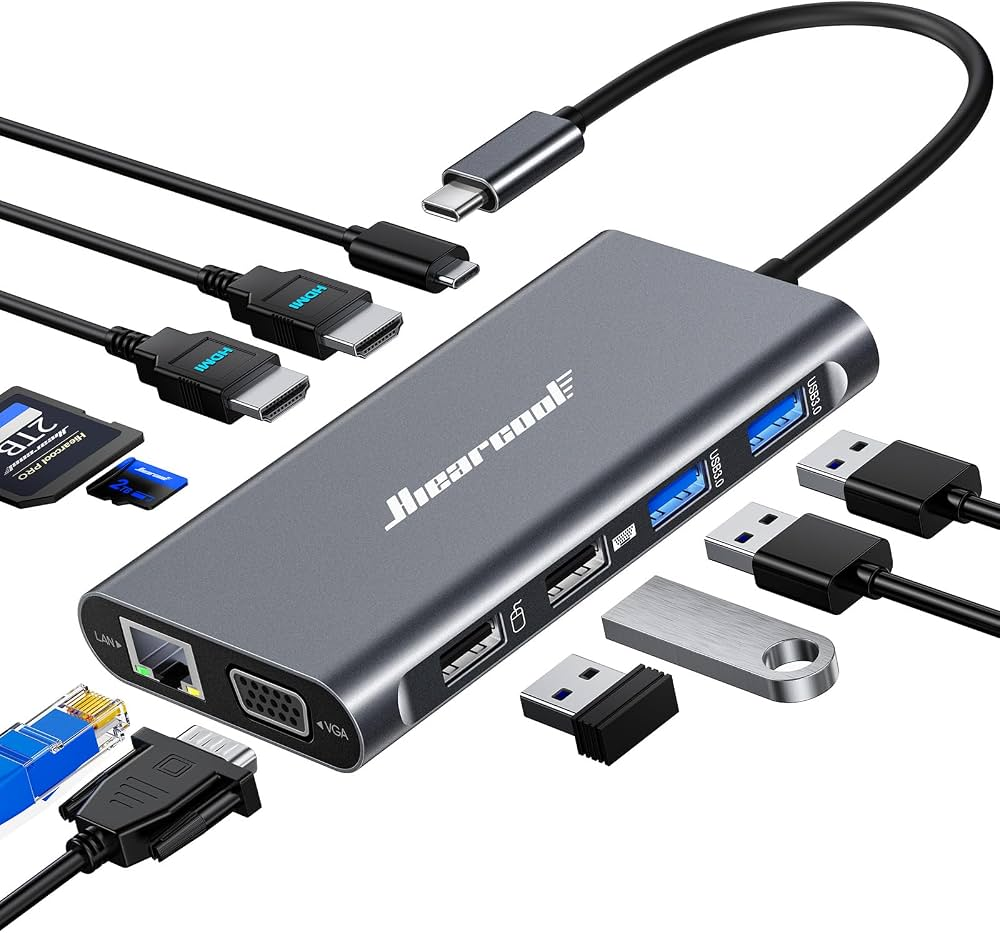
One of the most interesting developments in smartphone accessories is the ability to connect compatible phones to larger screens and peripherals.
USB C hubs can potentially connect a compatible smartphone to accessories such as external displays, storage devices, keyboards, mice, memory cards, and other peripherals.
This can turn a phone into a more flexible productivity device when the hardware and software support the required functions.
For professionals who frequently travel, a compact hub can reduce the number of separate devices they need to carry.
However, compatibility matters. USB C describes the connector shape, not necessarily every capability supported by the port. Before buying a hub, check whether the phone supports the required data transfer, display output, charging passthrough, or accessory functions.
Smart Tracking Accessories
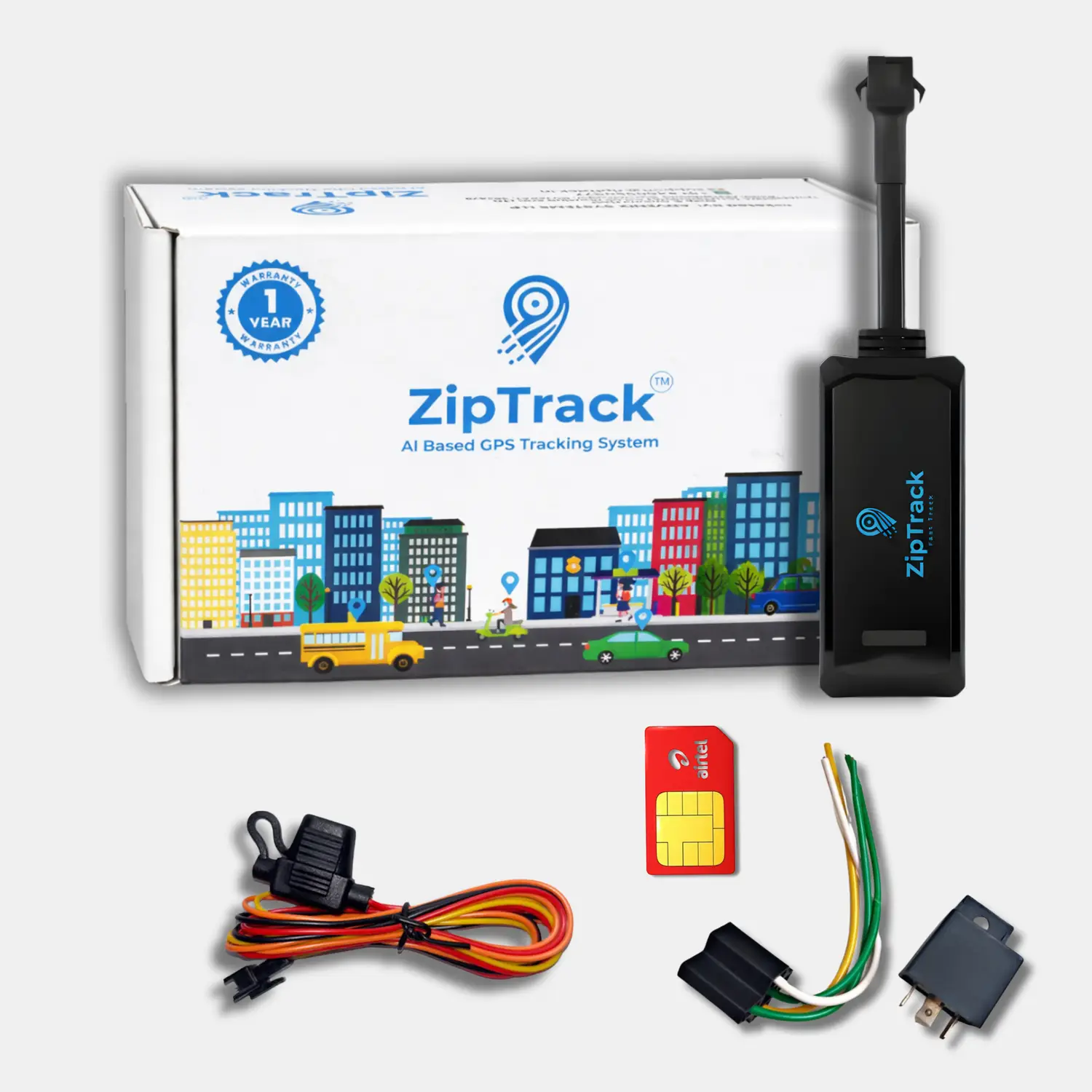
Small tracking devices have become useful companions for smartphones.
A Bluetooth tracker can be attached to keys, luggage, backpacks, wallets, or other frequently misplaced items. The associated phone app can help users locate the item or determine its last known location, depending on the tracking system and network available.
For frequent travelers, these accessories can provide an additional layer of organization around luggage and important belongings.
The important consideration is ecosystem compatibility. Some trackers work particularly well within specific smartphone platforms, while others are designed to support broader compatibility.
Privacy features should also be considered. A good tracking ecosystem should include protections designed to reduce unwanted tracking and provide users with appropriate alerts.
Smartphone Gaming Accessories
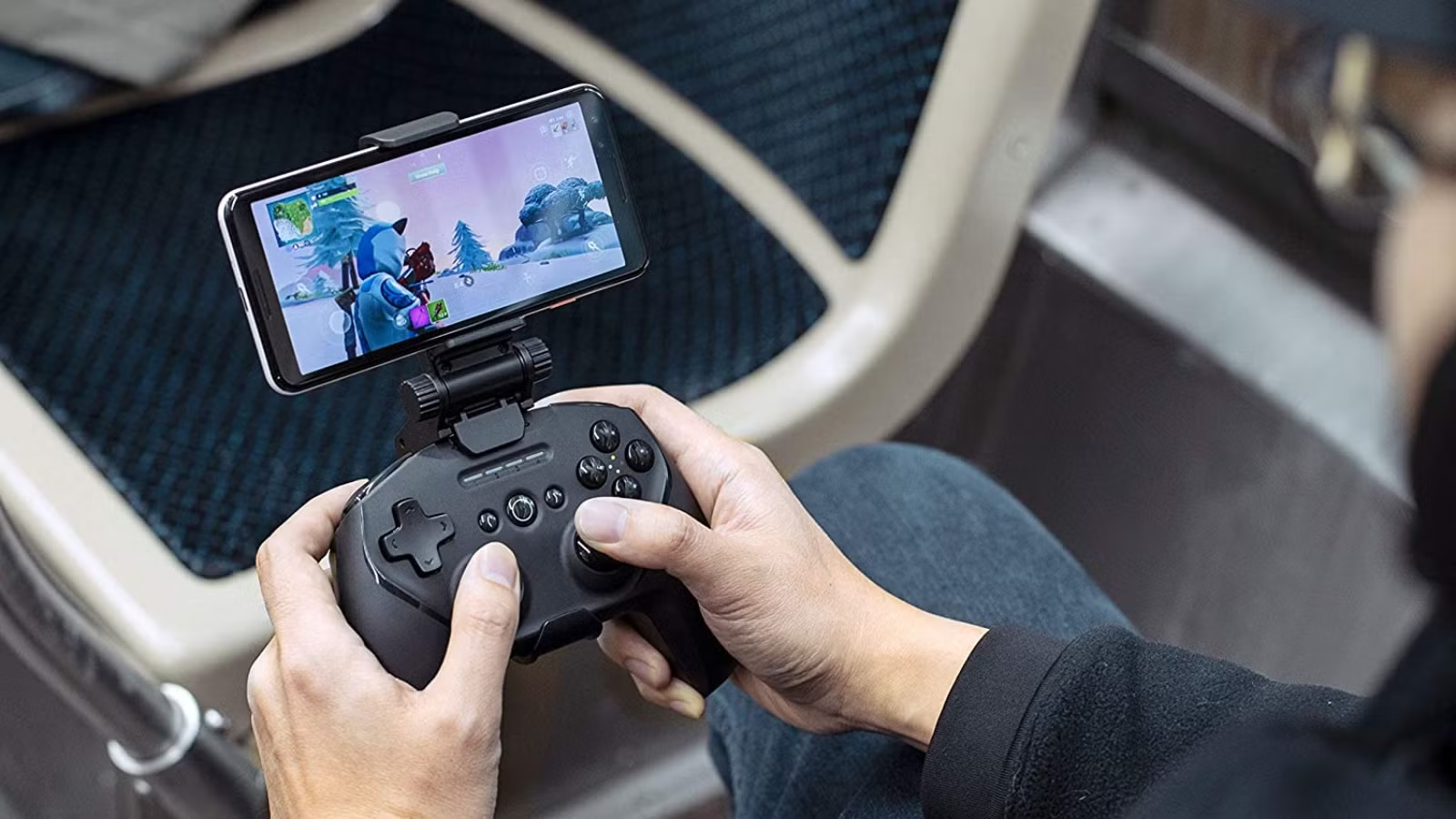
Mobile gaming has become a major use case for modern smartphones, and accessories can make the experience considerably more comfortable.
Physical gaming controllers can provide familiar buttons and joysticks for compatible games. Cooling accessories can help manage heat during extended gaming sessions, while phone grips can improve comfort.
Some gaming accessories also include passthrough charging, allowing users to charge while playing.
For serious mobile gamers, latency is another consideration. Wireless accessories should provide a responsive connection, while wired options can sometimes offer a more direct connection depending on the phone and accessory.
The best setup depends on the games being played rather than simply choosing the most expensive accessory.
Portable Storage for AI and Media Heavy Users
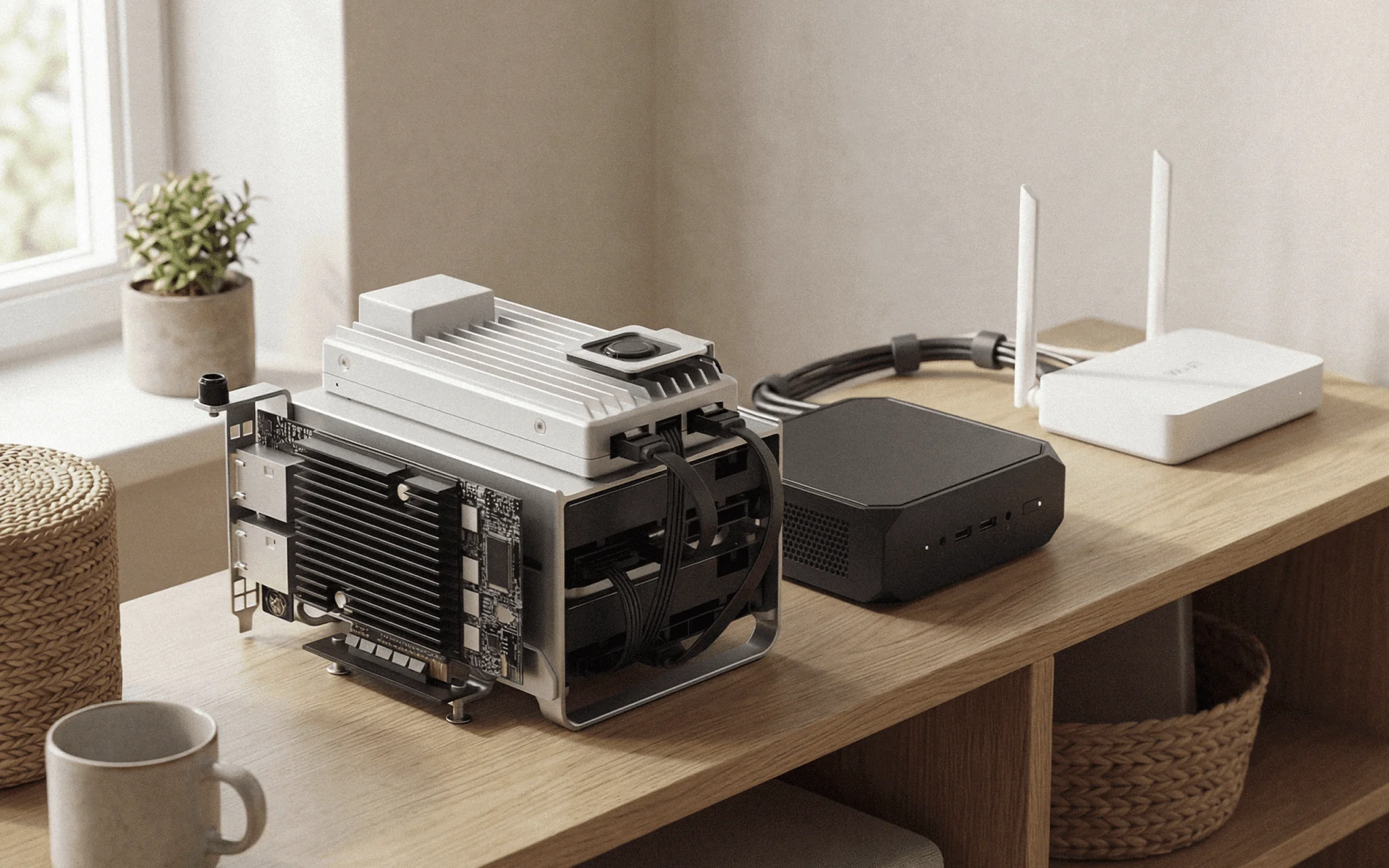
As smartphone cameras produce increasingly large files, external storage can become useful.
Compatible phones can sometimes connect to portable SSDs or other external storage devices through USB C. This can help creators move large video files, maintain additional backups, or manage projects without relying entirely on internal storage.
External storage can be particularly useful for people who record high resolution video or work with large creative files.
Before purchasing one, check the phone's supported USB capabilities and whether the operating system supports the required storage format. Cable quality matters too because a cable designed mainly for charging may not provide the data performance needed for fast file transfers.
Portable Power Stations and Multi Device Charging
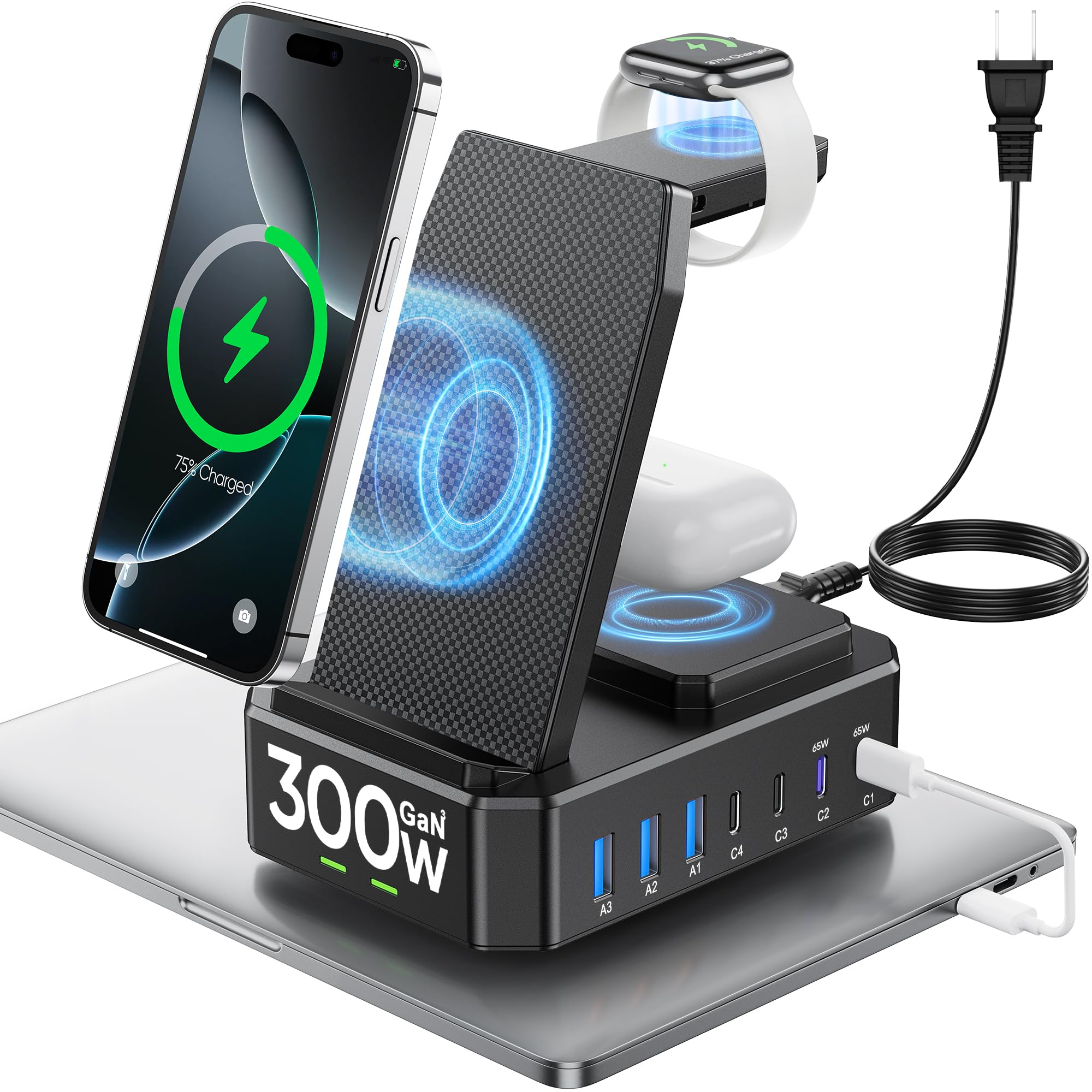
The modern user may carry a phone, earbuds, smartwatch, tablet, laptop, camera, or other connected devices.
That makes multi device charging accessories increasingly practical.
Compact chargers using modern power delivery technology can provide enough output for several compatible devices while reducing the number of individual chargers required.
For travelers, a single well designed charging setup can simplify packing considerably.
Look at total power output, the number and type of ports, supported charging standards, physical size, and whether the charger can distribute power appropriately when multiple devices are connected.
AI Era Smartphone Mounts and Stands
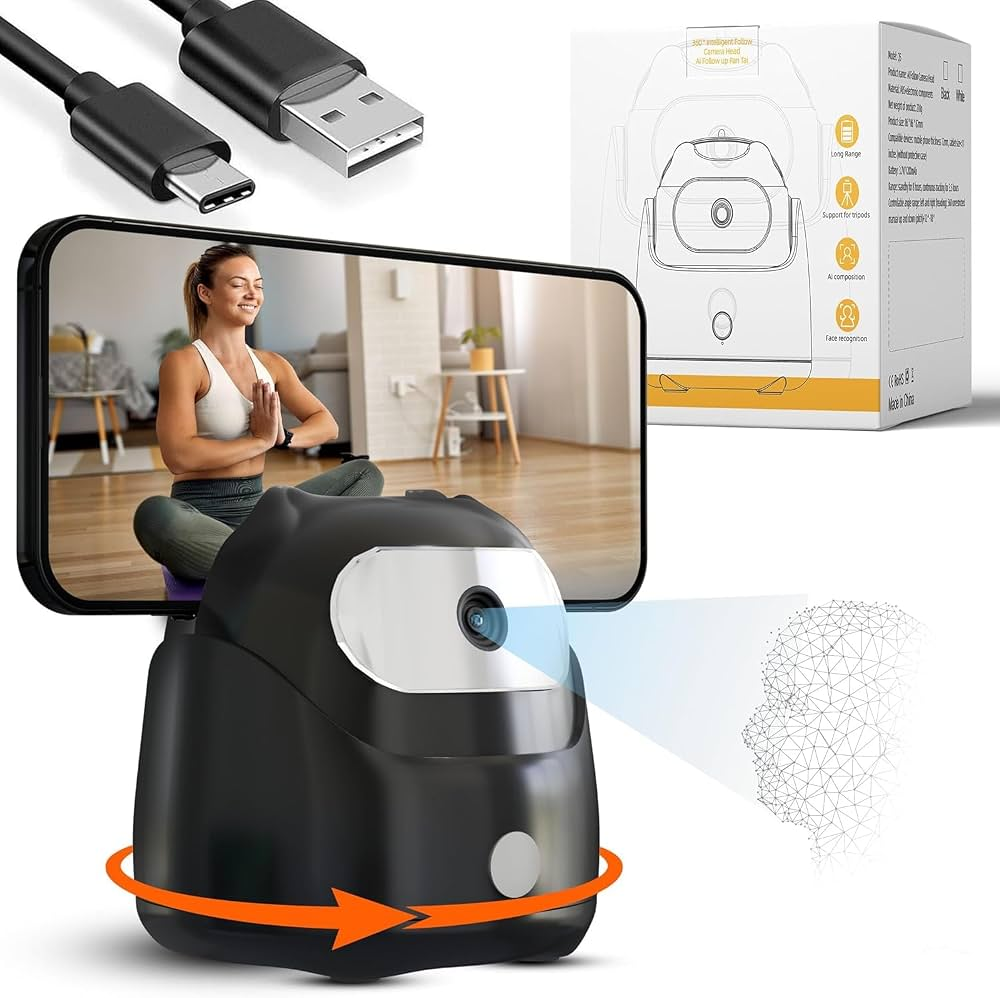
A simple stand can become surprisingly useful when a phone is used as an AI assistant or productivity screen throughout the day.
A desk stand can keep the phone visible during video calls, notifications, timers, navigation, recipes, or voice interactions.
Magnetic stands can make it easy to switch between portrait and landscape orientation, while adjustable models can position the phone at a comfortable viewing angle.
For people who use their Smartphone beside a computer, a stand can also create a dedicated secondary screen for communication, authentication, monitoring, or reference information.
What Should You Look for in Modern Smartphone Accessories?
The most important factor is compatibility.
A sophisticated accessory is not useful if it does not work properly with your particular phone. Check the connector, charging standard, operating system support, wireless compatibility, and required applications before buying.
It is also worth considering how often you will actually use the accessory.
For example, a creator may benefit from a wireless microphone and tripod more than from a gaming controller. A frequent traveler may prioritize a compact charger, power bank, tracker, and USB C hub.
Consider these factors before purchasing:
• Compatibility with your phone
• Charging and power requirements
• Wireless standards
• Data transfer capability
• Build quality
• Portability
• Battery capacity
• Software and app support
• Privacy and security features
• Warranty and manufacturer support
The goal is not to own the largest collection of accessories. It is to build a setup that solves real problems.
How AI Is Making Accessories More Useful
AI is gradually changing what people expect from their phones.
A phone can now assist with writing, summarize information, interpret images, transcribe conversations, translate languages, organize information, and help users complete everyday tasks.
Accessories can make those interactions more practical.
A better microphone can improve voice input. A larger display can make AI generated content easier to review. External storage can support larger creative projects. A stand can keep an assistant accessible on a desk. A power bank can provide enough battery for a long day of AI intensive use.
This is why the next generation of accessories is less about decoration and more about extending the phone's capabilities.
Building a Practical Smartphone Accessory Kit
You do not need every accessory available. A practical setup can begin with a few carefully selected products.
For everyday use, a reliable charger, compact power bank, comfortable stand, and suitable wireless audio accessory may be enough.
For travel, consider adding a tracker, compact multi port charger, USB C hub, and portable storage if you regularly handle large files.
For content creation, a microphone, tripod, lighting accessory, storage device, and suitable phone mount can form a lightweight mobile studio.
For gaming, a controller, grip, and compatible cooling accessory may make more sense.
The best accessory collection is therefore highly personal. It should reflect how you use your phone rather than simply following technology trends.
Common Mistakes When Buying Smartphone Accessories
One common mistake is assuming that all USB C accessories provide the same capabilities. They do not.
Another is focusing only on advertised charging speed without checking whether the phone, charger, cable, and accessory can all support that level of power.
Buying inexpensive accessories from unknown manufacturers can also create problems with durability, software support, or safety.
It is also easy to purchase accessories that sound impressive but rarely get used.
Before buying, ask a simple question: What problem will this accessory solve for me?
If the answer is unclear, it may not deserve a place in your everyday setup.
Smartphone Accessories Buying Checklist
Before purchasing a new accessory, check:
• Phone model compatibility
• Connector and wireless standard
• Charging requirements
• Data transfer support
• App compatibility
• Physical size and portability
• Build quality
• Battery capacity when relevant
• Privacy features for connected devices
• Warranty and support
• Your actual everyday use case
A little research can prevent compatibility problems and unnecessary purchases.
The Future of Smartphone Accessories
The next phase of Smartphone accessories is likely to become even more connected.
As AI assistants become more capable, accessories may increasingly support voice interaction, contextual computing, health and fitness workflows, photography, translation, navigation, and productivity.
We may also see stronger integration between smartphones, earbuds, watches, glasses, vehicles, smart home devices, and other connected products.
The important change is already happening: accessories are evolving from passive add ons into tools that extend what a smartphone can do.
For consumers, this creates more choice but also makes compatibility and practical usefulness more important.
Final Thoughts
The Smartphone accessory market has moved far beyond cases and screen protectors.
Today, users can choose from magnetic power banks, wireless microphones, portable storage, gaming controllers, smart trackers, USB C hubs, multi device chargers, photography equipment, stands, and many other tools designed to make mobile technology more capable.
AI is accelerating this shift by giving smartphones more things to do. As phones become better at understanding voice, images, text, and context, the accessories surrounding them can help turn those capabilities into practical everyday experiences.
The smartest approach is not to buy everything new. Instead, identify how you use your phone and choose accessories that genuinely improve that experience. A well chosen accessory can make a phone easier to charge, more comfortable to use, better for creating content, more useful while traveling, or more powerful as a productivity device.
In the AI era, the best Smartphone accessories are not necessarily the most futuristic ones. They are the ones that make the technology you already own more useful.
Frequently Asked Questions
What are the most useful Smartphone accessories beyond cases?
Useful options include wireless chargers, power banks, wireless microphones, USB C hubs, portable storage, phone stands, tracking devices, gaming controllers, and photography accessories. The right combination depends on how you use your phone.
Are magnetic wireless power banks worth buying?
They can be convenient for compatible phones because they attach directly to the device and reduce cable clutter. Check charging compatibility, battery capacity, size, and heat management before buying.
Can a Smartphone replace a laptop for some tasks?
For certain tasks, yes. Compatible phones can connect to displays, keyboards, mice, storage devices, and other peripherals. However, the experience depends heavily on the phone's hardware and operating system capabilities.
Are USB C accessories compatible with every Smartphone?
No. USB C is a connector type, not a guarantee of identical capabilities. Phones can differ in charging, data transfer, display output, and accessory support.
What Smartphone accessories are useful for content creators?
A wireless microphone, tripod, lighting accessory, phone mount, external storage, and suitable power solution can create a highly portable content creation setup.
Are tracking accessories useful for travelers?
They can be useful for locating luggage, backpacks, keys, and other belongings. Compatibility with the phone's tracking ecosystem and the available network should be checked before purchasing.
What should I consider when buying Smartphone accessories?
Start with compatibility, charging standards, data capabilities, build quality, portability, software support, privacy, warranty, and your actual use case.