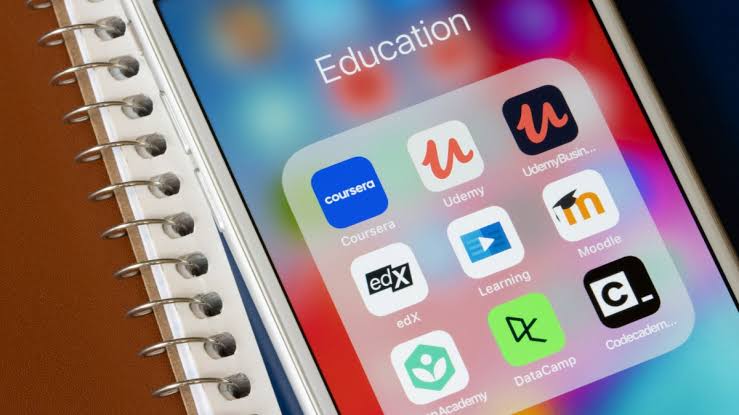
Learning a new skill used to require a classroom, a textbook, and a fixed schedule. Today, a smartphone or laptop can provide access to structured lessons, interactive exercises, professional courses, language practice, coding environments, and career focused programs from almost anywhere.
That transformation has made Ed Tech a major part of modern education and professional development.
The category is also becoming more sophisticated. Learning apps are no longer limited to recorded video lessons. Many now combine interactive exercises, progress tracking, projects, assessments, certificates, community features, and artificial intelligence.
For someone learning Python, improving business communication, studying Spanish, exploring data analytics, or preparing for a career change, there can be dozens of platforms to consider.
The challenge is not finding something to learn.
It is choosing the right learning environment for the skill you actually want to develop.
In 2026, that means looking beyond the number of courses available and considering factors such as practical exercises, course freshness, instructor expertise, learning format, AI capabilities, credentials, and how easily the knowledge can be applied outside the app.
What Is Ed Tech?
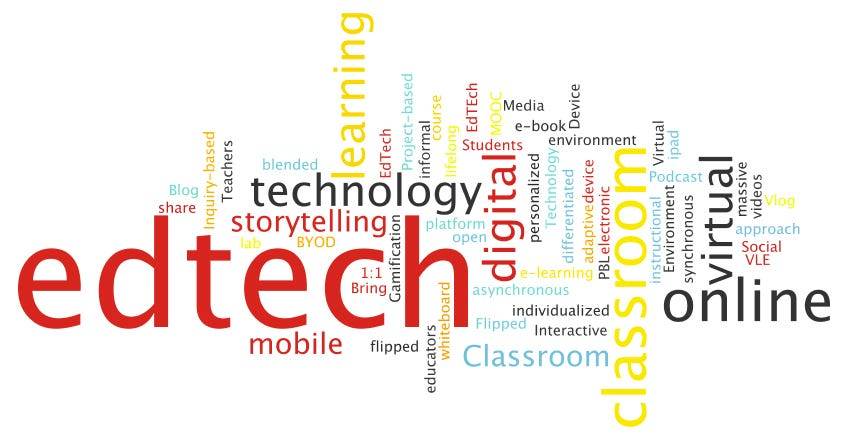
Ed Tech, short for educational technology, refers to technology used to support teaching and learning.
It includes far more than online courses.
Modern Ed Tech can include:
• Mobile learning applications
• Online course platforms
• Virtual classrooms
• Coding practice environments
• Language learning applications
• Digital textbooks
• Learning management systems
• Skills assessments
• AI learning assistants
• Interactive simulations
• Professional certification platforms
The most useful platforms tend to combine technology with a clear educational purpose.
A language application might use short exercises and repetition.
A coding platform might provide an interactive editor where learners can write and test code.
A professional learning platform might combine video lessons with quizzes, projects, and certificates.
The technology is valuable when it makes learning easier to understand, practice, measure, or apply.
Why Ed Tech Apps Are Becoming More Important in 2026

The skills people need are changing quickly.
Artificial intelligence is affecting software development, marketing, research, data analysis, design, customer service, and many other areas.
Coursera's 2026 Job Skills Report, based on learning activity from more than six million enterprise learners, reported a 234 percent year over year increase in generative AI enrollments among its analyzed enterprise learners. It also reported strong growth in critical thinking and professional certificate enrollments.
This creates a different learning environment.
Professionals may need to update existing skills rather than learn one discipline once and stop.
Ed Tech applications can make that ongoing development easier because learning can happen in smaller sessions throughout the year.
A person does not necessarily need to commit to a lengthy program every time a new skill becomes relevant.
Best Ed Tech Apps for Coding
Coding is one of the areas where interactive Ed Tech can make a significant difference.
Watching someone write code is useful, but actually writing code is usually much more valuable.
Good coding platforms allow learners to experiment, make mistakes, run programs, and understand what happens when the code changes.
Codecademy
Codecademy focuses heavily on interactive technical education.
Its learning environment is designed around hands on coding practice, making it useful for beginners who want to move beyond watching programming tutorials.
Topics can include programming languages, web development, data, computer science, and related technical skills.
For someone new to coding, an interactive environment can reduce the friction involved in setting up development software.
DataCamp
DataCamp is particularly relevant for learners interested in data.
Its learning ecosystem covers subjects such as Python, SQL, R, data analysis, machine learning, artificial intelligence, and related professional skills.
Data focused learning can benefit from interactive practice because learners can work directly with code and data rather than relying entirely on theoretical explanations.
Coursera
Coursera also has a substantial coding and technology catalog.
Its current coding offerings include programming languages such as Python, Java, and JavaScript, along with algorithms, data structures, web development, debugging, version control, and software testing.
Coursera's 2026 catalog also includes newer AI focused technical programs. Its AI Coding Tools for Professional Developers specialization includes technologies and tools such as GitHub Copilot, Claude Code, AI workflows, React, and software development practices.
This makes the platform relevant to both foundational programming and newer AI assisted development skills.
Best Ed Tech Apps for Learning Languages
Language learning has become one of the most recognizable categories in Ed Tech.
Mobile applications are particularly effective for creating frequent learning habits because users can complete short exercises almost anywhere.
Duolingo

Duolingo is known for its mobile first approach to language learning.
The platform uses short lessons, exercises, progress tracking, and game like elements to encourage regular practice.
This format can be useful for learners who struggle to maintain long study sessions.
The biggest benefit of a short lesson is often consistency.
Five or ten minutes of regular practice can be easier to maintain than an ambitious study schedule that quickly becomes unrealistic.
Babbel
Babbel takes a more structured approach to language education, with lessons designed around practical communication.
It can be useful for learners who want a more traditional course structure while still using an application based learning environment.
Language Learning Beyond Vocabulary
A language app should not necessarily be treated as a complete replacement for real communication.
Vocabulary and grammar practice can build a foundation, but speaking with other people, listening to natural conversations, reading authentic material, and writing regularly can strengthen the learning experience.
The best results often come from combining the app with real world exposure.
Best Ed Tech Apps for Business Skills
Business skills cover a huge range of subjects.
A learner might want to study marketing, sales, finance, leadership, entrepreneurship, project management, communication, or business analytics.
LinkedIn Learning

LinkedIn Learning is heavily focused on workplace skills.
Its current platform lists more than 26,000 courses and more than 1,300 curated learning pathways, covering business, technology, and creative subjects. It also provides assessments, practice resources, exercise files, and professional certificates from selected providers.
This makes it particularly relevant to professionals who want relatively focused learning rather than committing immediately to a long academic program.
A marketing professional could study content strategy.
A manager could explore leadership and communication.
A designer could develop new creative software skills.
The breadth makes the platform suitable for ongoing professional development.
Coursera

Coursera can also be useful for business education, particularly when a learner wants a more structured program.
Its 2026 catalog includes business related programs that combine AI with areas such as marketing, content creation, customer support, sales, and software development.
This reflects a broader change in business education.
AI is increasingly becoming a skill layer that sits alongside existing professional disciplines rather than functioning as a completely separate field.
Best Ed Tech Apps for Professional Skills
Professional development is broader than learning technical skills.
Communication, leadership, presentation, project management, negotiation, time management, and critical thinking can all influence career development.
LinkedIn Learning is particularly relevant for this category because its learning catalog includes leadership, emotional intelligence, personal development, communication, project management, and other workplace subjects.
Coursera also offers professional certificates designed around specific career paths.
Its current catalog includes certificates from organizations such as Google, Microsoft, IBM, AWS, and other providers.
For learners choosing professional education, the important question is not simply whether a certificate exists.
It is whether the course helps develop a skill that can actually be demonstrated.
How AI Is Changing Ed Tech
AI is changing the learning experience in several ways.
Instead of every learner following exactly the same path, platforms can increasingly provide personalized recommendations, practice exercises, explanations, and feedback.
AI can potentially help with:
• Explaining difficult concepts
• Generating practice questions
• Summarizing lessons
• Providing coding assistance
• Creating language practice
• Suggesting additional resources
• Identifying areas that need revision
• Helping learners explore related subjects
Coursera's current professional programs demonstrate how AI is becoming integrated into both the subjects being taught and the learning experience itself. Its Google AI Professional Certificate, for example, includes hands on activities covering AI use in areas such as research, data analysis, communication, planning, and app development.
At the same time, learners should remember that AI generated explanations can contain mistakes.
AI works best as an additional learning aid alongside reliable course content and human expertise.
Ed Tech Apps for Different Learning Goals
Different goals call for different learning environments.
Learning goal | Useful Ed Tech category | Example platforms |
|---|---|---|
Learn programming | Interactive coding | Codecademy, DataCamp |
Learn data skills | Data and analytics | DataCamp, Coursera |
Learn languages | Mobile language learning | Duolingo, Babbel |
Learn business | Professional courses | Coursera, LinkedIn Learning |
Develop workplace skills | Career learning | LinkedIn Learning |
Earn professional credentials | Certificate programs | Coursera |
Practice technical skills | Interactive learning | Codecademy, DataCamp |
Develop AI skills | AI focused learning | Coursera, DataCamp |
These examples represent different learning models rather than a universal ranking.
A beginner learning Python may need an interactive coding environment.
A manager learning AI for business may benefit from a structured professional program.
Someone learning Spanish may benefit more from short daily mobile lessons.
The best platform depends on the learning objective.
What to Look for in an Ed Tech App
Before signing up, consider several practical factors.
Course quality
Look for clear explanations, relevant examples, updated material, and credible instructors.
Interactivity
Ask whether you will simply watch lessons or actually practice the skill.
Learning structure
Some people need a defined curriculum while others prefer choosing individual lessons.
Progress tracking
Useful progress indicators can make long term learning easier to manage.
Projects and practice
For coding, business, data, and creative skills, practical projects can be particularly valuable.
Credentials
Understand what the certificate represents and whether it is relevant to your intended use.
Mobile access
If you want to learn during commutes or short breaks, a well designed mobile experience can be important.
AI features
If AI is included, understand how it is used and whether it genuinely improves the learning process.
Cost
Compare the complete cost rather than looking only at a headline subscription price.
Free vs Paid Ed Tech Apps
Many Ed Tech platforms offer some form of free access.
Free learning can be an excellent way to determine whether a subject or teaching style suits you.
Paid plans may provide additional courses, assessments, projects, certificates, offline access, advanced features, or broader content libraries.
The right decision depends on how serious the learning goal is.
If you are simply curious about a subject, free content may be enough.
If you are building a career skill, a structured paid program may provide more useful guidance and accountability.
Before subscribing, check exactly what is included.
Some platforms use individual course purchases, while others use monthly or annual subscriptions.
Certificates vs Real Skills
A certificate can demonstrate that a learner completed a particular educational experience.
But completing a course is not necessarily the same as mastering a skill.
Consider a coding learner.
A certificate showing completion of a Python course is useful evidence of study. A portfolio containing several working Python projects provides another kind of evidence.
The same principle applies to other fields.
A marketing learner can create a campaign case study.
A designer can build a portfolio.
A language learner can demonstrate communication ability.
A business professional can apply a new framework to an actual project.
The strongest learning strategy often combines credentials with practical evidence.
How to Build an Effective Ed Tech Learning Routine
The availability of learning apps does not guarantee progress.
Consistency matters more.
A practical routine could include:
• Short daily sessions for languages
• Several weekly coding practice sessions
• One longer weekly business lesson
• Regular review of previous material
• A monthly practical project
The exact schedule should fit the learner's lifestyle.
It is usually better to study one skill consistently than to download ten applications and use each of them occasionally.
A clear goal also makes progress easier to measure.
Instead of saying, “I want to learn coding,” define a more specific outcome such as, “I want to build a simple website using HTML, CSS, and JavaScript.”
Instead of saying, “I want to learn business,” define the skill more precisely.
A specific objective creates a much clearer learning path.
A Practical Ed Tech Strategy for 2026
A useful approach is to combine different types of learning applications rather than expecting one app to teach everything.
For example:
Foundation
Use a structured platform to understand the core concepts.
Practice
Use an interactive application to apply those concepts.
Application
Complete a real project.
Feedback
Use instructors, communities, mentors, or AI tools to identify areas that need improvement.
Demonstration
Build a portfolio, presentation, project, or other evidence of the skill.
This creates a learning cycle rather than a simple course completion cycle.
It is particularly relevant in 2026 because professional skills are changing rapidly.
Coursera's latest skills research emphasizes that AI knowledge increasingly works alongside foundational technical and professional skills rather than replacing them.
Common Ed Tech Mistakes
Downloading Too Many Apps
More apps can create more distraction rather than more learning.
Choosing Popularity Over Relevance
A popular platform may still be a poor fit for a particular subject.
Watching Without Practicing
Passive learning can create familiarity without developing usable ability.
Ignoring Course Freshness
This is especially important for programming, AI, cybersecurity, software, and digital marketing.
Collecting Certificates
Certificates can document learning, but practical application remains important.
Expecting AI to Do the Learning
AI can explain and assist, but learners still need to understand, practice, question, and apply what they learn.
The Future of Ed Tech
The next phase of Ed Tech is likely to focus increasingly on personalization and practical skill development.
Learning platforms can become more responsive to individual progress.
A learner struggling with a particular programming concept may receive additional exercises.
A language learner may receive more practice around areas where mistakes are frequent.
A professional preparing for a new role may receive a recommended learning path based on the skills associated with that role.
AI can also make learning more conversational.
Instead of searching through a large library for an explanation, learners may increasingly interact with intelligent educational assistants that help them explore a subject.
However, human expertise remains important.
Instructors provide context, judgment, mentorship, and feedback that automated systems cannot always reproduce.
The strongest Ed Tech experiences are therefore likely to combine technology with credible educational content and meaningful human guidance.
Final Thoughts
The growth of Ed Tech has made professional development more flexible than ever.
Whether the goal is learning Python, improving Spanish, understanding business strategy, developing leadership skills, or building AI capabilities, there are now specialized applications for almost every stage of the learning journey.
Codecademy and DataCamp provide interactive options for technical learning. Duolingo and Babbel focus on languages. LinkedIn Learning provides extensive workplace training, while Coursera combines professional certificates, academic learning, technical education, and newer AI focused programs.
The important thing is not to choose an app simply because it has the largest catalog.
Choose based on the skill you want to build.
Look for relevant content.
Practice what you learn.
Keep the learning routine realistic.
Use AI as an assistant rather than a substitute for understanding.
Most importantly, turn education into something practical.
A completed lesson is progress.
A skill that you can confidently apply is the real destination.
Frequently Asked Questions
What is an Ed Tech app?
An Ed Tech app uses technology to support learning. It can provide courses, interactive exercises, language practice, coding environments, assessments, simulations, professional training, or other educational experiences.
Which Ed Tech apps are useful for coding?
Codecademy, DataCamp, Coursera, and LinkedIn Learning all provide coding or technology focused learning options. The best choice depends on your programming language, experience level, and preferred learning format.
Which Ed Tech apps are useful for languages?
Duolingo and Babbel are examples of dedicated language learning platforms. Other online education services also provide language courses.
Can Ed Tech apps help with professional development?
Yes. Platforms such as LinkedIn Learning and Coursera provide courses and structured programs covering business, technology, leadership, communication, project management, AI, and other professional skills.
Are Ed Tech certificates valuable?
They can be useful for documenting completed education, but their value varies by provider, subject, employer, and industry. Practical skills and demonstrable work can also be important.
How is AI changing Ed Tech?
AI can support personalized learning, explanations, practice, feedback, content discovery, coding assistance, and other learning activities. Learners should still verify important information and maintain active involvement in the learning process.
Should I use several learning apps at once?
Usually, it is better to keep the learning environment manageable. One primary platform combined with a complementary practice tool can be more effective than trying to use many applications simultaneously.