
Smart glasses are moving beyond the idea of simply placing a camera, speakers, or a small display inside a pair of frames. As artificial intelligence becomes more capable, glasses are evolving into a more natural interface for interacting with digital information while keeping your hands free.
Imagine asking your glasses about a landmark while walking through a new city, hearing a translation during a conversation, receiving directions without constantly looking at your phone, or getting a quick explanation of something you are seeing. These experiences are increasingly becoming possible through a combination of cameras, microphones, sensors, smartphones, cloud computing, and AI.
The future of Smart Glasses is therefore less about replacing smartphones overnight and more about making everyday technology easier to access. The most interesting developments are happening where AI meets the physical world.
AI Assistants Could Become the Main Feature
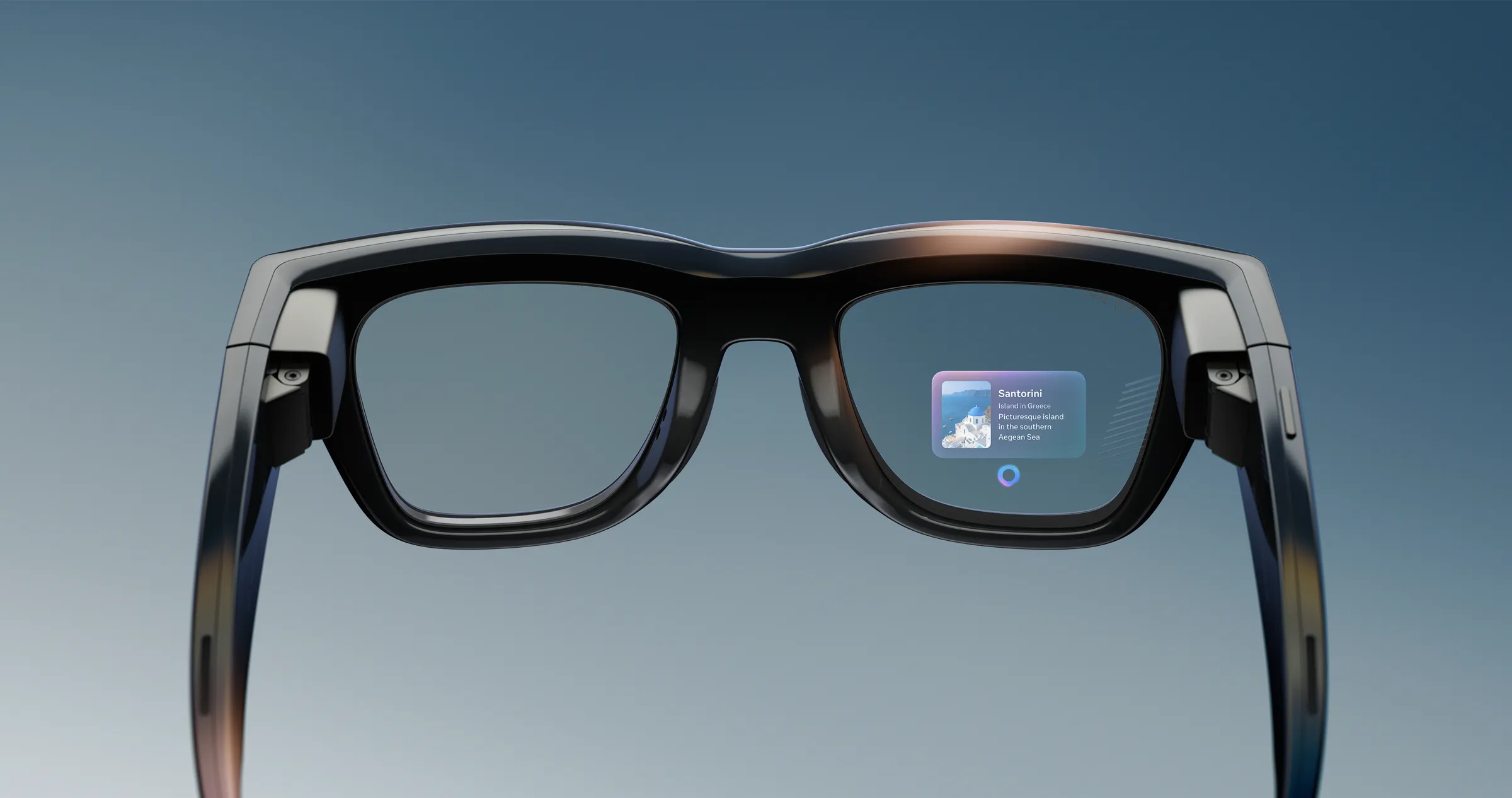
Traditional voice assistants are useful, but they usually depend on a smartphone, smart speaker, or another connected device. Smart glasses offer something different because the assistant can potentially understand both what the wearer says and what the wearer is looking at.
A future AI assistant built into glasses could answer questions about the surroundings, summarize information, identify objects, explain signs, or help organize everyday tasks.
For example, you could look at a restaurant menu and ask which dishes contain a particular ingredient. You might look at a building and ask about its history. During a shopping trip, you could ask for information about a product without taking your phone out of your pocket.
This creates a more contextual form of computing. Instead of opening an application and entering a question, the information could be connected directly to what you are doing.
The challenge will be making these interactions fast and reliable enough to feel natural. Nobody wants to wait several seconds for an answer to a simple question while walking down a busy street.
Real Time Translation Could Change Travel
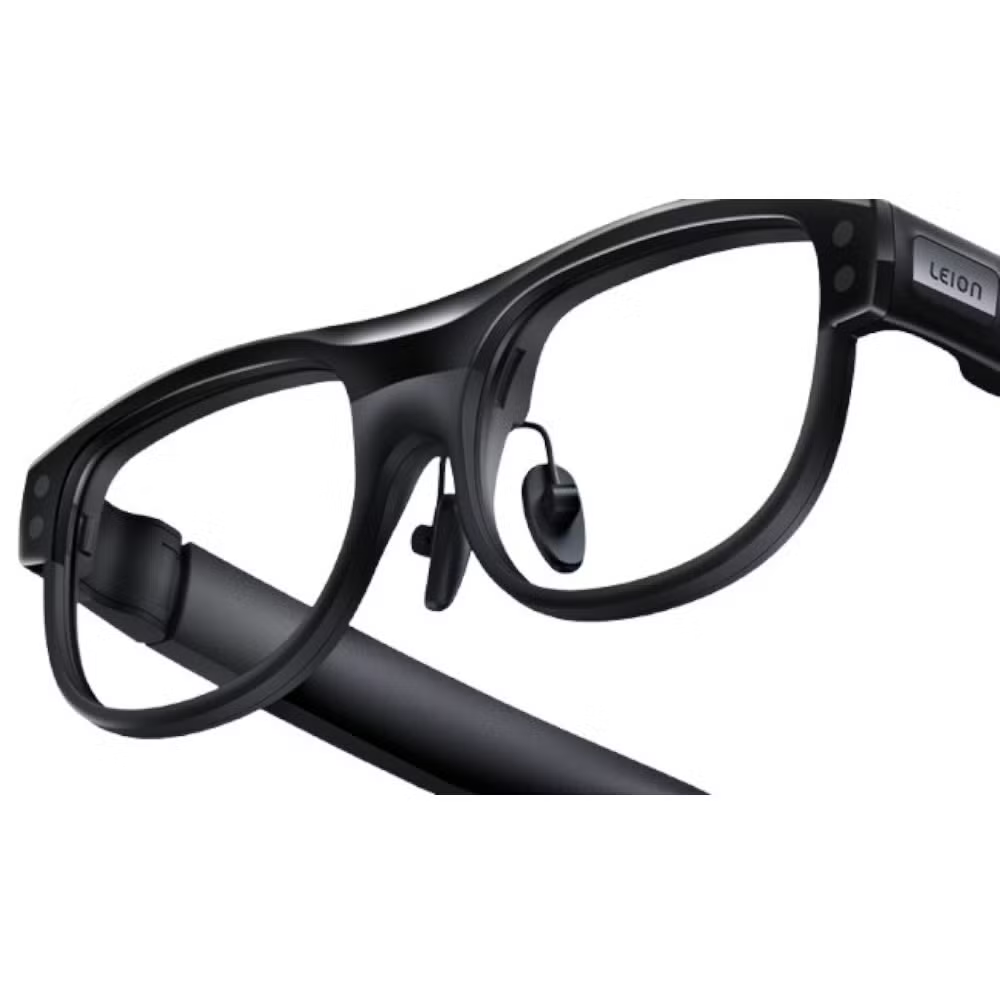
Translation is one of the most promising applications for future Smart Glasses.
Today, travelers commonly use smartphone translation applications by typing text, photographing signs, or speaking into the phone. Smart glasses could make many of these interactions less disruptive.
A future system could listen to another person speaking and provide a translated version through the glasses' speakers. With display capable models, translated text could potentially appear within the wearer's field of view.
This could be particularly useful at airports, restaurants, hotels, train stations, museums, and local markets.
Visual translation could be equally valuable. A traveler could look at a road sign or menu written in an unfamiliar language and receive an interpretation without repeatedly taking out a phone.
However, translation accuracy will still depend on factors such as accents, background noise, internet connectivity, language support, and the complexity of the conversation. Human communication also involves cultural context that an automated system may not always understand.
Smart glasses could make translation more convenient, but they are unlikely to eliminate every communication challenge.
Navigation Could Become More Natural
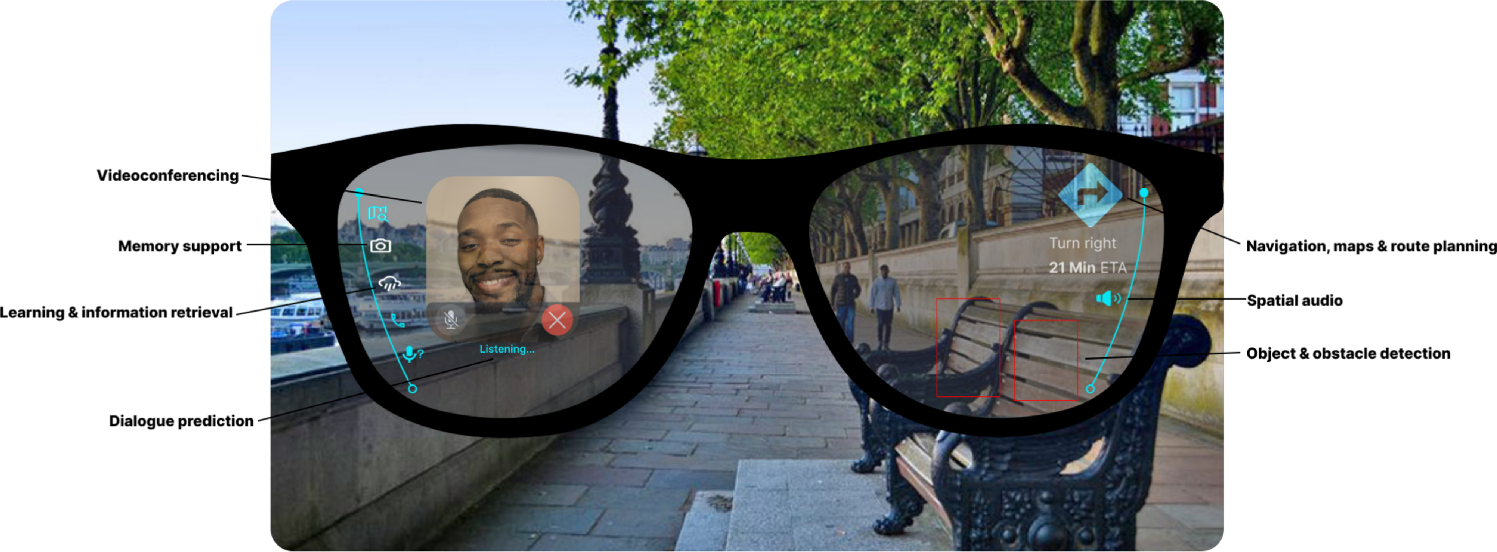
Navigation is another area where Smart Glasses could offer a significant change.
Looking down at a smartphone while walking is already a common habit, but it can distract users from their surroundings. Glasses could provide directions in a way that keeps attention closer to the environment.
For example, a system could provide spoken instructions such as telling you when to turn, while a display could potentially show an indicator pointing toward the correct street.
More advanced systems could combine location information with visual recognition. Instead of simply saying that a destination is nearby, the glasses might help identify the entrance to a building or distinguish between similar streets.
This could be particularly useful in large airports, shopping centers, university campuses, tourist attractions, and unfamiliar city neighborhoods.
Navigation will also need to account for safety. Directions should not encourage users to focus on digital information at the expense of traffic, pedestrians, stairs, bicycles, or other hazards.
Smart Glasses Could Understand What You See
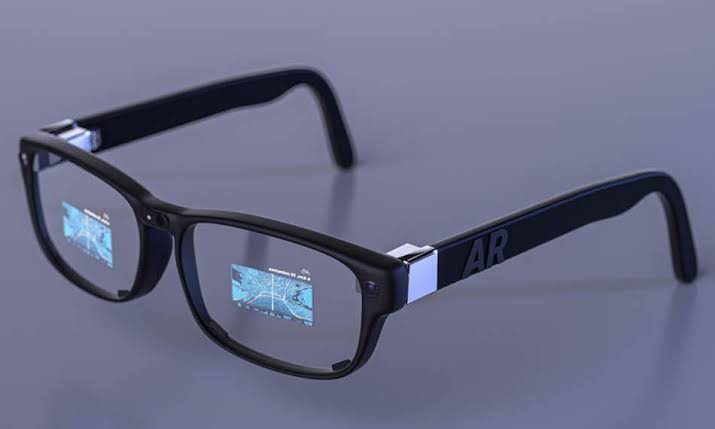
One of the biggest differences between conventional wearable technology and AI powered glasses is visual understanding.
A camera on a pair of glasses can capture information from the wearer's perspective. AI can then analyze that information and potentially provide useful context.
Consider a few everyday examples.
You could point your attention toward a household appliance and ask how to use a particular setting. You could look at a plant and ask for general information about it. You could ask your glasses to read a printed document aloud. During travel, you might ask what an unfamiliar landmark is.
This capability is closely connected to computer vision and multimodal AI, where systems can process different forms of information such as text, images, audio, and spoken questions.
The long term potential is substantial because the AI does not simply respond to words. It can potentially understand the relationship between your question and the environment around you.
Work Could Become More Hands Free

The workplace could be another important market for Smart Glasses.
Imagine a technician working on equipment while receiving instructions without holding a tablet. A warehouse employee could receive information while keeping both hands available. A remote worker could potentially use glasses for quick notifications, voice interactions, or visual information.
For professionals working in the field, hands free access to information could be particularly valuable.
Smart glasses might also assist with meetings. AI could potentially summarize conversations, create reminders, or help users retrieve information during discussions.
There are obvious privacy considerations, especially when cameras and microphones are involved in offices, hospitals, schools, retail environments, or customer facing workplaces. Organizations will need clear rules about when recording or AI analysis is permitted.
Displays Could Become More Useful
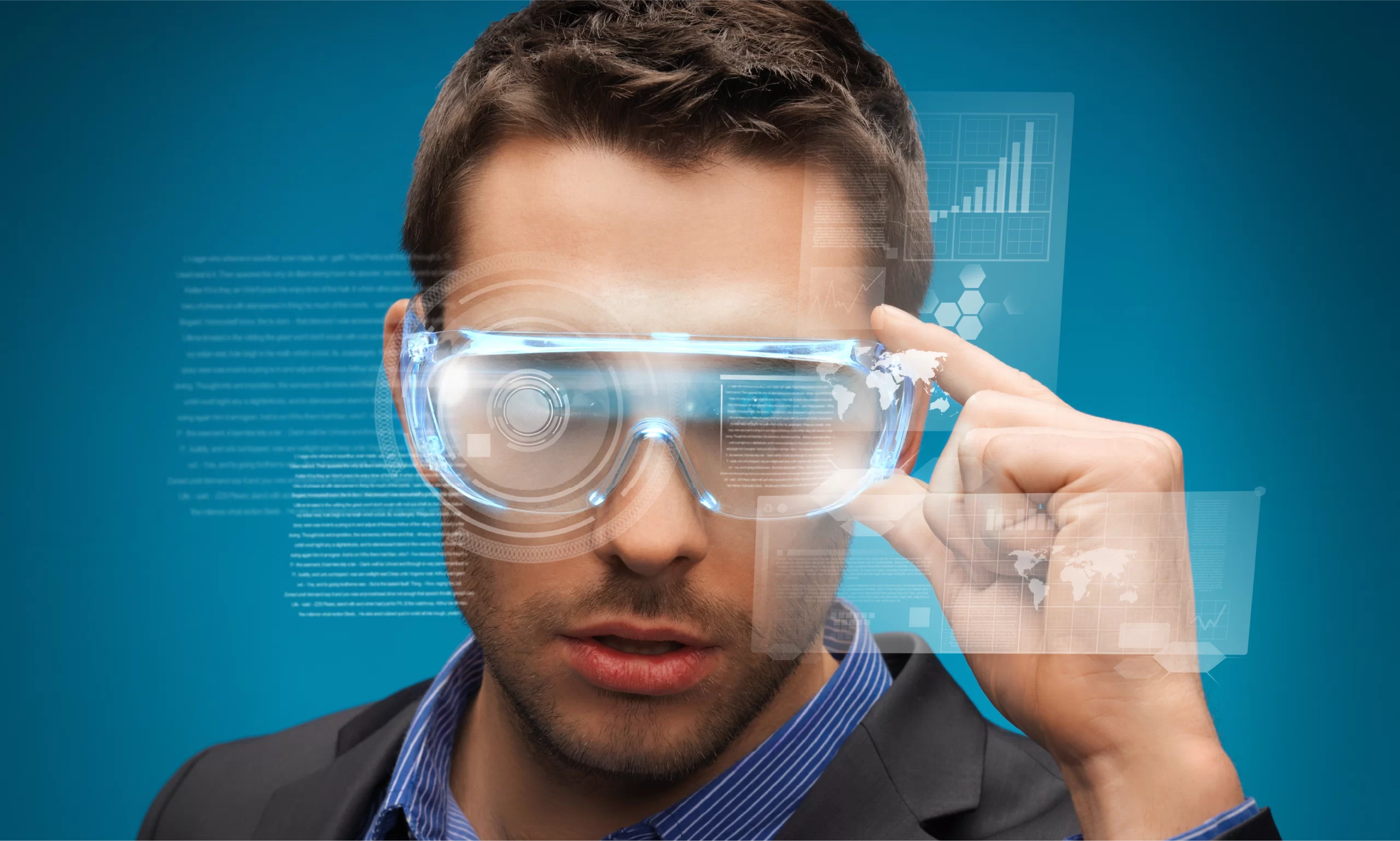
Not all Smart Glasses need a screen. Some current designs focus primarily on cameras, microphones, speakers, and AI. Others explore visual displays that place digital information within the wearer's field of view.
As display technology improves, the difference between traditional smart glasses and augmented reality glasses could become less obvious.
A future display could show navigation indicators, translated text, reminders, notifications, or other contextual information.
The key challenge is avoiding information overload.
A good interface should provide useful information at the right moment without filling the user's vision with notifications. The most successful designs may therefore be selective rather than constantly displaying digital content.
Battery Life Will Remain a Major Challenge
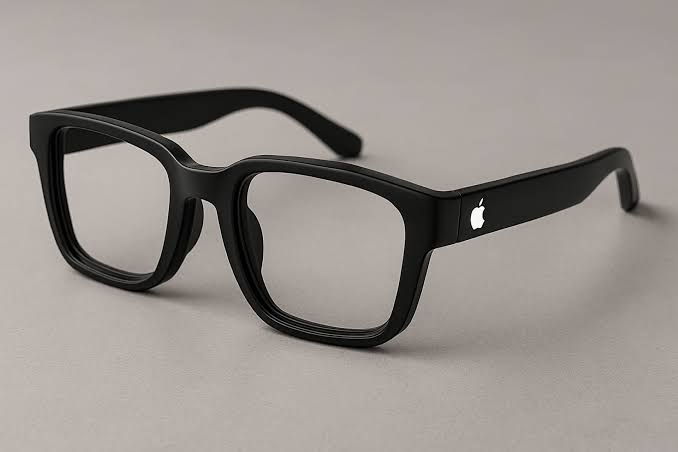
AI processing, cameras, microphones, wireless connectivity, and displays all consume energy.
That makes battery life one of the biggest engineering challenges for future Smart Glasses.
Users expect ordinary glasses to be lightweight and comfortable enough to wear for hours. Adding processors, cameras, speakers, batteries, antennas, and potentially displays makes that much harder.
Manufacturers are therefore likely to continue balancing functionality with weight and battery capacity.
Charging cases could also become increasingly important. Similar to wireless earbuds, glasses could potentially be placed into a case when not being worn so they remain ready for the next use.
Privacy Will Shape the Future
The more capable Smart Glasses become, the more important privacy will be.
A camera mounted at eye level can capture people and places without requiring the wearer to consciously hold a phone. Microphones can also capture conversations, depending on how a device is designed and used.
This creates questions that technology alone cannot solve.
People need to know when glasses are recording. Businesses may need policies for wearable cameras. Users need understandable controls for stored data and AI processing. Manufacturers also need to consider how information is transmitted, processed, and retained.
Visible recording indicators, physical controls, clear privacy settings, and transparent data policies can all contribute to greater trust.
The future of smart eyewear will depend not only on what the technology can do, but also on whether people around the wearer are comfortable with it.
Will Smart Glasses Replace Smartphones?
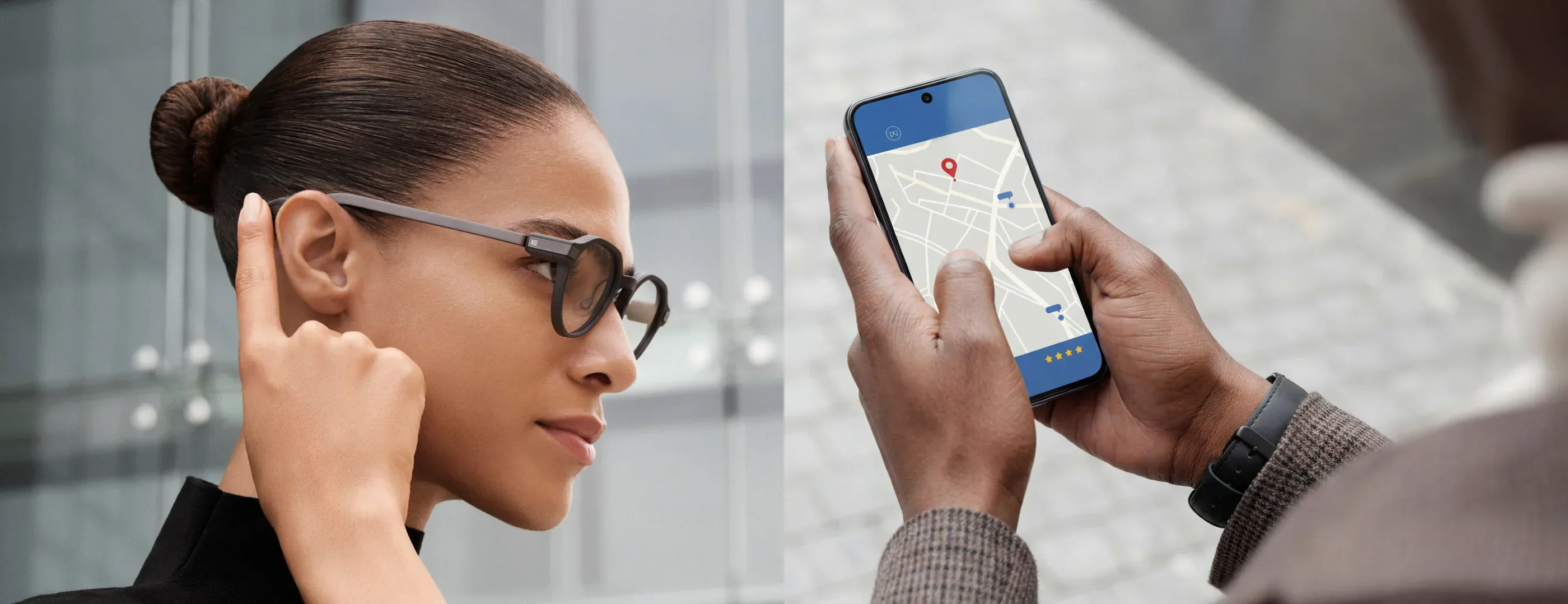
It is tempting to think of Smart Glasses as the next replacement for smartphones. The reality is likely to be more gradual.
Smartphones remain extremely versatile. Their large screens, keyboards, cameras, applications, batteries, and processing capabilities make them useful for complex tasks.
Glasses have a different advantage: they are already positioned where the user's attention is.
That makes them particularly suitable for quick interactions. Asking a question, hearing directions, translating a phrase, receiving a reminder, or getting information about something nearby could become easier through glasses.
For many people, the most realistic future may involve glasses working alongside smartphones rather than replacing them completely.
What the Next Generation of Smart Glasses Could Offer
Several developments could make the next generation considerably more useful.
More Personalized AI
AI assistants could learn preferred communication styles, frequently visited places, schedules, and recurring tasks while giving users more control over personalization.
Better Context Awareness
Future systems may be able to combine location, visual information, conversation, calendar data, and user instructions to provide more relevant assistance.
Faster On Device Processing
Processing more information directly on the glasses could reduce dependence on cloud services for certain tasks while potentially improving responsiveness and privacy.
Improved Translation
Support for more languages, better speech recognition, and improved contextual translation could make international travel easier.
Better Displays
Smaller and more efficient displays could make visual navigation, notifications, and contextual information more practical.
More Natural Interaction
Voice will remain important, but future systems could combine voice, gestures, touch controls, eye direction, and contextual awareness.
What Should You Look For When Buying Smart Glasses?
If you are considering Smart Glasses today, it is worth focusing on practical features rather than futuristic promises.
Look at:
• AI assistant capabilities
• Camera quality and recording controls
• Microphone performance
• Speaker or open ear audio quality
• Battery life
• Charging method
• Smartphone compatibility
• Available AI features in your country
• Privacy controls
• Prescription lens compatibility
• Frame comfort and weight
• Water and dust resistance
• Companion application quality
• Whether important features require an internet connection
A device can have impressive specifications and still be inconvenient if it is uncomfortable or if the features you want are unavailable in your region.
The Future of Smart Glasses Is About Context
The most important development in Smart Glasses may not be a single feature. It is the gradual shift toward context aware computing.
Instead of asking users to stop what they are doing, open an application, search for information, and interpret the results, future glasses could bring relevant information into the moment.
A traveler could receive help understanding a sign. A commuter could hear directions. A professional could access information while working. A shopper could ask questions about something they are viewing. A person learning a new language could receive translation during everyday conversations.
The technology still has significant challenges involving battery life, privacy, accuracy, connectivity, comfort, and cost. Yet the direction is clear. AI is giving wearable devices a much stronger understanding of language, images, and context.
For users, the most meaningful future may not be a world without smartphones. It may be a world where smartphones remain powerful tools while Smart Glasses handle more of the small digital interactions that currently interrupt everyday life.
Smart Glasses Future Checklist
Before following developments in this category, consider these questions:
• Does the device offer the AI capabilities you actually need?
• Can it understand your preferred languages?
• Does it work reliably with your smartphone?
• Are translation and navigation features available in your region?
• Is the battery sufficient for your daily routine?
• Are the frames comfortable for extended wear?
• How does the device handle recordings and personal data?
• Can you use prescription lenses if required?
• Does it offer speakers, cameras, displays, or a combination?
• Are important features dependent on an internet connection?
These questions help separate genuinely useful wearable technology from features that simply sound impressive on a specification sheet.
Frequently Asked Questions
What are Smart Glasses?
Smart Glasses are wearable devices designed to add digital capabilities to conventional eyewear. Depending on the model, they can include cameras, microphones, speakers, AI assistants, connectivity, sensors, or visual displays.
Can Smart Glasses translate languages?
Some smart glasses can support translation related features, while future devices are expected to make real time translation increasingly natural. Availability and capabilities vary by device, software, language, and region.
Can Smart Glasses provide navigation?
Smart glasses can support navigation through audio instructions and, on display equipped models, visual information. The exact experience depends on the hardware and connected software.
Will Smart Glasses replace smartphones?
They may reduce the need to reach for a smartphone for certain quick tasks, but smartphones remain more capable for many complex activities. A combination of both devices is likely to remain useful for many users.
Are Smart Glasses always recording?
Not necessarily. Features vary by model, and users can often control recording. Because cameras and microphones can capture information about other people, understanding the device's recording indicators and privacy settings is important.
What is the biggest challenge for future Smart Glasses?
Battery life, comfort, privacy, processing power, connectivity, and reliable AI performance are among the major challenges. Manufacturers need to balance these factors while keeping glasses practical for everyday wear.
Conclusion
The future of Smart Glasses is increasingly connected to artificial intelligence rather than hardware alone. AI assistants, translation, navigation, computer vision, contextual information, and hands free interaction could turn glasses into a practical everyday interface.
The technology is still developing, and not every promised feature will immediately become part of a reliable consumer product. However, the direction is compelling. As AI becomes faster and more capable, glasses have the potential to make digital assistance feel less like an interruption and more like a natural part of the environment.
For travelers, professionals, commuters, and everyday users, that could represent one of the most interesting developments in wearable technology over the coming years.