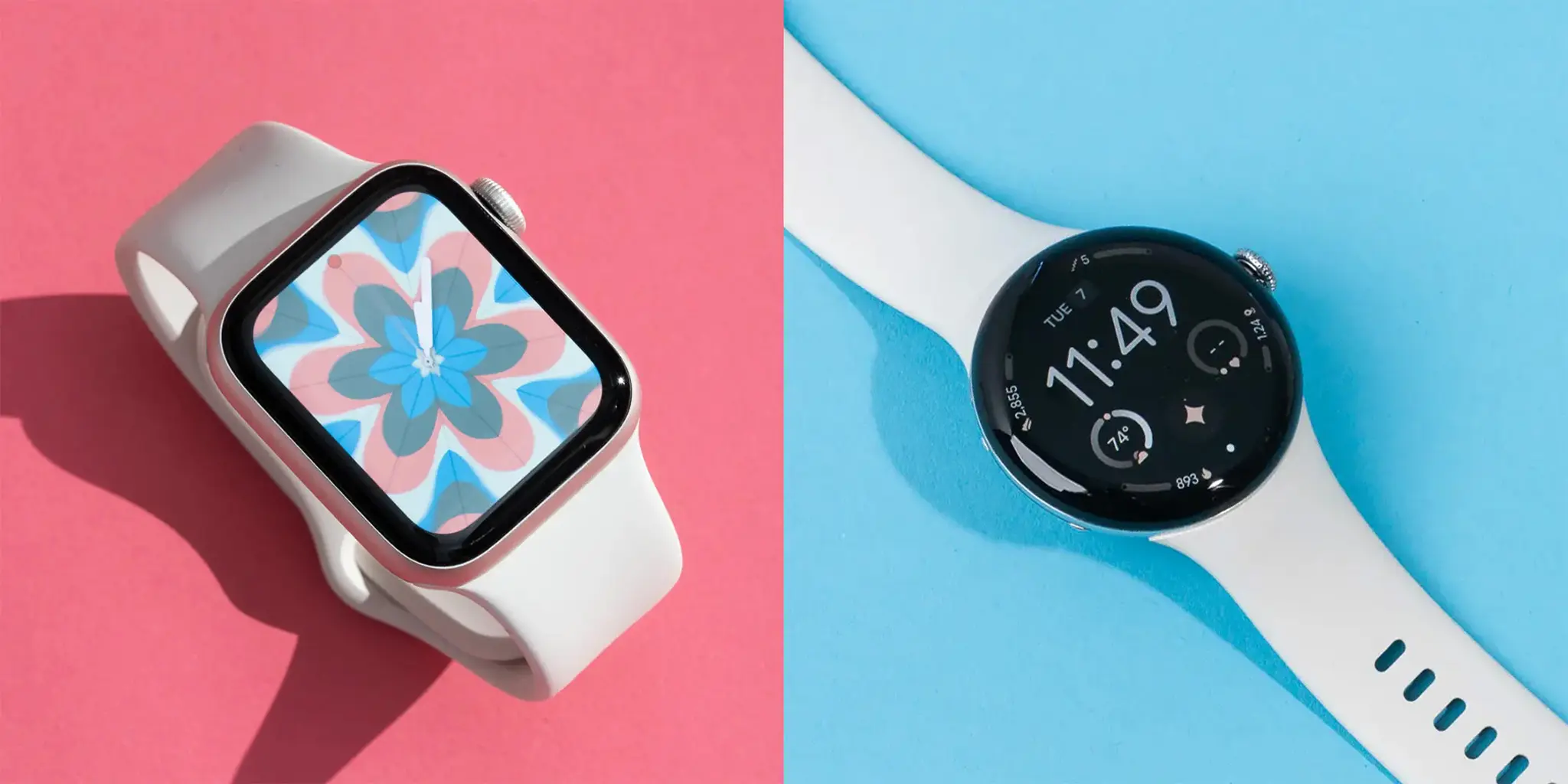
Smartwatches have evolved from simple notification screens into compact personal technology platforms. In 2026, a modern smartwatch can help manage messages, track workouts, monitor sleep, provide navigation, control music, make payments, and connect with a wide range of smartphone applications.
But choosing the right device is not simply about looking at specifications. Compatibility matters.
An excellent smartwatch for an Android phone may not offer the same experience when paired with an iPhone. Some watches are designed around a particular smartphone ecosystem, while others provide broader compatibility with fewer platform specific features.
The best Smartwatches for you therefore depend on the phone you already use, the features you need, and how you expect to wear the device throughout the day.
What Makes a Good Smartwatch in 2026?
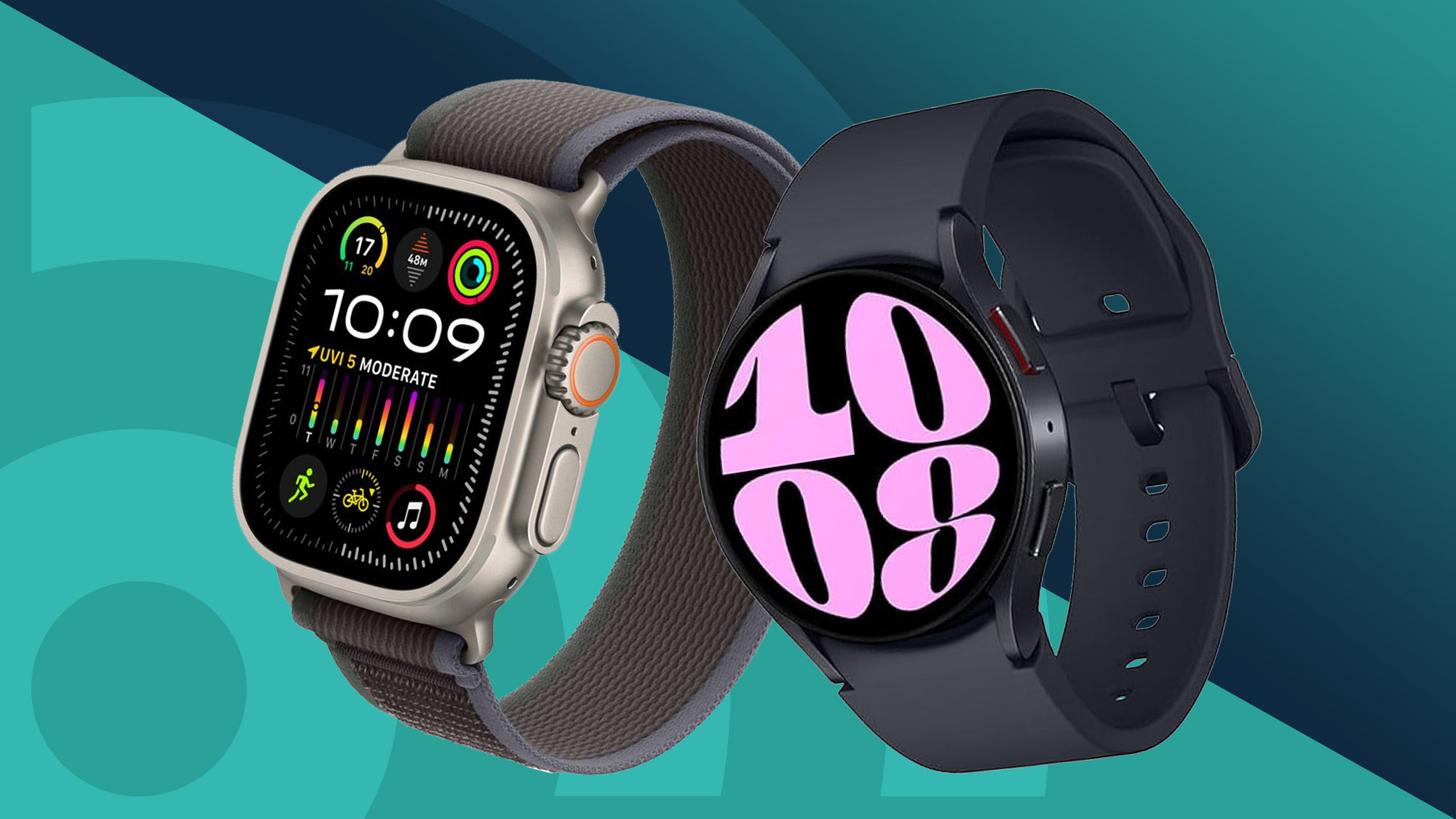
The smartwatch market now includes everything from lightweight fitness focused devices to sophisticated models designed to function almost like miniature smartphones.
Important features include:
• Smartphone compatibility
• Display quality
• Battery life
• Fitness tracking
• Sleep tracking
• Heart rate monitoring
• GPS
• Notifications
• Contactless payments
• Music controls
• App support
• Water resistance
• Voice assistant capabilities
• Emergency and safety features
• Health related sensors where supported
The right combination depends on your priorities. Someone looking for a simple fitness companion may not need the same features as a person who wants a smartwatch to manage work notifications and calls throughout the day.
Smartwatches for Android Users
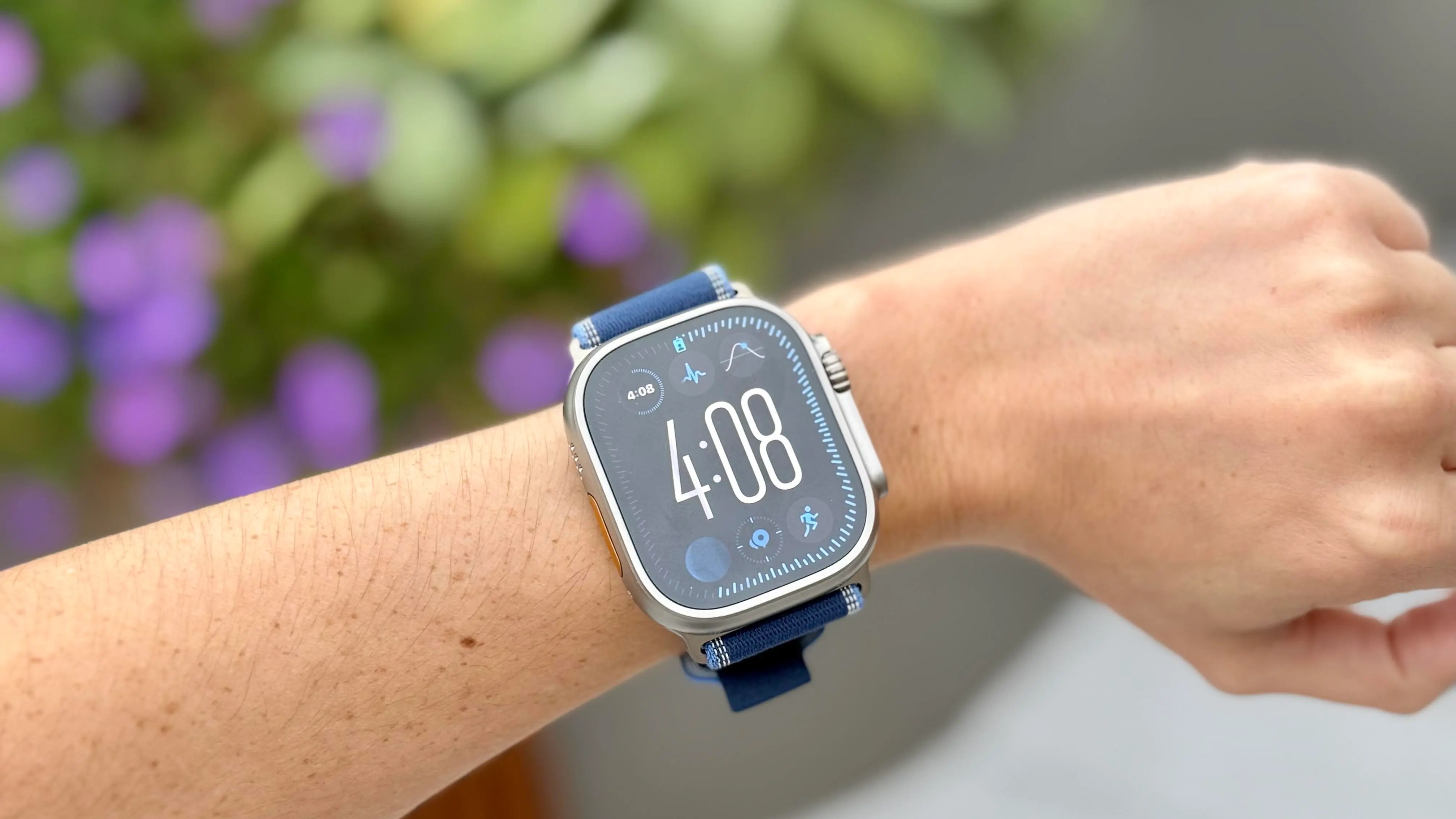
Android users have access to a broad range of smartwatch options.
Wearable platforms designed for Android can provide close integration with notifications, applications, contacts, calendars, navigation, music, and other smartphone functions.
Some Android focused watches also support features such as contactless payments, voice interaction, downloadable applications, and customizable watch faces.
The important thing is to check compatibility with your particular phone. Android itself is used across a wide range of devices, and certain smartwatch features may depend on the phone manufacturer, operating system version, region, or available applications.
If you use an Android smartphone, look beyond the watch itself and consider the complete ecosystem.
Smartwatches for iPhone Users
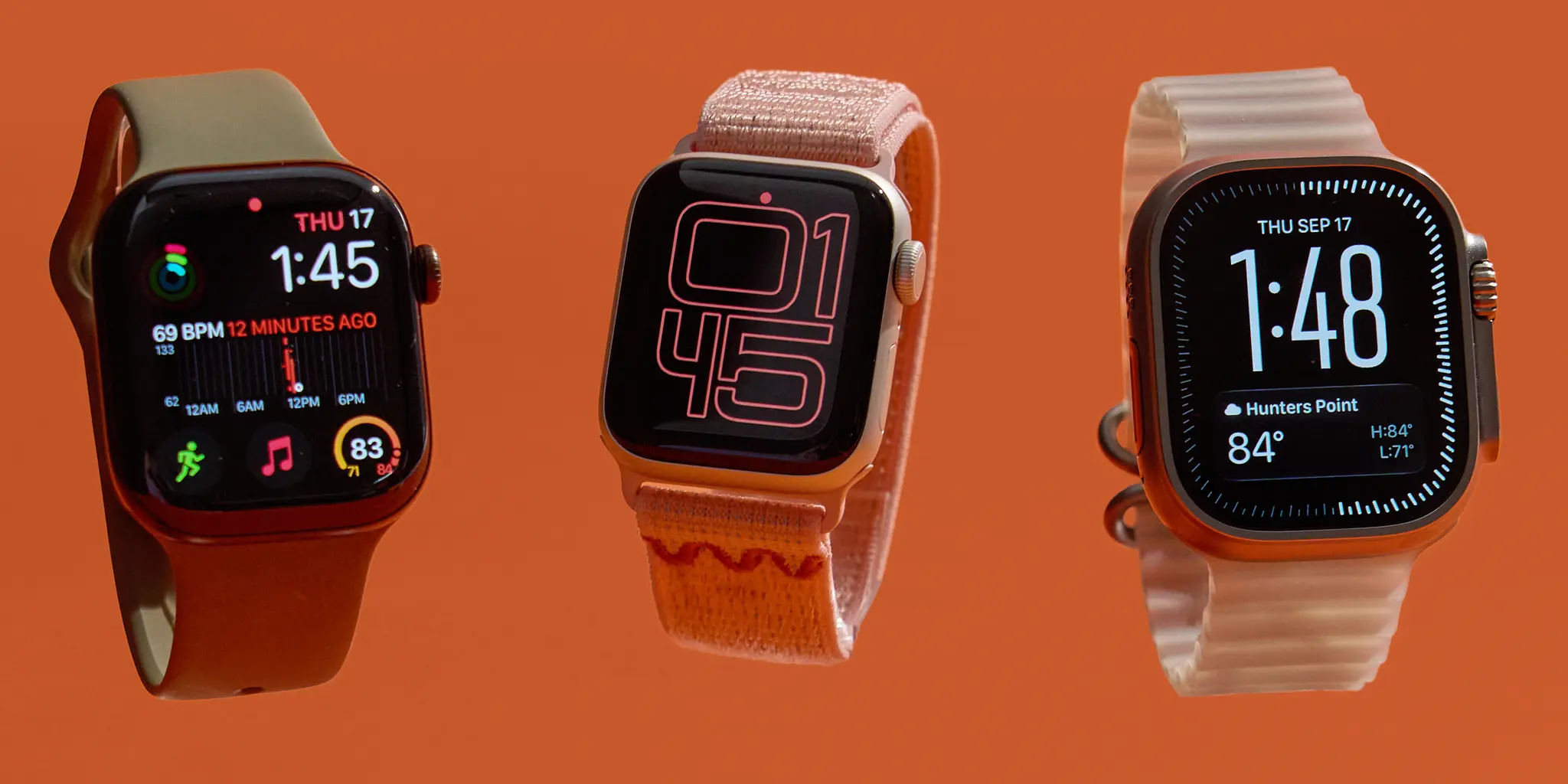
iPhone users should pay particularly close attention to compatibility.
Some smartwatch platforms are designed specifically around Apple's ecosystem and can provide deeper integration with iPhone features.
Other watches may connect to an iPhone but offer more limited functionality. Notifications, applications, messaging, health data synchronization, payments, and other features can vary considerably.
Before buying, check whether the watch supports the exact iPhone model and operating system you use.
It is also worth considering how much integration you want. If you rely heavily on Apple services, a watch built around that ecosystem may provide a different experience from a cross platform device.
Android and iPhone Compatibility Explained
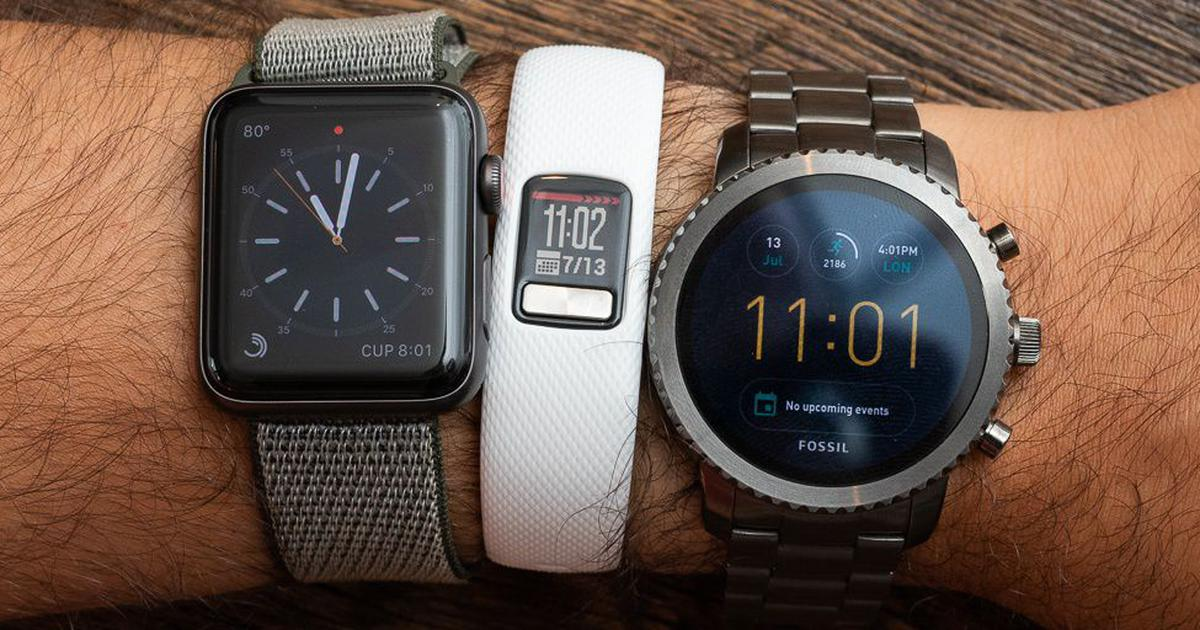
Cross platform compatibility can sound simple, but there is an important distinction between connecting to a phone and fully integrating with it.
A watch may technically work with both Android and iPhone while offering different features on each platform.
For example, a smartwatch may support notifications on both platforms but offer more advanced messaging functions on one. Some applications may also be unavailable depending on the connected smartphone.
When comparing Smartwatches, look at:
• Supported smartphone platforms
• Minimum operating system requirements
• Available applications
• Notification controls
• Calling features
• Messaging support
• Health data synchronization
• Payment services
• Voice assistant availability
• Music controls
This prevents an unpleasant surprise after purchase.
Fitness Tracking Has Become a Core Feature
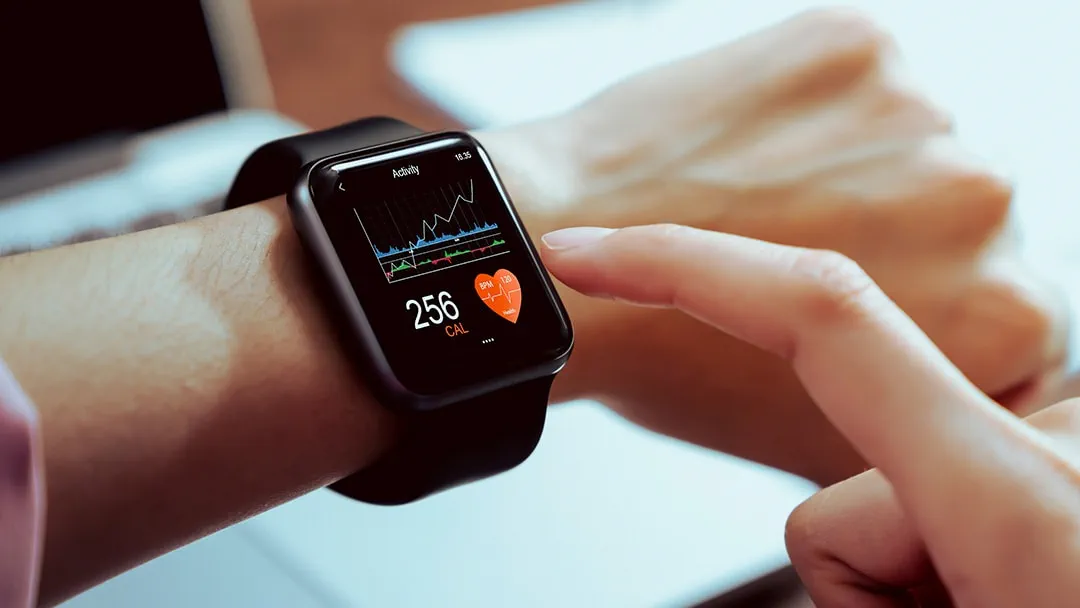
Fitness tracking is now one of the most common reasons people buy Smartwatches.
Depending on the model, users can track activities such as walking, running, cycling, swimming, strength training, and other workouts.
GPS can help record outdoor routes and distance, while motion sensors can identify movement patterns.
Heart rate monitoring can provide additional information during workouts and throughout the day.
For runners and outdoor enthusiasts, GPS accuracy, battery endurance, workout modes, and outdoor visibility may matter more than messaging features.
For casual users, basic activity tracking and simple workout summaries may be enough.
Sleep Tracking Is Becoming More Useful
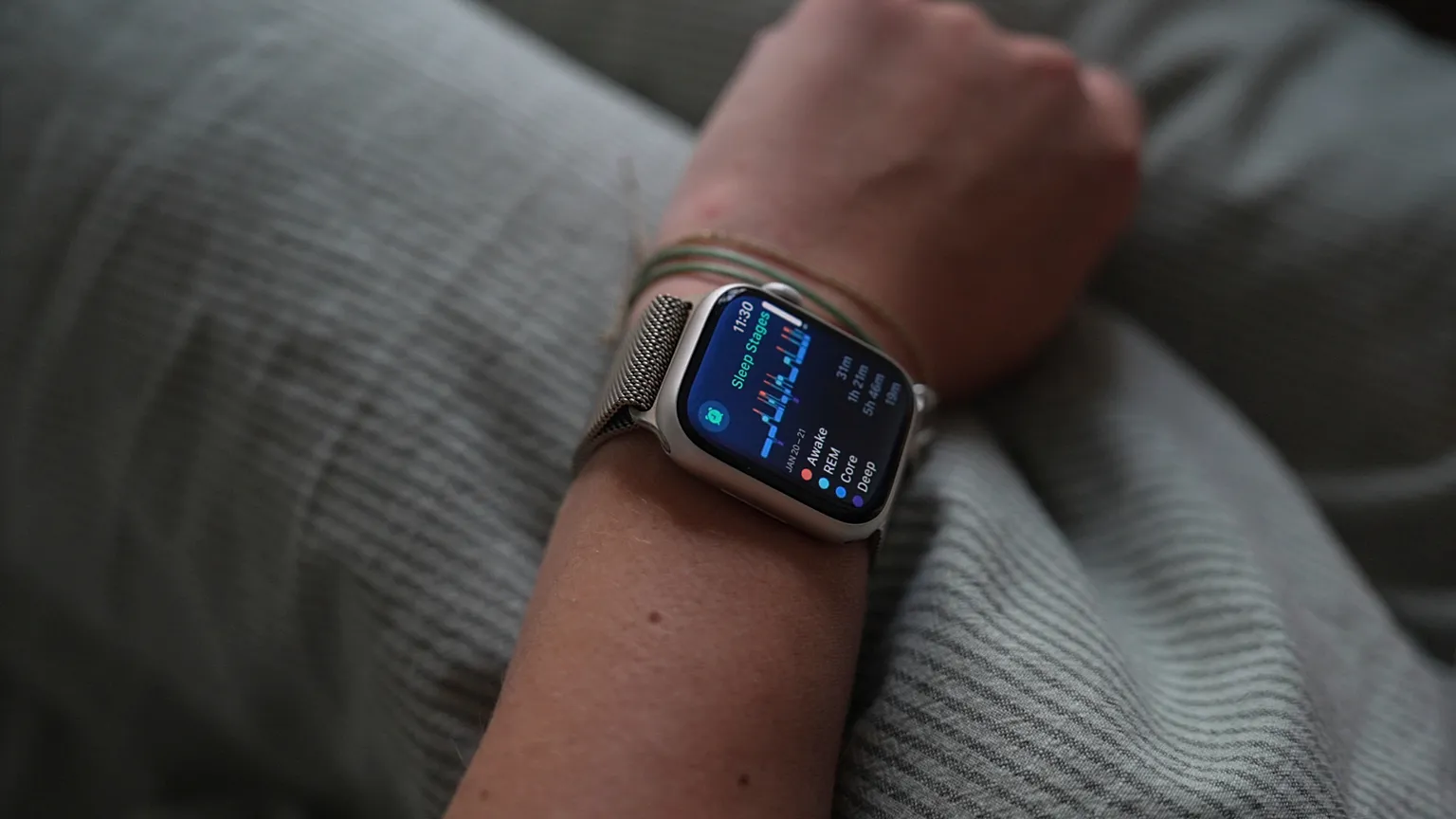
Sleep tracking has become an increasingly common feature across modern Smartwatches.
A compatible watch may collect information about sleep duration, movement, heart rate, and other signals during the night. Some platforms use this information to provide broader sleep summaries and trends.
Comfort is especially important here.
A large or heavy watch may be excellent during the day but inconvenient to wear overnight. If sleep tracking is a priority, consider weight, strap comfort, battery life, and charging requirements.
Longer battery life can also make sleep tracking easier because users do not have to remove the watch every night to recharge it.
Health Features Require Context
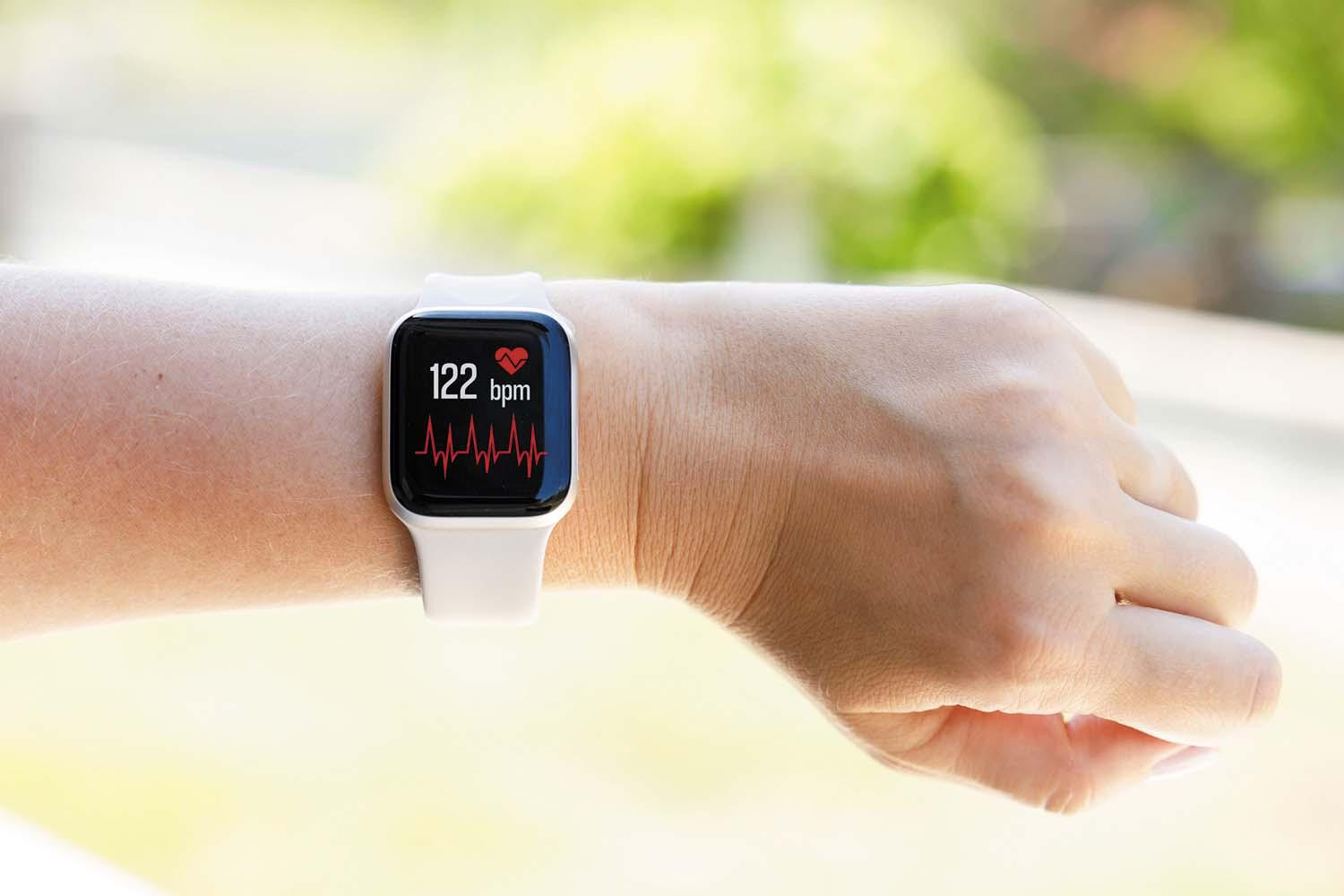
Modern Smartwatches can collect a growing amount of health and wellness related information.
Depending on the model and region, features can include heart rate monitoring, blood oxygen measurements, temperature related sensing, ECG capabilities, irregular rhythm notifications, and other metrics.
These features can be useful for understanding personal trends, but they should not automatically be treated as medical diagnoses.
Sensor results can be affected by fit, movement, skin contact, activity, and other factors.
Anyone using a smartwatch for health related information should understand what the specific feature measures, how the manufacturer describes its intended use, and when professional medical advice is appropriate.
Battery Life Makes a Big Difference
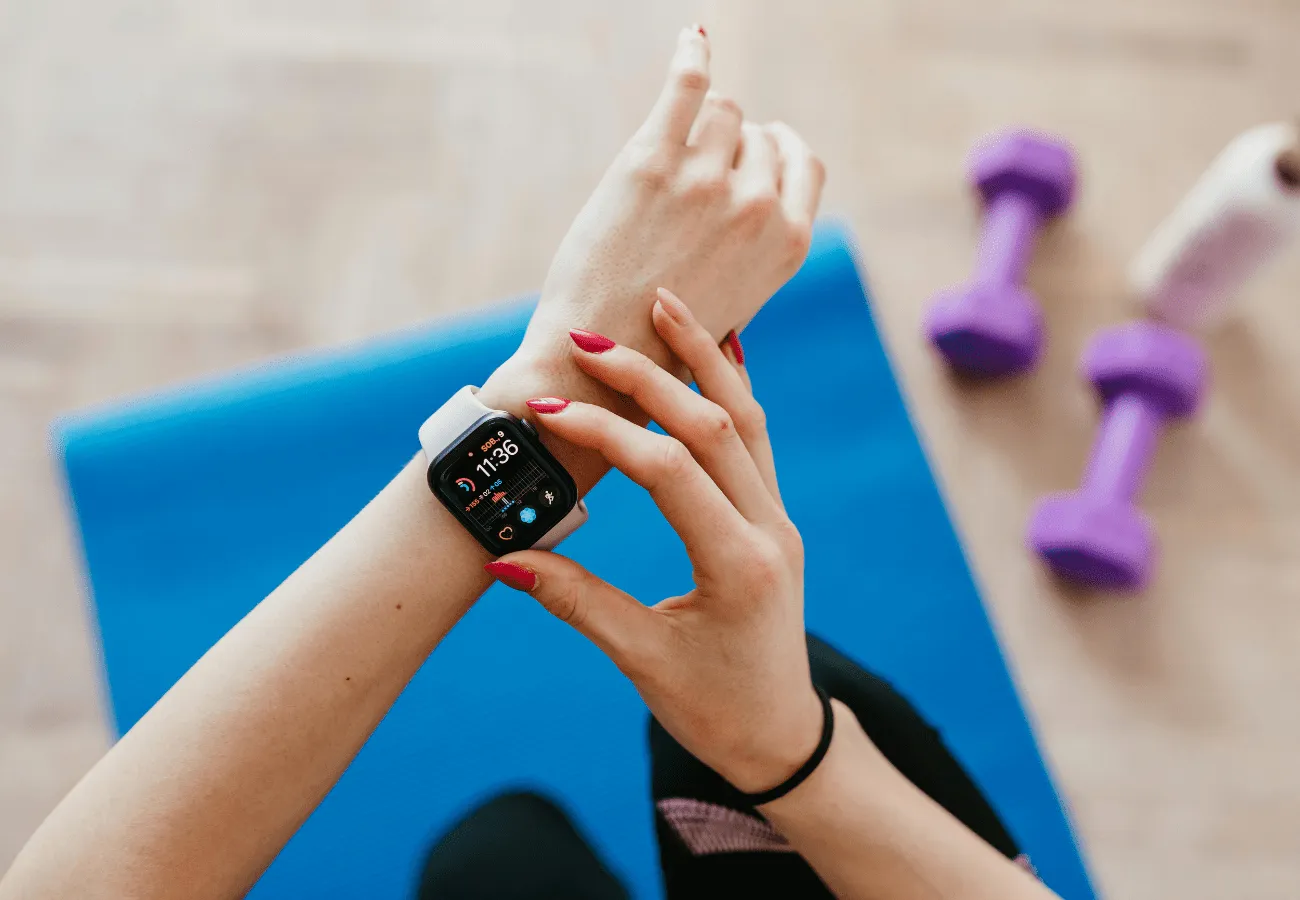
Battery life is one of the biggest differences between smartwatch categories.
Some watches are designed around daily charging, while others can operate for several days or longer depending on settings and usage.
Battery consumption can increase when using:
• GPS
• Cellular connectivity
• Always on displays
• Continuous sensor monitoring
• Frequent notifications
• Music streaming
• Workout tracking
• Advanced display settings
If you want to track sleep every night, battery management becomes especially important. Fast charging can help because you can recharge the watch during a morning routine or shower instead of leaving it off your wrist for hours.
Display Quality and Outdoor Visibility
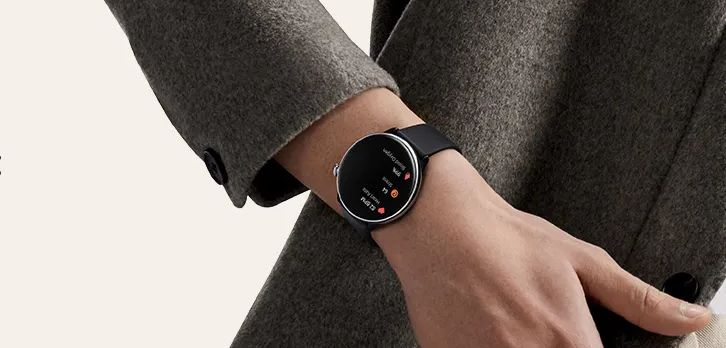
The display is one of the most frequently used parts of a smartwatch.
A high quality display should be easy to read indoors and outdoors. Brightness, contrast, viewing angles, touch responsiveness, and interface design all influence usability.
AMOLED displays are common in premium watches because they can provide strong contrast and vibrant visuals.
Outdoor users should pay particular attention to brightness. A beautiful screen that becomes difficult to read in direct sunlight can be frustrating during running, cycling, or travel.
GPS and Navigation
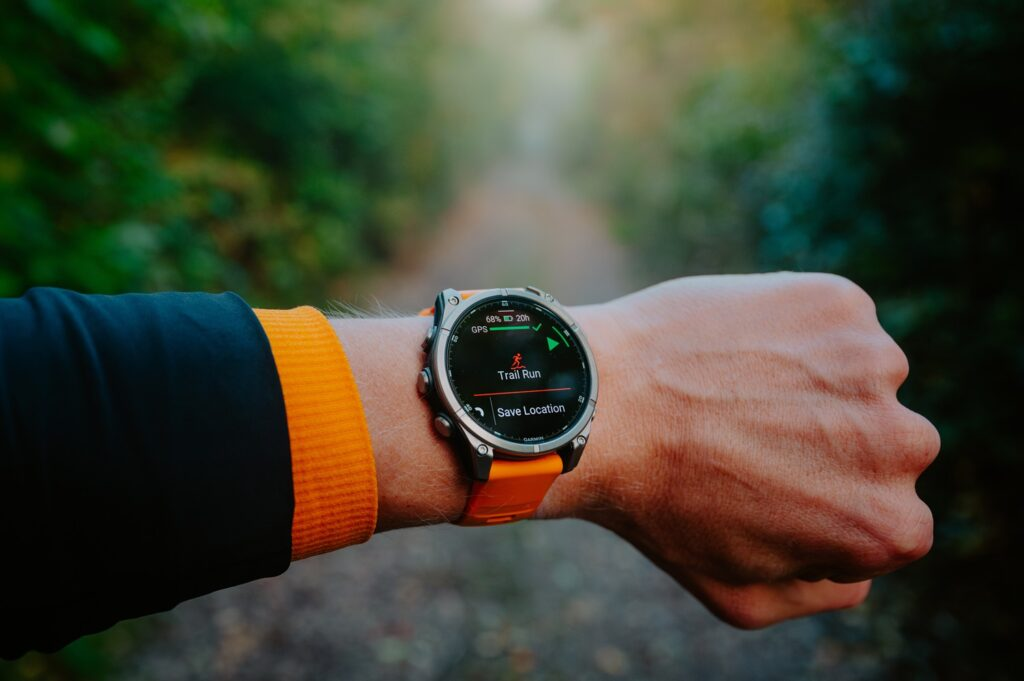
GPS can make a smartwatch particularly useful for outdoor activities.
Runners can record routes and distances. Hikers can use compatible mapping tools. Travelers can sometimes access navigation information without constantly reaching for a phone.
GPS performance varies between devices and environments.
Buildings, trees, terrain, weather conditions, and satellite visibility can all influence positioning.
If accurate outdoor tracking is important, look for a model with a strong GPS implementation and suitable mapping or navigation support.
Notifications and Communication
One of the simplest and most useful smartwatch functions is notification management.
A quick glance at your wrist can tell you whether a message, calendar reminder, email, or application notification needs immediate attention.
Some Smartwatches also support calls and messaging features, although capabilities vary depending on the phone ecosystem and whether the watch has cellular connectivity.
This can reduce the number of times you need to pull out your phone during the day.
However, too many notifications can turn a smartwatch into another source of distraction. Good notification controls are therefore just as important as the ability to receive notifications.
Cellular Connectivity vs Bluetooth
Many watches are available in Bluetooth or cellular versions.
A Bluetooth smartwatch generally relies on the connected smartphone for internet access and certain communication functions.
A cellular model can connect to a mobile network independently, depending on carrier and regional support.
This can be useful when exercising, walking, or running without carrying a phone.
However, cellular models can cost more and may require an additional mobile plan. Battery consumption can also be higher when the watch uses cellular connectivity frequently.
For people who normally keep their phone nearby, Bluetooth may be sufficient.
Smartwatches for Work and Everyday Productivity
Smartwatches can quietly improve everyday productivity.
Calendar reminders can appear on the wrist. Timers can be started quickly. Music can be controlled without reaching for a phone. Navigation directions can be accessed while walking.
For professionals, the ability to filter notifications can be particularly useful.
Instead of responding to every alert immediately, users can glance at their wrist and decide whether something requires attention.
The best experience comes from customizing notifications rather than simply enabling everything.
How to Choose Between Smartwatch Ecosystems
Your smartphone should be the starting point when choosing a smartwatch.
If you use Android, investigate Android compatibility, supported applications, payment services, voice features, and phone integration.
If you use an iPhone, check which functions are available through the watch's iPhone application and which features may be restricted.
Also think about your future plans. If you regularly switch between Android and iPhone, cross platform compatibility could become more important than deep integration with one particular ecosystem.
What to Look For Before Buying
Before purchasing, consider these factors:
• Smartphone compatibility
• Operating system requirements
• Battery life
• Charging speed
• Display quality
• Fitness tracking
• Sleep tracking
• GPS
• Health sensors
• Water resistance
• Notification management
• Calling and messaging
• Cellular connectivity
• App support
• Contactless payments
• Music controls
• Comfort and strap options
• Privacy controls
• Software update support
A smartwatch should fit your routine rather than simply offer the largest number of specifications.
Android or iPhone: Which Smartwatch Should You Choose?
There is no universal smartwatch that suits every smartphone user.
Android users should pay particular attention to compatibility with their specific phone and the availability of applications and ecosystem features they use.
iPhone users should similarly check how deeply a particular watch integrates with Apple's services and what functions are available through third party applications.
If fitness is your main priority, sensor performance, GPS, workout tracking, battery life, and comfort may matter most.
If productivity is your priority, notifications, applications, calls, messaging, and calendar integration may deserve more attention.
For general everyday use, a balanced combination of battery life, comfort, fitness tracking, notifications, and reliable smartphone integration is usually more practical than chasing every advanced feature.
The Future of Smartwatches
The next generation of Smartwatches is likely to become increasingly intelligent and personalized.
AI could help interpret activity patterns, provide more contextual suggestions, improve voice interaction, and make wearable interfaces easier to use.
Health and wellness tracking may also become more sophisticated as sensors and algorithms improve.
At the same time, manufacturers will need to balance increasingly powerful capabilities with battery life, comfort, privacy, and data security.
The most useful future developments may not be the most dramatic ones. Small improvements in battery endurance, sensor accuracy, notification management, charging speed, and software could make smartwatches considerably more practical.
Smartwatch Buying Checklist
Before choosing your next smartwatch, ask:
• Which smartphone do I use?
• Does the watch support my exact phone and operating system?
• How often do I want to charge it?
• Do I want sleep tracking?
• Do I need GPS?
• Will I use it for serious workouts or general activity?
• Do I need cellular connectivity?
• Are calls and messaging important?
• Which health features are actually useful to me?
• Do I need third party applications?
• Is outdoor display visibility important?
• Will I wear it overnight?
• Is the design comfortable enough for all day use?
• How long is the manufacturer expected to support the software?
These questions can narrow down the choices quickly.
Frequently Asked Questions
Can Smartwatches work with both Android and iPhone?
Some Smartwatches support both platforms, but compatibility does not necessarily mean identical functionality. Certain features may be limited depending on the connected smartphone and operating system.
Are Smartwatches useful without a smartphone?
Some cellular models can perform selected functions independently, but most Smartwatches still benefit from being paired with a smartphone for setup, applications, synchronization, updates, and certain connected services.
Can Smartwatches track sleep?
Yes. Many modern Smartwatches include sleep tracking. Features vary by device and may include sleep duration, movement, heart rate, and other measurements.
Do Smartwatches require daily charging?
Not necessarily. Battery life varies significantly between models. Some require frequent charging, while others can operate for several days depending on settings and usage.
Are smartwatch health readings accurate?
Smartwatch sensors can provide useful measurements and trends, but results can vary depending on the sensor, device fit, movement, activity, and other conditions. Health related features should be understood according to the manufacturer's intended use.
Is GPS important on a smartwatch?
GPS can be valuable for runners, cyclists, hikers, travelers, and other outdoor users who want route, distance, or location information without relying entirely on a smartphone.
Should I buy a cellular smartwatch?
Cellular connectivity can be useful if you regularly want to leave your smartphone behind while still receiving calls, messages, or connected services. If your phone is normally nearby, Bluetooth connectivity may be enough.
Conclusion
The smartwatch market in 2026 offers more choice than ever, but the best starting point is still surprisingly simple: consider the smartphone you already use and the way you want the watch to fit into your life.
Android users have a broad selection of devices with different levels of ecosystem integration, while iPhone users can choose from watches designed specifically around Apple's platform as well as selected cross platform alternatives.
Beyond compatibility, consider battery life, comfort, fitness tracking, GPS, sleep monitoring, notifications, applications, health features, and cellular connectivity.
The best Smartwatches are not necessarily those with the longest specification sheet. They are the ones that provide the features you actually use while remaining comfortable, reliable, and easy to manage throughout the day.