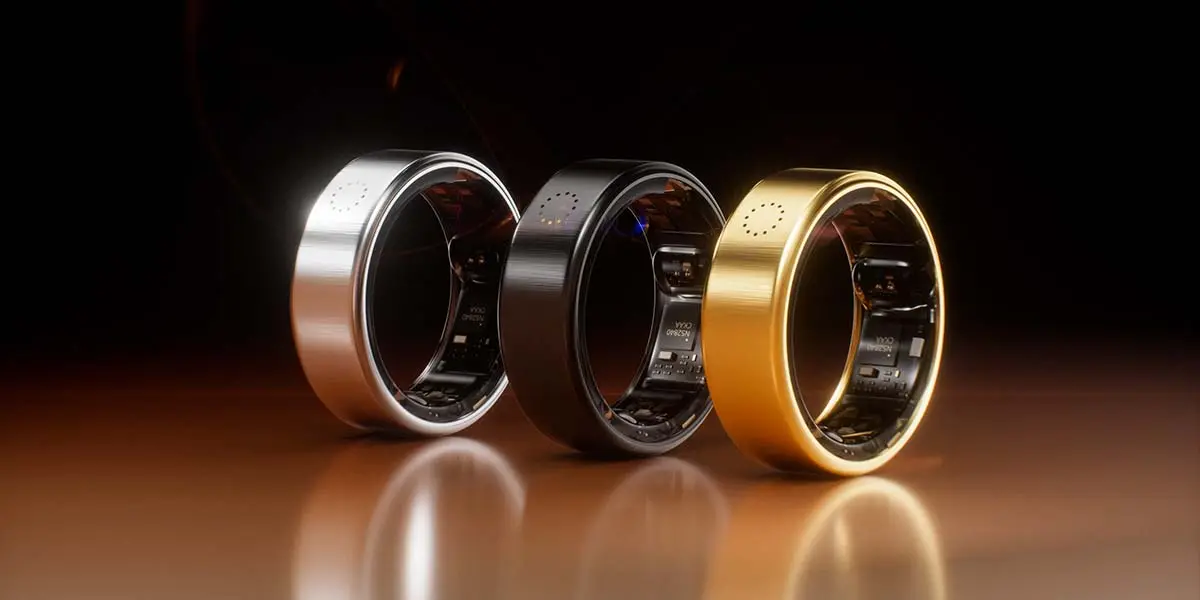
Fitness tracking does not always have to happen on your wrist.
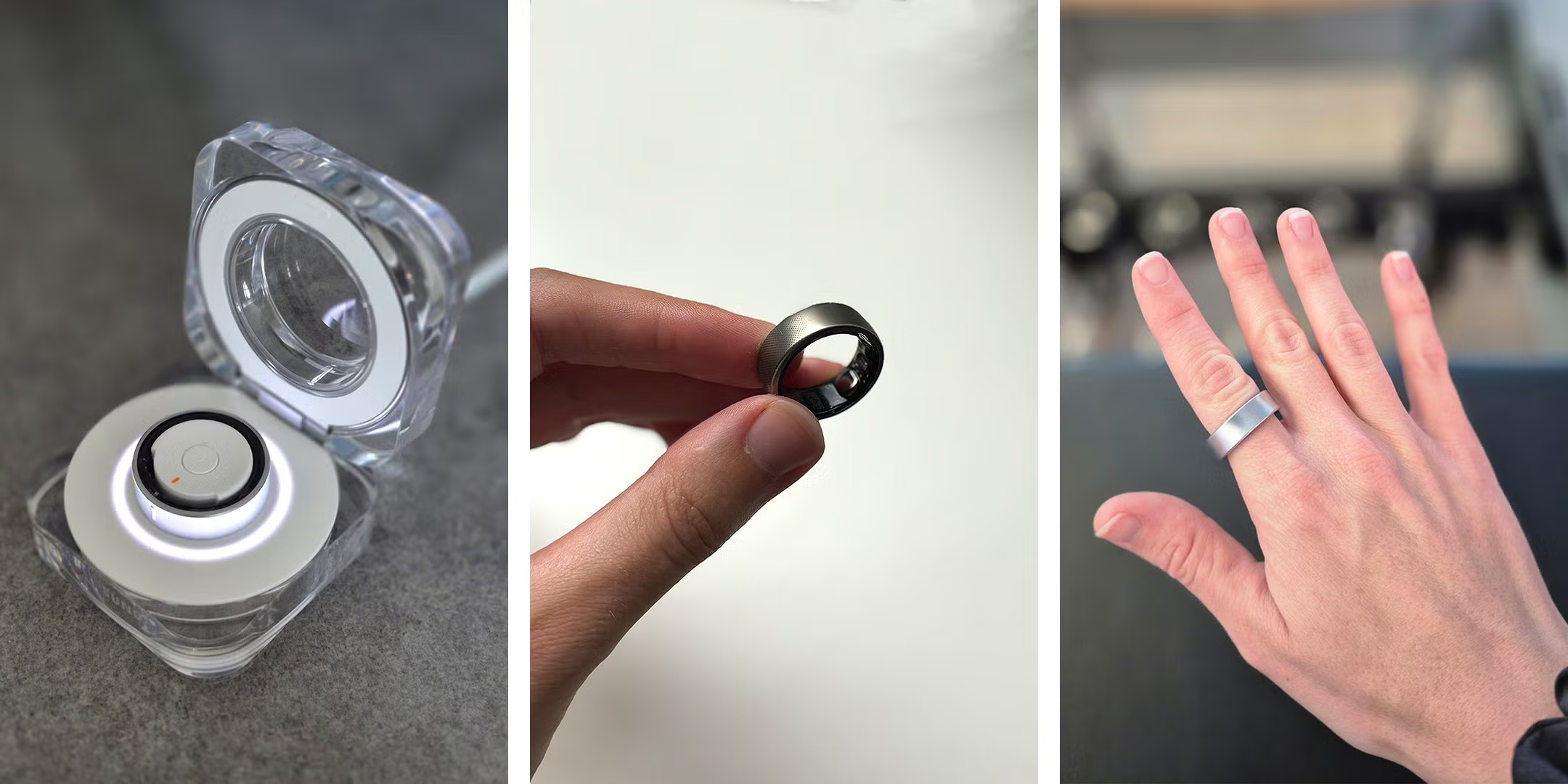
Smart rings have become an increasingly interesting category for people who want to monitor sleep, activity, recovery, and selected health metrics without wearing a traditional smartwatch or fitness band.
The appeal is easy to understand. A smart ring is small, lightweight, and designed to blend into everyday life. Once worn, it can collect information throughout the day and night while requiring very little interaction from the user.
For someone primarily interested in sleep and wellness tracking, that unobtrusive design can be particularly attractive.
However, not all Smart Rings provide the same experience. Sensor technology, battery life, comfort, app quality, activity tracking, subscription requirements, smartphone compatibility, and data privacy can vary considerably.
Choosing the right model therefore requires looking beyond appearance.
What Is a Smart Ring?
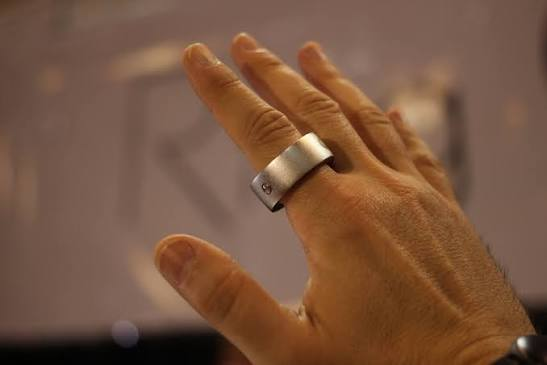
A smart ring is a wearable electronic device designed to collect selected biometric, activity, and wellness information from the finger.
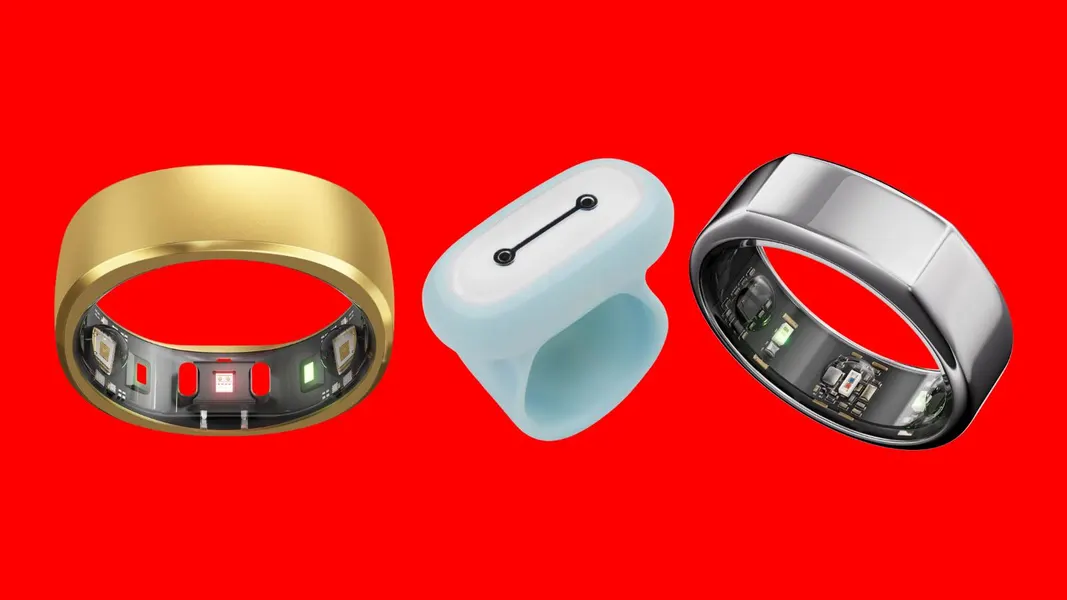
Depending on the product, sensors may be used to monitor information such as heart rate, movement, skin temperature, blood oxygen levels, sleep patterns, and other signals.
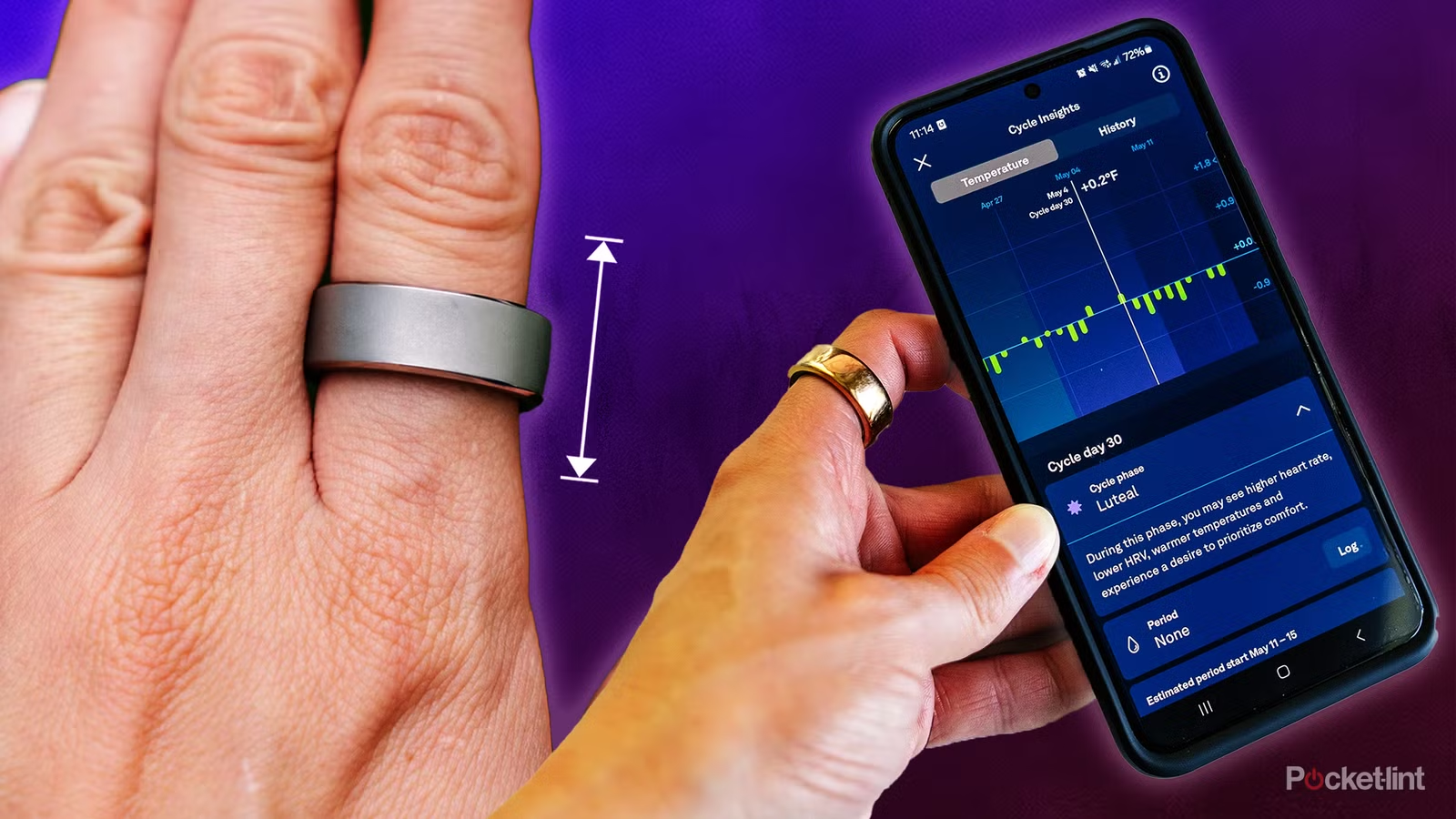
The ring usually synchronizes with a smartphone application where the collected information is organized into charts, scores, trends, and insights.
Unlike a smartwatch, most smart rings have little or no conventional display.
That is intentional.
Rather than constantly showing notifications and information on your wrist, a smart ring generally works quietly in the background.
Why Smart Rings Are Becoming Popular for Sleep Tracking
Sleep is one of the strongest use cases for smart rings.
A ring can be considerably less noticeable during sleep than a larger smartwatch for some users.
That makes consistent overnight wear easier.
Depending on the device, sleep tracking can provide estimates of sleep duration, sleep timing, nighttime movement, heart rate patterns, and other wellness indicators.
Some platforms also create sleep scores or summaries designed to make longer term patterns easier to understand.
The important thing is to focus on trends.
One unusual night's sleep does not necessarily tell you much about your overall routine. Looking at several weeks of information can reveal patterns that are much easier to interpret.
Smart ring sleep data should also be treated as wellness information rather than a substitute for professional sleep assessment.
Sleep Tracking Features to Look For
If sleep is your primary reason for buying a smart ring, consider these features:
• Sleep duration tracking
• Bedtime and wake time estimates
• Sleep stage estimates where supported
• Nighttime heart rate monitoring
• Sleep consistency trends
• Recovery or readiness insights
• Comfortable overnight design
• Long battery life
• Clear historical reports
The companion app matters almost as much as the ring itself.
Collecting large amounts of data is not particularly useful if the application makes that information difficult to understand.
Smart Rings for Fitness Tracking
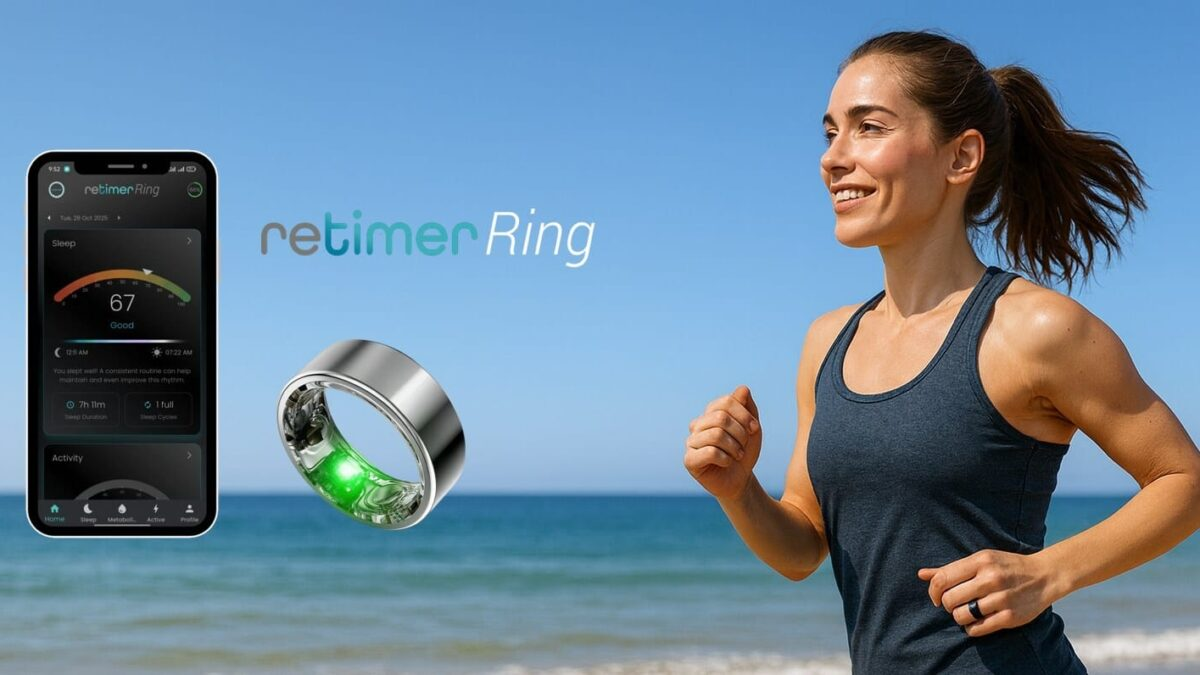
Smart rings can also provide useful everyday activity tracking.
Depending on the model, users may be able to monitor steps, movement, heart rate, workouts, calories, and other activity related measurements.
However, smart rings are generally designed around passive monitoring rather than serving as complete sports computers.
Someone who regularly runs, cycles, swims, or participates in detailed training may require features such as GPS, advanced workout metrics, large displays, and real time exercise information.
A smart ring can still complement those activities, particularly when the goal is to monitor overall activity and recovery rather than interact with the device during a workout.
Heart Rate Monitoring in Smart Rings
The finger can provide a useful location for wearable sensors.
Smart rings commonly use optical sensing technology to gather physiological signals, depending on the device.
Heart rate information can contribute to several areas of the smart ring experience.
It can help estimate exercise intensity, monitor resting patterns, contribute to sleep analysis, and support recovery related insights.
However, sensor readings can be affected by movement, ring position, fit, skin characteristics, and other factors.
For this reason, smart ring measurements should be interpreted as estimates rather than assuming every number is perfectly precise.
Why Ring Fit Is Extremely Important
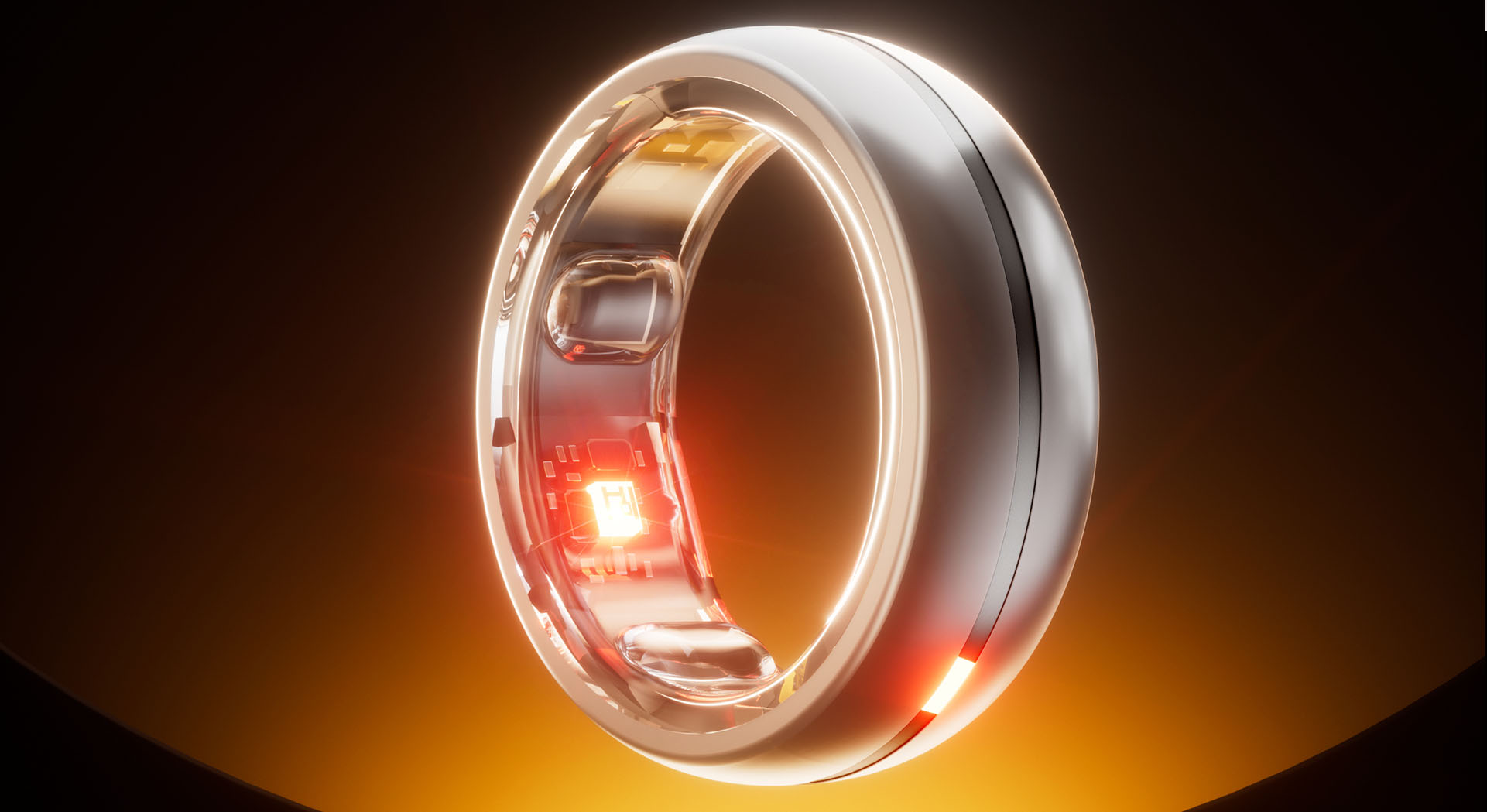
Fit is more important with smart rings than many people initially expect.
A ring that is too tight can become uncomfortable during extended wear.
A ring that is too loose may move around and potentially affect sensor contact.
Finger size can also change throughout the day because of temperature, activity, and other factors.
Many smart ring manufacturers provide sizing systems or sizing kits before purchase.
If a sizing kit is available, using it can be worthwhile.
The ideal fit should feel secure without creating uncomfortable pressure.
Because the ring may be worn during sleep, exercise, work, and daily activities, comfort should be considered a core feature rather than a minor detail.
Battery Life and Charging
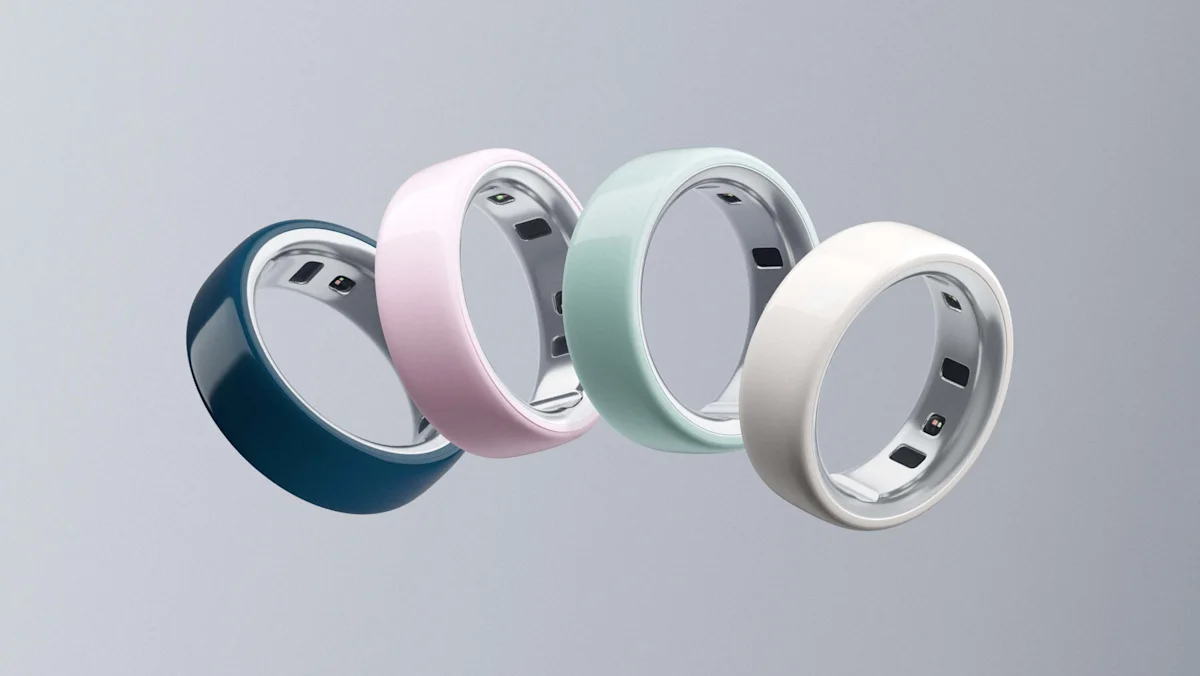
Battery life is particularly important for sleep focused users.
If you have to remove your ring every night to charge it, you lose the ability to collect overnight information.
Different Smart Rings offer different battery capacities and charging systems.
Actual battery life can depend on sensor usage, software features, temperature, synchronization, and other factors.
A good routine might involve charging during a convenient period when the ring is least likely to be needed.
For example, someone could charge it while showering or during another part of the day when continuous tracking is not important.
The best charging routine is the one that fits naturally into your lifestyle.
Smart Rings vs Smartwatches
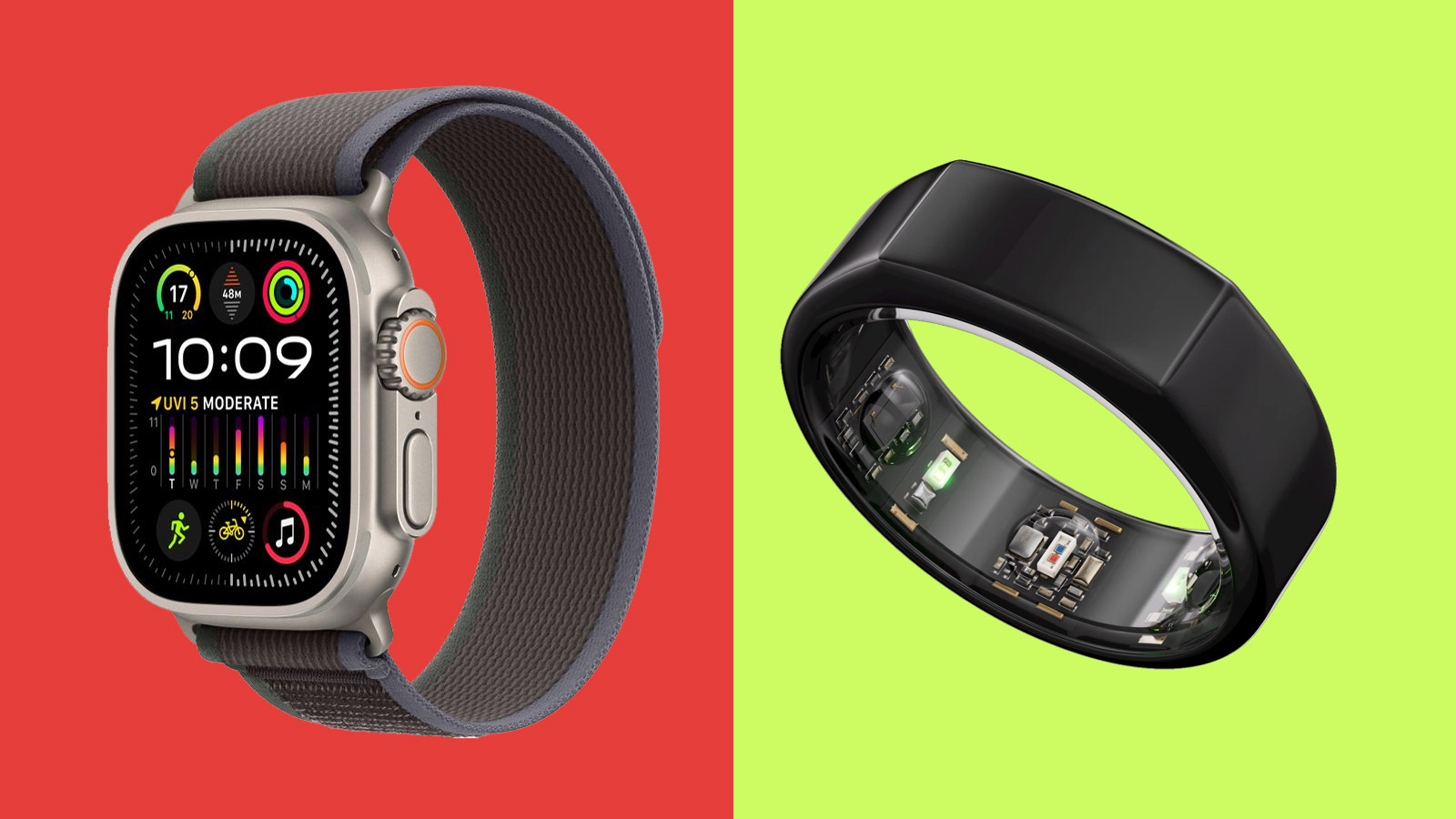
Smart rings and smartwatches overlap in several areas, but they are designed around different experiences.
Feature | Smart Ring | Smartwatch |
|---|---|---|
Sleep tracking | Strong focus on many models | Strong |
Activity tracking | Good | Strong |
Display | Usually none | Yes |
Notifications | Usually limited or none | Extensive |
GPS | Often dependent on smartphone or absent | Common on advanced models |
Battery life | Often several days | Varies significantly |
Size | Very compact | Larger |
Workout interaction | Limited | More extensive |
Everyday comfort | Very discreet | More noticeable |
Smartphone app | Central to experience | Important |
A smart ring can be appealing if you want passive tracking without a screen.
A smartwatch can be more suitable if you want detailed workout interaction, navigation, notifications, calls, apps, and real time information.
Smart Rings for Recovery and Readiness
Recovery has become an increasingly important part of fitness technology.
Training is only one part of a fitness routine. Sleep, rest, and everyday activity can also influence how someone feels and performs.
Smart ring platforms may combine information from sleep, heart rate, movement, and other sensors to create recovery or readiness insights.
These features can help users see patterns.
For example, someone might notice that demanding workouts are followed by lower readiness measurements when sleep is shorter.
The important distinction is that these scores are algorithmic interpretations.
They should not be treated as definitive measurements of physical condition or medical status.
Temperature Tracking and Wellness Insights
Some Smart Rings include sensors capable of monitoring changes related to skin temperature.
Temperature information can contribute to sleep, recovery, and broader wellness insights.
The most useful interpretation is often relative rather than absolute.
Instead of focusing on a single temperature measurement, a platform may look for changes compared with an individual's usual pattern.
Because environmental conditions and other factors can influence skin temperature, these readings should not automatically be interpreted as measurements of core body temperature or medical conditions.
Water Resistance and Everyday Wear
A wearable designed for continuous use needs to handle everyday situations.
Depending on the product, this can include washing hands, showering, exercise, rain, and swimming.
However, water resistance ratings differ between models.
If you plan to swim while wearing the ring, check the manufacturer's specific water resistance information rather than assuming that every model is suitable.
Also consider exposure to soaps, chemicals, salt water, and other substances.
Following the manufacturer's care instructions can help protect the device over time.
Smart Ring Apps Can Make or Break the Experience
The ring itself is only one part of the ecosystem.
Most of the useful information appears inside the companion application.
Look for software that organizes information into understandable categories.
A well designed app might show:
• Daily activity
• Sleep trends
• Heart rate information
• Workout history
• Recovery insights
• Long term changes
• Goals and progress
• Device battery information
The best interface is not necessarily the one with the most charts.
It is the one that helps you understand what the information means without requiring a technical background.
Subscription Costs Are Worth Checking
Some smart ring ecosystems use subscription plans for certain advanced insights.
This can significantly affect the overall cost of ownership.
Before buying, check which features are included with the hardware and which require an ongoing subscription.
Consider the total cost over several years rather than looking only at the initial purchase price.
If you primarily want basic activity and sleep information, a subscription based ecosystem may provide more features than you need.
On the other hand, users who value detailed historical analysis may find additional software capabilities useful.
Privacy and Smart Ring Data
Smart rings can collect highly personal information.
Activity patterns, sleep routines, heart rate information, and other wellness measurements can reveal details about everyday behavior.
Before choosing a product, review the manufacturer's privacy documentation.
Pay attention to:
• What information is collected
• Where data is stored
• How information is synchronized
• Whether data is shared with third parties
• Account security controls
• Data deletion options
• Whether information can be exported
Privacy should be part of the purchasing decision, particularly when a device is designed to collect information continuously.
How Accurate Are Smart Rings?
Accuracy depends on the measurement.
Step counting, heart rate monitoring, sleep estimation, and other metrics each present different technical challenges.
Fit also matters.
A ring that moves significantly on the finger may produce different readings from one that maintains consistent sensor contact.
Algorithms can improve interpretation, but they cannot completely eliminate limitations in the underlying measurements.
For everyday wellness tracking, trends can often be more useful than individual readings.
If a wearable produces information that concerns you or suggests a potential health issue, use appropriate professional medical guidance rather than relying solely on the ring.
Who Should Consider a Smart Ring?
Smart rings can be particularly interesting for people who:
• Prioritize sleep tracking
• Want discreet wearable technology
• Prefer not to wear a smartwatch
• Want passive activity monitoring
• Care about recovery trends
• Prefer a screen free wearable
• Want long periods of continuous wear
• Already use a smartphone based health ecosystem
They may be less suitable for users who need extensive real time workout information, built in navigation, large notifications, or frequent interaction during exercise.
What to Look for When Buying Smart Rings
Before buying, consider the entire experience.
Comfort
Can you comfortably wear it during sleep and exercise?
Sizing
Does the manufacturer provide a sizing kit or detailed sizing guidance?
Sensors
Which measurements are actually supported?
Sleep Tracking
Does the platform provide useful sleep trends rather than simply a collection of numbers?
Fitness Features
Does it track your preferred activities?
Battery
How frequently will you need to charge it?
Smartphone Compatibility
Does the app work properly with your phone?
Subscription
Are important features locked behind a recurring payment?
Water Resistance
Can it handle your normal activities?
Privacy
How does the company store and process your personal data?
Software Support
Does the manufacturer regularly improve its application and wearable software?
Smart Ring Buying Checklist
Before making a purchase, ask:
• Is the ring comfortable enough for overnight wear?
• Have I chosen the correct size?
• Does it track the activities I care about?
• Does it provide the sleep information I want?
• How long does the battery last?
• How does it charge?
• Does it work with my smartphone?
• Are advanced insights included or subscription based?
• Is it suitable for swimming or other water exposure if needed?
• How does the manufacturer handle personal data?
• Can I access my historical information?
• Does the company provide ongoing software support?
• Am I buying it for passive wellness tracking or detailed workout performance?
Frequently Asked Questions About Smart Rings
What can a smart ring track?
Depending on the model, a smart ring can track activity, steps, heart rate, sleep, movement, skin temperature, workouts, and other wellness related measurements.
Are Smart Rings good for sleep tracking?
They can be useful for monitoring sleep patterns because their small size makes continuous overnight wear relatively convenient. However, their sleep measurements are estimates and should not be treated as clinical sleep testing.
Are smart rings better than fitness bands?
They offer different experiences. Smart rings are generally smaller and more discreet, while fitness bands often provide a display and more visible workout information.
Can a smart ring track workouts?
Many models can track selected workouts and activity. However, the depth of workout features varies, and users who need extensive real time exercise information may prefer a smartwatch or dedicated fitness device.
Do Smart Rings need a phone?
Most depend on a smartphone application for setup, synchronization, detailed analysis, and historical information, although some tracking can happen directly on the ring.
How long does a smart ring battery last?
Battery life varies by model and usage. Sensor activity, synchronization, temperature, and other functions can affect how long the ring operates between charges.
Can I wear a smart ring while sleeping?
Many are specifically designed for continuous wear, including overnight use. Comfort and the manufacturer's usage recommendations should always be considered.
Are smart ring health measurements accurate?
Accuracy varies by device, metric, sensor design, fit, and activity. Wearable measurements are generally best viewed as wellness estimates and trends rather than definitive medical measurements.
Do smart rings require subscriptions?
Some ecosystems offer optional or required subscription plans for certain advanced features. Check the current pricing and included features before purchasing.
Final Thoughts
Smart rings represent an interesting evolution in wearable technology.
Instead of placing a screen and extensive controls on your wrist, they focus on discreet, continuous data collection.
For sleep tracking, that can be particularly appealing because a lightweight ring may be easier to wear throughout the night.
For fitness and everyday wellness, Smart Rings can provide activity information, heart rate measurements, recovery insights, and longer term trends depending on the model.
The right choice comes down to more than sensor count.
Comfort, sizing, battery life, app quality, fitness features, privacy, subscription costs, and software support can all determine whether a smart ring becomes a useful part of your daily routine.
If your priority is passive sleep and wellness tracking in a compact form, a smart ring can be an appealing alternative to a traditional smartwatch or fitness band. The key is to choose a device whose capabilities match the information you actually want to understand.