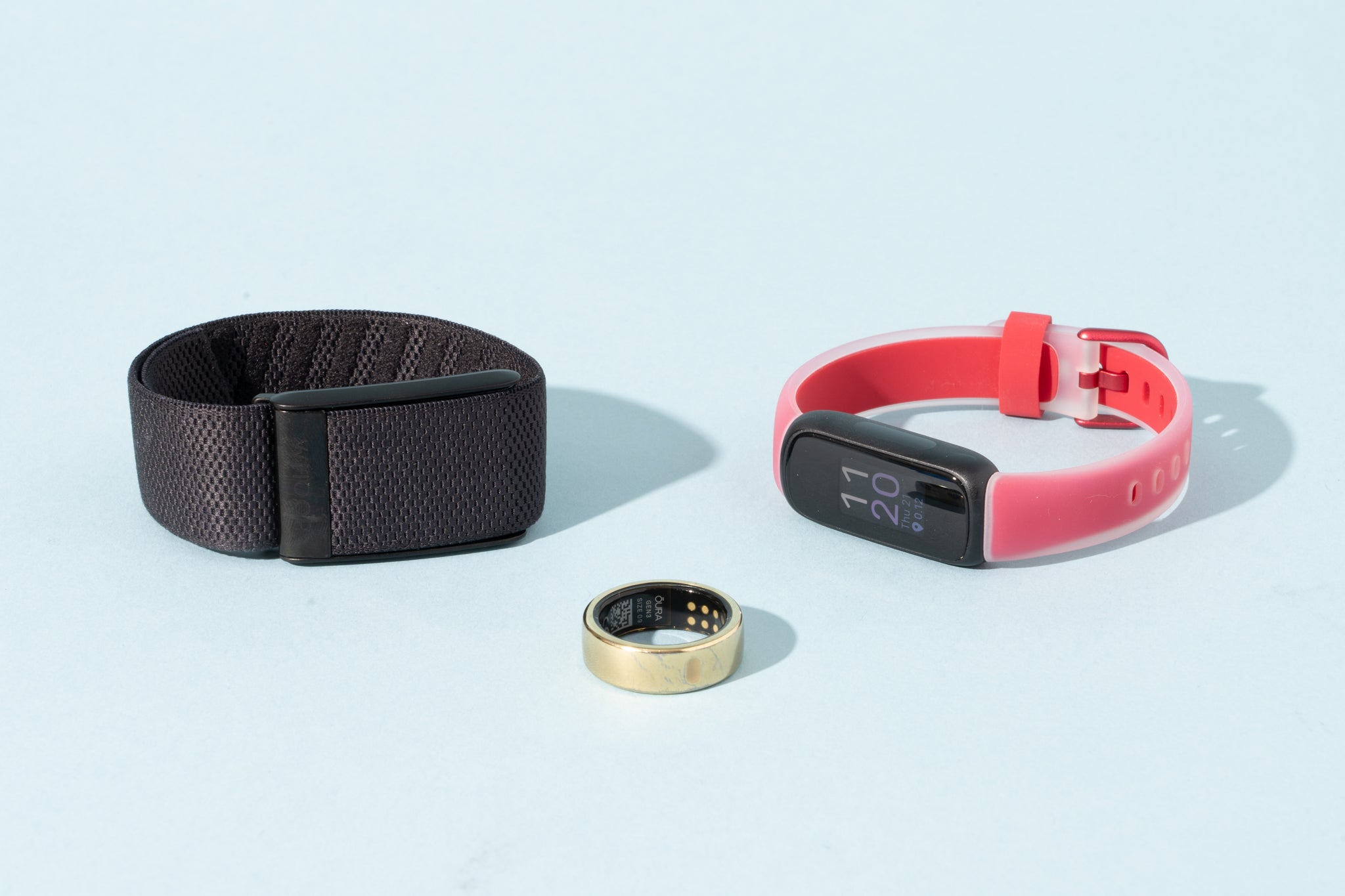
Fitness tracking has moved well beyond counting daily steps.
Today’s wearable devices can help people understand how much they move, how consistently they sleep, how often they exercise, and how their daily routines change over time. For many users, the appeal is not about checking a number every few minutes. It is about seeing patterns that can encourage healthier everyday habits.
That makes choosing the right fitness wearable an important decision.
The market includes simple activity trackers, advanced fitness bands, smartwatches, and wearable devices focused heavily on sleep and recovery. Some prioritize long battery life, while others offer detailed workout information, heart rate monitoring, connected GPS, notifications, and broader health tracking features.
When comparing a Fitness Brand, it is useful to look beyond appearance and advertised features. Comfort, sensor capabilities, software quality, data presentation, battery life, compatibility, and the type of activities you actually perform can all influence whether a wearable becomes something you use every day.
What Is a Fitness Band?
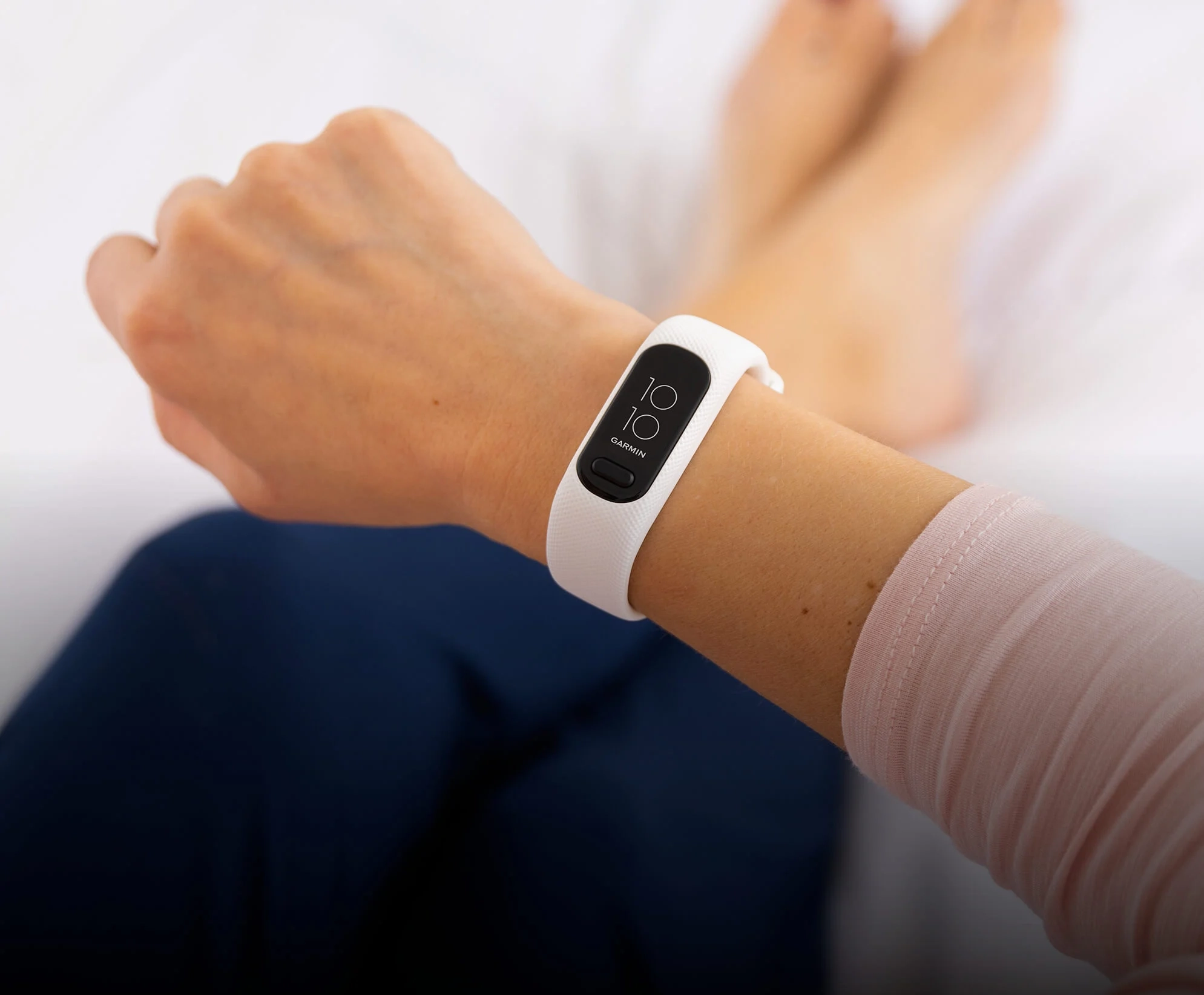
A fitness band is a wearable device designed primarily to track activity and selected health related metrics.
Depending on the model, it may record steps, distance, calories, heart rate, sleep patterns, workouts, blood oxygen measurements, stress related indicators, or other wellness information.
Most fitness bands connect to a smartphone through a companion application. The application typically turns individual measurements into longer term trends, allowing users to review their activity and sleep over days, weeks, or months.
The key difference between a fitness band and a traditional watch is the emphasis on health, activity, and wellness data.
Some modern bands have become increasingly sophisticated, while remaining smaller and lighter than many full size smartwatches.
Why Sleep Tracking Has Become So Important

Sleep is one of the most useful areas to explore when choosing a fitness tracker.
A wearable may estimate when you fall asleep, when you wake up, and how long you spend asleep. Some devices also provide estimates related to different sleep stages and nighttime movement.
The real value comes from looking at trends rather than treating one night's reading as a definitive measurement.
For example, someone might notice that their sleep duration changes significantly on workdays compared with weekends. Another person may discover that their bedtime becomes inconsistent during busy periods.
A fitness tracker can make these patterns easier to see.
It is important to remember that consumer wearables are not substitutes for clinical sleep testing or professional medical evaluation. Their measurements are best treated as wellness information that can help users understand their routines.
Features to Look for in a Sleep Focused Fitness Band
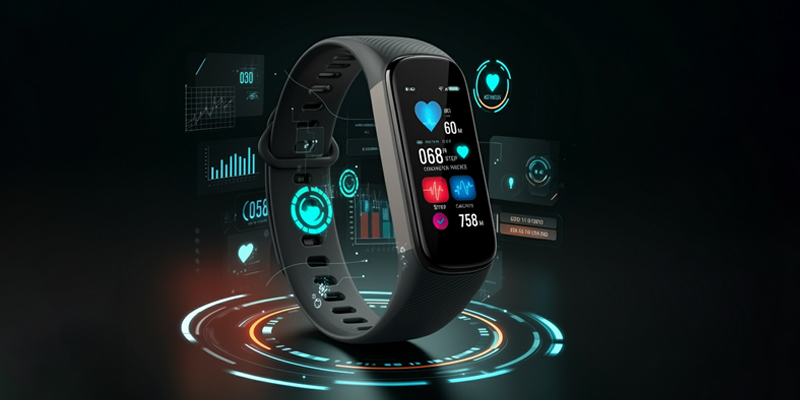
If sleep tracking is your main priority, consider:
• Comfortable overnight design
• Reliable sleep duration estimates
• Sleep trend reports
• Heart rate monitoring during sleep
• Smart alarms where supported
• Battery life that does not require frequent charging
• Clear smartphone reports
• Historical data
Comfort deserves particular attention.
A device that feels bulky or distracting at night may eventually be removed before bedtime, making its sleep tracking features less useful.
Activity Tracking for Everyday Movement
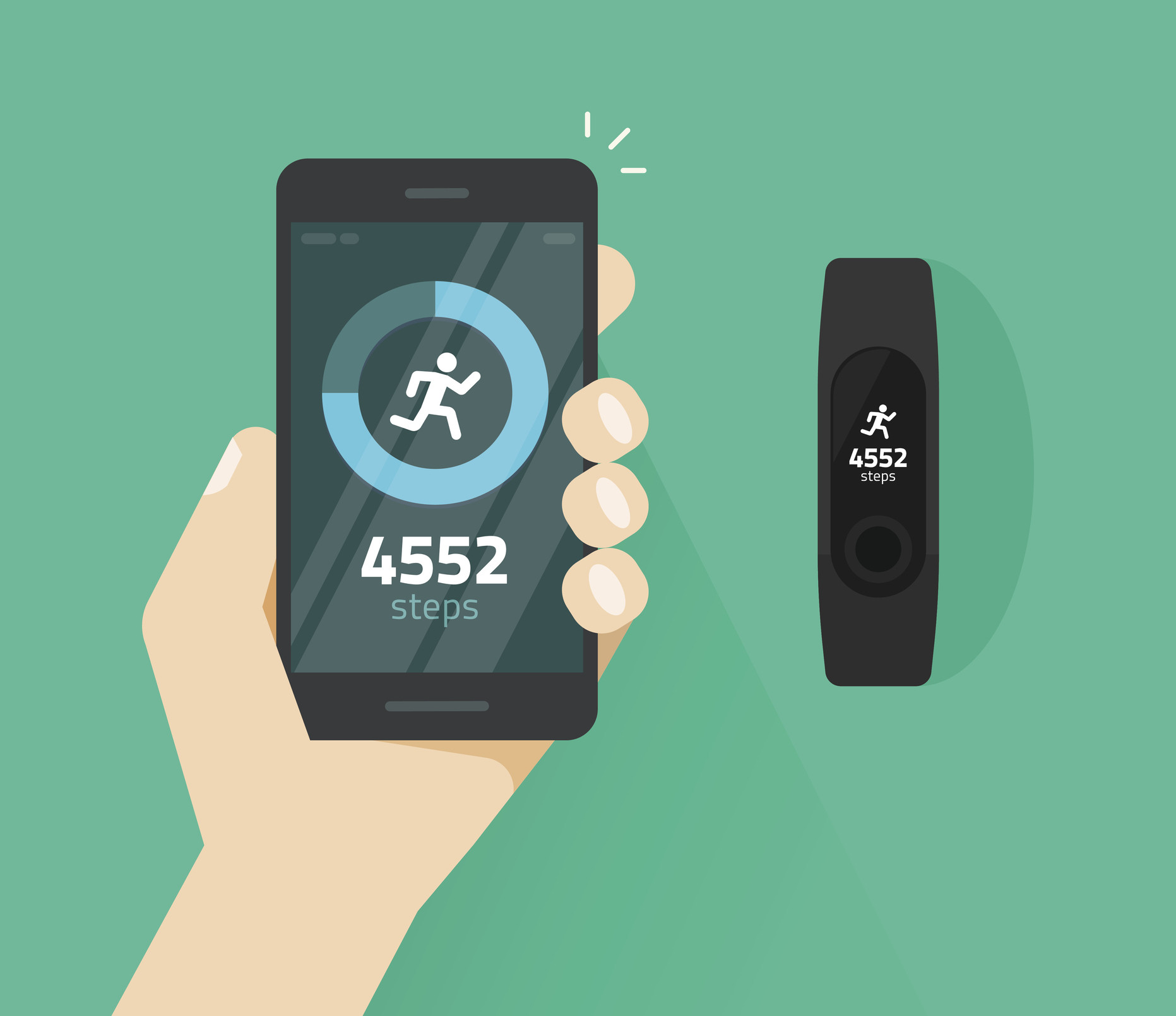
For many people, the most useful fitness feature is simply understanding everyday movement.
Step counts can provide an easy way to monitor activity, while distance and active time can provide additional context.
Modern trackers may also recognize certain activities automatically or allow users to select a workout mode manually.
The important point is consistency.
Rather than focusing exclusively on a particular daily target, consider whether the device helps you recognize changes in your activity over time.
A tracker can make sedentary periods more visible and provide reminders that encourage users to stand, walk, or move regularly.
Fitness Bands for Running and Walking
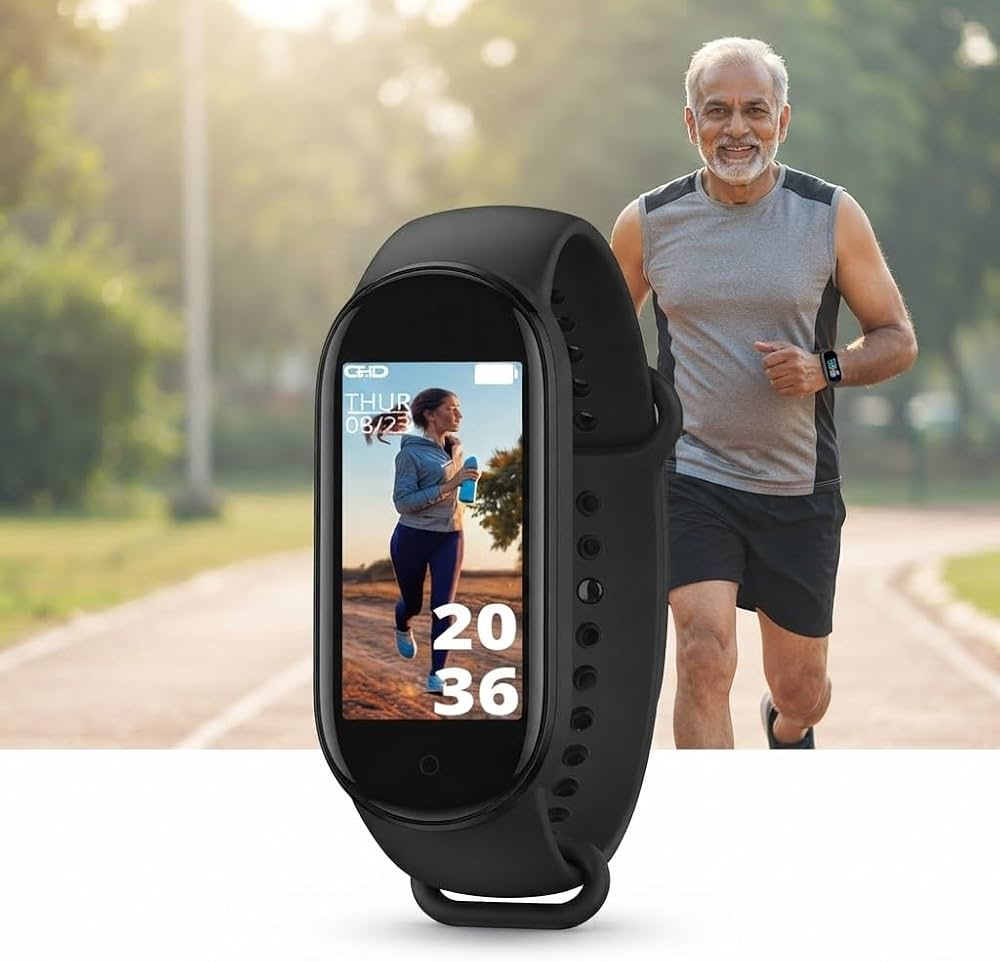
Walking and running are among the most common activities tracked by wearable devices.
Basic fitness bands can provide information such as duration, steps, distance, and heart rate.
More advanced devices may offer GPS capabilities, pace information, route tracking, training metrics, and additional workout analysis.
If you regularly exercise outdoors, check whether the wearable has built in GPS or relies on your smartphone for location information.
For casual walking, smartphone assisted tracking may be perfectly adequate.
For runners who train regularly, dedicated GPS functionality can be much more useful.
Heart Rate Tracking and Everyday Wellness
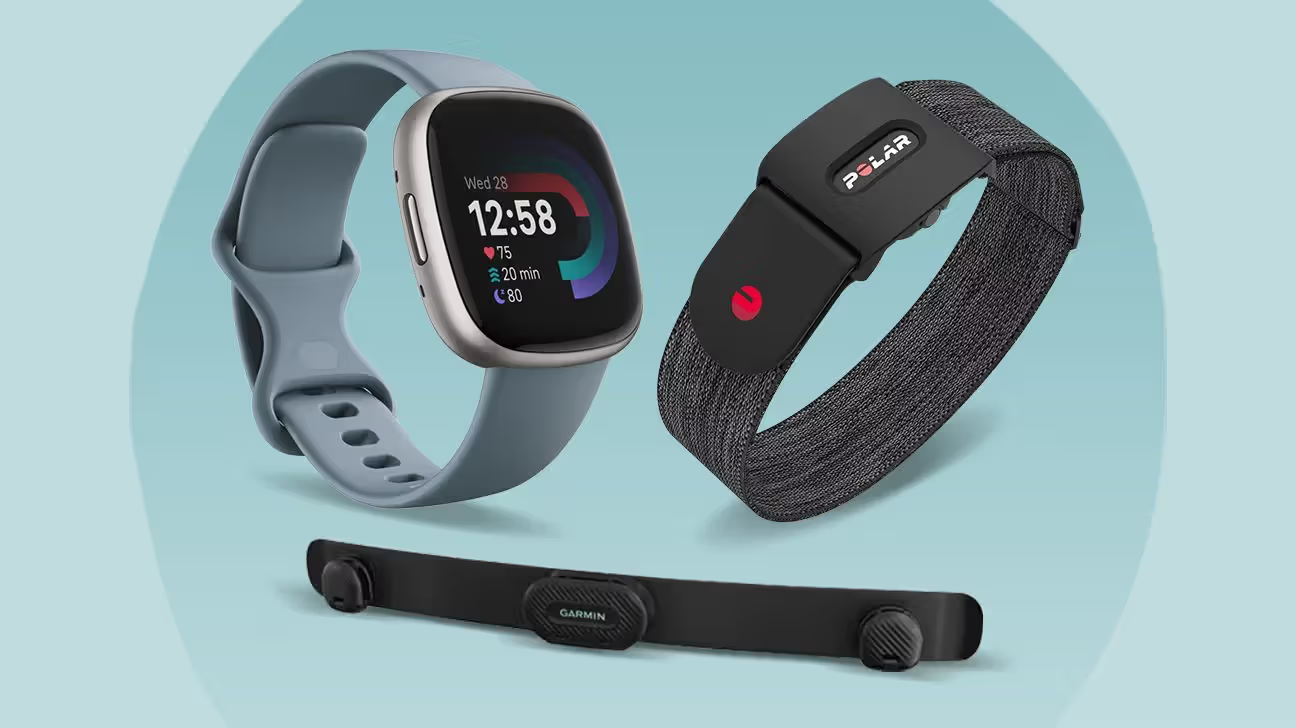
Heart rate monitoring is now common across many fitness wearables.
A wrist based optical sensor can collect heart rate information during rest and activity.
This can help users understand how their heart rate changes during workouts and across different parts of the day.
Heart rate information can also contribute to other wearable features, such as workout intensity estimates and sleep related insights.
However, users should remember that consumer wearable measurements can differ from readings taken with medical equipment.
If you have concerns about a health measurement or experience symptoms, a wearable should not be used as a replacement for professional medical assessment.
Battery Life Matters More Than It Seems
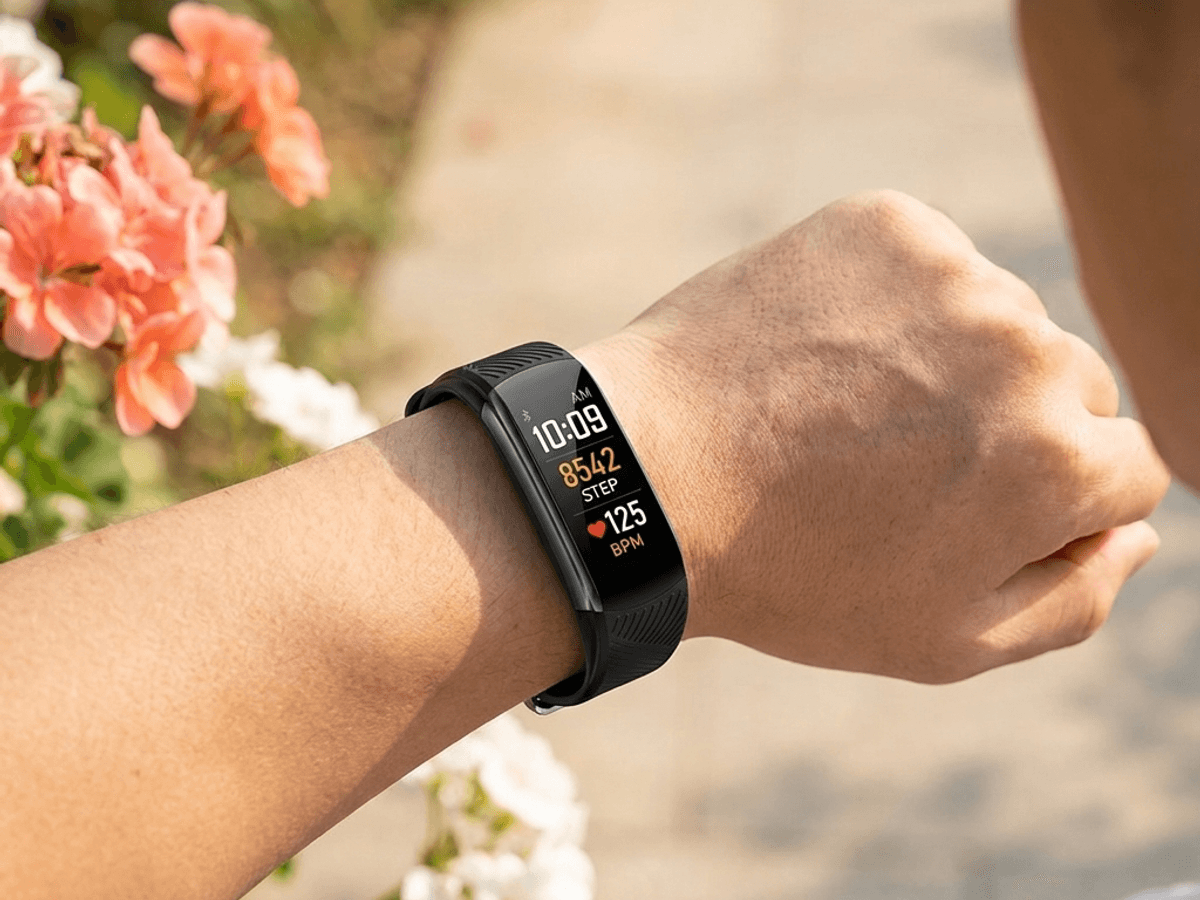
Battery life can have a major impact on everyday usability.
A wearable that needs frequent charging can be inconvenient, particularly for people who want continuous sleep tracking.
Fitness bands often have an advantage here because their smaller displays and focused feature sets can allow longer periods between charges compared with some full size smartwatches.
When comparing battery claims, remember that actual battery life depends on settings.
Frequent GPS use, brighter displays, continuous sensor monitoring, notifications, and other features can reduce operating time.
If sleep tracking is important, choose a device whose charging routine fits naturally into your day.
Comfort and Fit Should Be Part of the Decision
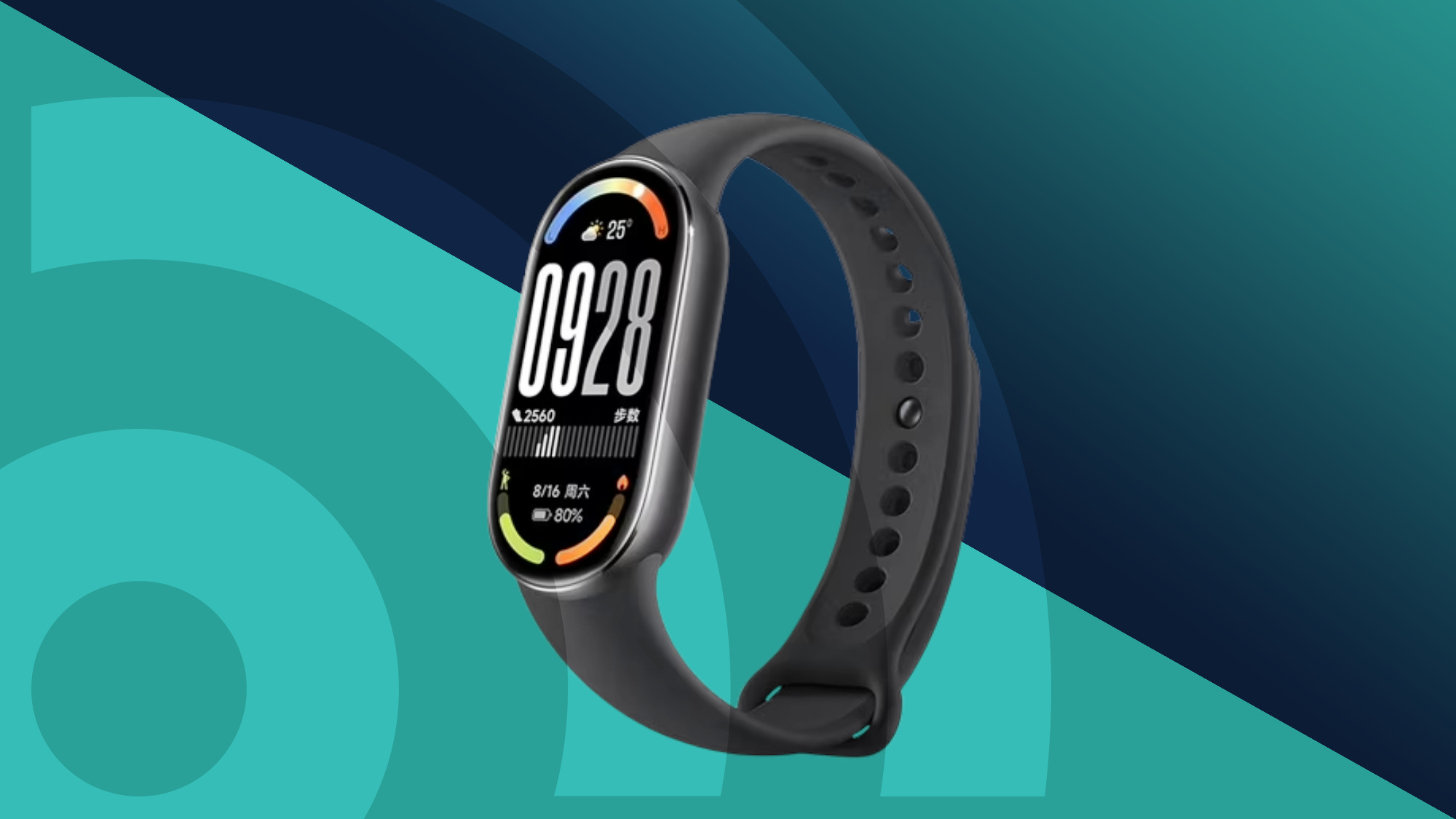
A fitness tracker spends a lot of time on your wrist.
That makes comfort one of the most important specifications, even though it rarely appears prominently on product pages.
Consider the weight, strap material, display size, clasp design, and overall shape.
A device that feels comfortable during exercise may not necessarily be comfortable while sleeping.
Similarly, a very lightweight band may be ideal for everyday wear but lack some of the features that serious athletes want.
If possible, think about the entire day.
You may wear the device while working, exercising, traveling, sleeping, and relaxing.
Fitness Bands vs Smartwatches
Fitness bands and smartwatches overlap considerably, but they serve different priorities.
Feature | Fitness Band | Smartwatch |
|---|---|---|
Activity tracking | Strong | Strong |
Sleep tracking | Strong | Strong |
Notifications | Basic to moderate | Extensive |
Apps | Limited | Broader |
Battery life | Often longer | Often shorter |
Display | Usually smaller | Usually larger |
Fitness features | Varies | Often extensive |
Communication | Limited | Often more capable |
Size | Usually smaller | Usually larger |
A fitness band can be a good choice for someone who primarily wants activity and wellness tracking without needing a full smartwatch experience.
A smartwatch may make more sense for users who want apps, communication features, navigation, payments, and a larger interactive display.
How Accurate Are Fitness Bands?
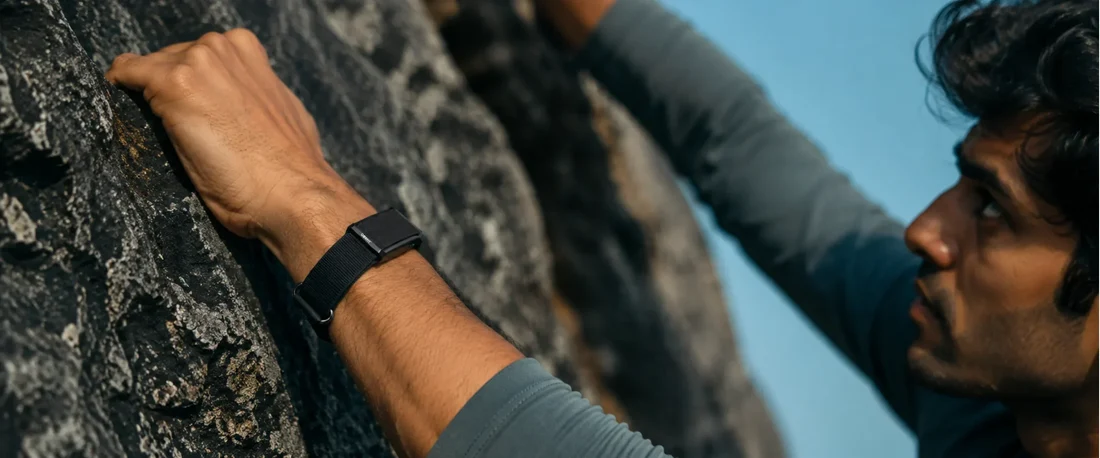
Accuracy depends on the metric, device, activity, sensor technology, fit, and software algorithms.
Step counting can work reasonably well during normal walking, but unusual arm movements can sometimes affect results.
Heart rate tracking can also vary depending on movement, skin contact, exercise intensity, and device positioning.
Sleep tracking is particularly important to interpret carefully.
A wearable generally estimates sleep using combinations of movement and physiological signals rather than directly measuring every aspect of sleep.
This is why long term trends can be more useful than obsessing over individual readings.
Smart Features That Make a Difference
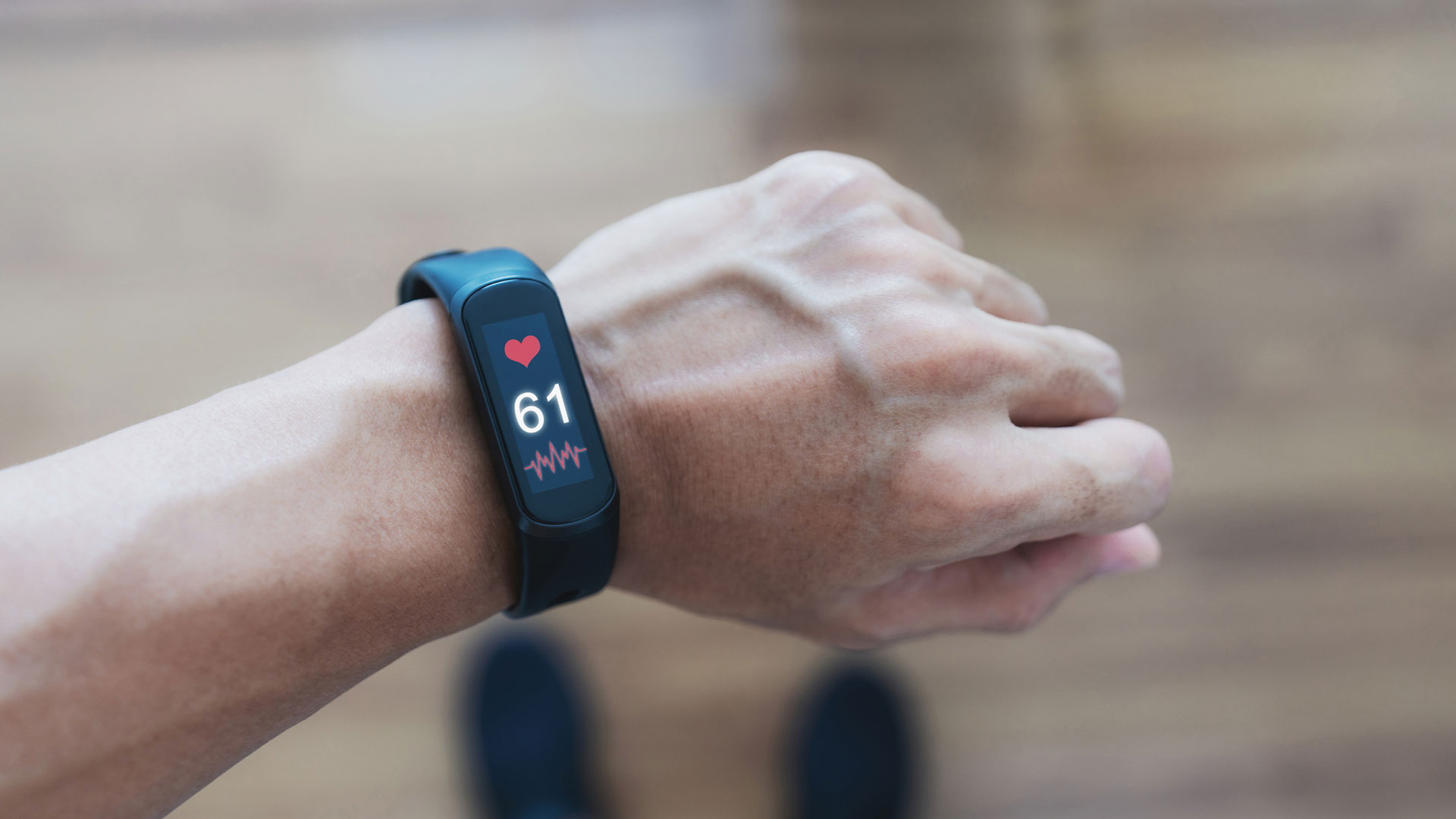
Hardware is only one part of the fitness tracking experience.
The companion smartphone application can be just as important.
Look for software that presents information clearly instead of overwhelming you with numbers.
Useful features may include:
• Weekly and monthly trends
• Workout summaries
• Sleep history
• Activity goals
• Progress charts
• Personalized reminders
• Device settings
• Data export options where available
A good application should make your data easier to understand.
If you have to navigate through multiple screens just to understand whether your activity increased this week, the experience may become frustrating.
Water Resistance and Exercise
Water resistance is another useful consideration.
If you exercise outdoors, sweat heavily, swim, or simply prefer wearing your tracker throughout the day, check the manufacturer's water resistance specifications.
Do not assume that every fitness band is designed for swimming just because it is described as water resistant.
Different products can have different limitations.
If swimming is an important part of your routine, specifically check the device's supported swimming features and water resistance rating before purchasing.
How Fitness Bands Can Support Everyday Habits
One of the biggest advantages of wearable tracking is visibility.
Without a tracker, it can be surprisingly difficult to remember how active you were during a busy day.
A fitness band can provide a simple snapshot.
Perhaps you spent most of the morning sitting at a desk. The device might show relatively low activity by lunchtime.
Perhaps you took a long evening walk. Your activity history can make the difference visible.
Over time, this information can help people become more aware of routines.
The goal should not be to turn every aspect of life into a score.
Instead, the data can act as a gentle feedback mechanism that helps you understand your habits.
Choosing a Fitness Brand for Your Needs
When evaluating a Fitness Brand, consider the complete ecosystem rather than the hardware alone.
Check whether the companion app works with your smartphone.
Look at how the company presents health and activity information.
Consider subscription requirements if advanced features require additional payments.
Review battery expectations and replacement strap availability.
It is also worth checking how the company handles software updates and whether older devices continue to receive support.
A wearable becomes more useful when the hardware, software, smartphone application, and support experience work together.
Which Fitness Band Is Right for You?
Your priorities should determine your choice.
For Sleep Tracking
Prioritize comfort, battery life, sleep insights, and a well designed companion application.
For Everyday Activity
Look for reliable step tracking, activity reminders, lightweight construction, and straightforward progress reports.
For Running
Consider GPS capabilities, heart rate tracking, workout modes, pace information, and battery performance during exercise.
For Swimming
Check water resistance specifications and whether the device supports dedicated swimming tracking.
For General Wellness
Focus on comfortable everyday wear, useful health related measurements, simple trend reports, and strong smartphone compatibility.
For Active Users
A more advanced wearable may be worthwhile if you need detailed workout information, GPS, training features, and broader activity tracking.
Common Mistakes When Buying a Fitness Band
One common mistake is choosing a device based only on the number of sensors.
More sensors do not automatically mean a better everyday experience.
Another mistake is ignoring comfort.
A feature rich tracker that you stop wearing after a few weeks is less useful than a simpler device you wear consistently.
Battery life is another frequently overlooked factor.
If you want overnight tracking, charging requirements should fit your routine.
It is also worth checking smartphone compatibility before buying.
Finally, do not treat wellness metrics as medical diagnoses. Fitness bands can provide useful personal insights, but they are not a replacement for professional healthcare.
Fitness Band Buying Checklist
Before choosing a wearable, ask:
• Is it comfortable enough for all day wear?
• Can I comfortably sleep while wearing it?
• How long does the battery typically last?
• Does it work with my smartphone?
• Does it track the activities I actually perform?
• Does it offer heart rate monitoring?
• Does it include GPS or smartphone connected GPS?
• Is it suitable for swimming if I need that feature?
• Is the companion application easy to understand?
• Are important features available without a subscription?
• Does the company provide software support?
• Can I replace the strap easily?
• Are the measurements presented as wellness information rather than medical diagnoses?
Frequently Asked Questions About Fitness Bands
What is the main purpose of a fitness band?
A fitness band primarily helps users monitor activity, exercise, and selected wellness metrics. Depending on the device, it can also provide sleep tracking, heart rate monitoring, workout information, and smartphone notifications.
Are fitness bands useful for sleep tracking?
They can provide useful estimates and long term trends related to sleep. However, consumer wearables should not be treated as clinical sleep testing devices.
Can a fitness band track workouts?
Yes. Many fitness bands support multiple workout modes. The number and depth of available workout features varies between devices.
Do fitness bands need a smartphone?
Many can record information independently for periods of time, but a smartphone is often needed for setup, detailed data analysis, synchronization, and software updates.
Are fitness bands better than smartwatches?
Neither category is universally better. Fitness bands generally prioritize compact design, activity tracking, and battery life, while smartwatches often provide broader communication, app, and interactive features.
How long should a fitness band battery last?
Battery life varies significantly by model and usage. GPS, display settings, sensor monitoring, notifications, and other features can affect how frequently charging is required.
Can fitness bands measure health conditions?
Fitness bands can measure or estimate certain physiological metrics, but they should not be treated as diagnostic medical devices unless specifically authorized for that purpose.
Should I wear my fitness band all day?
If the device is comfortable and designed for continuous wear, using it consistently can provide a more complete picture of activity and sleep patterns.
Final Thoughts
The best fitness wearable is not necessarily the one with the longest specification sheet.
For sleep tracking, comfort and battery life can matter enormously.
For everyday activity, simple and reliable tracking may be more valuable than advanced sports features.
For runners and serious fitness enthusiasts, GPS, heart rate monitoring, workout analysis, and training features may deserve greater attention.
And for general wellness, the quality of the companion application can determine whether all those measurements actually become useful information.
When comparing a Fitness Brand, think about the experience beyond the device itself. Consider how comfortable it is, how clearly it presents information, how well it works with your smartphone, how often you need to charge it, and whether its features match your actual routine.
The best wearable is ultimately the one that fits naturally into everyday life and turns activity and wellness data into information you can understand and use.