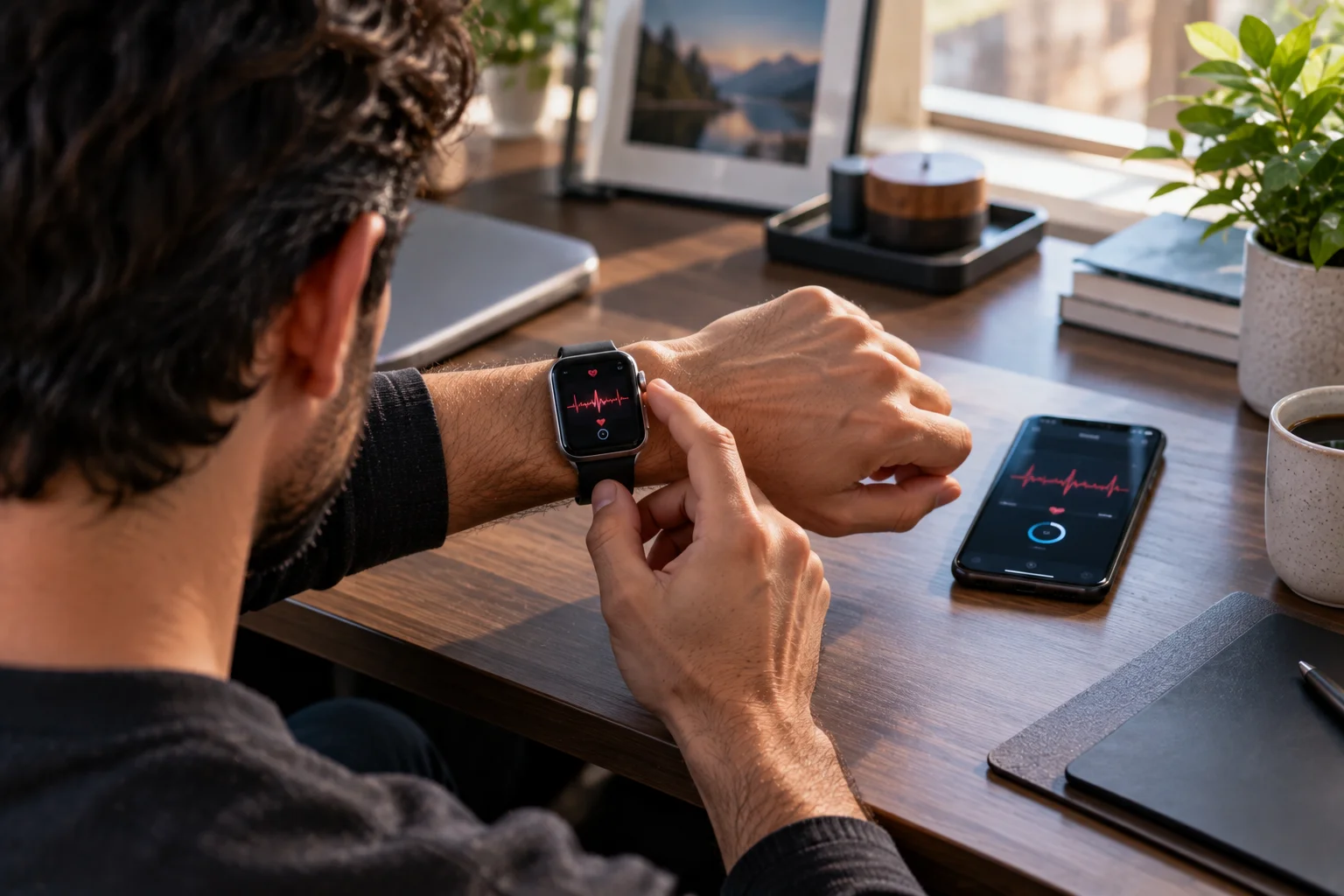
The wearable technology industry is entering a new phase in 2026. Smartwatches and wireless earbuds remain the largest categories, but some of the most interesting growth is happening elsewhere.
Smart glasses, smart rings, AI-powered hearables and screenless health trackers are changing what consumers expect from wearable devices.
IDC recorded 145.7 million wearable device shipments in the first quarter of 2026, up 4.3% year over year. Hearables accounted for roughly two-thirds of shipments, while smart glasses and rings were among the fastest-growing emerging categories. IDC expects 2026 smart-glasses shipments to reach 13.6 million units.
Counterpoint sees an even broader opportunity, forecasting consumer-wearables revenue to grow at a 12% CAGR between 2026 and 2032. It expects smart eyewear, smart rings and AI pendants to be among the fastest-growing categories during that period.
The important change is not simply that more wearable devices are appearing. It is that wearables are becoming less dependent on screens and more focused on AI, health sensing, ambient computing and hands-free interaction.
Why is the wearable industry moving beyond smartwatches?
Consumers are increasingly looking for devices that perform a specific job continuously rather than another small screen on the wrist.

Smartwatches remain useful for notifications, fitness tracking, payments and communication. But the basic smartwatch concept has become familiar.
The next opportunity is to collect useful information without requiring users to constantly look at a display.
A smart ring can monitor health signals while remaining almost invisible during the day. Earbuds can provide audio, translation and AI assistance. Smart glasses can capture photos, answer questions and provide information while leaving the user's hands free.
This is pushing wearable technology from screen-based computing toward ambient computing.
Why are smart glasses becoming one of the biggest wearable trends?
AI is giving smart glasses a much clearer purpose than earlier generations of connected eyewear.
IDC says display-less smart-glasses shipments jumped 167% year over year in Q1 2026 to approximately 2.25 million units. It forecasts 13.6 million display-less smart glasses for the full year.
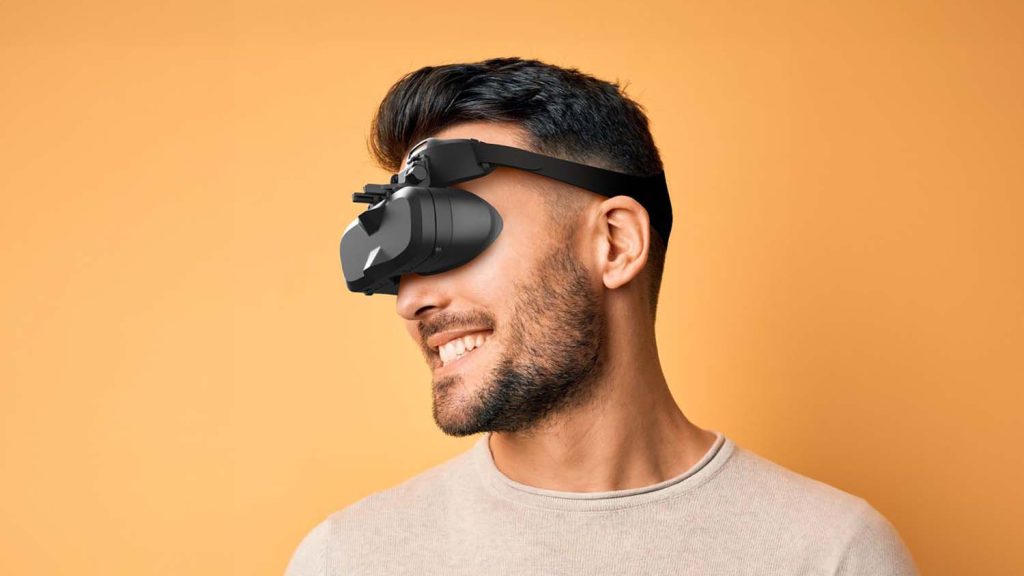
Counterpoint's latest data is even more striking. Global AI-glasses shipments increased 263% year over year in the first half of 2026, with display-less devices accounting for 96% of total shipments.
The reason is relatively simple.
A pair of glasses can combine cameras, microphones, speakers and AI without asking users to hold another device.
That enables use cases such as taking hands-free photos, asking questions, translating conversations, getting directions or receiving information through audio.
Display-free glasses may actually have an advantage at this stage because they look and feel more like conventional eyewear.
What role will AI play in the next generation of wearables?
AI is turning wearables from passive sensors into devices that can interpret information and respond to users.
A fitness tracker might record heart rate. An AI-powered wearable can potentially interpret that information alongside activity, sleep and other contextual signals.
The same principle applies to glasses and earbuds.
Instead of manually opening an app, users can ask a wearable to perform a task or provide information through voice.
Counterpoint says AI is driving growth in smart eyewear, smart rings and AI pendants because these devices enable hands-free assistance and continuous sensing.
The larger opportunity is therefore not simply adding a chatbot to a wearable.
It is making the wearable an intelligent interface between the user and the information around them.
Why are smart rings gaining attention?
Smart rings offer continuous health tracking without the screen, notifications and bulk associated with many wrist-worn devices.
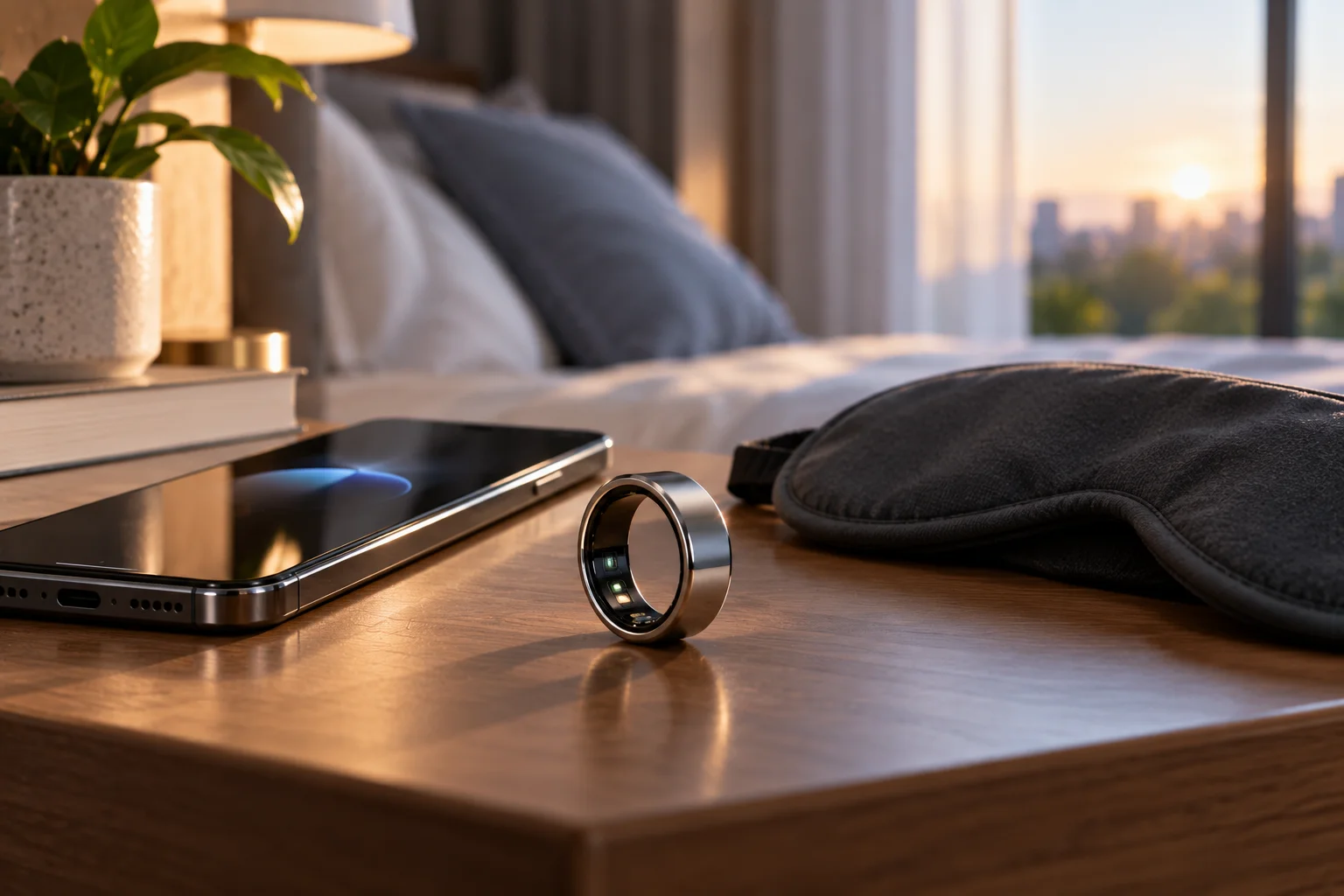
Rings can track metrics such as heart rate, sleep and activity while taking up very little space.
Their appeal is particularly strong for people who want health information but do not necessarily want another display competing for their attention.
Counterpoint identifies smart rings as one of the fastest-growing wearable categories through 2032.
The commercial potential is also becoming clearer. Oura, one of the best-known smart-ring companies, reported revenue of $1.21 billion for the nine months ended June 30, 2026, up 74% year over year, according to its IPO filing.
That growth suggests consumers are increasingly willing to pay for a wearable whose primary purpose is health rather than notifications.
Are smartwatches losing their importance?
No, but the smartwatch market is becoming more mature and increasingly polarized between basic devices and premium health and sports products.
IDC forecasts 159.7 million smartwatch shipments in 2026, down 2.8% year over year.
Omdia's latest analysis shows a similar shift in consumer preferences. It found smartwatch shipments grew 6% in Q2 2026, driven by advanced sports models, while basic watches and conventional mid-tier products faced greater pressure.
That creates an interesting divide.
At one end, consumers want simple, screenless tracking. At the other, serious athletes are willing to pay for sophisticated sports watches with better sensors, longer battery life and deeper training analytics.
The middle of the market is under more pressure.
Why are hearables becoming more intelligent?
Wireless earbuds are evolving from audio accessories into small AI and health-computing platforms.
Hearables remain the largest wearable category by shipment volume. IDC forecasts 407.6 million hearable shipments in 2026, with AI assistants, real-time translation and biometric health monitoring contributing to demand.
Earbuds have several advantages as an AI interface.
They already sit close to the user's ears, include microphones and speakers, and are worn for extended periods.
That makes them a natural place for voice-based assistants.
Imagine receiving a translated conversation directly through an earbud, asking an AI assistant a question while walking, or getting contextual information without pulling out a phone.
The technology is moving in that direction.
Why is continuous health monitoring becoming so important?
Health is becoming one of the strongest reasons for consumers to wear a device continuously.
Fitness tracking was the original mass-market wearable use case. The category is now expanding toward sleep, recovery, cardiovascular measurements and other health-related insights.
Counterpoint describes the industry as moving toward continuous health monitoring and preventive-health use cases, where devices can identify changes before users notice them themselves.
That shift could fundamentally change replacement behavior.
People may tolerate keeping an old pair of headphones for years. They may be more motivated to replace a health wearable if a new generation provides substantially better sensors or useful new measurements.
The challenge is ensuring that health information is accurate, understandable and presented responsibly.
What is driving the shift toward screenless wearables?
Screenless devices reduce friction and allow technology to operate in the background.
A smartwatch requires users to look at their wrist.
A phone requires users to take it out.
A ring does neither.
Smart glasses can provide information through audio. Earbuds can deliver responses without requiring visual attention.
This matters because wearables are increasingly being designed around the idea that technology should fit into an activity rather than interrupt it.
That is particularly important for walking, exercising, travelling, working and social situations.
What challenges could slow the wearable industry's expansion?
Privacy, battery life, accuracy, comfort and consumer trust remain major obstacles.
AI glasses illustrate the problem particularly well.
Cameras and microphones can make these devices extremely useful, but they also raise questions about recording other people and processing personal information. Counterpoint specifically identifies privacy concerns and rising component costs as challenges for AI glasses.
There is also a practical limit to how many devices consumers want to charge, maintain and wear.
A wearable needs to offer enough value to justify becoming part of someone's daily routine.
That is why comfort and simplicity may ultimately matter just as much as technical specifications.
What will the wearable industry look like after 2026?
The wearable market is likely to become a collection of specialized devices rather than a single smartwatch-dominated category.
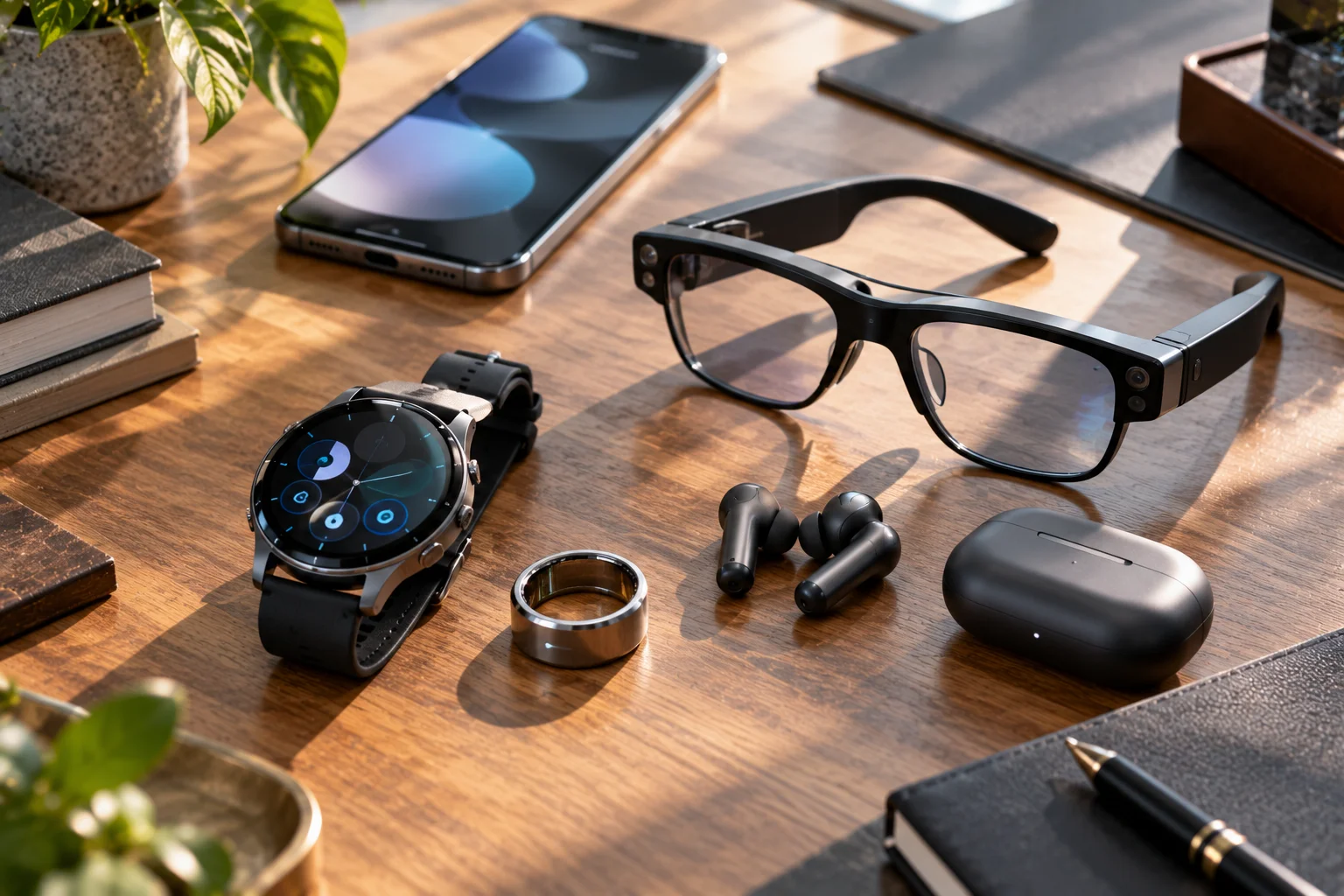
Smartwatches will continue serving people who want a screen, notifications and advanced fitness features.
Smart rings will focus heavily on discreet health monitoring. Earbuds will increasingly combine audio, AI and sensing. Smart glasses will push toward hands-free computing.
Counterpoint expects smart eyewear to approach one-fifth of consumer-wearables revenue by 2032, while smart rings and AI pendants are also expected to grow rapidly.
The next phase of wearable technology is therefore less about putting a smaller computer on the body.
It is about placing useful computing wherever it feels most natural.
For consumers, that could mean fewer interactions with screens and more technology that quietly works in the background.
Wearables Industry FAQs
Are smartwatches still growing in 2026?
The smartwatch market is relatively mature. IDC forecasts 159.7 million shipments in 2026, down 2.8% year over year, although premium and advanced sports watches continue to attract demand.
What is the fastest-growing wearable category?
Smart glasses are among the fastest-growing categories. IDC forecasts 13.6 million display-less smart-glasses shipments in 2026, while Counterpoint reported 263% year-over-year growth across AI glasses in the first half of the year.
Why are smart rings becoming popular?
Smart rings offer continuous health and activity tracking in a small, screen-free form factor. They can appeal to people who want health insights without wearing a smartwatch.
Are AI glasses replacing smartphones?
Not currently. AI glasses are better understood as a complementary interface. They can handle certain hands-free tasks, while smartphones remain far more capable for applications requiring a large display, complex interaction and extensive software.
What is the biggest wearable trend in 2026?
The biggest structural shift is the move toward AI-powered, screenless and health-focused devices. Smart glasses, smart rings and intelligent hearables are expanding the definition of what a wearable can be.
Will wearables become more important than smartphones?
There is no clear evidence that wearables are replacing smartphones. Instead, the market is moving toward a more distributed computing model in which smartphones, watches, glasses, rings and earbuds perform different jobs.