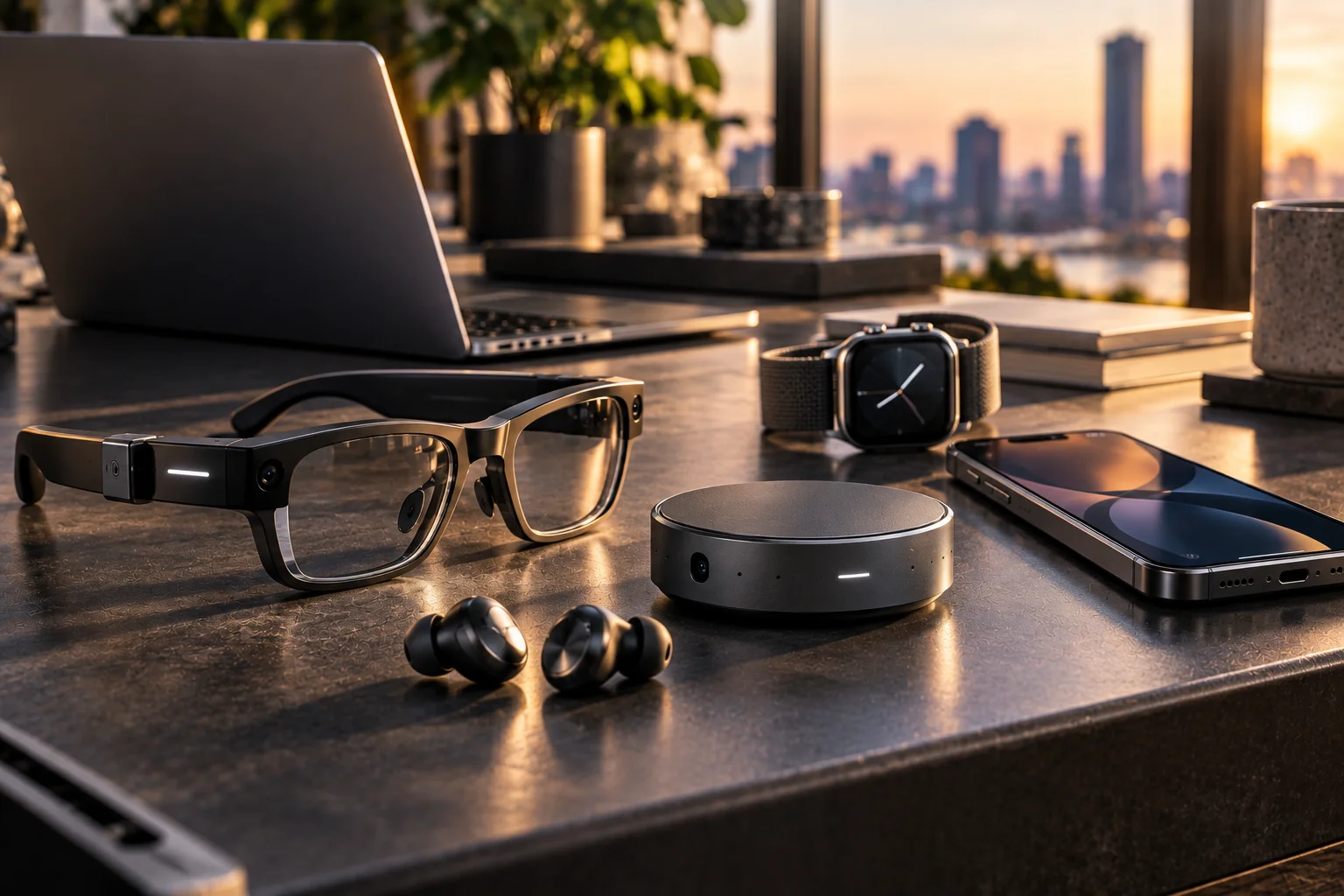
2026 is becoming an important year for AI hardware, but not because every new gadget is suddenly replacing the smartphone. The more interesting development is that AI is spreading into glasses, wearables, spatial computers, handheld assistants and everyday devices.
Meta has expanded its AI glasses lineup and introduced Muse, its personal AI system designed to work across its hardware. Google and Samsung have shown new AI-powered eyewear built around Android XR. Snap has unveiled SPECS, a standalone augmented-reality computer built into glasses. Rabbit has given its R1 a more ambitious agentic operating system that can control connected devices and services. (about.fb.com)
These products are different from the first wave of dedicated AI gadgets because the focus is shifting from “put a chatbot in a new box” to giving AI access to cameras, microphones, displays, sensors and real-world context.
The question for buyers is whether these devices actually offer something a phone cannot.
What makes AI hardware different in 2026?
The biggest change is that AI is becoming an interface rather than simply an application.

A conventional smartphone requires you to open an app, type something and interact with menus.
An AI-native device can potentially let you speak naturally, show the assistant what you're looking at or allow it to understand your surroundings.
That explains the industry's interest in glasses.
Meta describes its AI glasses as a way to access its assistant hands-free, while Google and Samsung are developing eyewear that combines AI with familiar glasses designs. (about.fb.com)
The hardware becomes important because it changes how AI receives information and how you interact with it.
Are AI glasses the most important hardware category in 2026?
AI glasses are one of the clearest examples of AI becoming part of an everyday object rather than another screen.
Meta's 2026 lineup includes Meta Glasses, Ray-Ban Meta products and newer display-equipped glasses. At Connect 2026, Meta said it would have more than 100 styles of AI glasses across Ray-Ban, Oakley and Meta Glasses by the end of the year. (about.fb.com)
Meta's newer glasses can use AI to understand what the wearer is seeing, answer questions, provide information and assist with everyday activities.
The interesting part isn't the glasses themselves. It's the camera, microphone, speakers and AI model working together.
Instead of taking out your phone to photograph something and ask a question, the glasses can potentially understand the scene directly.
What are Google's new AI glasses?
Google and Samsung are bringing Gemini-powered intelligence to a new generation of Android XR eyewear.
At Google I/O 2026, Samsung and Google showed intelligent eyewear created with Gentle Monster and Warby Parker. The glasses are designed as companion devices that connect with a smartphone while providing voice-based AI assistance. (news.samsung.com)
Google's Android XR strategy also includes features such as translation and connections with other devices.
This approach differs from a standalone AI gadget because the glasses can use the smartphone as part of the overall computing system.
The phone doesn't necessarily disappear. Instead, AI glasses become another interface for the phone's capabilities.
What makes Snap SPECS different?
Snap SPECS takes the glasses concept further by putting a full augmented-reality computer into a standalone wearable.
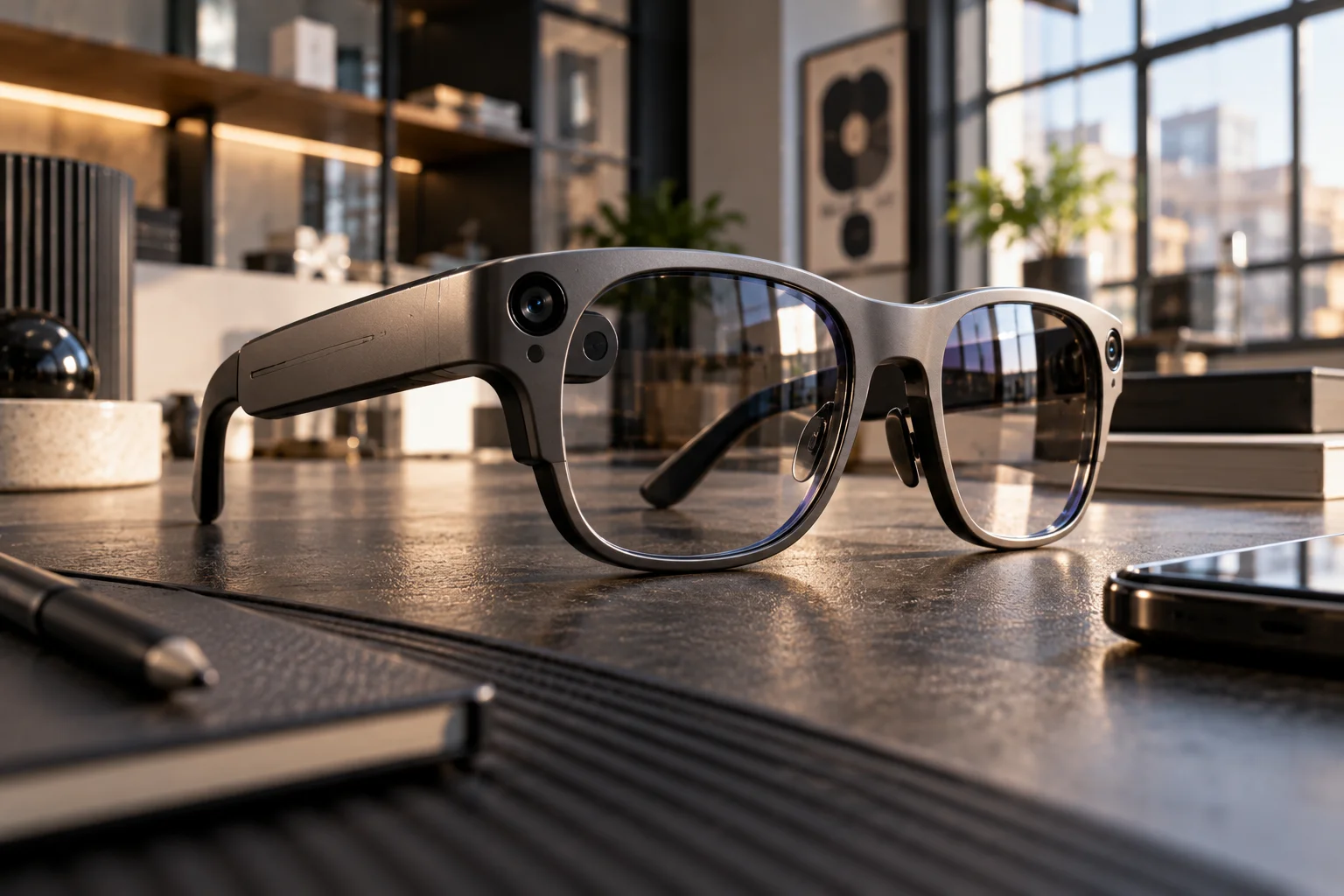
Snap unveiled SPECS in June 2026 and says the glasses combine AI assistance, work tools, entertainment and shared experiences. They are designed to operate independently rather than requiring a phone or external controller for their core experience. (investor.snap.com)
The announced US price is $2,195, with shipping expected in fall 2026. Snap is positioning SPECS as a new form of spatial computing rather than simply smart glasses. (investor.snap.com)
That distinction is important.
AI glasses mainly add an assistant to eyewear. AR glasses attempt to put the computing interface itself into your field of view.
What is Meta Muse and why does it matter?
Muse represents Meta's attempt to make its AI assistant available across multiple physical devices.
At Connect 2026, Meta announced that Muse would come to its AI glasses, allowing users to interact with the assistant hands-free. Meta also introduced a broader family of devices intended to let people connect with their personal AI from different locations. (about.fb.com)
Reuters reported that Meta also introduced the Charm, a small AI-powered handheld with a 2-inch touchscreen and 5G connectivity, as part of its broader post-smartphone hardware strategy. (reuters.com)
The significance is less about one particular gadget.
Meta is trying to build an AI ecosystem where the assistant follows the user across different form factors.
Is the Rabbit R1 becoming a real AI computer?
Rabbit is taking a different approach by turning its existing R1 handheld into an agentic interface for connected services and devices.
Rabbit released OS3 in September 2026. The company describes it as an agentic operating system built around a single conversational interface. Users can state an outcome, while the system determines which connected AI models, web services, devices, files or applications are needed. (rabbit.tech)
Rabbit says one account can connect up to five devices, with OS3 deciding where a task should run.
That is a substantial change from the original R1 concept.
Instead of being primarily a novelty AI companion, Rabbit is trying to make the device a controller for a broader digital workspace.
Are AI hardware devices actually replacing smartphones?
For now, most are better understood as companion devices rather than smartphone replacements.
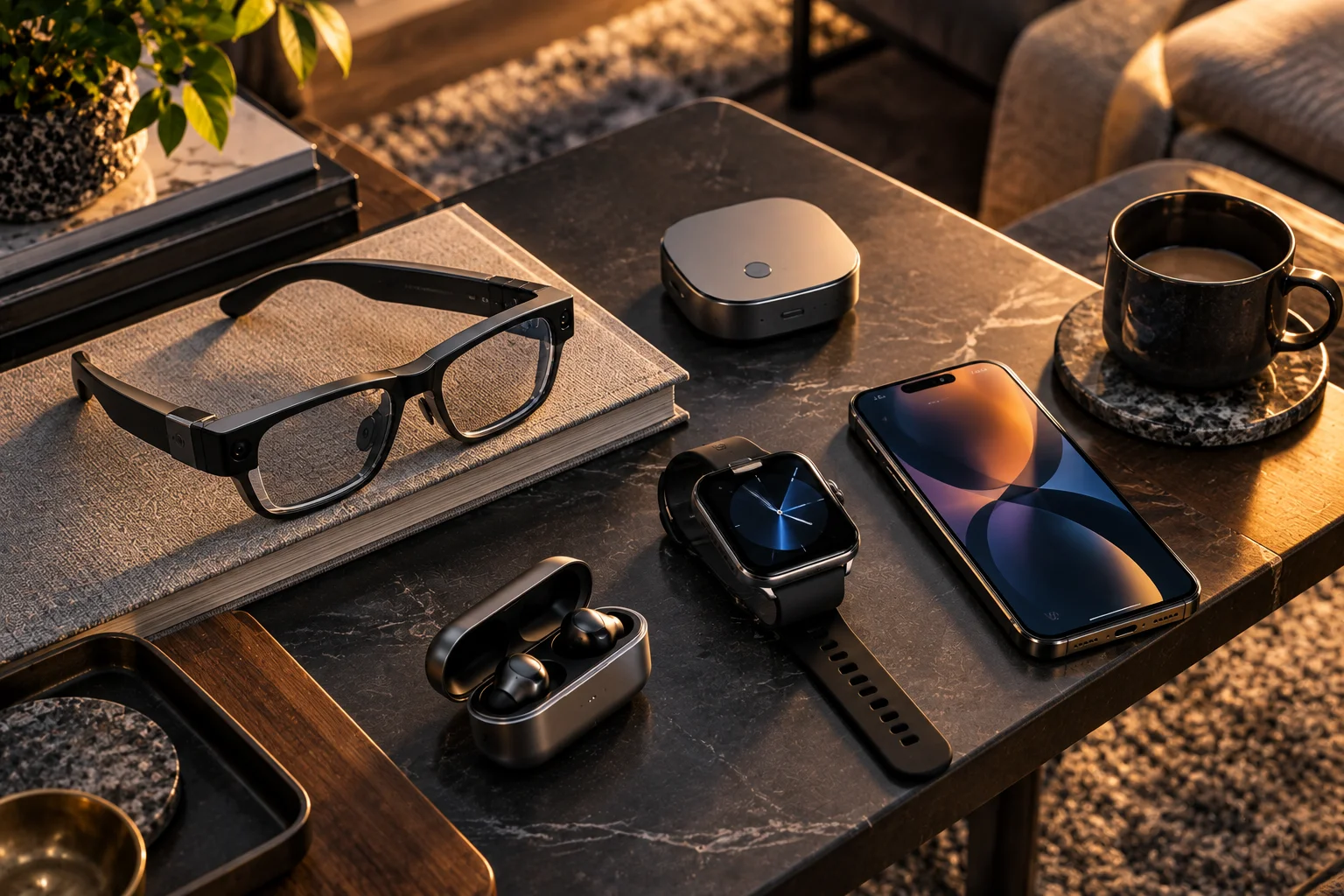
AI glasses still benefit from smartphones, cloud services and established applications. Android XR eyewear is explicitly being developed as a companion to mobile devices, while Meta's glasses operate alongside the broader Meta ecosystem. (news.samsung.com)
Standalone products such as Snap SPECS are attempting something more ambitious, but their price, size and available software remain significant considerations.
The more realistic near-term scenario is therefore distributed computing.
Your phone remains the main computer while glasses, earbuds, watches and other devices become specialized AI interfaces.
What happened to the first generation of AI gadgets?
The first generation showed that putting a chatbot into dedicated hardware isn't enough to create a compelling product.
The Humane AI Pin became a prominent example of the problem, while Rabbit R1 received criticism for limited functionality when it launched.
Rabbit is still developing the R1, while Humane's AI Pin was discontinued in 2025 and its cloud service was shut down. (layer3labs.io)
The lesson appears to be influencing the second generation.
New products are increasingly using AI alongside existing ecosystems, sensors and established hardware categories rather than asking users to abandon everything they already own.
That may be why glasses are attracting so much attention: people already understand how to wear them.
Which 2026 AI hardware features actually matter?
The most meaningful features are the ones that give AI access to new forms of context or make interaction substantially easier.
Look for:
Hands-free AI: Ask questions without reaching for a phone.
Camera-based understanding: AI can interpret what you're seeing.
Real-time translation: Useful when traveling or communicating across languages.
Spatial displays: Information can appear within the surrounding environment.
Agentic control: AI can perform tasks rather than simply answer questions.
On-device processing: Some functions can operate without sending everything to the cloud.
Longer battery life: Essential for devices intended to stay with you all day.
Cross-device integration: The hardware becomes more useful when it works with phones, computers and other devices.
The difficult part is balancing these capabilities with comfort, privacy, battery life and cost.
Which AI hardware launches are actually different?
The biggest differences come from changing the interface, not simply adding AI to an existing gadget.
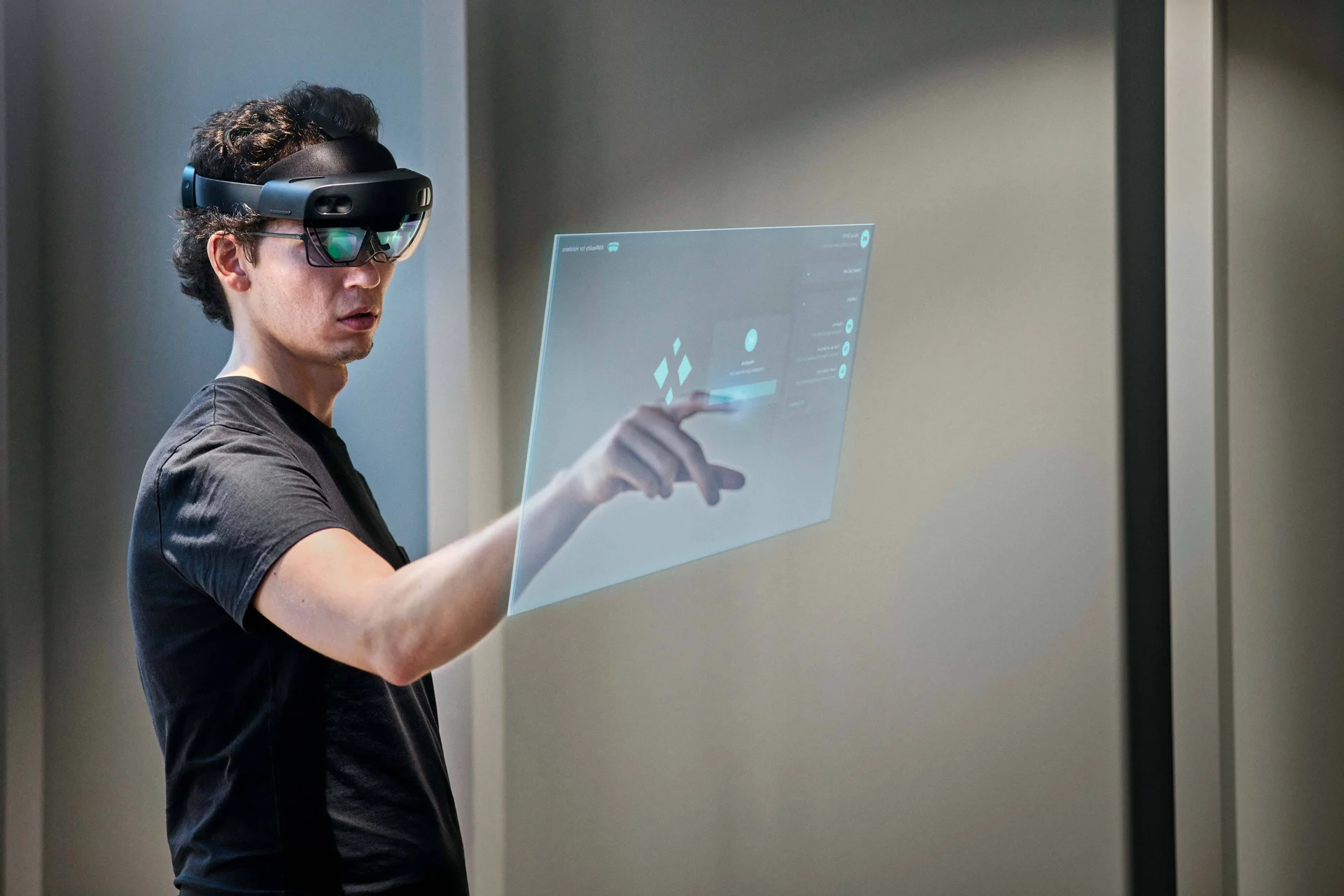
Meta's glasses make AI available through your eyes, ears and voice. Google's Android XR approach adds Gemini to eyewear and spatial computing. Snap SPECS attempts to make AR glasses a standalone computer. Rabbit is turning a small handheld into an agentic controller for connected services.
Those approaches are more significant than simply putting an AI assistant into another touchscreen device.
But buyers should also be realistic. The category is still developing, and some products are expensive or limited compared with mature smartphones and laptops.
The interesting question isn't “Does this gadget have AI?”
Almost everything will soon have AI.
The better question is “What can this device let AI do that my existing devices cannot?”
AI Hardware Launches in 2026 FAQs
What is the biggest AI hardware trend in 2026?
AI glasses and wearable assistants are among the most significant trends, as companies try to move AI beyond phones and computers into devices that can continuously capture and deliver context.
Are Meta AI glasses worth buying?
Their usefulness depends on whether hands-free AI, camera-based assistance, audio and wearable convenience are valuable to you. Meta's 2026 lineup expands these capabilities considerably. (about.fb.com)
What is Snap SPECS?
Snap SPECS is a standalone augmented-reality glasses computer designed to combine AI, spatial computing, entertainment and productivity. Snap announced a $2,195 price and fall 2026 shipping. (investor.snap.com)
What is Rabbit OS3?
Rabbit OS3 is an agentic operating system for the R1 and connected devices. Rabbit says it can coordinate web services, applications, files and devices through a conversational interface. (rabbit.tech)
Will AI gadgets replace smartphones?
Not yet. Most current products work alongside smartphones rather than replacing them. Standalone AR computers such as Snap SPECS are attempting a more independent model, but the category is still emerging.
What should you look for when buying AI hardware?
Focus on the specific capability that makes the device different: hands-free interaction, visual AI, spatial computing, real-time translation or agentic control. Then consider battery life, privacy, compatibility, subscriptions and whether the feature is genuinely useful enough to justify another device.