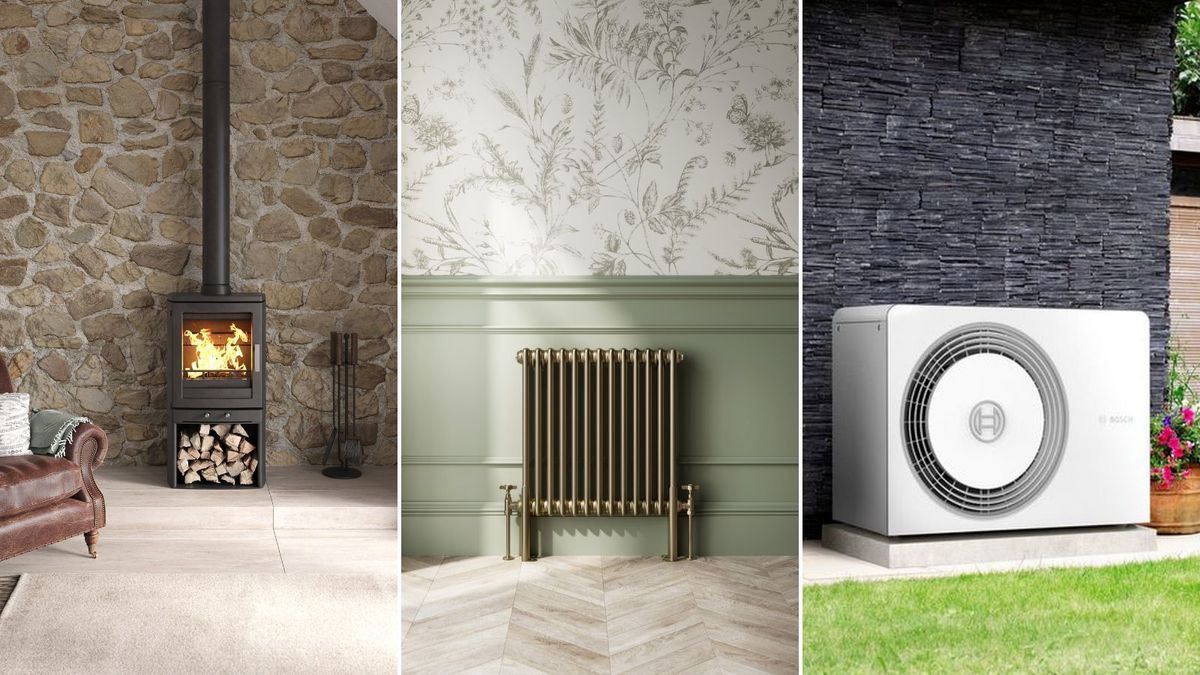
Winter in Spain can be surprisingly different depending on where you live. A flat in Madrid may need reliable heating through chilly mornings and frosty nights, while a home in Galicia or Castilla y León might require a more consistent source of warmth throughout the day. Choosing the right heating equipment isn't just about staying comfortable. It's also about managing electricity bills, making better use of available space and avoiding unnecessary energy consumption.
The Brico Depot Winter Heating season is a useful opportunity to review the heating options available for your home, from wood-burning stoves and electric radiators to practical insulation improvements. Brico Depôt España is a home improvement retailer worth checking when researching heating equipment, installation materials and products for preparing your property for colder weather.
The smartest purchase depends on how you use each room, the insulation your home already has and the energy sources available to you. Electric radiators can suit occasional heating, while a properly sized wood-burning stove may be worth considering for a suitable property with the required flue and installation arrangements. Simple measures, such as sealing draughts and using programmable controls, can also make a noticeable difference to comfort.
This guide explains what to look for in winter heating products, how to compare running costs, which energy-saving changes are worth prioritising and how to approach seasonal offers without buying equipment you don't really need.
Which winter heating deals should you look for at Brico Depôt in 2026?
The most useful winter offers are those that match your home's heating needs, not simply the products with the biggest advertised discounts. Brico Depôt's Spanish catalogue includes wood-burning stoves, pellet stoves, electric radiators, portable heaters and heating accessories.
Seasonal note: Prices and offers can change during the 2026 winter season. Treat the examples below as a guide to products worth comparing, rather than a guarantee of a particular promotion.
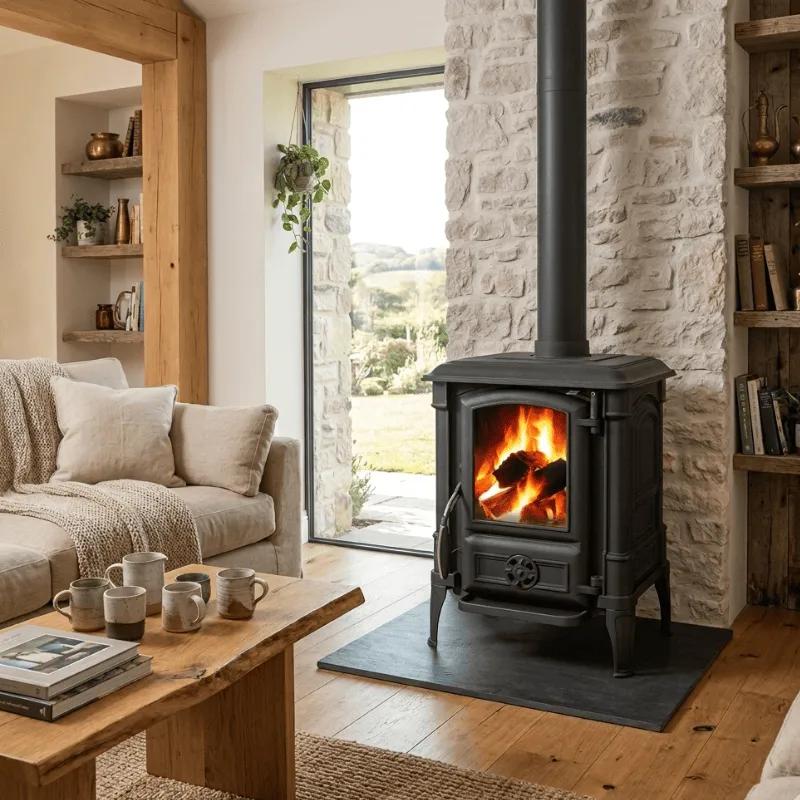
Wood-burning stoves
Suitable for homes with an appropriate flue and safe installation arrangements. Compare rated heat output, efficiency, installation costs and fuel storage requirements.
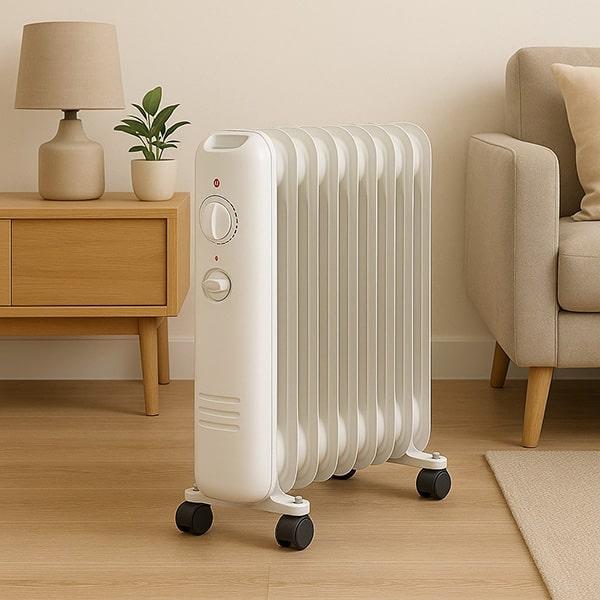
Electric radiators
Practical for bedrooms, home offices and rooms used at particular times. Check wattage, thermostat accuracy, programming functions and electrical requirements.
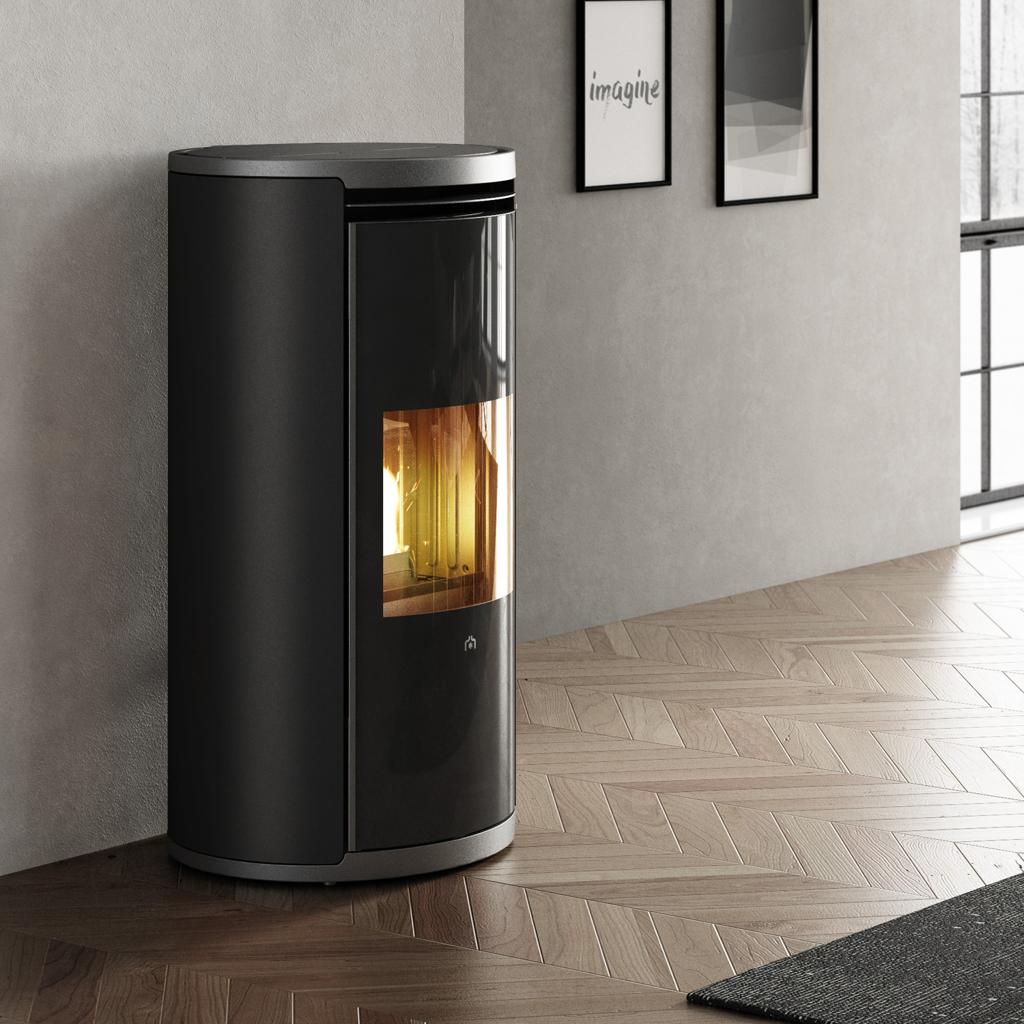
Pellet stoves
Worth considering if you want a controllable solid-fuel heating system and have space for dry pellet storage. Include electricity use, maintenance and flue installation in your budget.
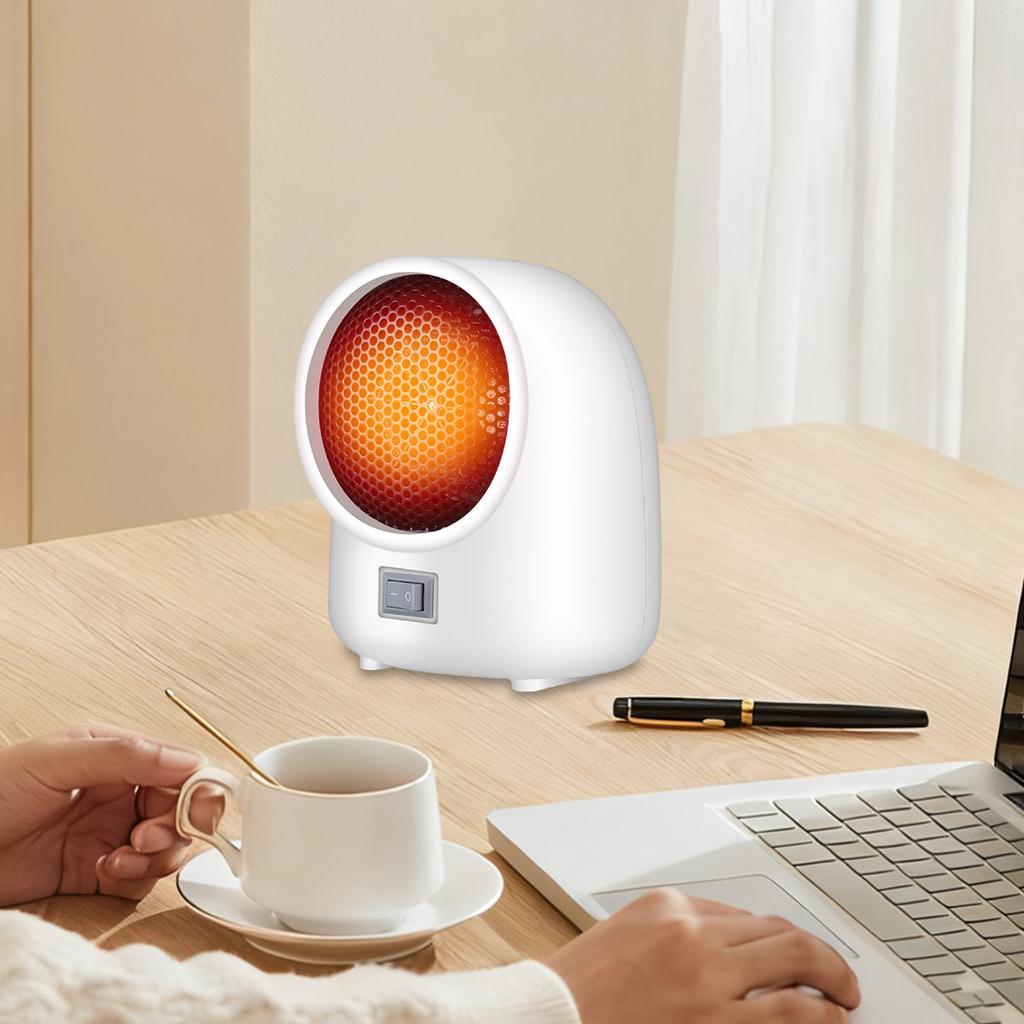
Portable electric heaters
Useful for brief periods of warmth in a small occupied room. Compare safety features, adjustable settings and whether a fan-based heater suits your noise preferences.
You can browse the current selection through the Brico Depôt heating and climate-control catalogue. For seasonal savings, check the actual selling price, delivery charges, collection options and product specifications before ordering.
How do you choose the right heating system for your home?
The right heating system depends on room size, insulation, how many hours you need warmth and whether you want to heat one room or several. For occasional use, a portable heater may be sufficient; for a larger property that needs regular heating, a properly sized fixed system may be more suitable.
Here is a practical starting point.
Your situation | Heating option to investigate | Main consideration |
|---|---|---|
Small home office | Ceramic heater or electric radiator | Short operating periods and controllability |
Bedroom used every evening | Programmable electric radiator | Quiet operation and overnight comfort |
Large living room in a suitable house | Wood or pellet stove | Heat output, installation and fuel storage |
Bathroom | Purpose-designed bathroom radiator | Appropriate electrical protection |
Several rooms used throughout the day | Central heating or a heat pump | Whole-home efficiency and installation costs |
Match heat output to the room
A heater with insufficient capacity may run for long periods without making the room comfortable. An oversized unit, meanwhile, can cost more than necessary and may encourage excessive heating.
Room dimensions are only part of the calculation. Ceiling height, external walls, window quality, draughts and local climate all affect heat demand. A well-insulated bedroom in Valencia can have very different needs from a draughty living room in a colder inland region.
Check the manufacturer's recommended room coverage and rated power. For a permanent heating installation, a qualified professional can help estimate the actual heat demand.
Consider how you live, not just what you buy
Think about your daily routine. If you're at home for two hours in the evening, heating one room may make more sense than warming the entire property. If several people use different rooms throughout the day, a broader heating system with suitable controls could be more convenient.
This is where the right purchase starts to pay off: you're buying for the way your household actually uses energy.
Are wood-burning stoves a good choice for Spanish winters?
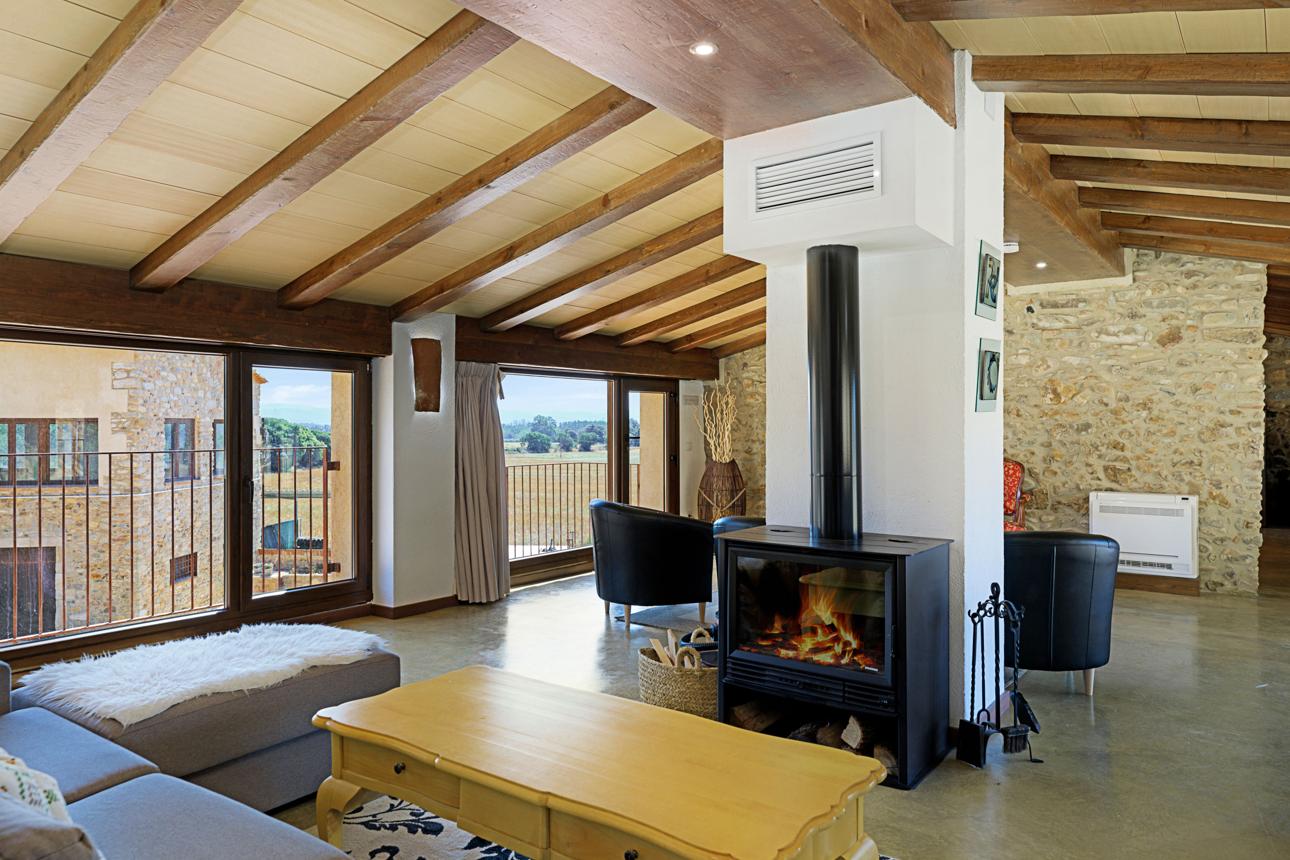
Wood-burning stoves can provide substantial heat and an appealing focal point in suitable homes, particularly in colder inland areas. However, they require an appropriate smoke-extraction system, correct installation, suitable fuel and regular maintenance.
What should you check before buying?
Heat output and efficiency: Compare the stove's rated kilowatts with the room or property it is intended to heat. Higher output isn't automatically better if the space is relatively small.
Installation requirements: A stove needs a suitable flue and appropriate clearances from combustible materials. Check building and community rules where relevant, especially in flats or shared buildings, and arrange professional installation where required.
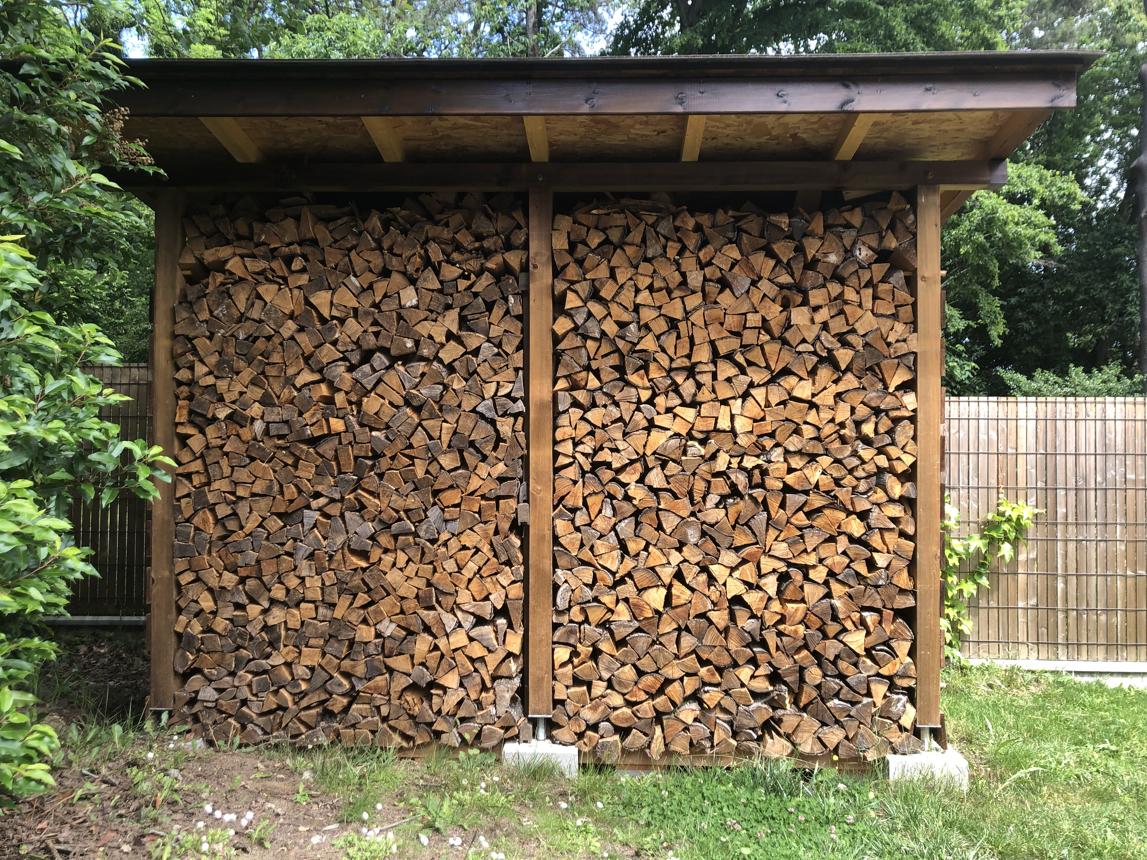
Fuel quality: Properly seasoned, dry firewood generally burns more effectively than wet wood. Damp fuel can increase smoke and deposits inside the flue.
Maintenance: Budget for chimney sweeping, inspection and routine cleaning. Never overlook ventilation or carbon monoxide protection.
A wood-burning stove is not simply a plug-in appliance. The cost of the stove itself may be only one part of the total investment.
For shoppers comparing Brico Depôt Winter Heating options, the retailer's stoves and fireplaces section is a useful starting point for comparing stove types, accessories and flue components.
Which electric radiator is best for everyday heating?
An electric radiator is a sensible option when you want straightforward heating without storing solid fuel. The best model for your home is one that provides adequate heat, maintains a comfortable temperature and gives you useful control over when it operates.
Brico Depôt's electric-heating range includes oil-filled radiators, thermal emitters, convectors, towel radiators and portable heaters.
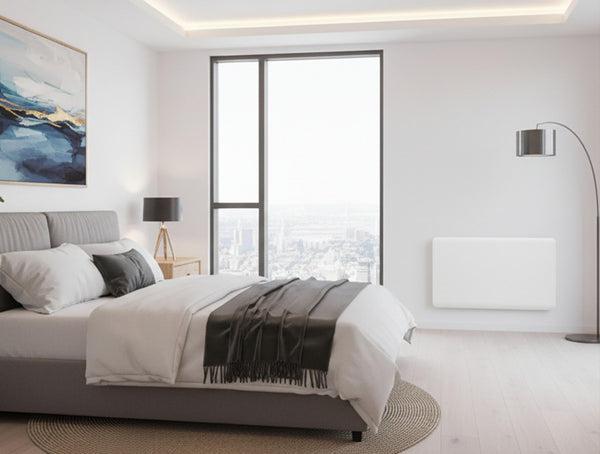
Oil-filled radiators versus thermal emitters
Oil-filled radiators heat internal fluid and distribute warmth through their surfaces. They can be useful when you want relatively steady heat, although they often take time to warm up and cool down.
Thermal emitters are designed for controlled room heating and may include programmable schedules, thermostats or smart controls, depending on the model. Their usefulness depends on how accurately you can match heating periods to your routine.
Neither category automatically guarantees a lower electricity bill. Most direct electric resistance heaters convert nearly all the electricity they consume into heat at the point of use. A model advertised as low consumption does not magically produce several times more heat from the same electricity.
The real savings generally come from reducing unnecessary operating time, heating only the spaces you need and maintaining sensible temperatures.
What features are worth paying for?
Look for an accurate thermostat, a timer or weekly schedule, overheat protection and clear operating instructions. Remote control may be convenient if you regularly adjust your schedule, but it isn't essential for everyone.
For bathrooms, choose a model specifically rated for the intended location and follow the manufacturer's installation instructions. Never position an ordinary portable heater where it could get wet.
Compare models in the Brico Depôt electric radiator and heater range, paying attention to power, controls, dimensions and warranty terms.
How much does winter heating cost to run?

Heating costs depend on the appliance's power, the number of hours it operates, your energy tariff and how much heat your home loses. A lower purchase price doesn't necessarily mean a cheaper winter overall.
You can estimate the electricity cost of a heater using a simple formula:
\[ \text{Cost}=\frac{\text{Watts}}{1000}\times\text{Hours}\times\text{Price per kWh} \]
For example, imagine using a 2,000-watt electric heater for three hours each evening, with electricity priced at €0.25 per kWh.
Calculation | Result |
|---|---|
Heater power | 2 kW |
Daily use | 3 hours |
Daily electricity consumption | 6 kWh |
Illustrative daily cost | €1.50 |
Illustrative 30-day cost | €45 |
These figures assume the heater draws its full rated power throughout the operating period. A thermostat may cycle the heating element on and off, reducing actual consumption, while a poorly insulated room may require longer heating periods. Your own tariff may also differ.
Compare the total cost, not just the sale price
Before buying, consider three separate expenses: the initial purchase, installation and ongoing running costs.
An electric radiator might be inexpensive to install if your existing electrical setup is suitable. A wood-burning stove may require more upfront spending on the flue and professional installation, but its operating costs will depend on firewood prices, fuel quality and how often you use it.
A heat pump is another option worth investigating for regular whole-home heating. Because it moves heat rather than generating it solely through electrical resistance, it can deliver more heat energy than the electricity it consumes under suitable operating conditions. Actual performance varies with the equipment, outdoor temperature and installation.
For a fair comparison, estimate your likely seasonal use rather than relying on a single day's consumption.
What energy-saving tips make the biggest difference in winter?
The most useful energy-saving measures are often simple: reduce draughts, improve temperature control, heat occupied rooms and prevent heat from escaping unnecessarily. These changes can make a home more comfortable without requiring a complete heating-system replacement.
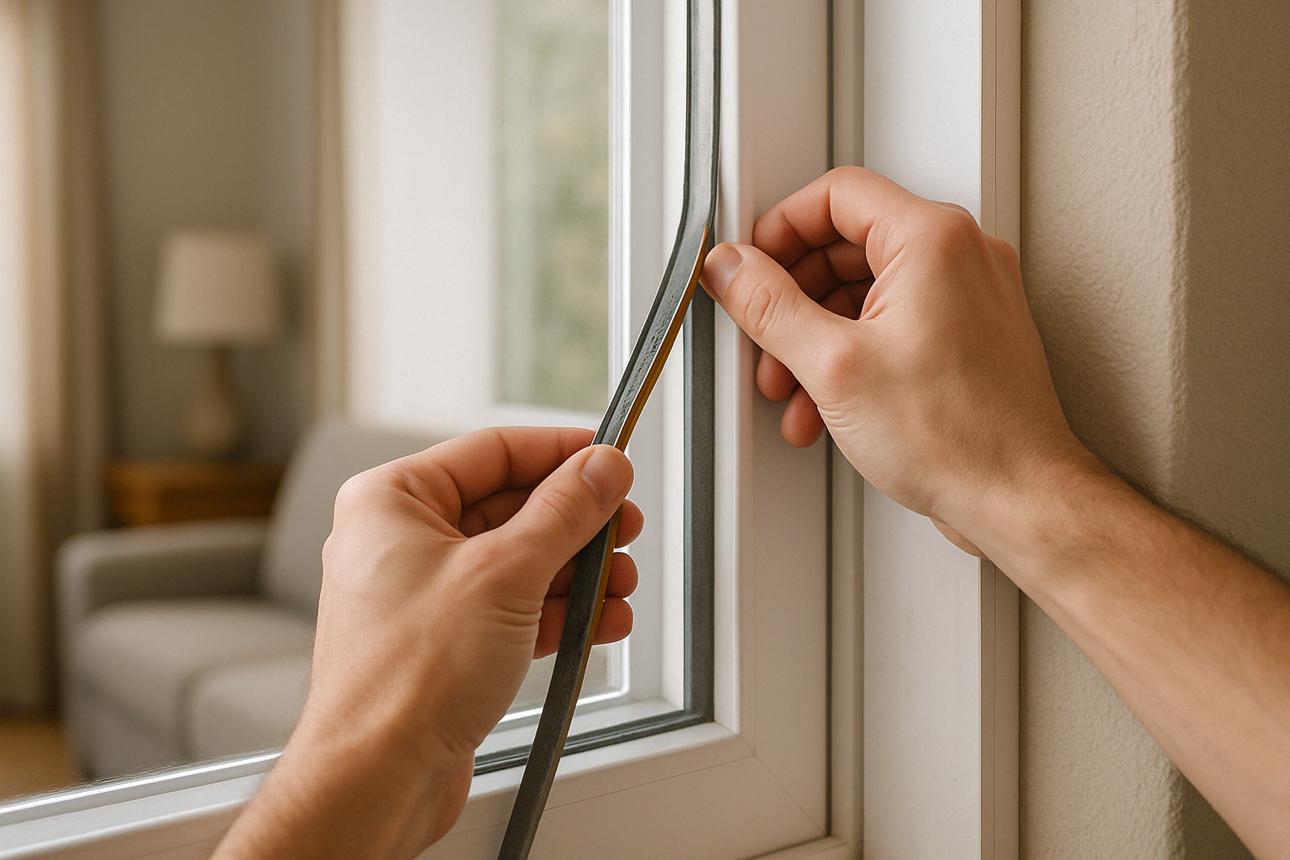
Seal draughts around windows and doors
Cold air entering around window frames and exterior doors can make rooms feel chilly even when the heating is on. Check for gaps, worn seals and poorly fitted door edges.
Weatherstripping and suitable draught excluders can be inexpensive improvements. Before sealing any opening, however, make sure you don't obstruct required ventilation, particularly in homes with combustion appliances.
Use curtains and blinds thoughtfully
Closing curtains after sunset can help reduce heat loss through windows, especially if the glazing is older. During sunny winter afternoons, opening curtains on sun-facing windows may allow useful warmth into the room.
Keep curtains and furniture clear of radiators so that warm air can circulate properly.
Set a sensible temperature
A comfortable setting for many occupied living spaces is around 19–21°C, although personal comfort, age and health can affect what's appropriate. The right temperature is the lowest setting at which household members remain comfortably warm.
Rather than heating every room equally, consider lowering the temperature in unused spaces where safe and practical. Avoid letting rooms become so cold that condensation or damp becomes a problem.
Program the heating around your routine
A programmable thermostat can prevent heating from running at full demand when nobody is home. If you work outside the house, schedule warmth for the times you actually need it rather than leaving the heating on continuously without considering your routine.
For renters or people on a limited budget, small improvements can still be worthwhile. Sealing a draughty door and adjusting the heating schedule may be more practical than replacing a working heating system immediately.
How can you shop Brico Depôt winter offers without overspending?
A good shopping strategy starts with identifying the problem you want to solve, then comparing products against a short list of requirements. The goal is to find suitable equipment at a fair total cost, not to buy something merely because it appears in a winter promotion.
Use this checklist before placing an order:
Measure the room and check the recommended heating capacity.
Compare the current price with the product's specifications and any available historical pricing information.
Include delivery, installation, accessories and fuel costs in your budget.
Check stock availability for your preferred delivery address or collection store.
Read the warranty, return policy and installation requirements.
Prioritise safety features and useful controls over decorative extras.
Look beyond the headline discount
A reduced price can be attractive, but the actual value depends on the product. A basic heater that suits an occasionally used office may be a better purchase than a more expensive model with features you'll rarely use.
Equally, the cheapest stove isn't necessarily the most economical option if it requires additional installation work or doesn't suit the size of the space.
Brico Depôt's heating catalogue is a convenient place to review available products and current listed prices. Confirm the final price and terms on the individual product page before making a decision.
One last practical tip: start looking before the coldest weeks arrive. It gives you more time to compare specifications, arrange installation and decide what your home actually needs, without rushing into a purchase.
Frequently asked questions
Does Brico Depôt sell wood-burning stoves in Spain?
Yes. Brico Depôt España lists wood-burning stoves and related fireplace products, alongside pellet stoves, electric fireplaces and accessories. Check the stoves and fireplaces catalogue for current availability and specifications.
When should I look for Brico Depôt Winter Heating deals in 2026?
Check the retailer's website as the weather cools and throughout the winter season. Promotions, stock and delivery options can change, so confirm the current offer rather than assuming a particular discount will be available.
Which electric heater uses the least electricity?
There isn't one universal winner. For direct electric heaters, consumption depends largely on power and operating time. A thermostat, timer and sensible room-heating strategy can help control costs. For regular heating, a heat pump may use substantially less electricity than a resistance heater for the same amount of delivered heat under suitable conditions.
Are wood-burning stoves suitable for flats?
Not always. A flat needs a suitable, compliant flue and appropriate permissions where applicable. Building rules, community regulations and installation requirements may limit what's possible. Check these issues before purchasing a stove.
How can I reduce heating bills without replacing my heater?
Seal draughts, use curtains effectively, programme heating periods, keep heat sources unobstructed and avoid heating unused rooms unnecessarily. These measures can improve comfort and reduce wasted energy.
What should I check before buying a radiator from Brico Depôt?
Review its wattage, recommended room coverage, thermostat, timer, safety features, dimensions, warranty and intended installation location. Compare the total price, including delivery, and choose a model that matches your actual heating needs.