Laundry is one of those household routines that quietly adds up. One wash may not seem like a major use of water or electricity, but multiply it by several loads a week, every week, and the numbers become much more meaningful.
For a busy household, the challenge is finding a balance between clean clothes, convenient cycles, and sensible resource use. That is where modern Washing Machines are becoming more interesting. Newer models can combine efficient motors and wash systems with sensors, automatic load detection, temperature controls, scheduling, and connected features designed to make everyday laundry more manageable.
The important point, though, is that a washing machine doesn't become efficient simply because it has an app or an AI label. Real efficiency comes from the combination of appliance design, appropriate wash programs, smart controls, and the way the machine is used.
So, what should you actually look for?
What Makes a Washing Machine Energy Efficient?
A washing machine uses resources in several ways. Electricity can be required to power the motor, controls, pump, and, depending on the machine and cycle, heat water. Water consumption varies according to the machine's design, selected program, load size, and other factors.
Modern Washing Machines can use sensors and automated controls to manage some of these variables more intelligently.
The most useful efficiency-related technologies include:
Load sensing
Automatic water-level adjustment
Efficient motor technology
Temperature management
Eco wash programs
Shorter cycles for suitable loads
Spin-speed optimization
Scheduling and smart monitoring
Usage or energy information through connected apps
Not every model includes all of these features, and the way they work can vary between manufacturers.
That's why looking at the complete appliance specification is more useful than choosing a machine simply because it is described as "smart."
How Smart Features Can Reduce Waste
Smart technology doesn't magically reduce consumption. Its real value is that it can help the machine or the person using it make better decisions.
Consider a typical Saturday morning. A family has a full basket of clothes, a smaller load of school uniforms, and several towels waiting to be washed.
A basic approach might involve choosing a familiar cycle for everything.
A modern machine may offer more flexibility. A smaller load can potentially use an appropriate lower-resource cycle, while a larger or heavily soiled load can receive a more suitable program.
That difference may seem small on one wash. Across dozens or hundreds of cycles, however, making appropriate choices becomes much more significant.
1. Load Sensors Can Adjust Water Use
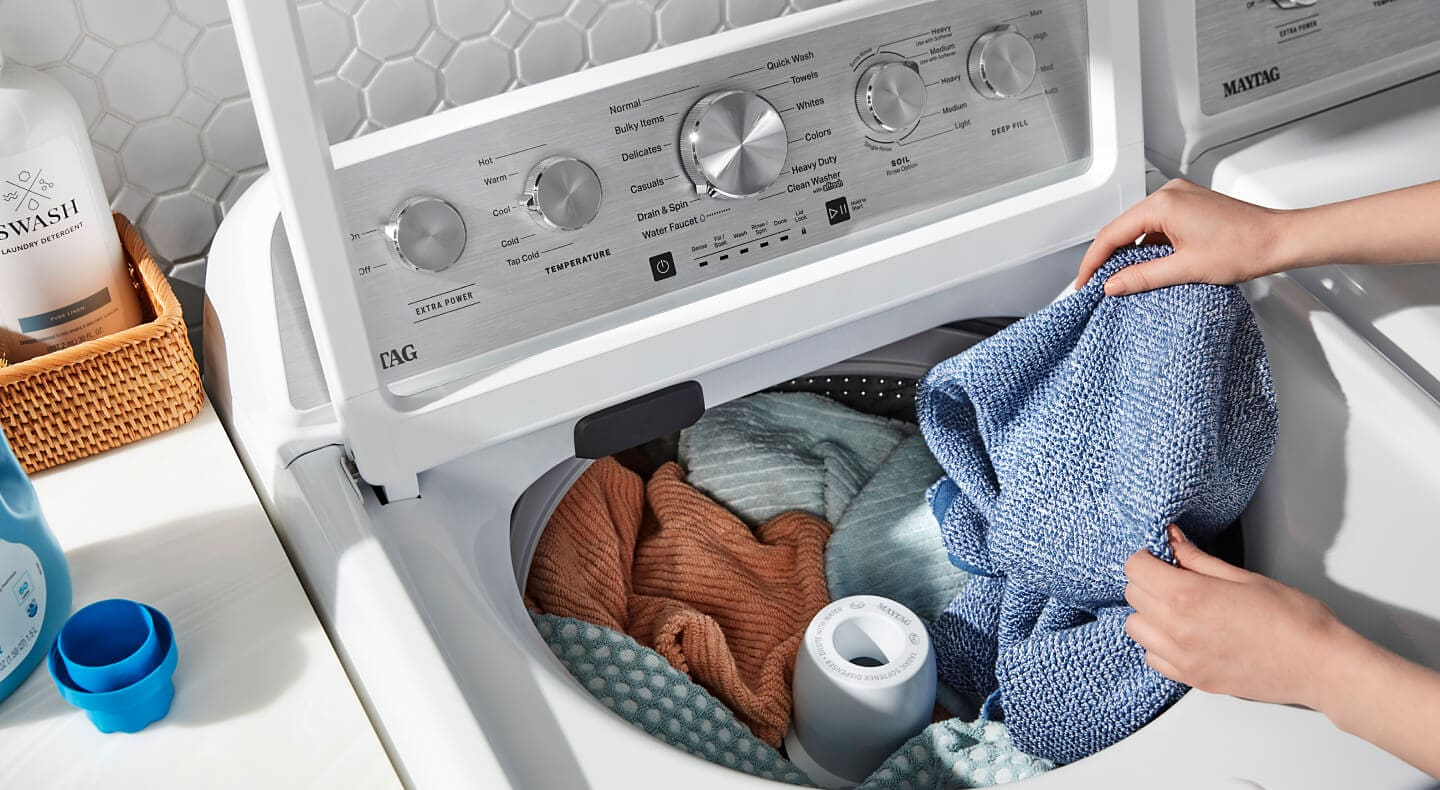
One of the most useful technologies to look for is load sensing.
Instead of treating every wash as though the drum contains the same amount of clothing, some machines can detect or estimate aspects of the load and adjust parts of the washing process.
Depending on the model, this may influence water levels, cycle duration, or other operating parameters.
Why it matters
Imagine washing three shirts and a pair of trousers. You don't necessarily need the same resources as a completely full drum of laundry.
A machine capable of responding to different load sizes can make more sensible use of water and energy.
However, load sensing is not a reason to deliberately run very small loads all the time. Combining appropriately sized loads is often an important part of efficient laundry habits too.
2. Eco Programs Can Reduce Resource Use

Many modern Washing Machines include an eco-oriented program designed to use resources differently from standard cycles.
The exact operation varies, but eco programs may prioritize lower resource consumption over speed.
This is an important distinction because an efficient cycle isn't necessarily the fastest one.
Eco cycle vs. quick cycle
Feature | Eco-focused cycle | Quick cycle |
|---|---|---|
Main goal | Resource efficiency | Save time |
Best suited to | Suitable everyday loads | Small or lightly soiled loads |
Cycle duration | May be longer | Usually shorter |
Resource strategy | Designed around efficient operation | Designed around speed |
Best use | When time isn't critical | When clothes need a quick refresh |
A common misconception is that the shortest wash must use the least energy.
That's not always the case. The correct choice depends on how the particular machine's cycles are designed.
3. Temperature Has a Major Role
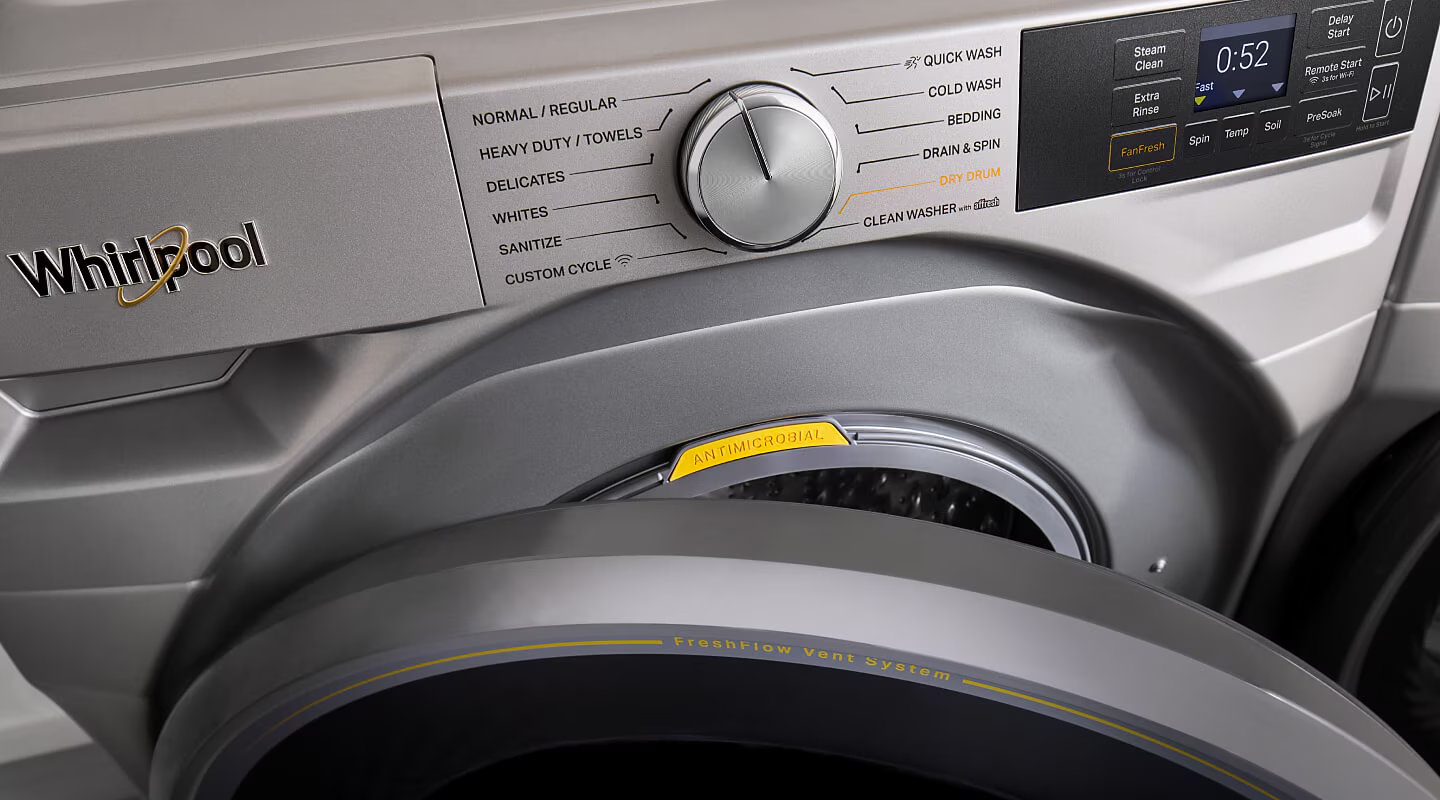
Heating water can require substantial energy, so washing at an unnecessarily high temperature may increase electricity consumption.
Modern machines often provide several temperature options, allowing users to match the wash to the clothing and cleaning requirement.
For many everyday loads, a lower-temperature setting may be appropriate when the garment care instructions and detergent support it.
The important principle is simple:
Don't automatically choose the hottest setting. Choose the temperature appropriate for the load.
Heavily soiled items, hygiene-sensitive laundry, or specific fabrics may require different treatment. Always follow garment labels and the washing machine manufacturer's guidance.
4. Efficient Motors Can Make a Difference
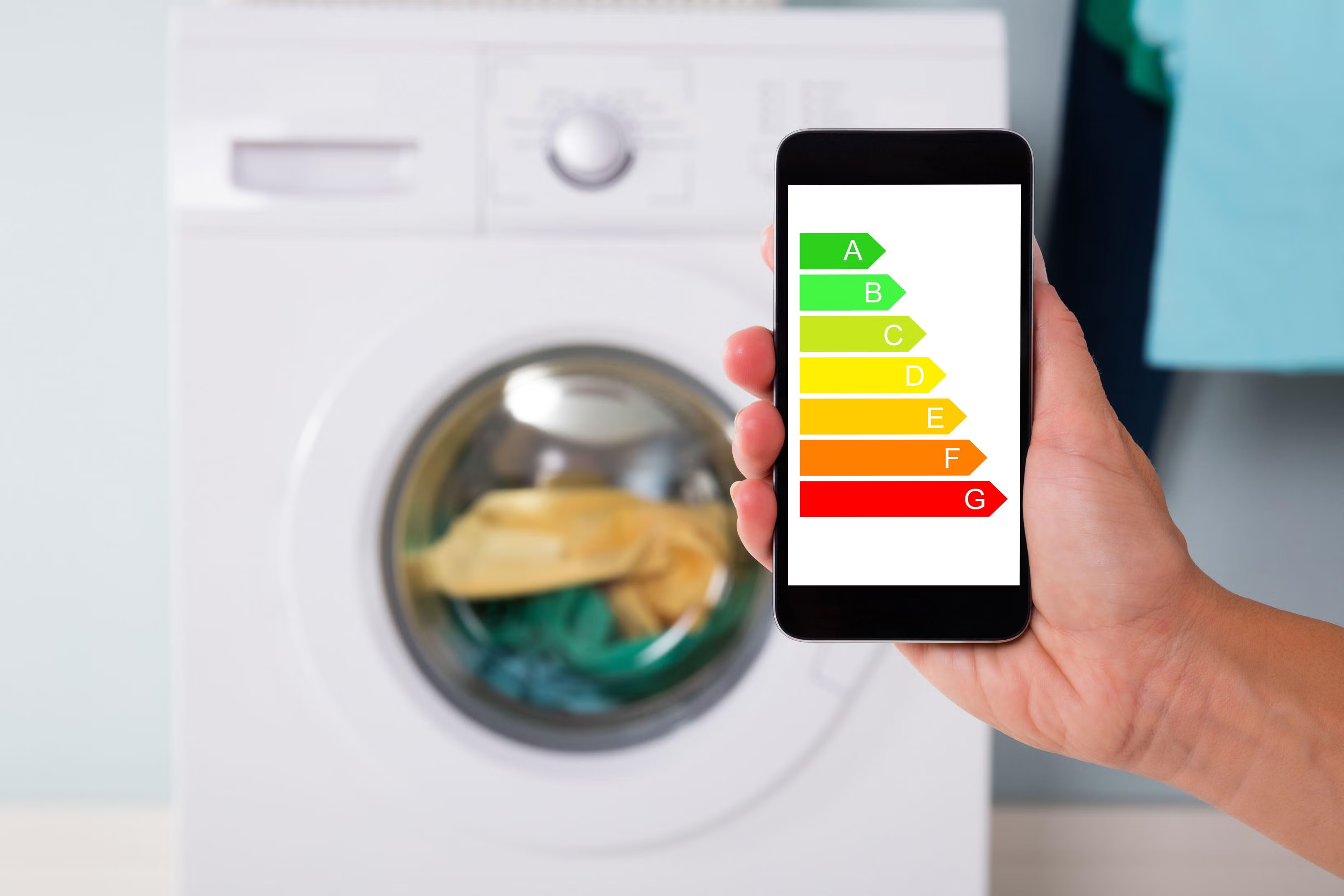
The motor is at the heart of a washing machine, so motor design matters when considering long-term energy use.
Many modern appliances use electronically controlled motor technologies designed to operate efficiently and, in some cases, with reduced noise and vibration.
This is one reason it is worth looking beyond smart connectivity when comparing machines.
A washing machine with a sophisticated app but inefficient hardware isn't necessarily a better efficiency choice than a well-designed machine with fewer connected features.
When comparing models, look at:
Motor technology
Energy-use specifications
Water-use information
Spin performance
Available wash programs
Manufacturer efficiency information
Smart features should complement efficient hardware rather than distract from it.
5. Smart Scheduling Can Help You Use the Machine More Intentionally
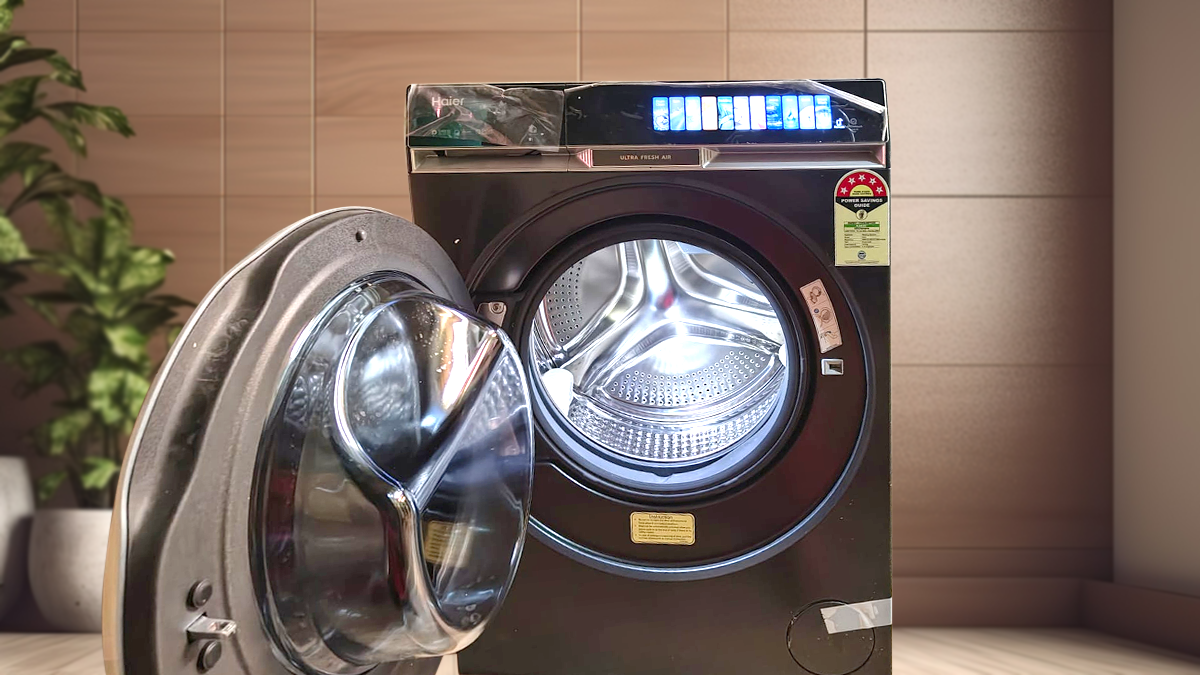
Scheduling may not directly make a washing machine's motor more efficient, but it can make laundry easier to manage.
For households with predictable routines, scheduled washing can help avoid forgotten loads and unnecessary repeat cycles.
For example:
7:00 AM: Load clothes before leaving.
8:00 AM: Washing begins according to the selected schedule.
Later: A phone notification confirms that the cycle has finished.
This can be useful for families that regularly forget about laundry after starting a cycle.
The benefit is less about the schedule itself and more about building a controlled routine around laundry rather than letting loads run whenever someone remembers.
6. Smart Apps Can Make Consumption Easier to Understand

Some connected Washing Machines provide information about cycles, usage, maintenance, or other aspects of operation through an app.
This can turn efficiency from an abstract idea into something easier to understand.
Instead of simply knowing that a machine is marketed as efficient, users may be able to see more information about how they operate it.
That creates an opportunity to improve habits.
For example, you might notice that most of your laundry is being washed on unnecessarily intensive programs. Or perhaps you realize that small loads are being run more frequently than expected.
The technology becomes useful when it helps you make better decisions.
7. Spin Efficiency Can Reduce Drying Energy
There is another part of the laundry process that is easy to overlook: drying.
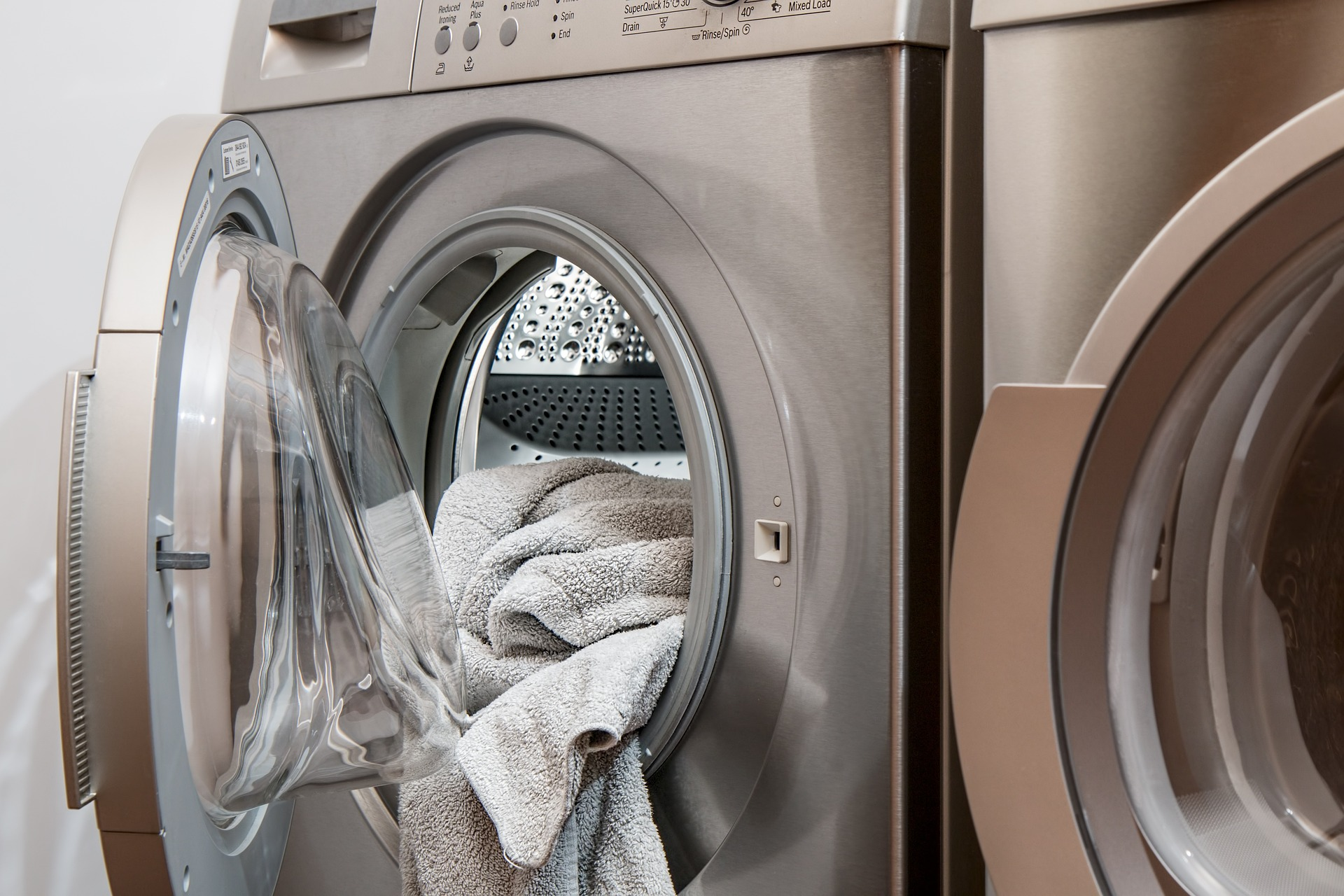
A washing machine's spin cycle removes water from clothes before they leave the drum. Depending on the laundry setup, better water extraction can potentially reduce the amount of work required during subsequent drying.
This is especially relevant for households using a tumble dryer.
However, higher spin speeds aren't suitable for every fabric. Delicates and certain garments may require gentler settings.
The practical approach is to use the appropriate spin setting for the load rather than automatically choosing the maximum.
Smart Feature vs. Real Efficiency
It's worth separating marketing language from measurable benefits.
Feature | Potential benefit | What to check |
|---|---|---|
Load sensing | May adjust operation for different loads | How the manufacturer describes its function |
Eco cycle | Designed for lower resource use | Energy and water specifications |
Efficient motor | Can improve operating efficiency | Motor and appliance specifications |
Temperature control | Helps avoid unnecessary heating | Available temperature settings |
App monitoring | Helps users manage cycles | Actual app functionality |
Scheduling | Supports planned laundry | Whether remote/scheduled operation is supported |
Smart diagnostics | Helps with maintenance | Supported alerts and service features |
This is where a little research pays off.
A machine should be evaluated on its complete performance rather than the number of smart features listed on the product page.
A Simple Efficiency Checklist for Buyers
Before buying Washing Machines, ask these questions:
Water use
Does the machine provide clear water-consumption information?
Does it have load sensing or automatic water management?
Is there an appropriate eco program?
Electricity use
What efficiency information does the manufacturer provide?
Does the machine offer lower-temperature programs?
Does it use an efficient motor?
Smart controls
Can the app provide useful cycle information?
Are notifications available?
Does scheduling make sense for your routine?
Are there useful maintenance alerts?
Everyday practicality
Is the drum capacity suitable for your household?
Are the programs relevant to the clothes you wash?
Is the machine quiet enough for its location?
Are installation and maintenance requirements manageable?
How Much Difference Can Your Habits Make?
The exact savings from an efficient washing machine depend on the appliance and how it is used, so it's better not to promise a universal percentage.
But the basic principle is easy to understand.
Suppose one household frequently runs half-full loads using intensive, high-temperature programs. Another household combines appropriate loads, uses lower temperatures when suitable, and selects efficient programs for everyday clothing.
Even if both households own similarly capable machines, their resource consumption can be different.
Small habits worth adopting
Wash full but not overloaded loads where practical.
Choose the lowest suitable temperature.
Use eco programs when time isn't a concern.
Reserve intensive cycles for loads that genuinely need them.
Use quick cycles for suitable lightly soiled loads.
Follow garment-care instructions.
Keep the machine maintained according to the manufacturer's guidance.
Efficiency is rarely the result of one magic feature. It is usually the result of many sensible decisions repeated over time.
Choosing the Right Smart Washing Machine
If you're replacing an older appliance, it can be tempting to focus on the newest connected features.
Instead, work through the priorities in this order:
1. Capacity
Choose a drum size appropriate for your household.
2. Core efficiency
Review the appliance's energy and water-use information.
3. Washing performance
Make sure the available cycles suit your everyday laundry.
4. Motor and spin performance
Consider efficiency, noise, vibration, and drying needs.
5. Smart features
Choose app controls, scheduling, sensors, or other connected functions that you'll genuinely use.
This approach prevents technology from becoming a distraction from the fundamentals.
The Future of Efficient Washing Machines
The direction of modern laundry technology is moving toward greater automation.
Sensors can help machines respond to different loads. Connected apps can provide more information. Smart programs can make selecting appropriate settings easier. AI-assisted features may increasingly help personalize cycles as manufacturers develop their systems.
But the goal shouldn't be technology for its own sake.
The most useful future washing machine may be the one that quietly makes sensible decisions in the background while giving users enough information and control to understand what's happening.
That's a much more practical vision of a smart home: appliances that save time, reduce unnecessary waste, and fit naturally into everyday life.
Final Thoughts
Energy-efficient Washing Machines are not defined by a single feature.
Efficient motors, load sensing, temperature control, eco programs, appropriate spin settings, and connected monitoring can all contribute to a more thoughtful approach to laundry. But how you use the machine remains just as important.
For shoppers, the smartest approach is to look past flashy specifications and ask a more useful question: Will this feature help me use less water or electricity, or will it simply make the appliance sound more advanced?
Choose a machine with strong fundamentals first. Then look for smart features that make those fundamentals easier to use.
Over hundreds of laundry cycles, those small improvements can turn into a meaningful difference—not just for household resource use, but also for making one of the most repetitive chores a little easier to manage.
Frequently Asked Questions
1. What makes a washing machine energy efficient?
Efficiency can depend on the machine's motor, water management, cycle design, temperature settings, load capacity, and how the appliance is used. Look for clear energy and water-use information when comparing models.
2. Can smart washing machines reduce water consumption?
Some models use load sensing and automatic water management to adjust operation according to the load. The exact benefit depends on the machine and selected cycle.
3. Do eco wash programs use less electricity?
Eco programs are generally designed with resource efficiency in mind, but the exact energy and water consumption varies by model and program. Check the manufacturer's specifications.
4. Does washing clothes at a lower temperature save energy?
Lower-temperature washing can reduce the energy required to heat water, although the appropriate temperature depends on the clothing, detergent, hygiene requirements, and manufacturer's recommendations.
5. Are quick wash programs more energy efficient?
Not necessarily. Quick programs are primarily designed to save time and are generally intended for suitable smaller or lightly soiled loads. An eco program may use a different approach to resource efficiency.
6. How does load sensing work?
Load-sensing technology uses information about the laundry load to help determine aspects of the washing process. Depending on the machine, this can influence water use, cycle duration, or other settings.
7. Can a washing machine's spin cycle help save energy?
Effective water extraction during spinning can potentially reduce the amount of energy needed for subsequent drying, particularly when clothes are transferred to a tumble dryer. The appropriate spin speed depends on the fabric and garment-care instructions.
8. Are smart washing machine apps useful for saving energy?
Apps can help users monitor cycles, receive notifications, schedule washes, and, on some models, access usage information. Their value depends on the features offered and how consistently they are used.
9. Should I buy a washing machine with AI?
AI can be useful when it provides meaningful load detection, cycle recommendations, or other practical automation. It shouldn't replace consideration of capacity, efficiency, washing performance, reliability, and operating costs.
10. What is the best way to reduce washing machine energy use?
Use appropriately sized loads, choose suitable lower-temperature programs when possible, avoid unnecessary intensive cycles, use efficient programs, maintain the appliance properly, and follow the manufacturer's recommendations.