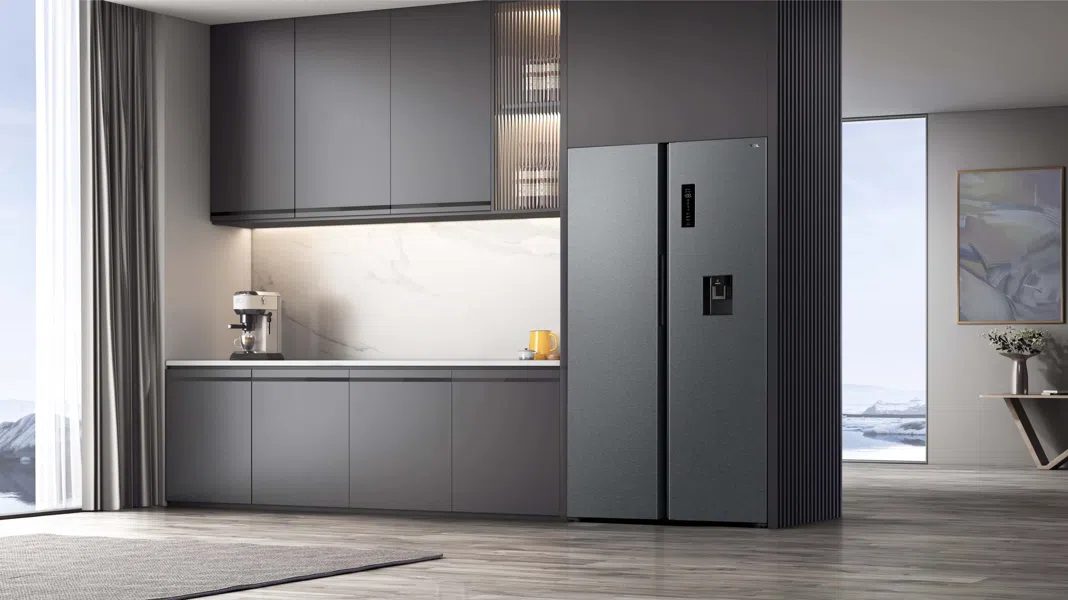
Choosing the right refrigerator comes down to household size, available kitchen space, food storage habits and energy consumption. Conforama gives shoppers in Spain a convenient place to explore home appliances and compare refrigerator options, making it a useful starting point when planning a kitchen upgrade. Before choosing a model, decide how much fresh and frozen food you need to store, measure the installation space carefully and consider whether a freestanding, built-in, combi or American-style refrigerator suits your home.
Smaller households may find a compact refrigerator or a modest fridge-freezer combination sufficient, while families often benefit from greater capacity, adjustable shelves and a larger freezer compartment. The right configuration also depends on how you shop. People who buy fresh ingredients several times a week may need a different layout from those who prepare meals in advance or store frozen food in bulk.
Energy efficiency, noise levels, door clearance and delivery arrangements deserve attention alongside the purchase price. When browsing Conforama, compare the usable capacity in litres, energy labels, dimensions and specific features rather than choosing by appearance alone. This approach helps you find a refrigerator that fits your kitchen, supports your daily routine and offers practical value over time.
How Much Refrigerator Capacity Do You Need?
The right refrigerator capacity depends on how many people live in your home, how often you shop and how much frozen food you keep. A larger household generally benefits from more usable space, but buying a bigger appliance than you need can waste both kitchen space and energy.
As a starting point, consider these approximate capacity ranges:
Household | Suggested total capacity | What to prioritise |
|---|---|---|
One person | 100–200 litres | Compact design, simple storage |
Two people | 150–300 litres | Flexible shelves, practical freezer |
Three to four people | 250–400 litres | Larger fresh-food section, spacious drawers |
Five or more people | 350–500+ litres | Generous storage and freezer capacity |
These are planning estimates rather than strict rules. Shopping habits can make a considerable difference. A couple who cooks daily and buys fresh produce in bulk might need more room than a family that shops in smaller quantities several times a week.
Why should you compare fridge and freezer capacity separately?
The total litre figure doesn't tell you how the space is divided. Two Refrigerators with similar overall capacity might offer very different amounts of fresh-food and frozen-food storage.
For example, a household that freezes batch-cooked meals may prefer a model with a larger freezer, while someone who buys fresh vegetables, dairy products and ingredients frequently may want more refrigerator space.
Conforama's current Spanish catalogue includes combi models with capacities around 250–400 litres, alongside larger side-by-side appliances and compact tabletop refrigerators. This variety gives shoppers different starting points depending on their kitchen and routine.
One practical trick is to look at your existing fridge before replacing it. If the shelves are constantly crowded, more capacity might help. If several shelves remain empty, a smaller model could make better use of the space.
Which Refrigerator Configuration Is Best for Your Kitchen?
The best configuration depends on your available floor space, preferred freezer location and how you access food throughout the day. Combi, two-door, side-by-side, multi-door and under-counter designs each suit different households.
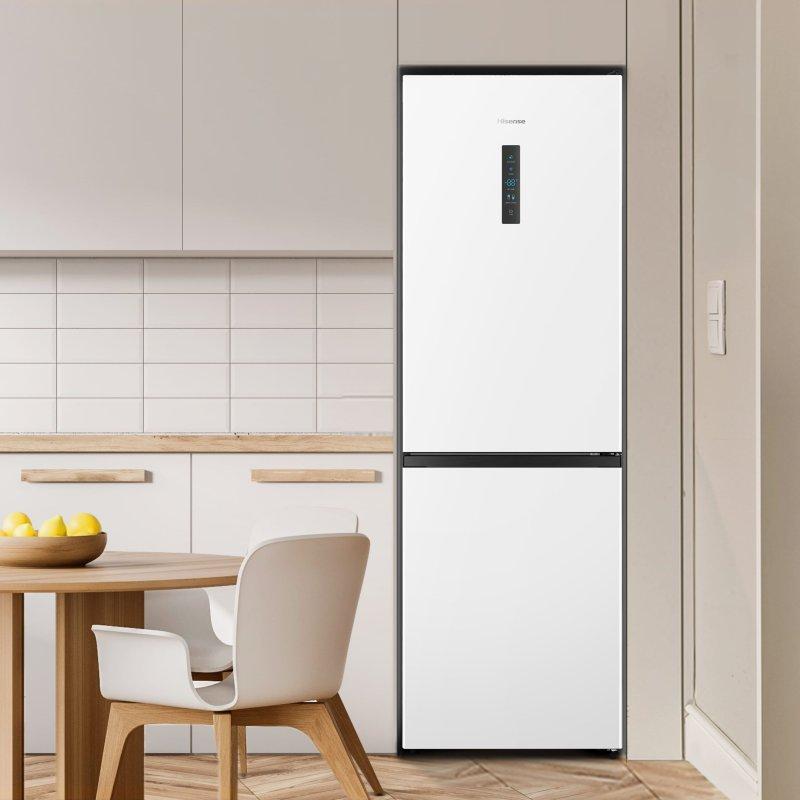
Combi refrigerators
A refrigerator on top and freezer below is a practical choice for many households. Everyday fresh food stays at a convenient height, while frozen items are stored in the lower section. Conforama lists combi models in a range of sizes and finishes.
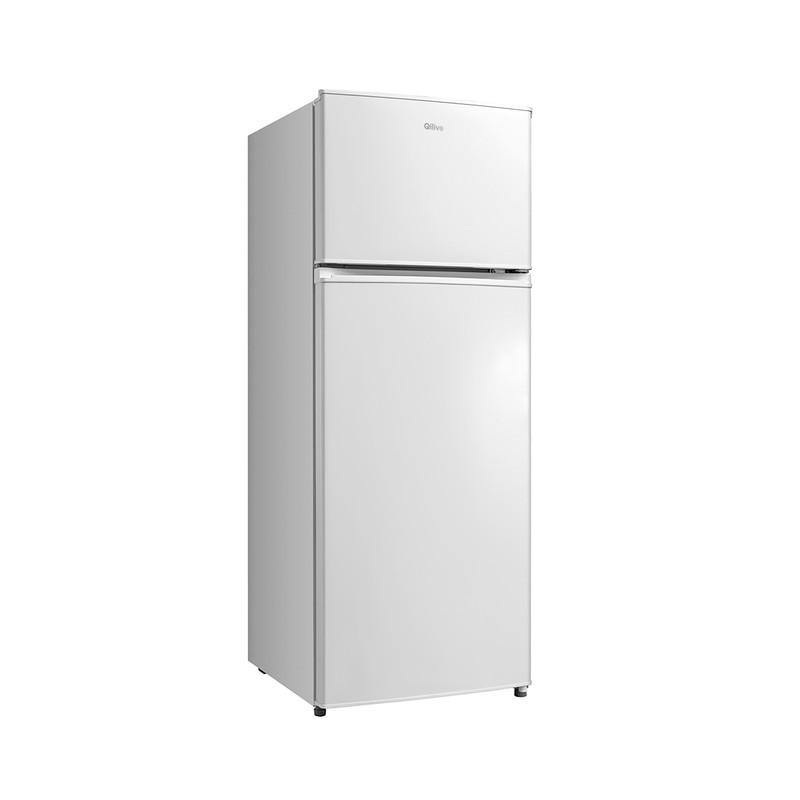
Two-door refrigerators
These generally separate the refrigerator and freezer into distinct compartments, often with the freezer above. They can suit people who want a straightforward layout and don't need a particularly large freezer drawer.
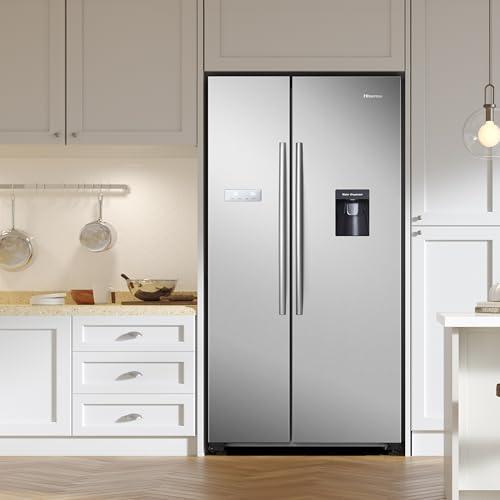
Side-by-side refrigerators
With the fridge and freezer next to each other, these models offer substantial storage and convenient access to both sections. They can suit larger households, but their width needs careful checking. Some models include ice or water features.
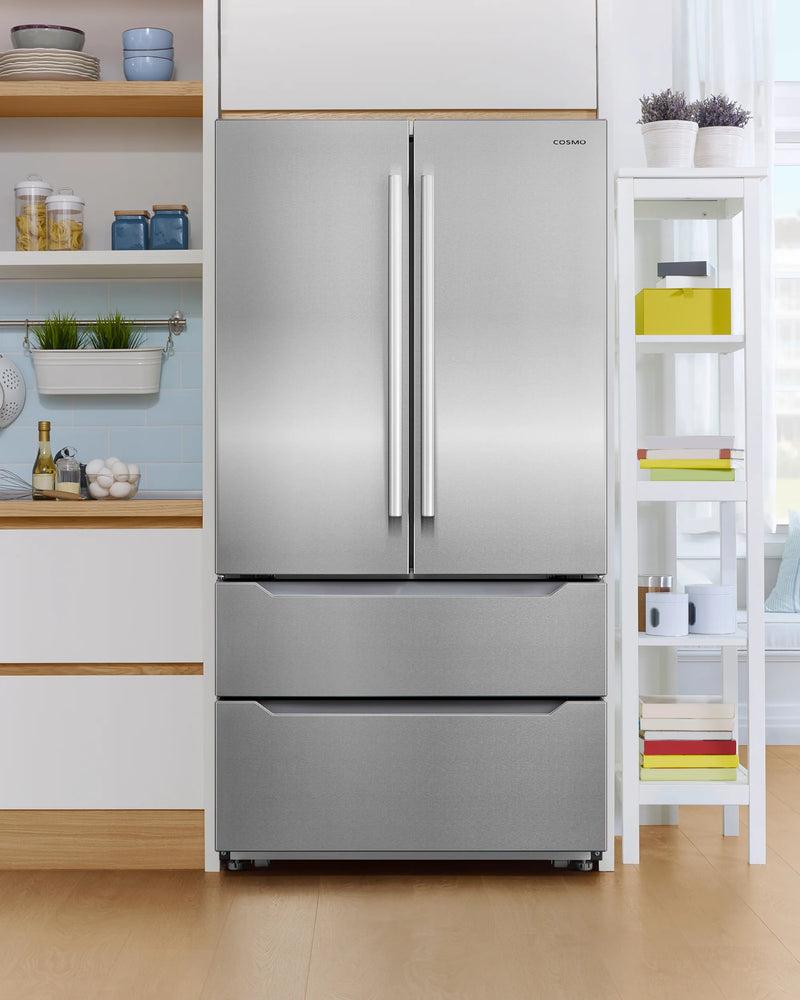
Multi-door refrigerators
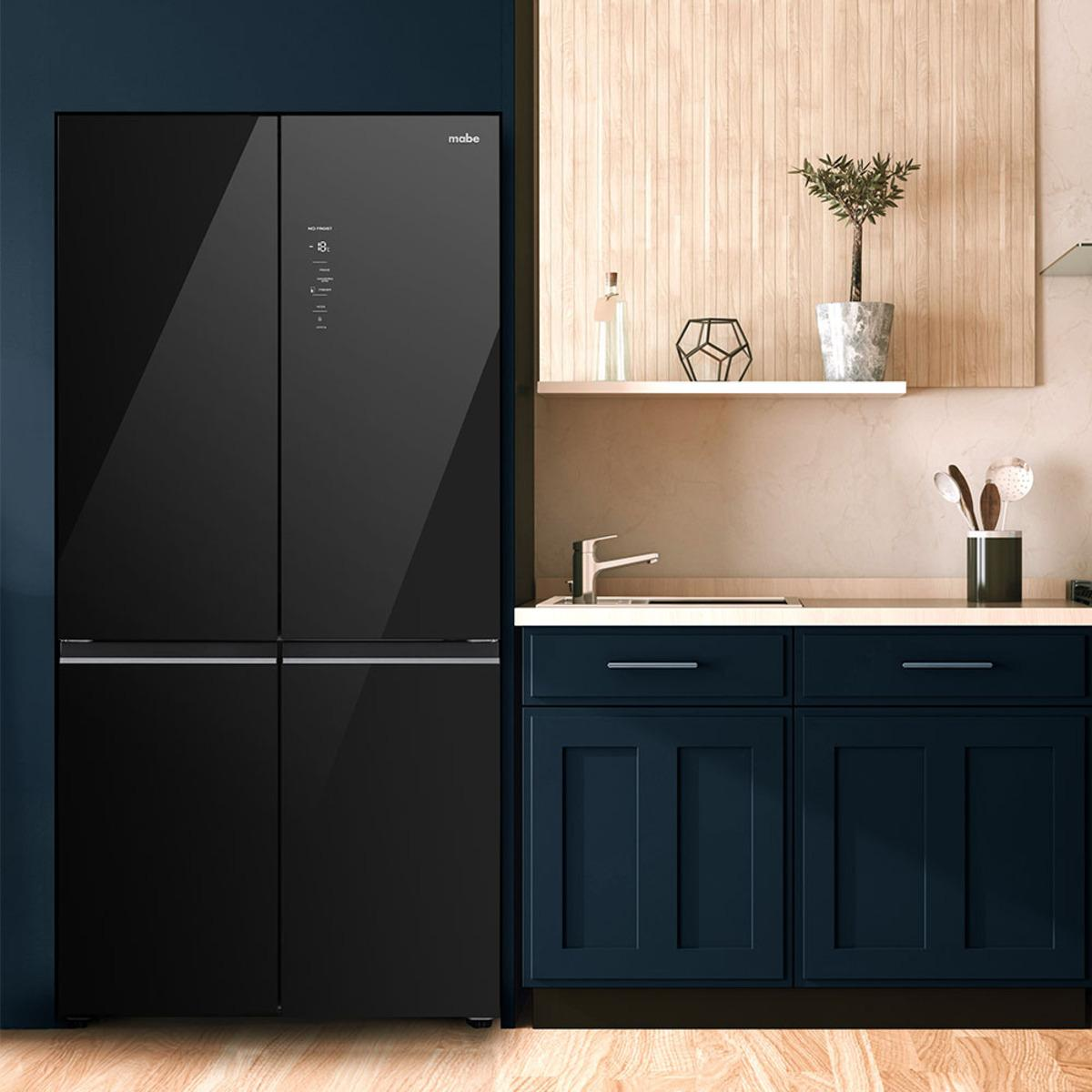
These provide separate compartments for different types of food and can make organisation easier. They are worth considering if you have a larger kitchen and want flexible storage, although the extra configuration may not be necessary for a smaller household.
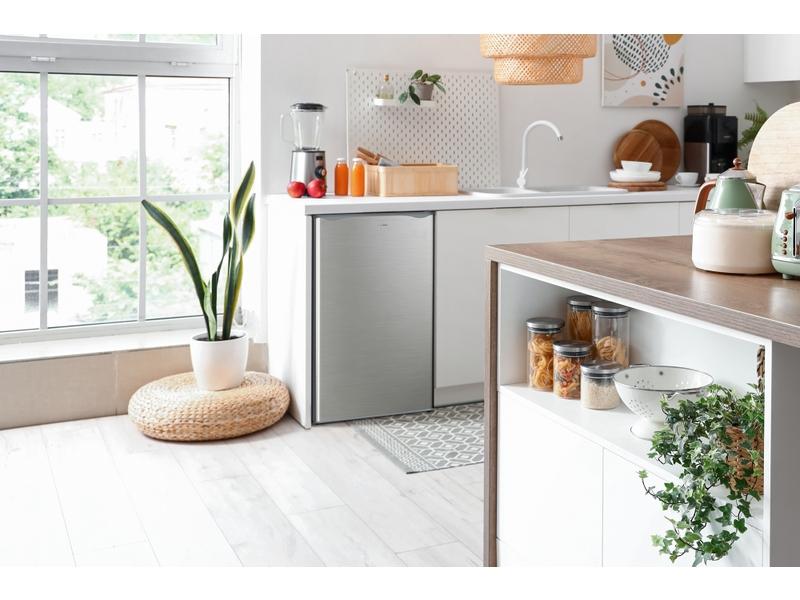
Compact and tabletop refrigerators
These are useful for studios, offices, guest rooms or secondary food storage. Their smaller capacity makes them less suitable for households that regularly cook large meals or store lots of frozen food.
Should you choose a freestanding or built-in refrigerator?
A freestanding model is generally easier to position and replace, provided you have the required space and ventilation. A built-in refrigerator is designed to sit within kitchen cabinetry, creating a more integrated appearance.
Built-in appliances need particularly careful measurements. Check the installation niche, ventilation requirements, door hinges and the cabinet door system before ordering. A model's external dimensions alone won't confirm that it fits.
When browsing Conforama, check the product description to confirm whether the refrigerator is freestanding or designed for integration. This small detail can save considerable hassle during installation.
Which Energy Efficiency and Cooling Features Matter Most?
Choose a refrigerator by comparing its current EU energy label, annual electricity consumption and cooling features. No Frost technology can reduce manual defrosting, while adjustable storage and temperature controls make everyday use more convenient.
How do you read the refrigerator energy label?
Refrigerators sold in the EU use an energy efficiency scale from A to G, with A representing the highest efficiency class. The label also displays annual energy consumption in kilowatt-hours, usable refrigerator and freezer volumes, and airborne noise information.
Don't judge efficiency by the letter alone. Compare the annual kWh figure across models of similar capacity to understand how much electricity each uses.
For example, if one refrigerator consumes 180 kWh annually and another consumes 240 kWh, the difference is 60 kWh per year. Multiply that figure by your electricity tariff to estimate the annual running-cost difference.
A more efficient model may cost more upfront, so consider the purchase price alongside expected running costs and how long you intend to keep the appliance.
Is No Frost worth paying for?
No Frost technology helps prevent ice and frost from building up inside the freezer, reducing the need for manual defrosting. It's particularly convenient if you store frozen food regularly or prefer a lower-maintenance appliance.
Other features worth considering include:
Adjustable shelves: Make it easier to store tall bottles, large containers and occasional oversized items.
Humidity-controlled drawers: Can help create suitable storage conditions for certain fresh foods.
Door-open alarms: Alert you if the door is left open.
Quiet operation: Especially useful in open-plan kitchens or small apartments.
Reversible doors: May allow the door to open in the direction that suits your layout, where the model supports it.
Not every feature is worth paying extra for. If you rarely use frozen food, for instance, a large freezer with advanced controls may offer little practical benefit. Focus on the functions you'll use most often.
How Can You Make Sure a Refrigerator Fits Your Kitchen?
Measure the available width, height and depth, then check the manufacturer's installation requirements, door swing and delivery route. A refrigerator must fit its designated space while still allowing adequate ventilation and convenient access.
This is one of those purchases where measuring twice really does help.
Before ordering, record:
The width between cabinets or walls.
The height beneath any overhead cupboard.
The available depth, including whether the door can project beyond the cabinets.
The space required for door opening and drawer removal.
The route from the entrance to the kitchen, including narrow corridors, stairs and lifts.
Check the product specifications for ventilation clearances rather than assuming every refrigerator needs the same gap. Some models also require specific conditions around the rear wall or sides.
Think about everyday movement, too. If the refrigerator door opens into a dining area or blocks a kitchen drawer, the layout may become inconvenient even if the appliance technically fits.
Conforama's product listings include models with different heights, widths and depths. For instance, its catalogue covers compact tabletop units as well as full-height combi and wider American-style refrigerators. Always confirm the exact dimensions of your chosen model before purchase.
Finally, check delivery arrangements and whether installation or removal of your old appliance is included. These services can depend on the product, location and selected delivery option.
How Should You Compare Refrigerator Prices at Conforama?
Compare refrigerators by their usable capacity, energy consumption, configuration, included features and total delivered cost. Conforama Spain's online catalogue lets shoppers browse different refrigerator types and filter options such as price, energy class, No Frost functionality and seller.
A good comparison starts with your needs rather than a discount percentage.
For example, someone furnishing a small rental apartment may be perfectly comfortable with a compact fridge or a modest combi model. A family that prepares meals for the week could benefit more from a larger freezer and adjustable compartments.
When comparing options, use this simple checklist:
What to compare | Why it matters |
|---|---|
Total price | Keeps the purchase within budget |
Capacity in litres | Shows how much usable storage is available |
Energy class and kWh/year | Helps estimate long-term running costs |
Dimensions | Confirms the appliance fits the kitchen |
Cooling technology | Affects maintenance and convenience |
Seller and delivery terms | Clarifies who supplies the product and how it arrives |
Warranty and returns | Helps you understand support and your options after purchase |
The Conforama website includes products sold directly by Conforama and items offered through its marketplace. Check the seller information and applicable terms for the exact product you select, as delivery and after-sales arrangements may vary.
If you've narrowed your choices to two or three models, compare their specifications side by side. Paying slightly more for the right capacity, lower energy consumption or a more suitable configuration may be worthwhile, but only if the difference solves a real need.
Ready to compare your options? Visit Conforama Spain's refrigerator section to explore current models, review specifications and check available offers. Take your measurements and household capacity requirements with you, and the decision should become much simpler.
FAQs About Conforama Refrigerators
1. What refrigerator capacity is suitable for a family of four?
A total capacity of approximately 250–400 litres is a useful starting point for a family of four. The ideal size depends on cooking habits, shopping frequency and how much frozen food the household stores.
2. What is the difference between a combi and a side-by-side refrigerator?
A combi refrigerator usually has the refrigerator compartment above a lower freezer. A side-by-side model places the refrigerator and freezer next to each other, often providing substantial storage but requiring more width.
3. Are No Frost refrigerators worth buying?
No Frost models help prevent ice accumulation and reduce the need for manual freezer defrosting. They are especially useful for households that regularly store frozen food and want easier maintenance.
4. What energy efficiency class should I look for?
Compare models using the EU A-to-G energy scale and check annual electricity consumption in kWh. A higher efficiency rating generally indicates lower energy use relative to the label's scale, but compare appliances of similar capacity for a fairer assessment.
5. Does Conforama Spain sell compact refrigerators?
Yes. Its Spanish refrigerator catalogue includes compact tabletop models as well as larger appliances. Check the current product listings for capacity, dimensions, availability and price.
6. What should I measure before ordering a refrigerator?
Measure the installation space's width, height and depth, and check the required ventilation clearance. Also measure doorways, hallways and stairs along the delivery route, and confirm that the appliance doors can open properly in your kitchen.
7. Where can I compare Conforama refrigerator offers?
Visit the official Conforama Spain refrigerator catalogue. You can explore available models, compare features and review current prices and seller information before making a decision.