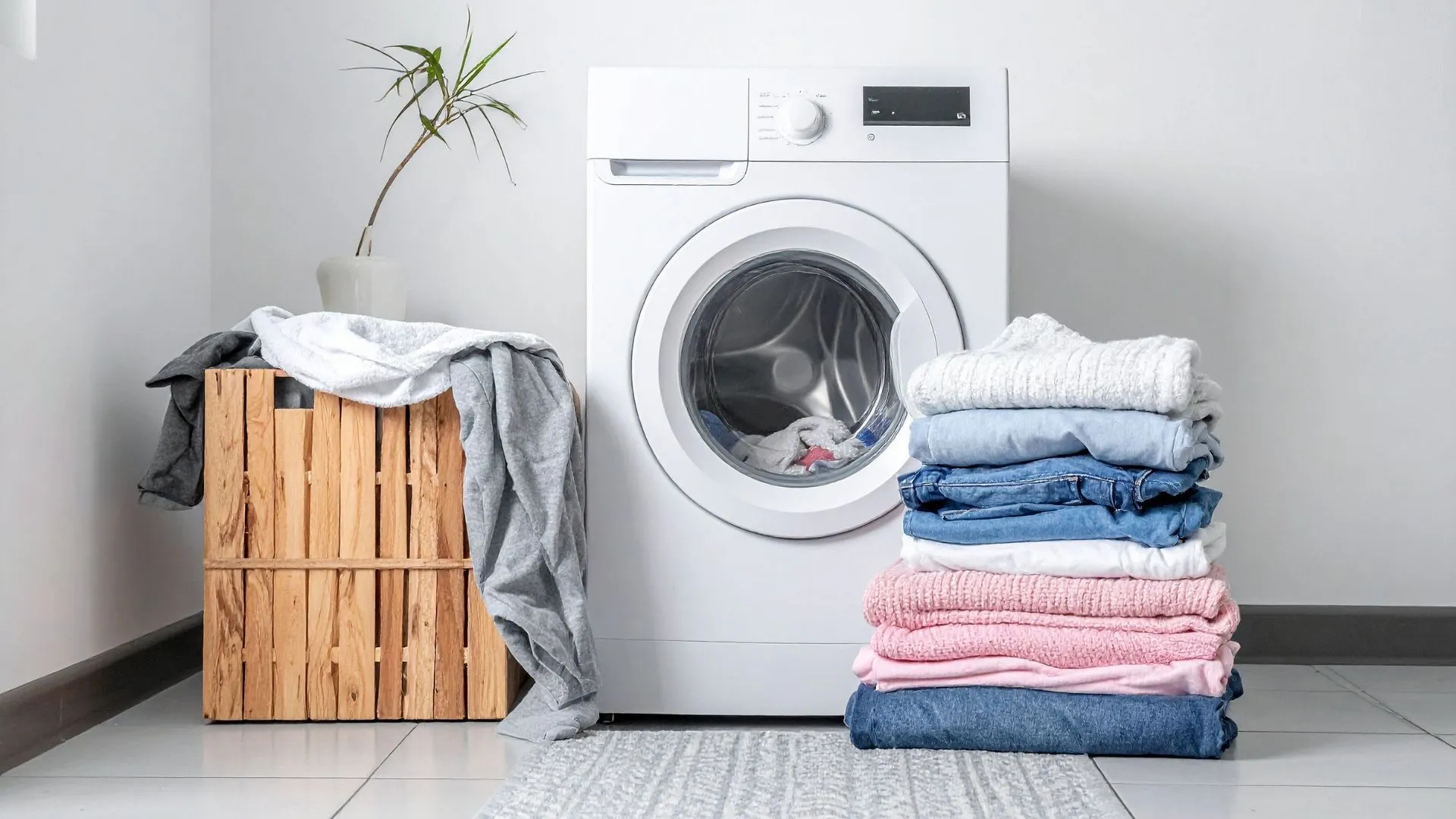
Laundry has a way of expanding to fill whatever time you have available. For a busy family, washing clothes is rarely just about putting garments into a machine and pressing start. There are school uniforms, work clothes, sports kits, towels, bedding, delicate fabrics, and those unexpected loads that seem to appear just when the week is already packed.
That is where modern Washing Machines can make everyday laundry easier. Today's smart models combine larger capacities and specialized wash programs with connected controls, automatic notifications, scheduling, energy-management features, and cycle customization.
But choosing a smart washing machine isn't simply about buying the model with the longest feature list. The right machine should fit the family's actual laundry habits.
Do you wash several loads every week? Need to check a cycle while you're away from home? Frequently forget clothes in the drum? Have children who generate extra sportswear and school uniforms?
This guide looks at the features that can genuinely make a difference and explains what busy families should consider before choosing their next Washing Machines setup.
What Makes a Washing Machine Smart?
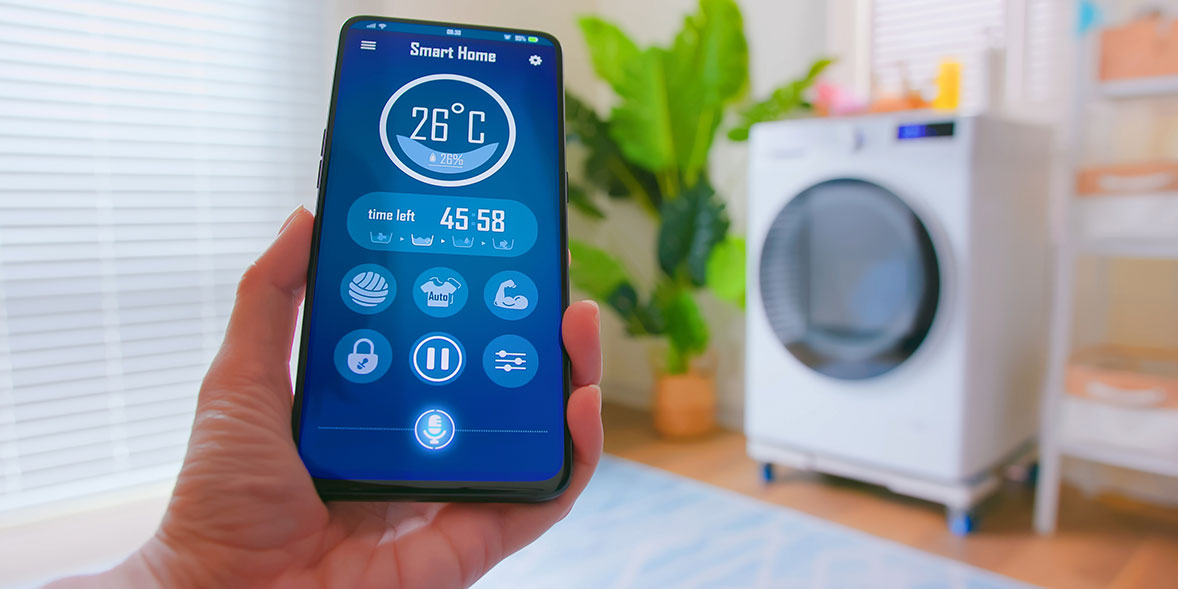
A conventional washing machine handles the basic job of washing and rinsing clothes. A smart model adds connectivity, automation, or additional digital controls.
Depending on the manufacturer and model, smart functionality may include:
Smartphone app control
Cycle monitoring
Notifications when a wash finishes
Remote start or control
Customized wash programs
Scheduling
Maintenance alerts
Energy or water-use information
Integration with selected smart-home platforms
Automatic cycle recommendations
The exact feature set varies considerably, so it is worth checking what the machine actually allows you to do rather than assuming every connected appliance works the same way.
Smart Washing Machine Feature Snapshot

Feature | Why families may find it useful |
|---|---|
App connectivity | Check or manage laundry remotely |
End-of-cycle alerts | Helps prevent forgotten clothes |
Scheduling | Fits laundry around school and work |
Large capacity | Handles bigger family loads |
Specialized cycles | Useful for different fabrics and clothing |
Quick wash | Convenient for lightly soiled items |
Maintenance alerts | Helps with routine care |
Energy information | Makes consumption easier to monitor |
Child lock | Adds an extra layer of control |
Load sensing | Can adjust operation according to the load on supported models |
The best features are the ones that reduce repetitive tasks rather than simply adding technology for its own sake.
1. Choose the Right Capacity First
Before considering Wi-Fi, apps, or voice control, look at capacity.
A washing machine that is too small can create more work because you'll need to run additional loads. A machine that is unnecessarily large may take up more space than you have available and may not suit your typical laundry habits.
For a busy family, capacity should reflect the amount and type of laundry you regularly handle.
A simple capacity guide
Household | Typical consideration |
|---|---|
1–2 people | Smaller capacity may be sufficient |
2–3 people | Medium capacity can offer flexibility |
3–5 people | Larger capacity may reduce the number of loads |
5+ people | High capacity can become especially useful |
These are general guidelines rather than strict rules. Bedding, towels, children's clothing, and sportswear can all increase the amount of laundry a household produces.
If you regularly find yourself dividing one load into two, moving up in capacity may make a bigger difference than adding another smart feature.
2. App Control Can Save More Time Than You Think

One of the most practical smart features is smartphone connectivity.
Imagine starting a wash before leaving home and receiving a notification when the cycle is complete. Or perhaps you want to check whether a load has finished while you're preparing dinner.
Instead of repeatedly checking the laundry room, an app can provide information directly on your phone on supported models.
App-based controls may include:
Cycle status
Remaining time
Notifications
Program selection
Scheduling
Maintenance information
Troubleshooting assistance
Not every app offers every function, so check the manufacturer's specifications before assuming remote operation is available.
For busy families, however, simply knowing when the laundry is finished can be surprisingly valuable.
3. Look for Useful Wash Programs
Families rarely wash identical loads.
A child's school uniform may need different treatment from delicate clothing. Towels may require a different cycle from everyday shirts, while bedding can benefit from a program designed for larger items.
That's why a useful selection of specialized programs can matter.
Common program categories include:
Everyday/normal: For regular clothing.
Quick wash: Designed for smaller or lightly soiled loads when speed is the priority.
Delicates: Intended for fabrics that require gentler treatment.
Heavy-duty: Useful for heavily soiled clothing and certain household items.
Bedding: Designed around larger items where supported.
Sportswear: Useful for active clothing and workout gear on compatible models.
Wool or specialized fabric cycles: Available on some machines for specific garment types.
More programs aren't automatically better. Look for programs that match the laundry your family actually produces.
4. Quick Wash Is a Busy Family's Friend
There are days when a full-length wash cycle simply isn't necessary.
Perhaps a child needs a school shirt the next morning, or you want to freshen a small collection of lightly worn clothes.
A quick-wash program can provide a convenient option in those situations.
However, quick cycles are not necessarily appropriate for every type of load. Heavily soiled clothing, large loads, and certain fabrics may require a more suitable program.
The useful principle is simple:
Use the shortest appropriate cycle, not simply the shortest available cycle.
That can help balance convenience with effective cleaning.
5. Scheduling Can Fit Laundry Around Family Life
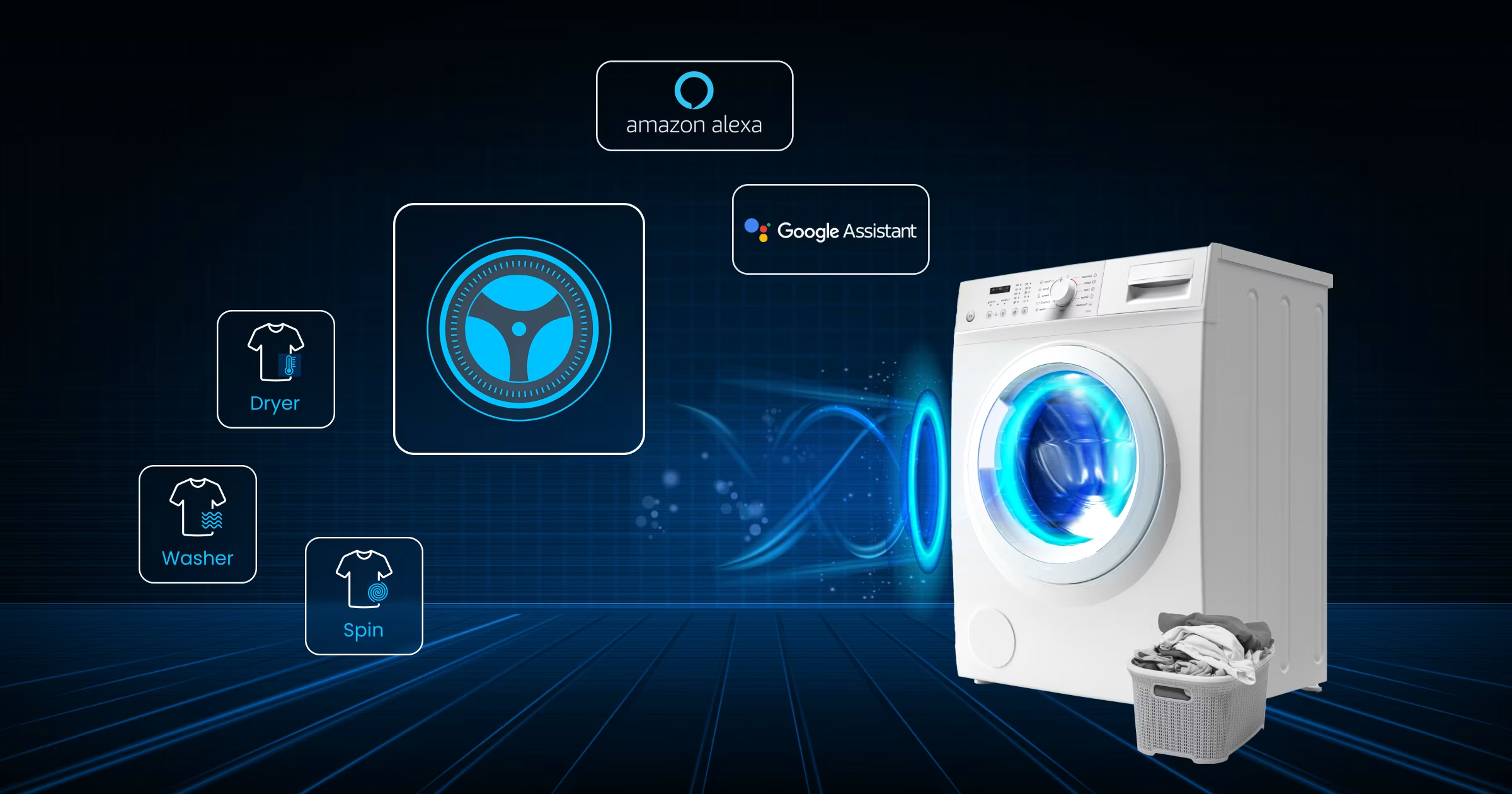
Laundry doesn't have to compete with the rest of your schedule.
A smart washing machine with scheduling capabilities can help you plan cycles around your routine, depending on the model and local electricity considerations.
For example:
7:00 AM: Load clothes before getting ready for work.
8:00 AM: Family leaves for school and work.
Morning: Scheduled wash runs according to the selected settings.
Later: Notification indicates that the cycle has finished.
This can be particularly useful for households that follow predictable weekly routines.
Before using scheduled operation, always follow the manufacturer's guidance and consider the type of clothing, detergent, and household safety requirements involved.
6. Automatic Load Sensing Can Make Laundry More Efficient
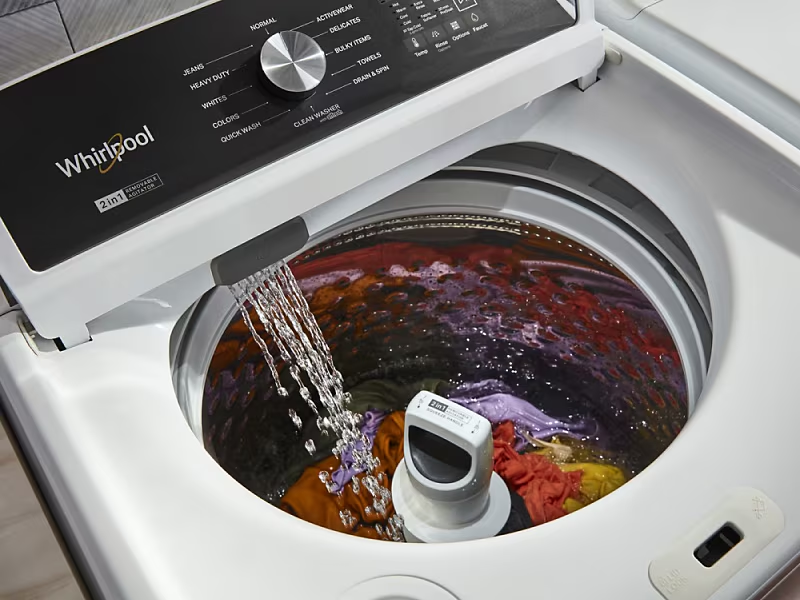
Some modern Washing Machines can detect or estimate aspects of the load and adjust parts of the wash process accordingly.
Depending on the model, this may influence factors such as water usage, cycle duration, or wash settings.
For families, this can be useful because not every load is the same size.
You might have:
A small weekday clothing load
A medium weekend load
A large towel load
A bedding load
A machine capable of adapting its operation can make more sense than treating every load identically.
However, the exact technology and adjustments vary by manufacturer, so check the specifications for the particular model you're considering.
7. Energy Efficiency Matters Over Years, Not Just Days
A washing machine is a long-term household appliance, so operating costs deserve attention alongside the purchase price.
Energy consumption can depend on several factors, including:
Machine efficiency
Wash temperature
Cycle selection
Load size
Frequency of use
Water heating
Household habits
Smart features may make consumption easier to monitor or help automate certain settings, but connectivity itself doesn't guarantee lower energy use.
A practical family approach
Instead of focusing only on the headline efficiency specification, think about how the machine will be used.
If your household runs multiple loads every week, even small differences in operating efficiency can become more meaningful over time.
8. Don't Ignore Noise and Vibration
Busy homes aren't always quiet.
Someone may be working from home while another family member is sleeping. Children may be studying while laundry is running nearby.
Noise and vibration therefore deserve attention.
When comparing Washing Machines, look for information about:
Spin-cycle noise
Vibration control
Installation requirements
Load balancing
Placement recommendations
A quieter machine can be particularly valuable if the laundry area is close to bedrooms, living spaces, or a home office.
Remember that installation also matters. An uneven floor or incorrect installation can affect vibration and noise regardless of how well the machine is designed.
9. Family-Friendly Safety Features
Smart technology is useful, but basic safety features remain important.
A child lock can help prevent accidental changes to settings during operation. Some machines may also provide alerts for issues such as door problems, drainage, or maintenance requirements.
For families with younger children, consider:
☐ Child lock
☐ Clear controls
☐ Easy-to-read display
☐ Door safety mechanisms
☐ Accessible maintenance information
☐ Reliable error notifications
Smart features should make the machine easier to manage, not harder.
10. Maintenance Alerts Can Prevent Small Problems
Laundry appliances need routine care.
Over time, washing machines can accumulate detergent residue, lint, moisture, and other buildup. Some smart models can provide reminders or maintenance information to help owners stay on top of routine tasks.
These alerts don't replace proper cleaning and maintenance, but they can make it easier to remember.
A machine that tells you when attention may be required can be particularly useful in a busy household where maintenance tasks are easy to postpone.
Simple maintenance habits
Follow the manufacturer's cleaning recommendations.
Keep the detergent area clean.
Check relevant filters according to the instructions.
Avoid consistently overloading the machine.
Leave the door or detergent drawer open when recommended to help the machine dry.
Pay attention to unusual noises, odors, or error messages.
Which Smart Features Matter Most for Different Families?
Not every family has the same priorities.
Family situation | Features to prioritize |
|---|---|
Young children | Large capacity, quick cycles, child lock |
Sports-active family | Sportswear cycles, large capacity, quick wash |
Working parents | App control, scheduling, notifications |
Apartment living | Low noise and vibration |
Large household | High capacity, efficient operation |
Small family | Flexible programs, compact design |
Tech-focused household | App integration, automation, smart-home compatibility |
This is a useful reminder that there isn't one universal definition of the "best" smart washing machine.
The best fit depends on how your household actually handles laundry.
Smart Washing Machine Buying Checklist
Before purchasing, take a few minutes to work through this checklist.
Capacity
☐ Does the drum size suit your household?
☐ Can it handle bedding and towels comfortably?
☐ Will it reduce the number of weekly loads?
Smart Features
☐ Does the app offer useful controls?
☐ Can you receive cycle notifications?
☐ Does it support scheduling if you need it?
☐ Is smart-home compatibility important to you?
Washing Performance
☐ Are the necessary wash programs available?
☐ Is there a useful quick cycle?
☐ Are delicate and specialized programs included where needed?
Practicality
☐ Does it fit the available space?
☐ Is the door orientation suitable?
☐ Is the machine appropriate for your home's electrical and plumbing setup?
Family Use
☐ Does it have a child lock?
☐ Is the interface easy to understand?
☐ Are maintenance alerts available?
Long-Term Ownership
☐ Check warranty coverage
☐ Check service availability
☐ Review maintenance requirements
☐ Consider operating costs
☐ Read the manufacturer's installation requirements
A Simple Way to Compare Smart Washing Machines
When looking at several models, avoid comparing dozens of specifications at once.
Start with these six categories:
Category | What to ask |
|---|---|
Capacity | Is it large enough for our normal loads? |
Cleaning | Does it have the cycles we actually need? |
Convenience | Will the smart features save time? |
Efficiency | Is it economical to operate? |
Noise | Will it suit our home's layout? |
Ownership | Are warranty and maintenance practical? |
Once a machine meets those requirements, additional features can become the deciding factor.
Are Smart Washing Machines Worth It for Busy Families?
For a household that does laundry frequently, smart functionality can provide meaningful convenience.
The biggest advantage isn't necessarily that the machine can connect to Wi-Fi. It's that connected features can reduce small daily decisions.
You don't have to wonder whether the wash is finished. You can receive an alert. You don't have to remember every cycle setting. You may be able to save or customize preferred programs. You can potentially build laundry into a regular schedule.
Those small improvements can add up over hundreds of wash cycles.
At the same time, families shouldn't pay extra for features they won't use. A reliable machine with appropriate capacity, useful programs, efficient operation, and easy controls can be more valuable than a complicated appliance filled with rarely used technology.
Final Thoughts
Choosing the right Washing Machines for a busy family starts with understanding your household's laundry routine.
Capacity should match the amount of clothing you wash. Specialized programs should reflect the types of garments in your home. Quick cycles can help with everyday emergencies, while app connectivity, scheduling, and notifications can make laundry easier to fit around work and family commitments.
Then there are the fundamentals: efficiency, noise, safety, maintenance, installation, and long-term ownership.
The smartest purchase isn't necessarily the machine with the most technology. It's the one that combines useful smart features with the washing performance, capacity, and practicality your family actually needs.
When those elements come together, laundry can become less of a daily interruption and more of a task that quietly takes care of itself.
Frequently Asked Questions
1. What are smart washing machines?
Smart washing machines are connected appliances that can offer features such as smartphone controls, cycle notifications, scheduling, customized programs, and maintenance information, depending on the model.
2. Are smart washing machines useful for large families?
They can be particularly useful because large households often run multiple loads. Features such as larger capacity, cycle notifications, scheduling, and specialized programs can make frequent laundry easier to manage.
3. What capacity should a family washing machine have?
The appropriate capacity depends on household size, laundry frequency, clothing types, and how often you wash bulky items such as towels and bedding. A larger household generally benefits from greater capacity, but individual laundry habits matter too.
4. Can I control a smart washing machine from my phone?
Many connected models provide smartphone apps that can display cycle information and, depending on the product, provide controls, notifications, scheduling, or other functions.
5. Do smart washing machines save electricity?
Smart functionality can help users manage cycles more conveniently, but energy consumption depends on the machine, cycle, temperature, load size, frequency of use, and other factors. Smart connectivity alone does not guarantee lower energy consumption.
6. Are quick-wash programs suitable for everyday laundry?
Quick cycles can be useful for small or lightly soiled loads. Heavily soiled clothing or larger loads may require a different program for appropriate cleaning.
7. What smart feature is most useful for busy parents?
There isn't one universal answer, but cycle notifications, scheduling, app control, and large capacity can be particularly convenient for households managing busy routines.
8. Do washing machines have child locks?
Many modern models offer child-lock functionality, although the exact implementation varies. Check the specifications of the individual machine before buying.
9. Should I prioritize smart features over washing performance?
No. Cleaning performance, capacity, efficiency, noise, reliability, and suitability for your household should come first. Smart features should add convenience to an already suitable appliance.
10. What should I check before installing a smart washing machine?
Check the required dimensions, electrical requirements, water connections, drainage setup, floor conditions, door clearance, and manufacturer's installation instructions. Professional installation may be appropriate depending on the appliance and home setup.