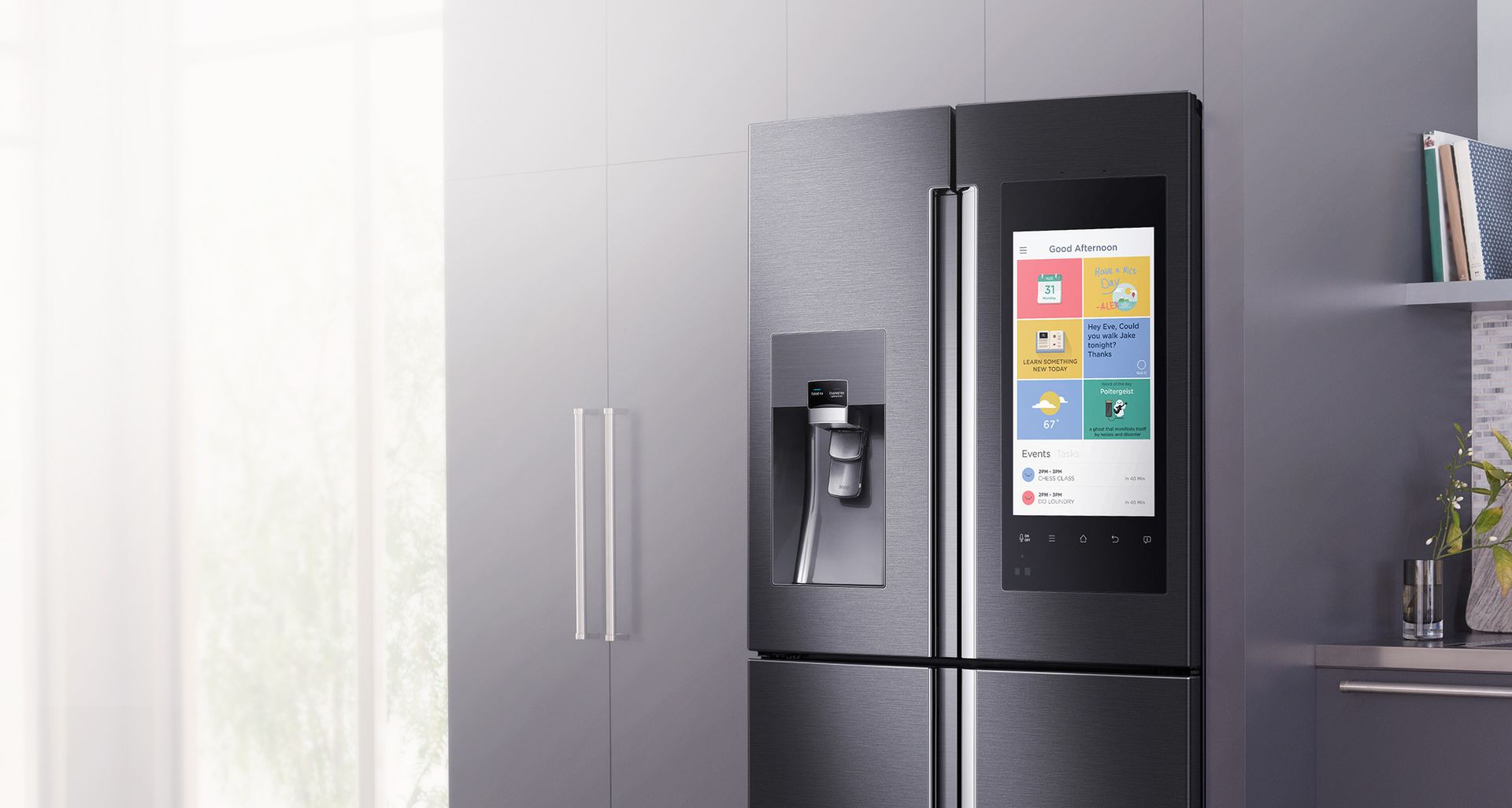
Buying a refrigerator for a family is rarely as simple as choosing the biggest model that fits in the kitchen. Modern Refrigerators have become much more than cold-storage appliances. With smart sensors, connected apps, flexible compartments, advanced temperature controls, and even food-management features, today's models can make everyday kitchen routines noticeably easier.
For families in particular, these features can be useful. A busy household may open the refrigerator dozens of times a day, store everything from fresh produce to frozen meals, and constantly need more space for groceries, school lunches, leftovers, and drinks.
That is where smart Refrigerators come into the picture.
But smart does not automatically mean better. The right refrigerator should solve real household problems rather than simply add technology for the sake of it.
So, what should families actually look for before buying one? Let's break down the most useful features and the questions worth asking before making a decision.
Why Families Are Looking at Smart Refrigerators
A refrigerator is one of those appliances that quietly works around the clock. For a family, its job can be even more demanding.
Think about a typical week. There might be fresh vegetables for dinner, breakfast ingredients, children's snacks, drinks, leftovers, meal-prep containers, frozen foods, and a few items that everyone forgets are sitting at the back.
A smart refrigerator can help make this busy environment easier to manage.
Instead of focusing only on Wi-Fi connectivity or touchscreen displays, families should think about smart technology in terms of practical benefits:
Better temperature management
More flexible storage
Remote notifications
Food organization
Energy-conscious operation
Door-open alerts
Flexible compartments
Smartphone connectivity
Maintenance notifications
The best features are the ones that make everyday use simpler.
Family buying tip: Don't start with the question, "How many smart features does this refrigerator have?" Start with, "Which everyday problems do we want our refrigerator to solve?"
1. Start With the Right Size and Layout
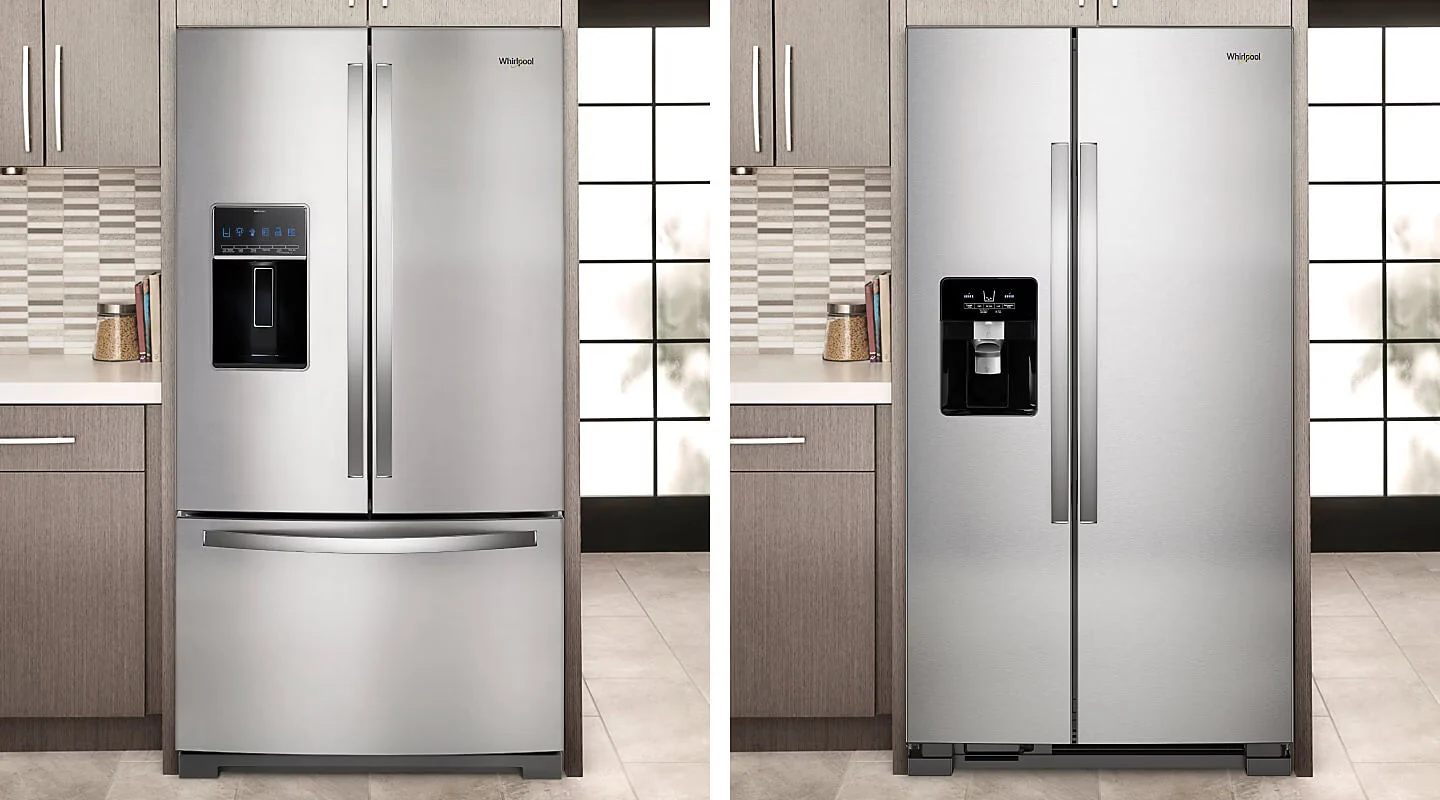
Smart features are useful, but they cannot compensate for a refrigerator that is too small.
For families, internal organization can be just as important as overall capacity. Two Refrigerators with similar external dimensions can feel completely different inside depending on shelf placement, drawer design, door storage, and freezer configuration.
Before shopping, consider what your household actually stores.
Ask yourself:
Do you buy a lot of fresh produce?
Do you regularly store large containers?
Does your family use more fresh or frozen food?
Do you keep drinks in large quantities?
Do you prepare meals in advance?
Do you need space for children's snacks and lunch ingredients?
How often do you make large grocery trips?
A flexible interior can be particularly valuable because family storage needs change throughout the week.
Adjustable shelves, movable door bins, sliding drawers, and convertible compartments can make the available space much more useful.
2. Look for Independent Temperature Control
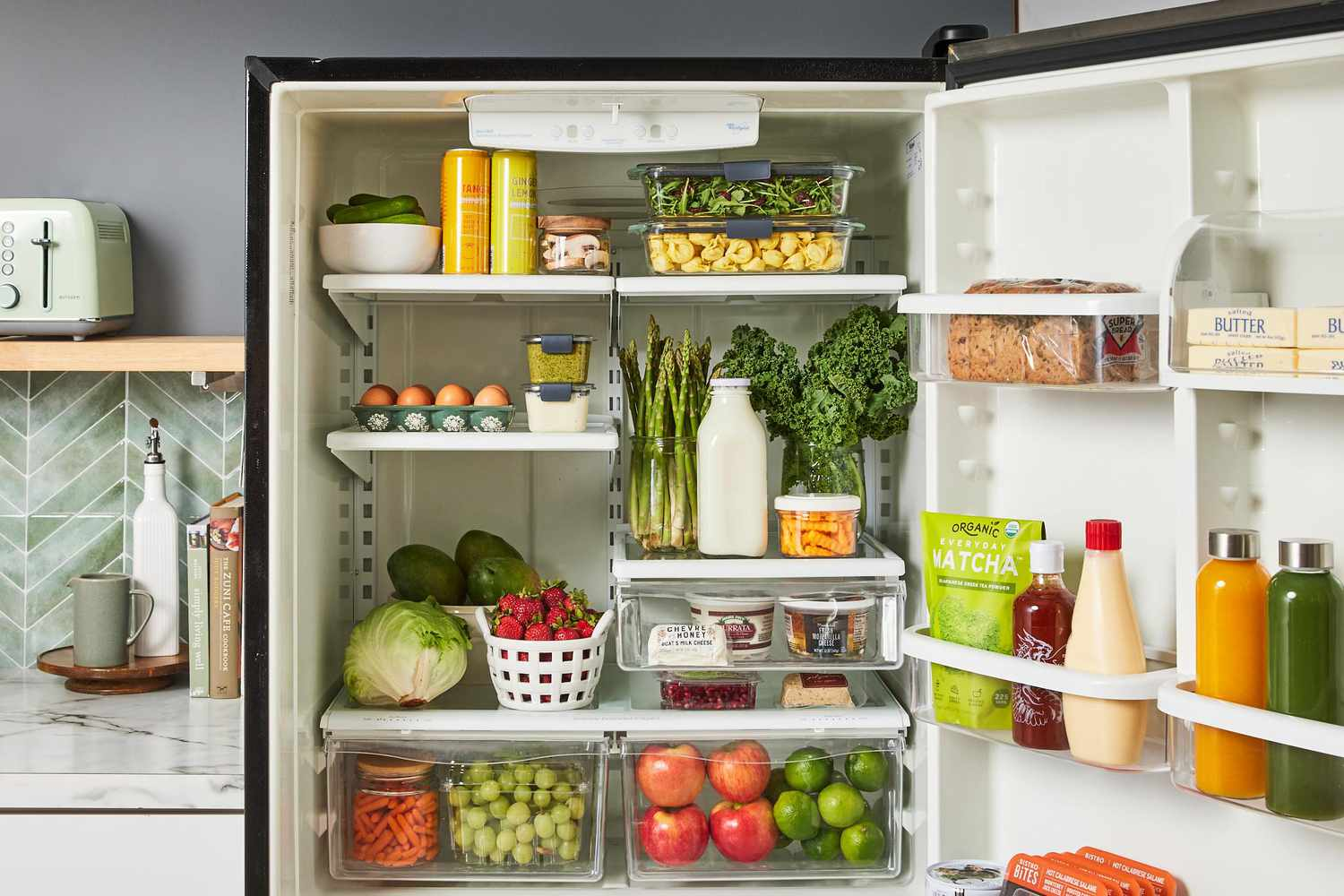
Not every food item benefits from exactly the same storage conditions.
Fresh produce, dairy products, meat, drinks, and frozen foods all have different storage requirements. That's why temperature management should be high on a family's shopping checklist.
Modern Refrigerators may include multiple cooling zones or independently controlled compartments. These can give households more flexibility when storing different types of food.
Some models also use sensors to monitor internal conditions and automatically adjust cooling.
Why this matters for families
A refrigerator that maintains more consistent conditions can make it easier to organize different foods without constantly changing settings manually.
When comparing models, look for:
Multiple temperature zones
Separate temperature controls
Temperature sensors
Dedicated fresh-food drawers
Adjustable cooling settings
Rapid-cooling or similar functions, where available
The exact technology varies between models, so check the manufacturer's specifications rather than relying solely on marketing terminology.
3. Smart Door Alerts Can Be Surprisingly Useful
Here's a feature that may sound minor until you've experienced the problem yourself.
Someone grabs a drink, gets distracted, and leaves the refrigerator door slightly open.
A few minutes later, nobody notices.
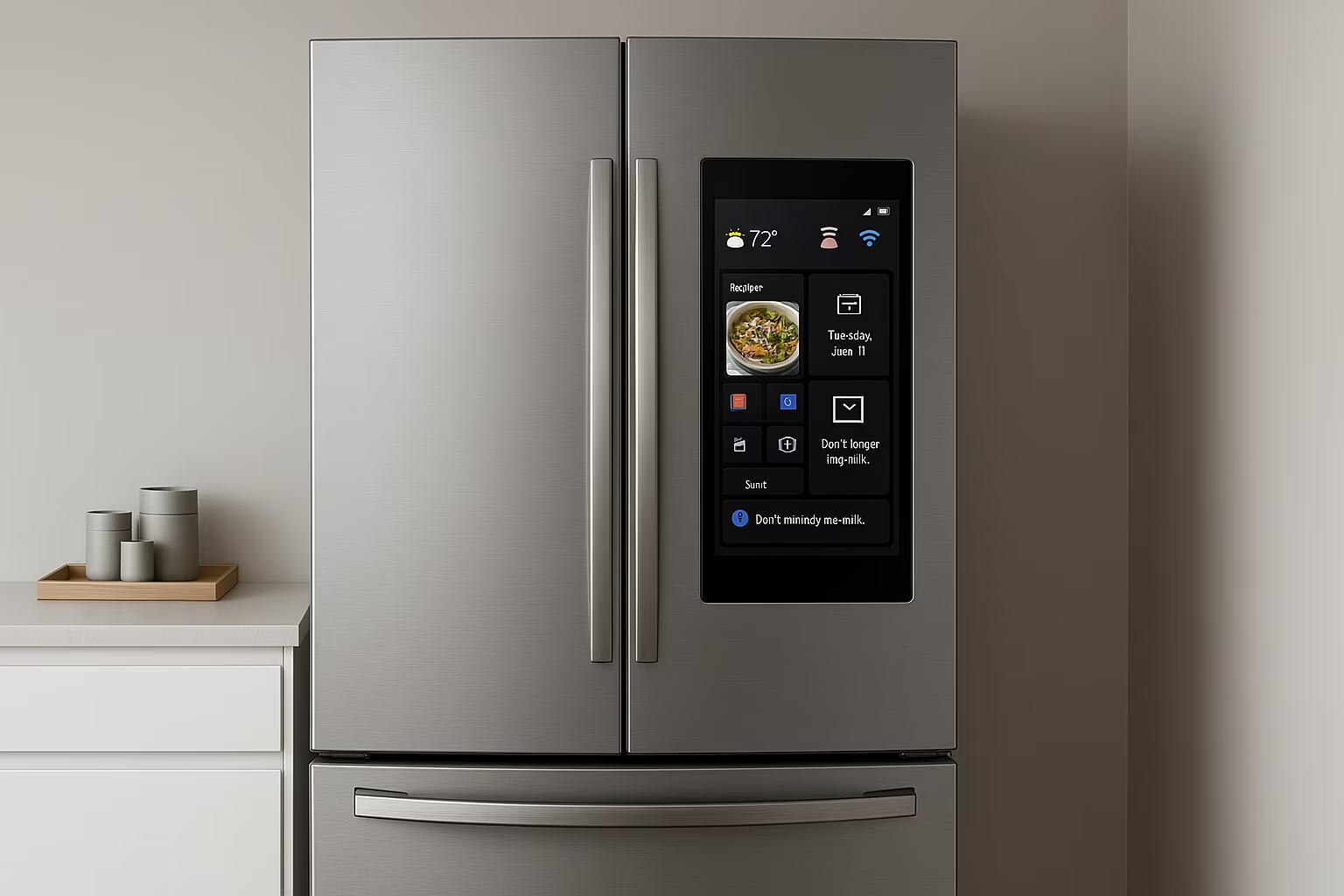
Smart Refrigerators can provide door-open notifications through an app or alert system, depending on the model.
For families with children, this can be particularly convenient. Parents don't have to repeatedly check whether a door has been properly closed.
Some models can also provide alerts about temperature changes or other conditions.
These notifications aren't glamorous, but they're exactly the kind of smart feature that can make an appliance more useful in everyday life.
4. Consider a Refrigerator With Smartphone Connectivity
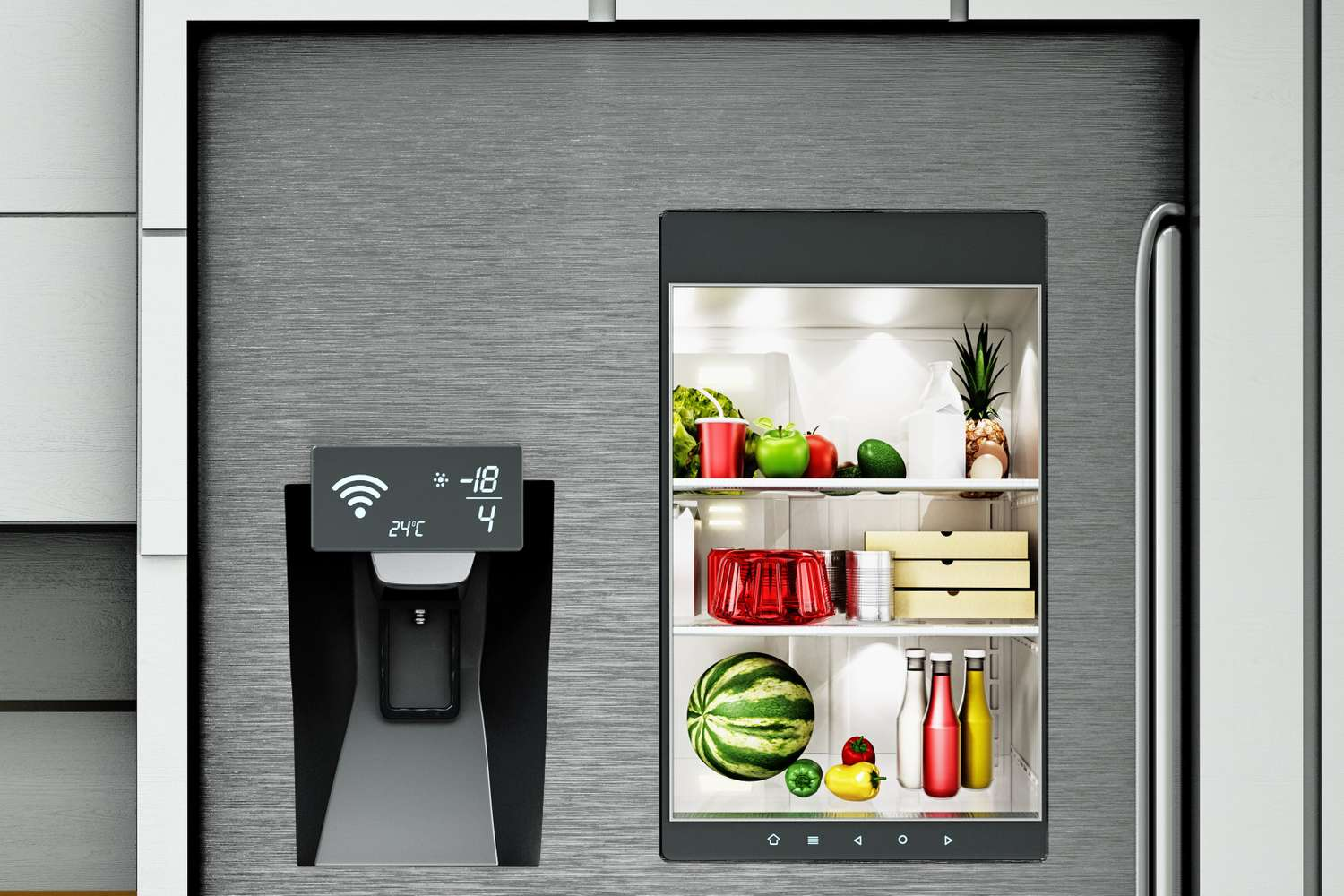
Smartphone connectivity can turn a refrigerator into a remotely accessible appliance.
Depending on the model and manufacturer, an accompanying app may allow users to:
Check or adjust temperature settings
Receive door-open notifications
Monitor certain refrigerator conditions
Receive maintenance reminders
Access smart features remotely
Get alerts when something needs attention
Imagine you're at the grocery store and suddenly realize you can't remember whether the refrigerator needs milk.
A connected appliance may provide useful information without requiring you to call someone at home.
It's a small convenience, but family life is often made up of dozens of small conveniences.
5. Flexible Storage Can Be More Valuable Than a Large Screen
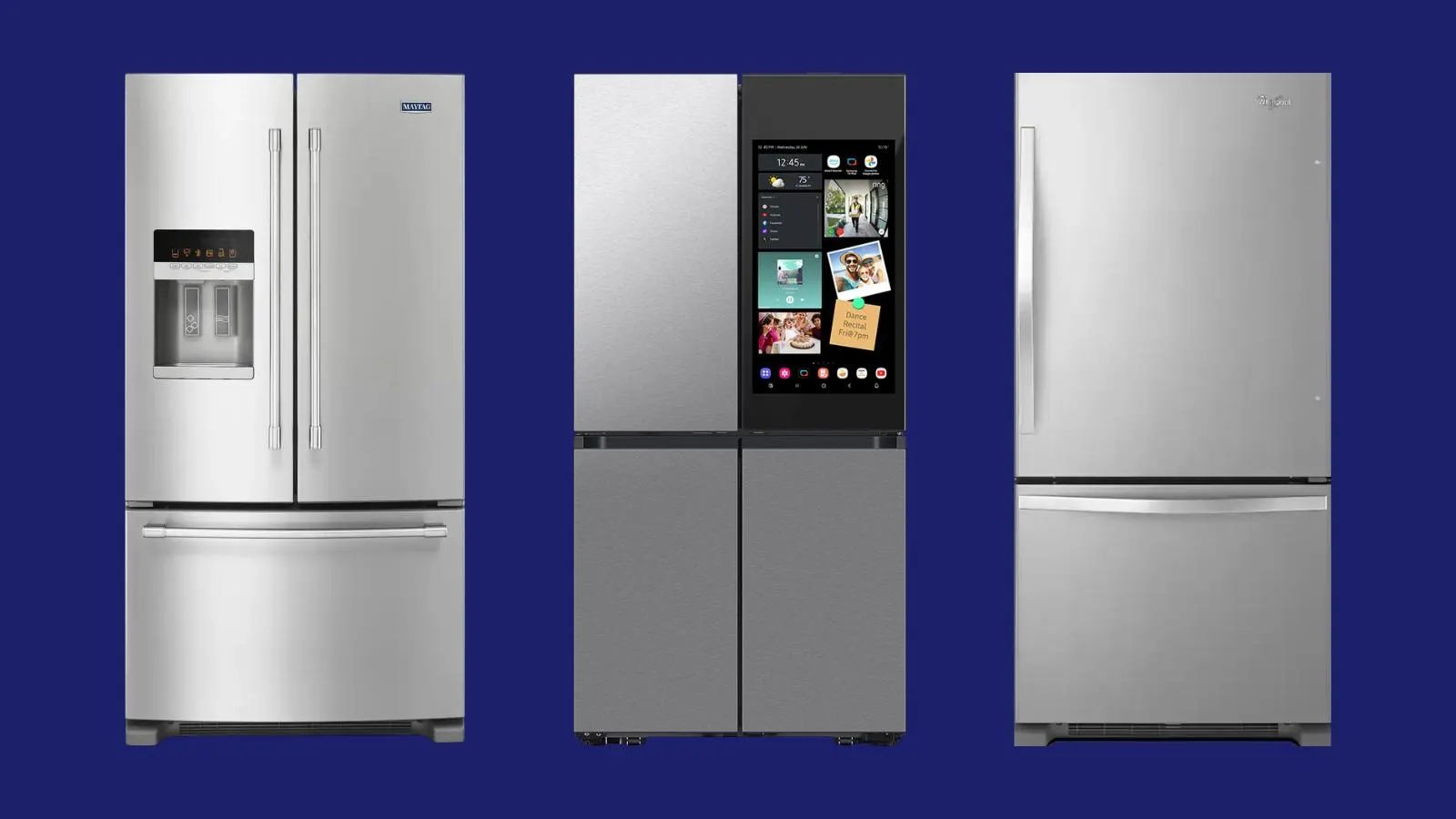
One of the easiest mistakes when shopping for smart Refrigerators is becoming distracted by flashy technology.
A large display might look impressive in a showroom, but flexible storage can have a much greater impact on everyday life.
Look for practical design features such as:
Adjustable shelves
Useful when storing tall bottles, large containers, or oversized food packaging.
Wide drawers
Helpful for fruits, vegetables, and meal-preparation ingredients.
Flexible door storage
Makes it easier to organize smaller bottles, jars, sauces, and frequently used items.
Convertible compartments
Some models allow certain areas to be configured for different storage purposes.
Easy-access zones
Convenient for snacks, drinks, and frequently used items.
A well-designed interior can save more frustration than a refrigerator packed with complicated technology.
6. Food Inventory Features Can Help Busy Households
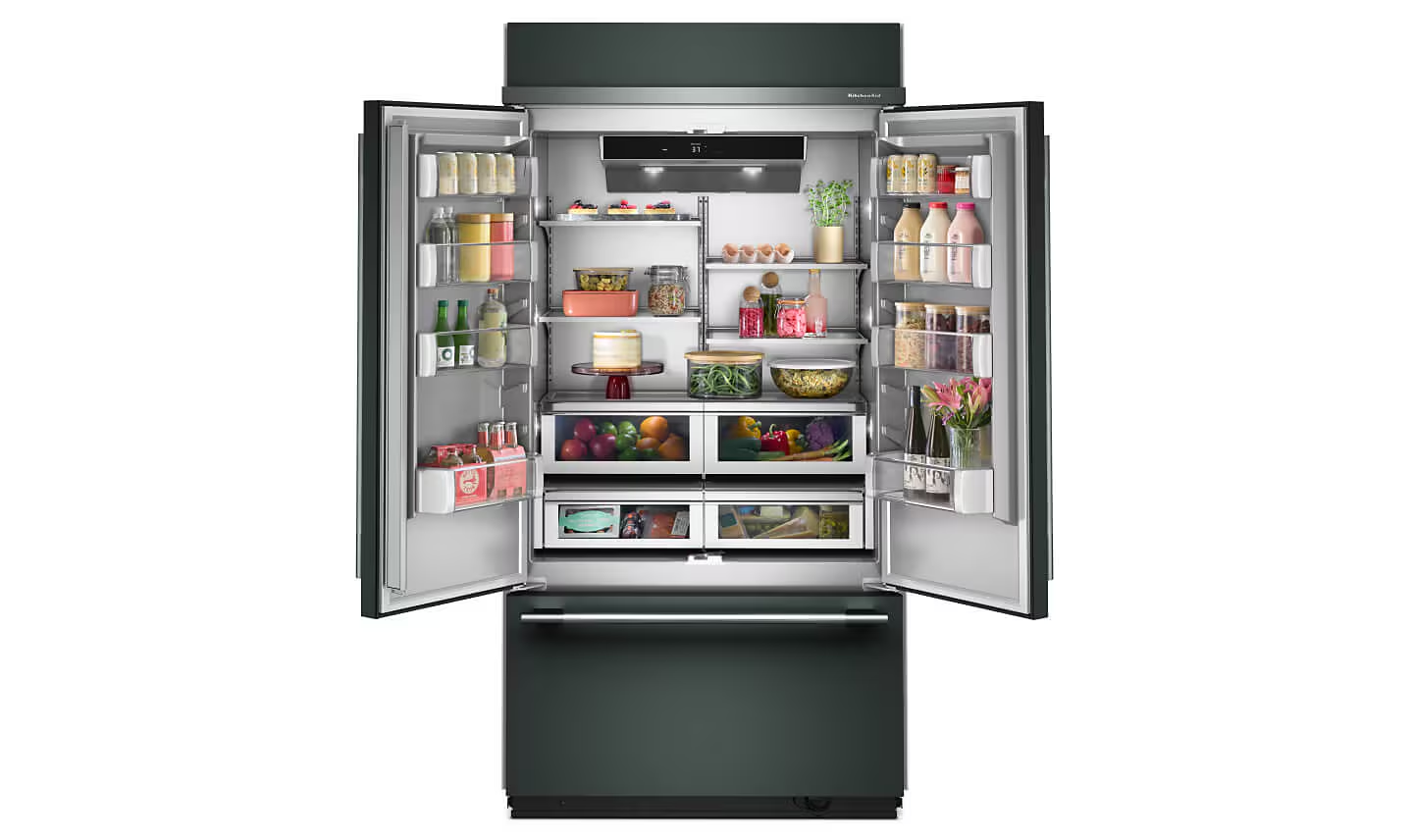
Food organization is one area where smart technology has interesting potential.
Some advanced Refrigerators incorporate cameras or connected inventory systems that allow users to see or monitor what is inside.
For families, this can be useful when shopping or planning meals.
Instead of opening the refrigerator and trying to remember what needs to be replaced, you may be able to check available information through a connected system.
However, keep expectations realistic.
Food-recognition technology isn't necessarily perfect. Items can be moved, packaging can change, and some products may not be identified correctly.
Think of these features as organizational assistance rather than a completely automated grocery manager.
7. Think About Energy Efficiency
Because Refrigerators operate continuously, energy efficiency deserves serious attention.
Smart technology may help certain models optimize cooling, but the presence of AI or Wi-Fi does not automatically mean an appliance will consume less energy.
When comparing models, pay attention to the manufacturer's official energy information.
Look beyond the word "smart"
Consider:
Energy-use information
Appliance size
Cooling technology
Compressor design
Insulation
Door-seal quality
Energy-saving modes
Your household's usage habits
A highly efficient refrigerator without dozens of smart features may make more sense for one family than a feature-heavy model that consumes considerably more energy.
8. Don't Ignore the Freezer
Family refrigerators often have a second major job: managing frozen food.
Before buying, think about how your household actually uses the freezer.
If you regularly buy frozen vegetables, pizzas, prepared meals, ice cream, meat, or bulk groceries, freezer organization becomes especially important.
Look for:
Pull-out drawers
Adjustable freezer shelves
Dedicated compartments
Easy-to-access storage
Clear visibility of frozen items
Flexible freezer organization
A freezer that allows you to see everything at a glance can reduce the classic "dig through everything to find one item" problem.
9. Check Smart-Home Compatibility
If your home already uses connected devices, compatibility can be worth considering.
A refrigerator may work with a manufacturer's own application or integrate with other smart-home systems, depending on the model.
Before purchasing, check:
Which app the refrigerator requires
Whether your smartphone is compatible
Whether Wi-Fi is required
Which smart-home platforms are supported
Whether certain features require an account
Whether software updates are provided
This is especially important because connected features depend on software as well as hardware.
10. Privacy and Security Should Be Part of the Checklist
Smart Refrigerators are connected devices, so families should think about digital privacy as well as physical performance.
If a model includes cameras, apps, voice features, or cloud-connected services, review the manufacturer's information about data collection and privacy.
Also check whether the appliance receives software and security updates.
Before buying, ask:
What information does the refrigerator collect?
Does it use internal cameras?
Is an account required?
Which features depend on cloud services?
How are software updates delivered?
Can certain connected features be disabled?
These questions are easy to overlook when shopping for kitchen appliances, but they matter more as everyday products become increasingly connected.
Smart Refrigerator Buying Checklist
Here's a simple checklist to save before you start shopping:
Feature | Why Families May Want It | Priority |
|---|---|---|
Large usable capacity | Handles weekly family groceries | High |
Flexible shelving | Makes different-sized items easier to store | High |
Multiple cooling zones | Helps manage different food types | High |
Door-open alerts | Helps prevent accidental temperature changes | Medium |
Smartphone app | Enables remote monitoring and controls | Medium |
Food inventory tools | Can help with organization | Medium |
Internal cameras | Useful for checking contents remotely | Optional |
Smart-home integration | Helpful for connected households | Optional |
Advanced display | Adds convenience and information | Optional |
Voice controls | Useful for some smart-home users | Optional |
The important takeaway: prioritize features that improve storage, cooling, organization, and everyday convenience before paying extra for entertainment-oriented technology.
What Features Matter Most for Different Families?
Not every household has the same priorities.
For families with young children
Consider:
Door-open alerts
Easy-access snack compartments
Durable shelves and drawers
Flexible storage
Simple controls
For large families
Consider:
High usable capacity
Wide shelves
Large freezer space
Multiple cooling zones
Strong organization options
For busy professionals
Consider:
Smartphone connectivity
Remote alerts
Food inventory tools
Quick-access storage
Automated temperature management
For meal-prep households
Consider:
Spacious fresh-food drawers
Adjustable shelving
Consistent temperature management
Large storage compartments
Flexible organization
A Simple Way to Compare Smart Refrigerators
Rather than asking which refrigerator has the longest list of features, create three categories:
Must Have
Features your family genuinely needs.
Nice to Have
Features that would make everyday life easier.
Not Necessary
Technology you probably won't use.
For example:
Must Have
Suitable capacity
Flexible shelves
Reliable temperature control
Efficient operation
Nice to Have
Smartphone alerts
Door notifications
Multiple cooling zones
Food organization tools
Not Necessary
Features you won't realistically use
Technology that requires complicated maintenance
Connectivity you don't need
This approach can make the buying process much less overwhelming.
The Future of Family Refrigerators
The development of smart Refrigerators is moving toward a broader idea: appliances that understand how households use them.
Future models may become better at monitoring food, recognizing storage patterns, managing energy consumption, detecting maintenance issues, and connecting with other kitchen appliances.
Instead of simply responding when a user changes a setting, refrigerators could increasingly make automatic adjustments based on household activity.
That could eventually make food storage more personalized and efficient.
But the most successful innovations will probably be the ones that remain useful without making everyday life more complicated.
Final Thoughts
The best smart refrigerator for a family isn't necessarily the model with the biggest screen, the most connected features, or the longest list of technical specifications.
It's the one that fits the family's space, food habits, storage needs, budget, and daily routine.
Start with capacity and interior organization. Then look at temperature control, energy efficiency, freezer design, connectivity, alerts, and food-management features. Once those fundamentals are covered, smart extras can help make the appliance even more convenient.
After all, a refrigerator should make family life easier—not give you another complicated device to manage.
Quick Buying Rule
Capacity → Storage design → Cooling → Energy efficiency → Smart features → Connectivity
That order can help keep the focus on what actually matters when comparing today's Refrigerators.
FAQs
1. What should families look for in smart Refrigerators?
Families should prioritize usable capacity, flexible storage, reliable temperature control, freezer organization, energy efficiency, and practical smart features such as door alerts and smartphone connectivity.
2. Are smart Refrigerators worth buying for families?
They can be useful for households that value remote monitoring, temperature alerts, food organization, and smart-home connectivity. However, families should compare the practical benefits against the additional cost.
3. Do smart Refrigerators save electricity?
Some models include features designed to optimize cooling, but smart functionality alone does not guarantee lower energy consumption. Always compare official energy-use information when choosing between Refrigerators.
4. What is the most useful smart refrigerator feature?
There isn't one feature that works for every family. Door alerts, flexible temperature controls, smartphone connectivity, and food organization tools can all be useful depending on household habits.
5. Are refrigerator cameras useful?
Internal cameras can help users check refrigerator contents remotely and may support food-management features. However, camera-based food recognition may not identify every item perfectly.
6. Do smart Refrigerators need Wi-Fi?
Many connected features require Wi-Fi, although the basic refrigeration functions generally continue to work without an internet connection. Check the manufacturer's specifications for the specific model.
7. What is more important: refrigerator size or smart features?
For most families, the refrigerator's usable capacity, storage layout, cooling performance, and energy efficiency should come before optional smart features. Technology is most valuable when it solves a genuine household need.
8. How should I choose between different smart Refrigerators?
Start by measuring your available kitchen space and identifying your family's storage habits. Then compare capacity, interior organization, cooling zones, freezer design, energy information, warranty, connected features, and long-term usability.