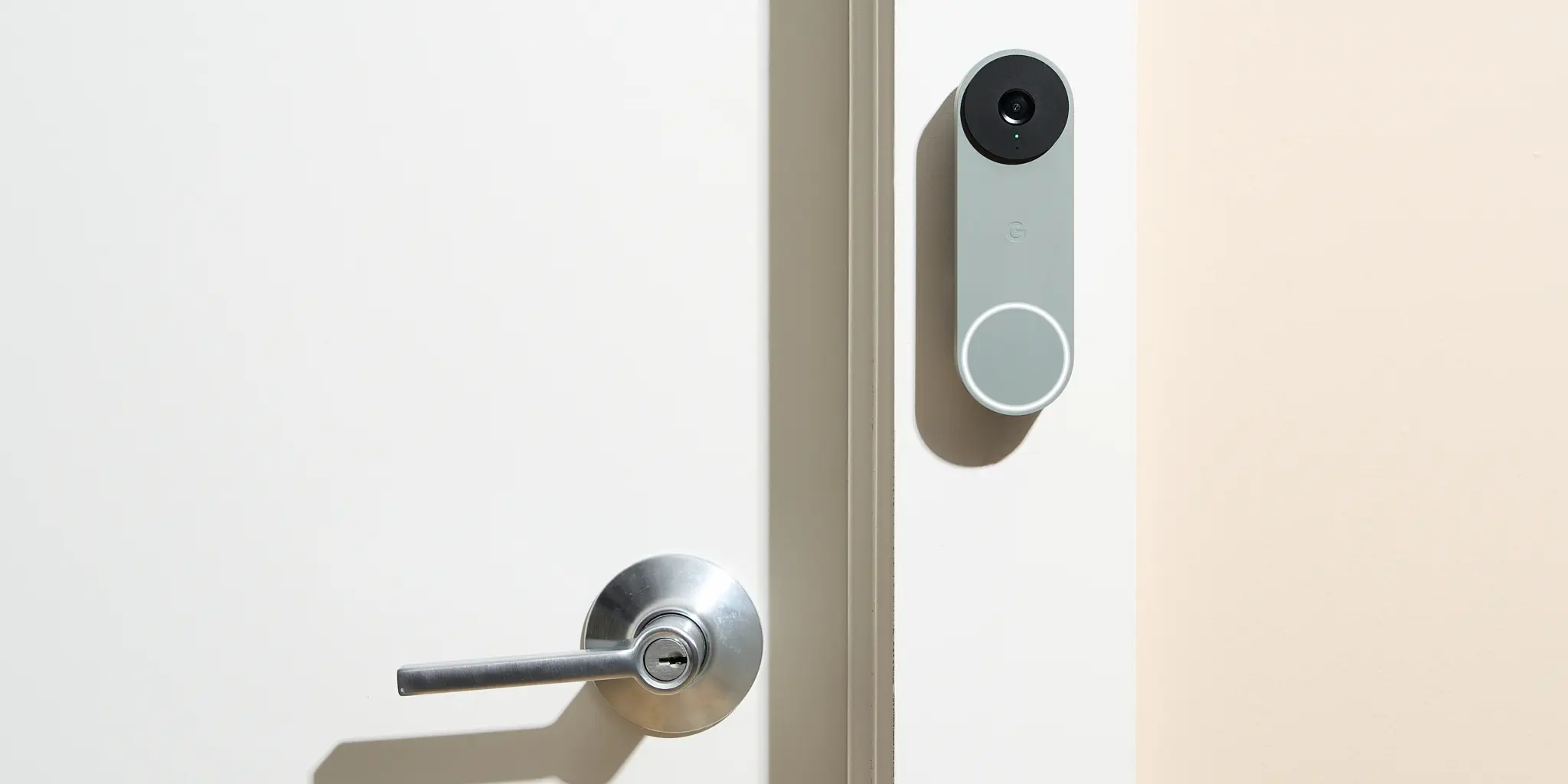
The humble doorbell has come a long way. What was once a simple button connected to a chime is now capable of becoming a connected part of a home's entryway, allowing homeowners to see visitors, receive notifications, communicate remotely, and keep an eye on activity around the front door.
For modern households, smart Doorbells can offer a useful combination of convenience, awareness, and home monitoring. Whether you're waiting for a delivery, checking who is standing outside, or simply wanting a better view of your entrance, the right doorbell can make everyday life easier.
But with so many models offering different cameras, apps, detection systems, storage options, and connectivity features, choosing one can quickly become confusing.
The answer isn't necessarily to buy the model with the longest list of specifications. Instead, it's about understanding which features genuinely matter for your home.
Here's what to look for when comparing smart Doorbells today.
Why Smart Doorbells Have Become So Popular
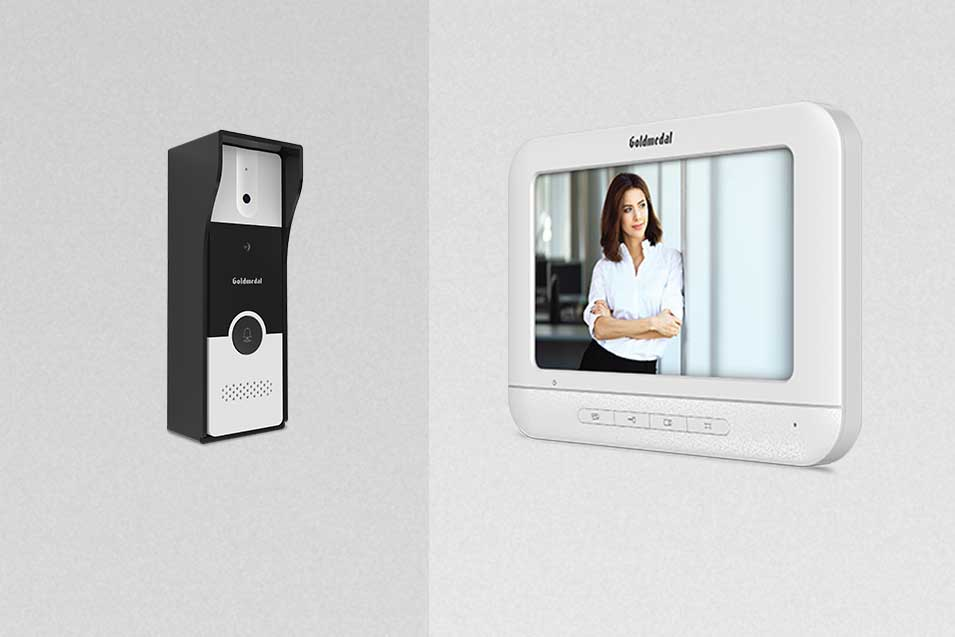
Traditional doorbells only tell you that someone has pressed the button. Smart Doorbells can provide considerably more information.
Depending on the model, you may be able to receive a notification on your phone when someone approaches, view a live video feed, speak with a visitor, or review recorded footage later.
This can be particularly useful when you're away from home.
Imagine you're sitting at work and receive an alert that a package has arrived. Instead of wondering whether the delivery driver left it somewhere safe, you can check the camera remotely.
Or perhaps someone rings your doorbell while you're upstairs. Rather than rushing downstairs immediately, you can check who is outside first.
These are small conveniences, but they explain why smart entryway technology has become such a common part of connected homes.
The Most Important Smart Doorbell Features
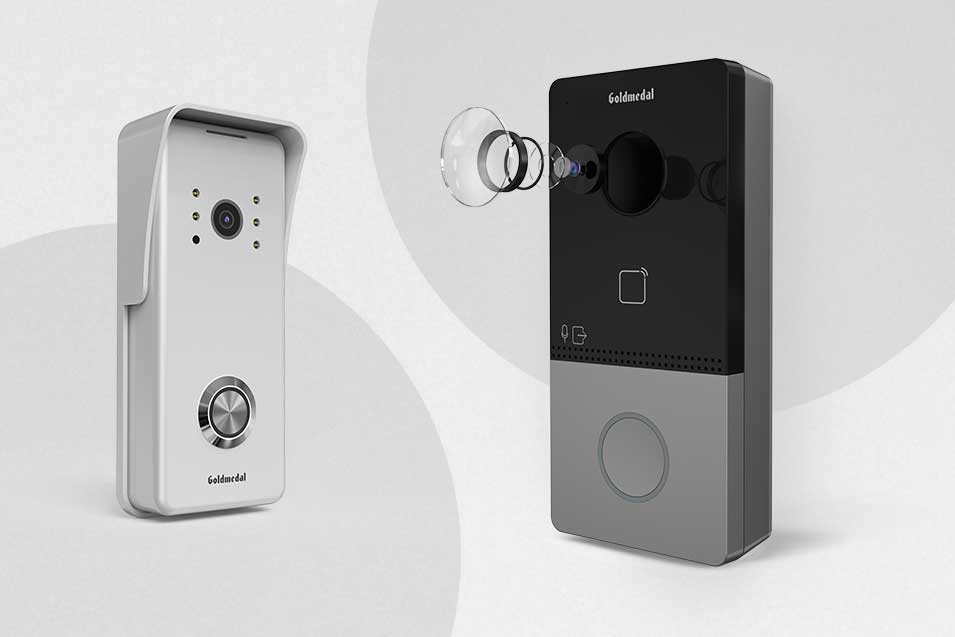
Before buying, focus on the features that affect everyday performance.
Quick Feature Checklist
Feature | Why It Matters |
|---|---|
Video quality | Helps you see visitors and activity clearly |
Wide field of view | Provides better coverage around the entrance |
Night vision | Improves visibility after dark |
Motion detection | Alerts you when activity occurs |
Person detection | Can reduce unnecessary alerts |
Two-way audio | Lets you communicate remotely |
Local/cloud storage | Determines how recordings are saved |
Weather resistance | Important for outdoor installation |
Battery or wired power | Affects installation and maintenance |
App quality | Makes everyday use easier |
Smart-home integration | Helps connect the doorbell with other devices |
Privacy controls | Gives you greater control over recordings and data |
Not every household needs every feature. The right combination depends on your entrance, lifestyle, and budget.
1. Video Quality Should Come First
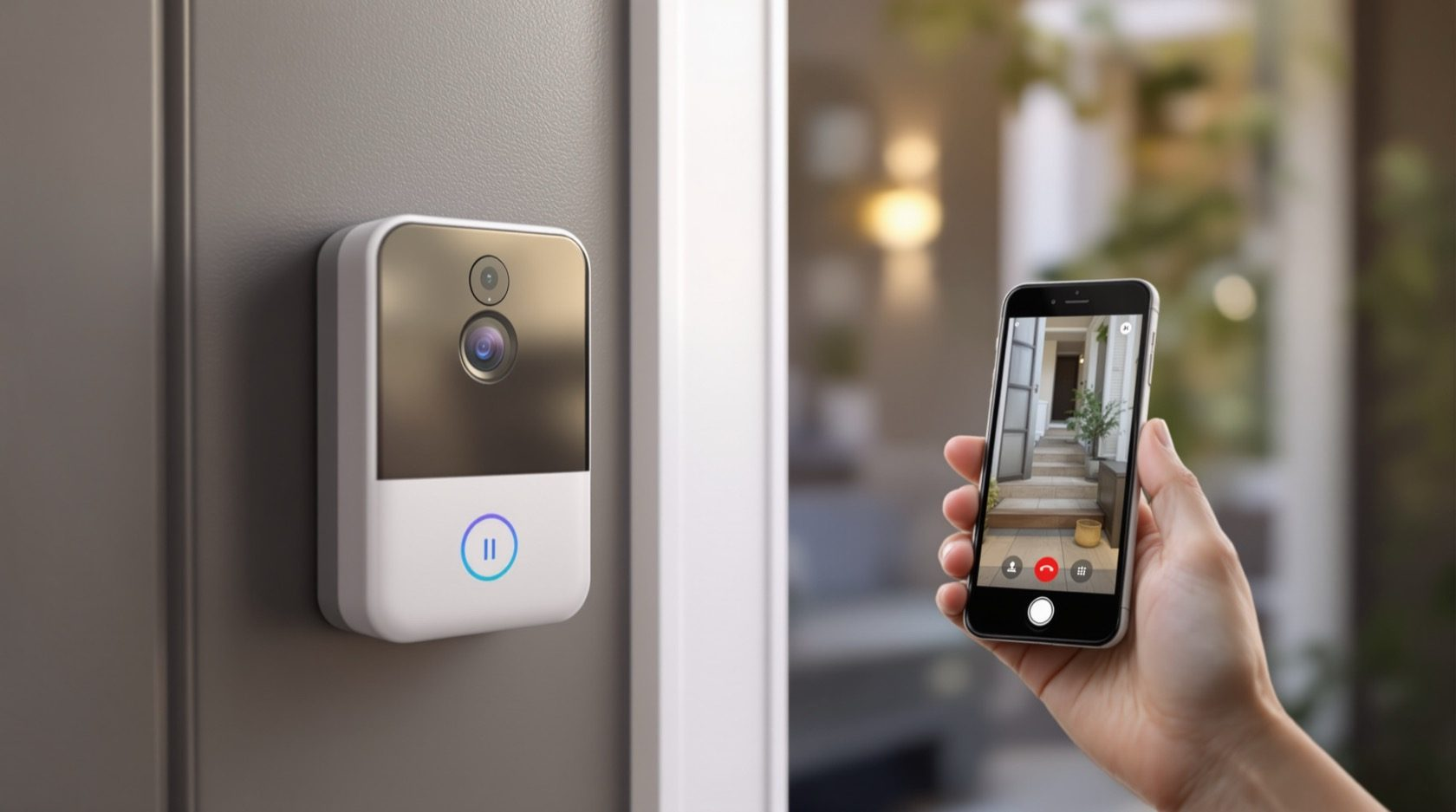
A smart doorbell is only useful if you can actually see what is happening outside.
Look for a camera with sufficient resolution to provide a clear image in everyday conditions. Higher resolution can help capture useful visual detail, although resolution isn't the only factor affecting image quality.
Lens quality, image processing, lighting conditions, and field of view all play a role.
For example, a camera pointed directly at a bright doorway may struggle with exposure even if it has a high-resolution sensor.
Look for:
Clear daytime video
Good dynamic range
Reliable image processing
Adequate resolution
Minimal distortion
A useful viewing angle
If your entrance is narrow, a wide horizontal view may be more important. If you have a porch or pathway extending toward the door, a camera with a broader vertical field of view can be particularly useful.
2. A Wider Field of View Can Make a Big Difference
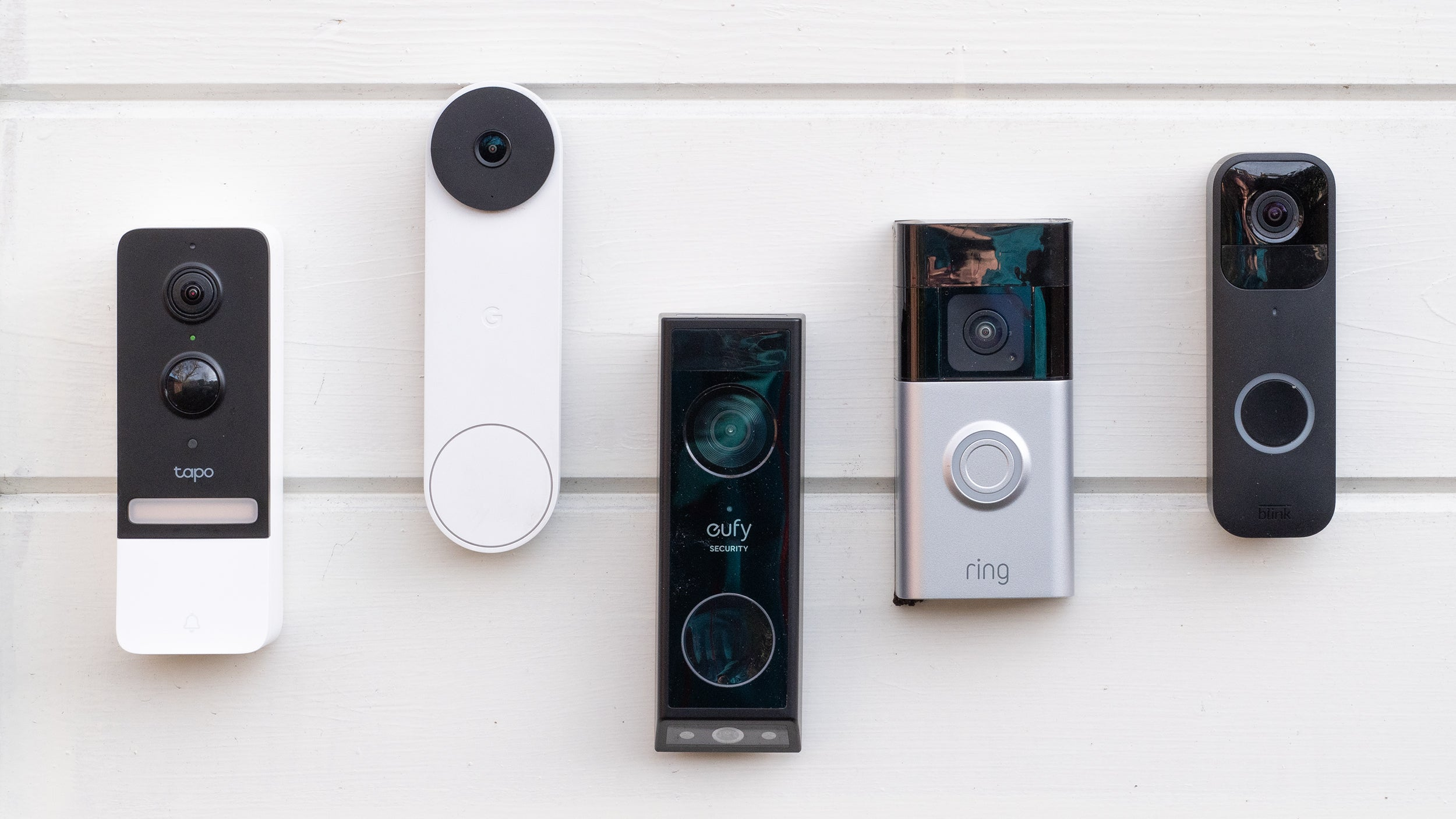
The camera doesn't just need to capture the person standing directly in front of the button.
Think about everything happening around the entrance.
A delivery may be placed on the ground. Someone may approach from the side. A visitor may stand close to the door rather than directly in front of the camera.
A wider field of view can help capture more of this area.
Some Doorbells are designed with a taller viewing format so users can see more of the space immediately below the camera.
This can be especially helpful for monitoring packages.
Buying tip: Don't compare cameras based on resolution alone. Check the field of view and camera orientation too.
3. Night Vision Is Essential
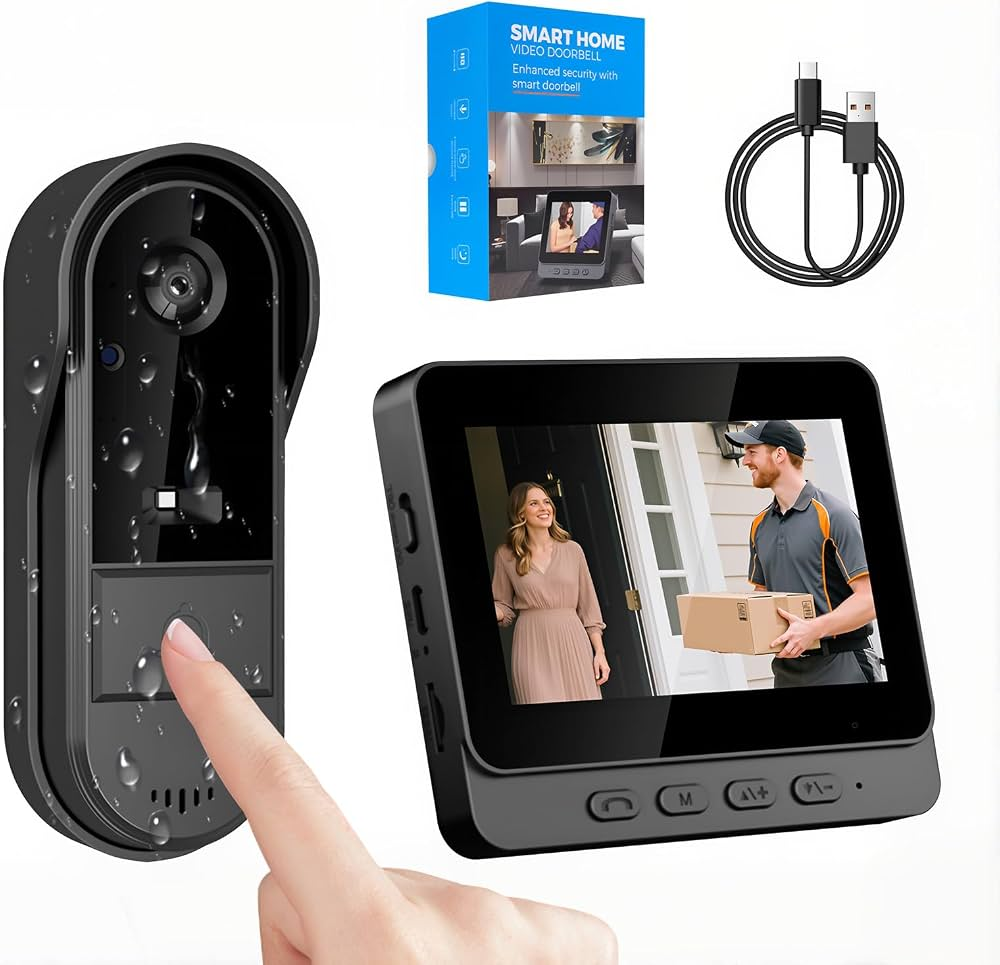
Your doorbell doesn't stop working when the sun goes down.
If the entrance isn't brightly illuminated, night vision becomes one of the most important features to consider.
Depending on the device, night viewing may use infrared technology, low-light image processing, or color night vision supported by additional lighting.
Before buying, think about the actual lighting around your door.
A camera that performs well in a well-lit entrance may produce a very different image in a darker area.
For better nighttime performance, consider:
Infrared night vision
Low-light performance
Built-in illumination, where appropriate
Good exposure handling
Clear facial and object visibility
A strong daytime camera with poor nighttime performance isn't necessarily a well-rounded doorbell.
4. Motion Detection Helps You Know What's Happening
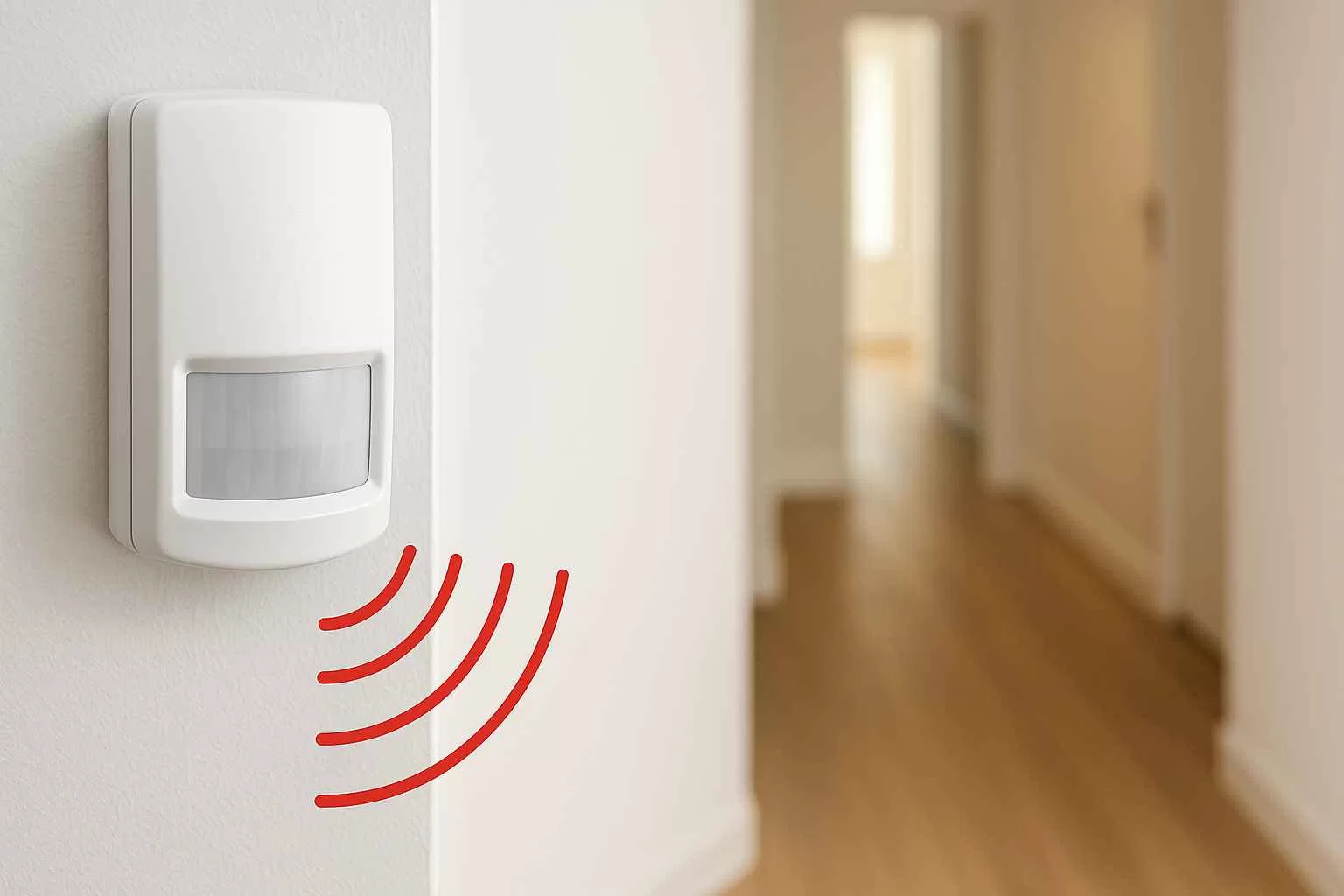
One of the most useful smart features is motion detection.
Instead of waiting for someone to press the doorbell, the device can detect activity around the entrance and send an alert.
However, basic motion detection can sometimes produce too many notifications.
A passing person, moving tree branch, vehicle, or pet may trigger an alert depending on the camera's position and settings.
That's why more advanced detection options can be valuable.
5. Person Detection Can Reduce Unnecessary Alerts
Some smart Doorbells use computer vision or AI-based detection to distinguish people from other types of movement.
This can make notifications more useful.
Instead of receiving an alert every time something moves, the system may identify activity that is more likely to involve a person.
Some models also offer additional detection categories, depending on the manufacturer and software.
Keep in mind that detection systems aren't perfect. Lighting, camera angle, weather, distance, and other environmental conditions can affect accuracy.
Still, intelligent detection can make a connected doorbell considerably easier to live with.
6. Two-Way Audio Adds Real Convenience
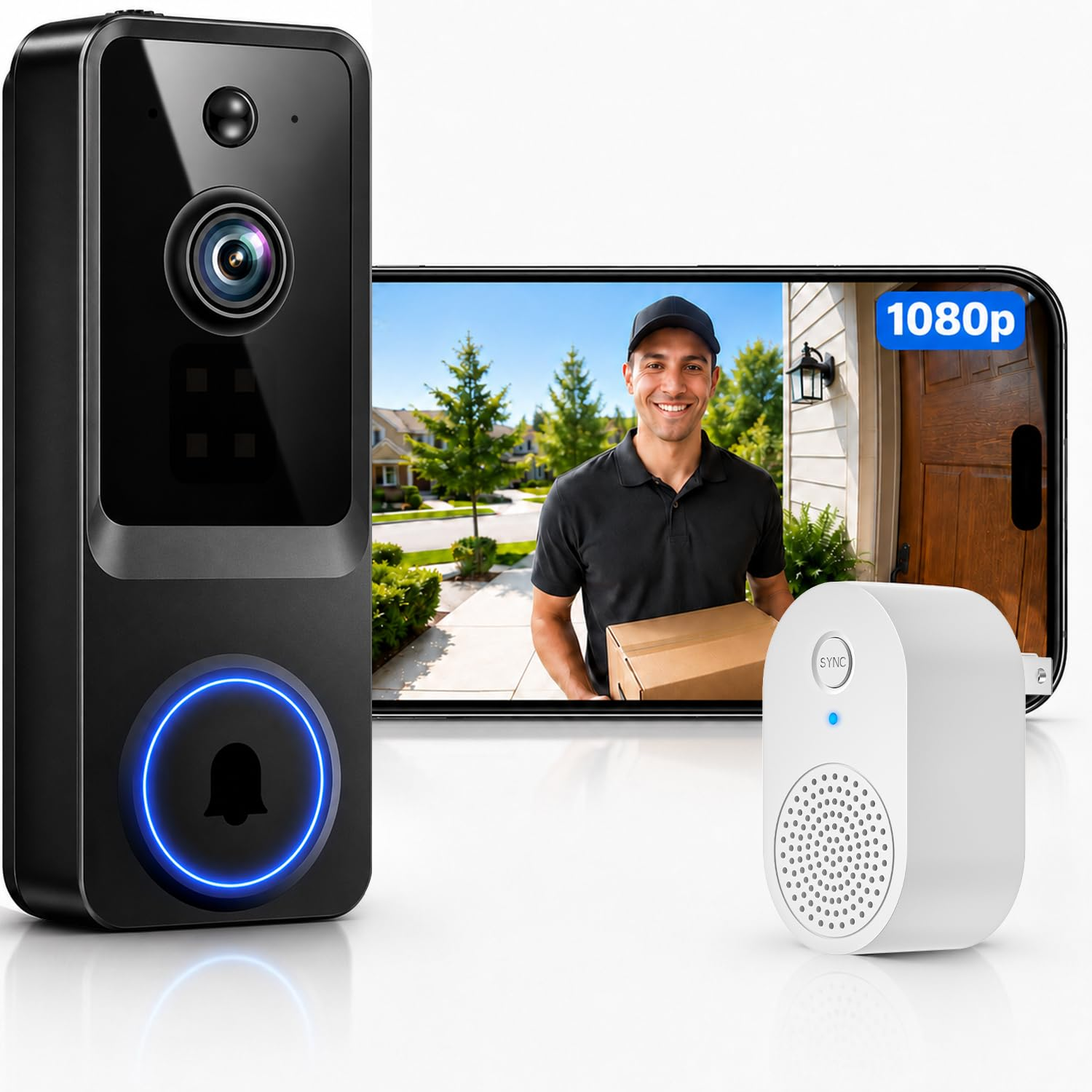
A camera lets you see who's outside. Two-way audio lets you communicate with them.
This can be useful in surprisingly many situations.
A delivery driver arrives while you're away. A family member is at the door. A visitor needs directions. Someone rings the bell while you're in another room.
Instead of opening the door immediately—or ignoring it—you can communicate through the doorbell.
When comparing models, pay attention to microphone and speaker quality, not just whether two-way audio is technically available.
Clear communication matters more than having the feature listed on a specification sheet.
7. Decide Between Battery and Wired Doorbells
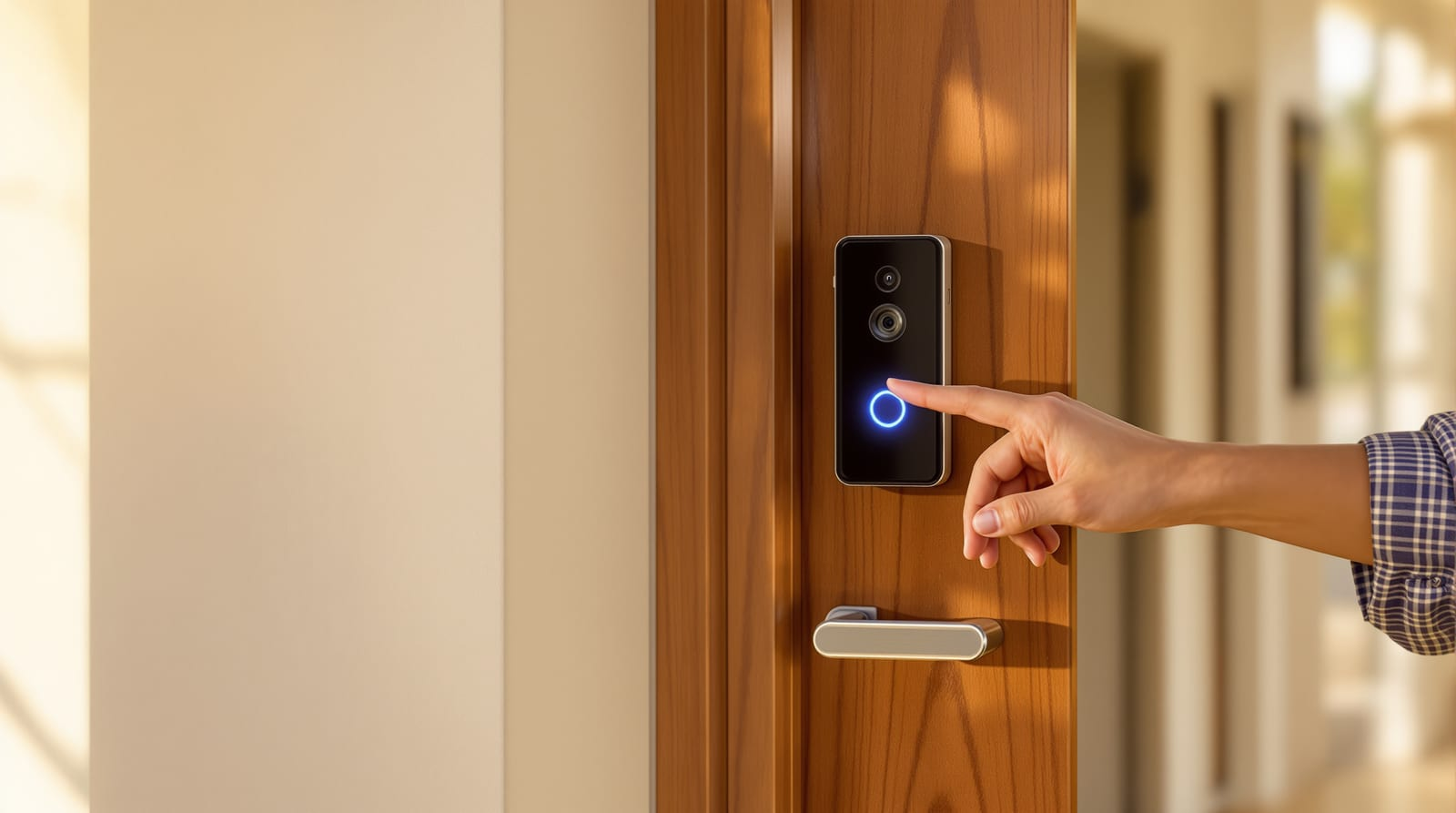
Power options are another important consideration.
Battery-powered models
Advantages:
Easier installation
Useful for homes without existing doorbell wiring
More flexibility when positioning the device
Suitable for renters in some situations
Things to consider:
Batteries need recharging
Cold or hot weather can affect battery performance
Frequent motion events may increase power consumption
Wired models
Advantages:
Continuous power
No regular battery charging
Often convenient for homes with existing wiring
Things to consider:
Installation can be more complicated
Existing wiring must be compatible
Positioning may be limited by the available connection
For many homeowners, the decision simply comes down to whether suitable wiring already exists.
8. Storage: Cloud or Local?
Video storage deserves more attention than it often receives.
Smart Doorbells generally need some way to store recorded footage if you want to review events later.
Some systems use cloud storage, while others support local storage. Certain products offer both.
Cloud storage
Cloud storage can make recordings accessible from anywhere, but subscription requirements vary between services.
Local storage
Local storage can provide greater control over where footage is kept, depending on the implementation. However, it may require additional hardware or management.
Before purchasing, check exactly what happens to recorded footage after an event.
Ask:
Is a subscription required?
How long are recordings retained?
Can footage be downloaded?
Is local storage supported?
What happens if the internet connection goes down?
Understanding these details can prevent unpleasant surprises after installation.
9. Don't Forget Internet Connectivity
Smart Doorbells rely heavily on connectivity.
A fast, stable connection near the front entrance can improve live viewing, notifications, and communication.
If your router is far from the front door, thick walls or other obstacles may weaken the signal.
Before installing a Wi-Fi doorbell, consider the strength of your wireless network at the actual installation point.
A feature-rich doorbell is less useful if its connection repeatedly drops.
10. Weather Resistance Matters
Doorbells live outside, so they need to handle the environment around your home.
Depending on where you live, the device may face:
Rain
Humidity
Dust
Heat
Cold
Direct sunlight
Snow or ice
Look for appropriate weather-resistance information from the manufacturer.
Also consider how much direct sunlight hits the camera. Strong sunlight can affect image quality and may contribute to heat buildup.
The physical environment should be part of your buying decision—not an afterthought.
11. Smart-Home Integration Can Make Life Easier
If you already use connected home products, compatibility can be useful.
A smart doorbell may work with other devices in the same ecosystem, allowing notifications or actions to appear across multiple products.
For example, an alert might appear on a smart display or phone rather than relying solely on the doorbell's physical chime.
Before buying, check which platforms the device supports and whether specific features require additional hardware or subscriptions.
12. Privacy and Security Should Be a Priority
Smart Doorbells are cameras positioned outside your home, so privacy deserves careful consideration.
The device may capture visitors, neighbors, delivery workers, or parts of nearby properties. Local laws and privacy expectations can vary, so users should position cameras responsibly and follow applicable rules.
From a technical perspective, review:
Account security
Two-factor authentication
Data encryption information
Privacy settings
Video-sharing controls
Storage policies
Software update practices
It's also worth changing default passwords and keeping the device's software up to date.
A connected security device should be treated as part of your home's digital infrastructure.
Which Doorbell Features Matter Most?
If you're overwhelmed by specifications, use this simple priority system.
Must-have features
Reliable video
Good night visibility
Motion detection
Stable connectivity
Weather resistance
Appropriate power option
Highly useful features
Person detection
Two-way audio
Package visibility
Adjustable motion zones
Useful smartphone notifications
Nice-to-have features
Smart-home integration
Advanced AI detection
Custom alert settings
Additional recording options
This doesn't mean optional features aren't valuable. It simply helps keep the buying decision focused on practical needs.
Smart Doorbell Buying Guide at a Glance
The chart above is a buying framework, not a ranking of particular Doorbells. Your priorities may change depending on your home and lifestyle.
A Simple Pre-Purchase Checklist
Before clicking "buy," take a few minutes to answer these questions:
Installation
Do I have existing doorbell wiring?
Where exactly will the camera be mounted?
Is Wi-Fi strong enough at the entrance?
Camera
Can it see faces clearly?
Does it capture the area where packages are left?
How does it perform at night?
Smart features
Does it distinguish people from general movement?
Are motion zones adjustable?
Are notifications customizable?
Storage
Does it require a subscription?
Can I save important recordings?
Is local storage available?
Privacy
What data does the device collect?
How is video stored?
Does the manufacturer provide security updates?
This checklist can make it easier to compare several models without getting distracted by marketing language.
The Future of Smart Doorbells
Smart Doorbells are likely to become increasingly intelligent as cameras, sensors, and AI-based detection improve.
Future systems may become better at distinguishing different types of activity, understanding context, and reducing unnecessary notifications.
The emphasis may also shift from simply recording everything to providing more useful information.
Instead of saying that "motion was detected," a future system could potentially provide more meaningful context about what happened around the entrance.
At the same time, privacy and security will become increasingly important as these devices become more capable.
The most useful developments will likely be those that make smart home monitoring more convenient without making it more complicated.
Final Thoughts
The best smart doorbell isn't necessarily the one with the most advanced specifications.
For most modern homes, the fundamentals matter first: clear video, dependable night performance, useful motion detection, stable connectivity, suitable power, weather resistance, and secure storage.
Once those basics are covered, features such as person detection, two-way communication, smartphone access, and smart-home integration can add another layer of convenience.
Before buying, think about your entrance and your daily routine. Do you need to monitor deliveries? Do you already have doorbell wiring? Is your Wi-Fi strong outside? Do you want cloud storage or local control?
Answering those questions will help you narrow down the options far more effectively than simply choosing the Doorbells with the longest feature list.
A smart doorbell should ultimately do one thing well: give you a clearer, more convenient view of what's happening at your front door.
FAQs
1. What should I look for when buying a smart doorbell?
Focus on video quality, night vision, field of view, motion detection, connectivity, weather resistance, power options, storage, and app reliability. Features such as person detection and two-way audio can provide additional convenience.
2. Are smart Doorbells worth it?
For many households, smart Doorbells can provide useful convenience through remote video, notifications, two-way communication, and activity monitoring. Whether one is worthwhile depends on your home's layout, security needs, budget, and preferred features.
3. Do smart Doorbells work without Wi-Fi?
Most connected Doorbells depend on Wi-Fi for features such as remote viewing, notifications, and cloud recording. Basic functions may vary by model, so check the manufacturer's requirements before buying.
4. Are wired or battery Doorbells better?
Neither is universally better. Wired models provide continuous power, while battery-powered Doorbells can be easier to install and more flexible. Your existing wiring and installation location should guide the choice.
5. Do smart Doorbells record all the time?
Recording behavior varies by model. Some systems record continuously, while others primarily record when motion or another event is detected. Storage options and recording length also vary.
6. Do smart Doorbells require a subscription?
Some models provide basic functionality without a subscription but charge for features such as cloud recording, extended video history, or advanced detection. Always check the current service terms before purchasing.
7. How important is night vision on a smart doorbell?
Night vision is very important because the doorbell needs to remain useful after dark. Look for good low-light performance and appropriate night-vision technology for the lighting conditions around your entrance.
8. Are AI-powered Doorbells accurate?
AI-based detection can help distinguish people or other types of activity from general motion, but no detection system is perfect. Camera placement, lighting, weather, distance, and software can all affect performance.
9. Can smart Doorbells detect packages?
Some models offer package-related detection or provide a camera view that makes packages easier to see. Availability and accuracy depend on the specific device and software.
10. Are smart Doorbells safe for privacy?
They can be used responsibly, but privacy depends on device settings, data practices, storage methods, and camera placement. Review the manufacturer's privacy and security information and position the camera appropriately.