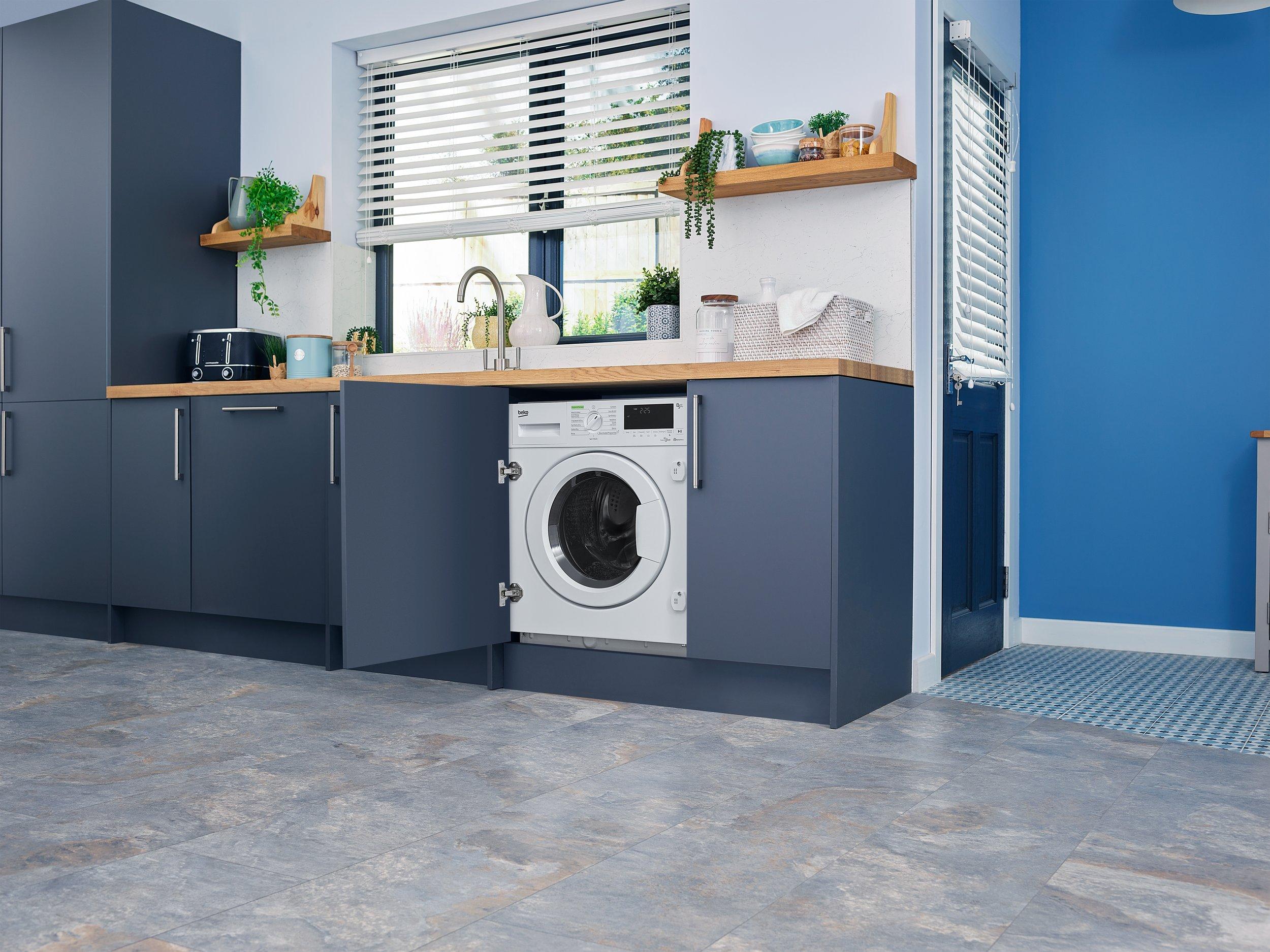
A washer-dryer is usually the better choice if you have limited space and want to wash and dry clothes in one appliance. Separate washing machines and tumble dryers are generally better for larger households, frequent laundry loads and people who want to process several loads more efficiently.
The decision comes down to four factors: available space, household laundry volume, drying time and running costs. A combined machine takes up less room and eliminates the need to transfer clothes between appliances. Two separate machines offer greater flexibility, usually provide more drying capacity and let you wash one load while drying another.
AO.com sells both combined washer-dryers and separate laundry appliances, with buying guides to help you compare capacities, energy ratings and installation requirements. Start with its washer-dryer and washing machine buying guide and tumble dryer buying guide.
The best option is not necessarily the cheapest machine or the setup with the most features. It is the one that fits your home, handles your laundry routine and delivers good value over its working life.
What Is the Difference Between a Washer-Dryer and Separate Appliances?
A washer-dryer combines washing and drying functions in a single machine, whereas a separate setup uses one washing machine and one tumble dryer. Both can clean and dry clothes, but their capacity, workflow and space requirements differ.
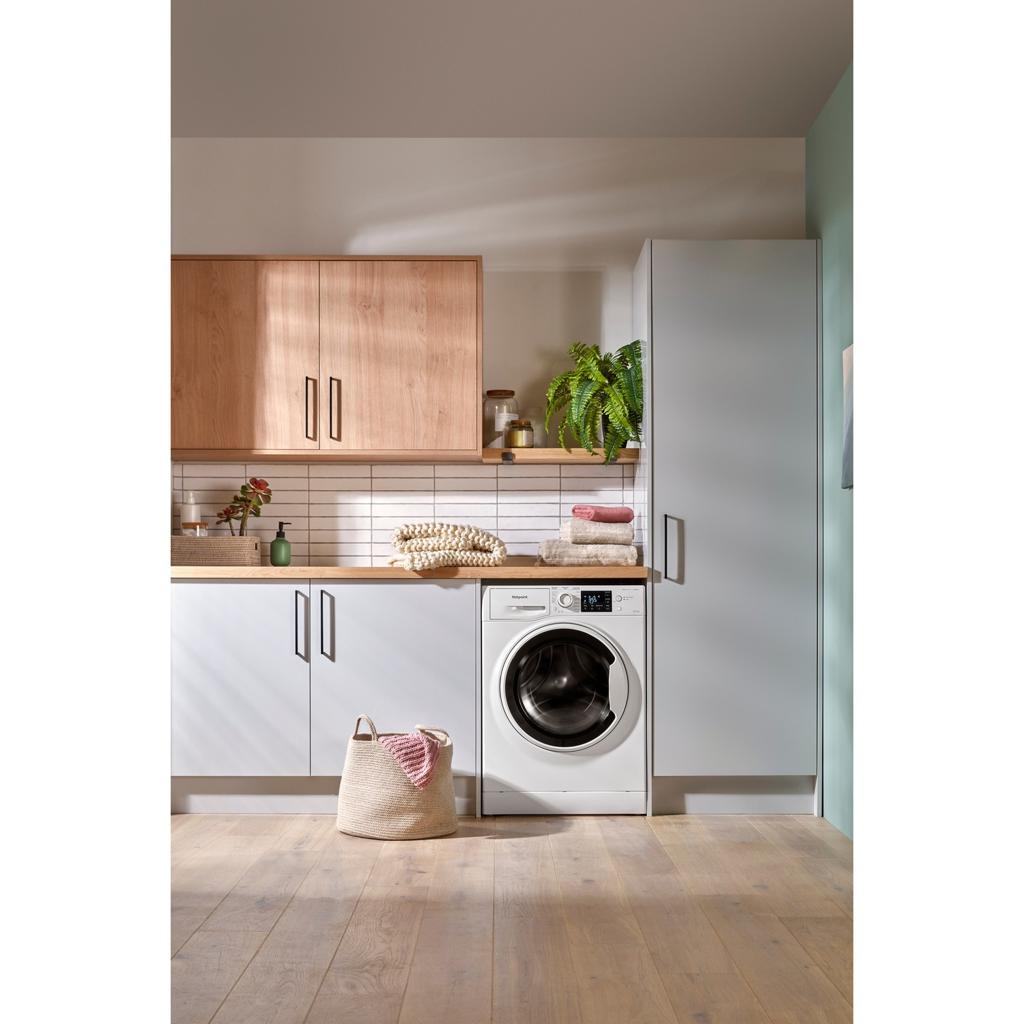
Combined washer-dryer
One appliance, one footprint
Wash and dry without manually transferring clothes.
Suitable for flats, small kitchens and compact utility rooms.
Usually has a smaller drying capacity than washing capacity.
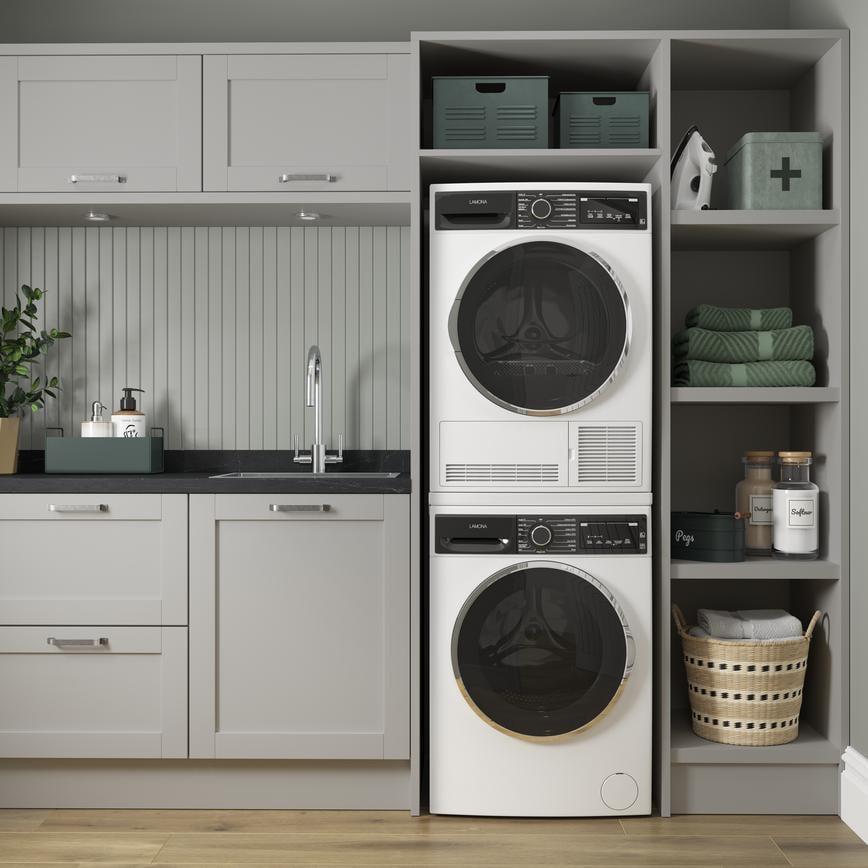
Separate washing machine and tumble dryer
Two appliances, greater flexibility
Wash one load while another dries.
More choice of capacities and drying technologies.
Requires more space, unless suitable stacking is possible.
A combined machine is particularly useful when you cannot fit two appliances. If you have sufficient room and regularly dry laundry, separate machines are often the more practical long-term choice.
Space Requirements: Which Setup Fits Your Home?
A washer-dryer is the better choice when you have room for only one standard laundry appliance. It can fit into a kitchen or utility area without requiring a separate location for a tumble dryer.
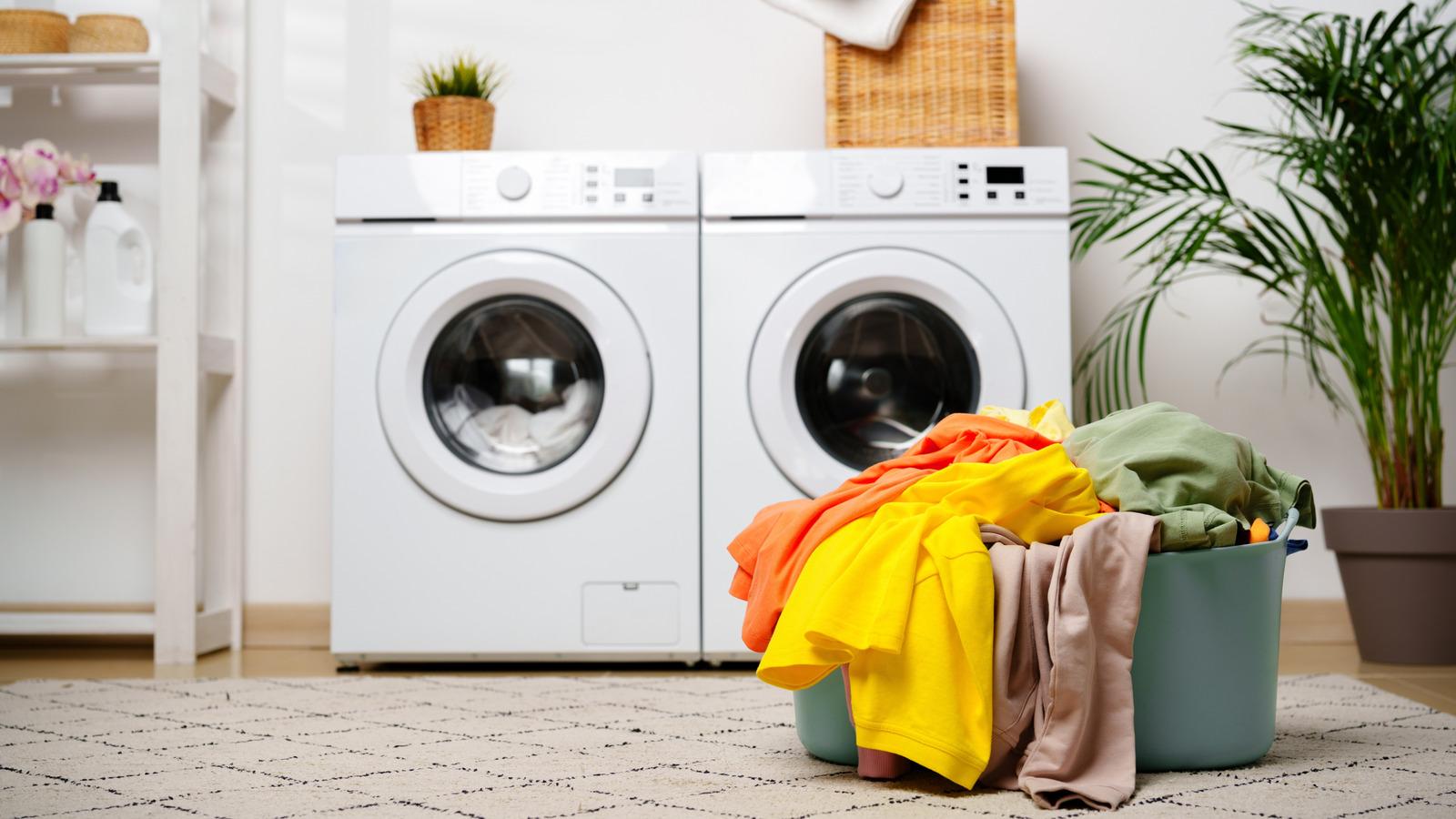
This is a major advantage in UK flats, smaller homes and properties without a dedicated utility room. You also avoid the need to stack two machines or rearrange cupboards to create additional space.
Separate appliances do not necessarily require two side-by-side spaces. A compatible tumble dryer can sometimes be stacked above a washing machine using an appropriate stacking kit. This can provide the capacity advantages of two machines while using a similar floor footprint, although the installation must be suitable for both models.
Before buying through AO.com, measure the width, height and depth of the available space. Allow room for hoses, ventilation, doors and servicing access. For stacked appliances, check the manufacturers' compatibility requirements and the total height.
AO's laundry measurement guide can help you prepare before ordering.
Household Laundry Volume and Drying Capacity
Separate appliances are generally the better choice for families and households that produce large amounts of laundry because they can handle more drying capacity and operate simultaneously.
A combined washer-dryer might advertise an 8kg washing capacity but only a 5kg drying capacity. That means a full washing load cannot necessarily be dried in one go. You may need to remove some clothes before starting the drying cycle or accept that a larger load will need to be split.
For a single person or couple who washes a few loads each week, this limitation may be manageable. For a family washing school uniforms, towels, bedding and everyday clothing, the smaller drying capacity can become frustrating.
When comparing models, check both figures rather than focusing only on the washing capacity.
As a general guide:
One or two people: A washer-dryer can work well if laundry volumes are modest.
Small families: Either setup can work, depending on how often you use the dryer.
Larger households: Separate machines are usually more convenient if you dry clothes frequently.
Homes with frequent bedding and towel loads: A dedicated tumble dryer can provide more flexibility.
AO's washer-dryer buying guide explains the differences between wash and dry capacities.
Cycle Times and Everyday Convenience
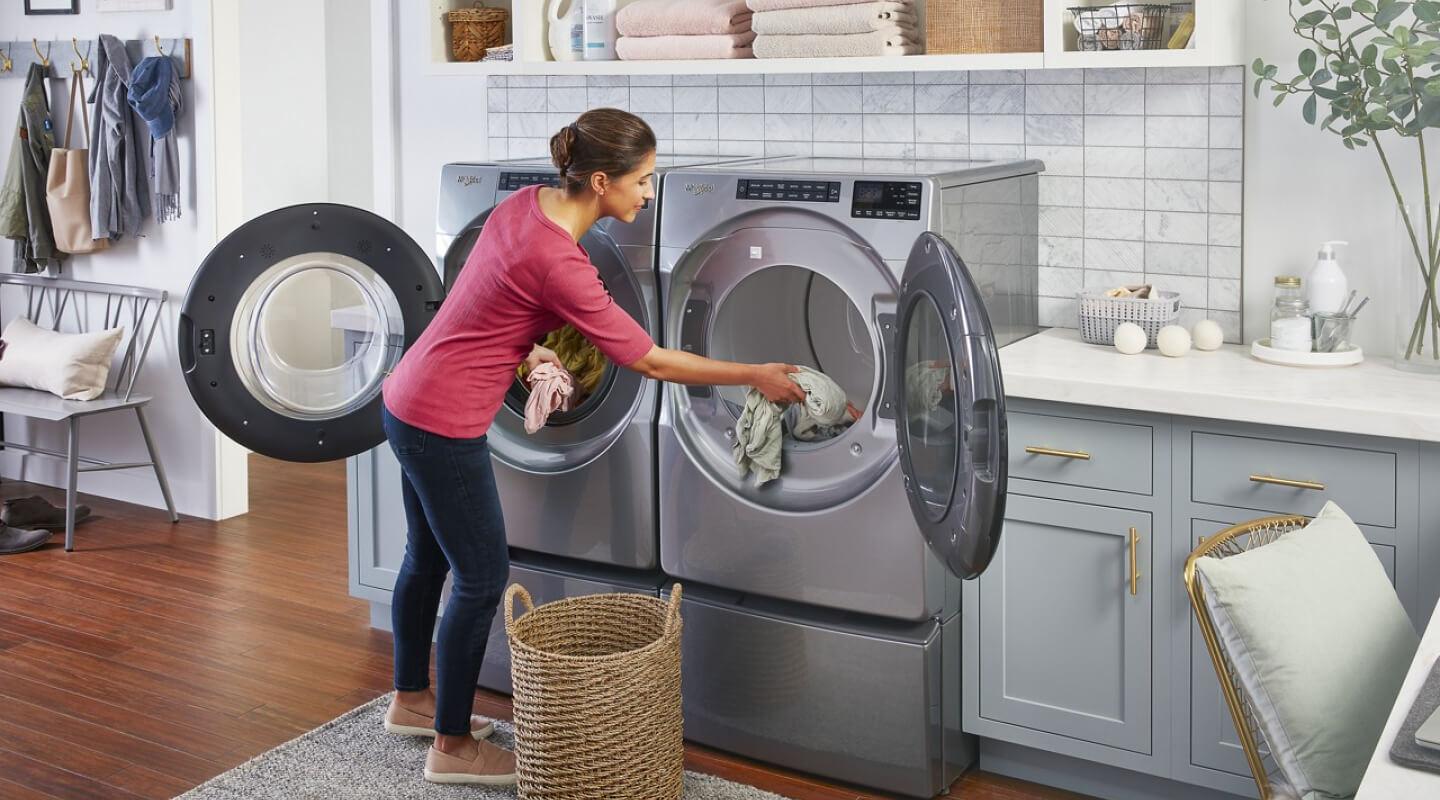
A washer-dryer offers the convenience of a continuous wash-and-dry programme, but a complete cycle can take several hours. Separate machines can provide a faster overall laundry workflow because washing and drying can happen at the same time.
For example, if you wash a load in the morning and need the clothes dry for the afternoon, a combined machine may keep the drum occupied for the entire wash-and-dry cycle. You cannot start washing the next load until the first one has finished.
With separate machines, you can move the first load into the dryer and immediately start the next wash. This makes a noticeable difference when you have several loads to complete.
Actual cycle times vary considerably by model, programme, load size and fabric. Check the manufacturer's stated duration for the programmes you expect to use rather than assuming every washer-dryer is slow or every separate dryer is fast.
A combined machine still has a convenience advantage: you do not need to transfer clothes between appliances when using a continuous cycle. If you value simplicity more than throughput, that can outweigh the longer wait.
Energy Consumption and Running Costs
Separate appliances can offer lower running costs when you pair an efficient washing machine with a heat pump tumble dryer, particularly if you dry clothes regularly. However, the exact difference depends on the models you choose and how often you use them.
Heat pump tumble dryers reuse heat during drying and generally consume less electricity than conventional condenser or vented dryers. Some washer-dryers use more energy during drying, and certain models also consume water during the drying process.
Independent testing published by Which? in October 2026 found that the cost of running a combined machine could be higher than using a separate washing machine with a heat pump dryer under its tested usage assumptions.
That does not mean every separate setup is cheaper. A low-cost washer-dryer may cost less to buy than two good standalone appliances, while an expensive or inefficient separate setup can reduce the potential savings.
Before deciding, compare:
Energy consumption per cycle on the appliance's energy label.
Water consumption for the relevant wash and wash-dry programmes.
Your expected number of loads per week.
The upfront price of the complete setup.
The likely cost of electricity and water over time.
If you regularly use the drying function, running costs deserve particular attention. If you mostly air-dry clothes and only occasionally use the machine's dryer, the difference may matter less.
Purchase Price: Is One Appliance Always Cheaper?
A washer-dryer is not automatically cheaper than buying a washing machine and tumble dryer separately. Prices vary by brand, capacity, features and promotional offers, so compare the full setup rather than assuming one option wins on cost.

AO.com's washer-dryer range includes combined machines at different price points, while its washing machine range and tumble dryer range let you compare standalone options.
When comparing prices, include installation and delivery charges, any stacking kit, and old-appliance removal if required. Also consider whether a bundle offer makes two appliances more competitive.
Do not choose a washer-dryer purely because its initial price is lower. If it cannot handle your usual drying load, takes too long or costs more to run, the initial saving may not make it the better purchase.
Conversely, if you have limited space and only dry occasional loads, paying for two machines may not offer enough practical benefit to justify the additional cost.
Which Features Should You Compare Before Buying?
The best laundry setup depends on the specifications you will use regularly, not the number of programmes listed on the product page.
For a washer-dryer, prioritise the drying capacity, complete wash-and-dry cycle duration, energy consumption and sensor-drying options. For separate appliances, compare the washing machine's drum capacity and spin speed with the tumble dryer's capacity, energy rating and drying technology.
A higher washing-machine spin speed can extract more water before drying, although the result depends on the programme and fabric. Sensor drying can also help avoid running the dryer longer than necessary.
Consider these additional features:
Quick programmes: Useful when you need clothes ready quickly, but check the load limits and results.
Steam functions: May help with particular fabric-care tasks, depending on the model.
Automatic dosing: Can simplify detergent use on compatible washing machines.
Smart connectivity: Useful if you want remote notifications, but not essential for everyone.
Noise levels: Worth checking if the appliance sits near a bedroom or open-plan living area.
Warranty and repair support: Review the manufacturer's terms and availability of servicing.
AO.com provides buying advice for both washer-dryers and tumble dryers, making it easier to compare suitable models before ordering.
Washer-Dryer vs Separate Machines: Which Should You Buy?
A washer-dryer is the practical choice when space is limited and laundry volumes are manageable. Separate appliances are usually the better investment when you have enough room, wash frequently and want greater drying capacity or faster turnaround.
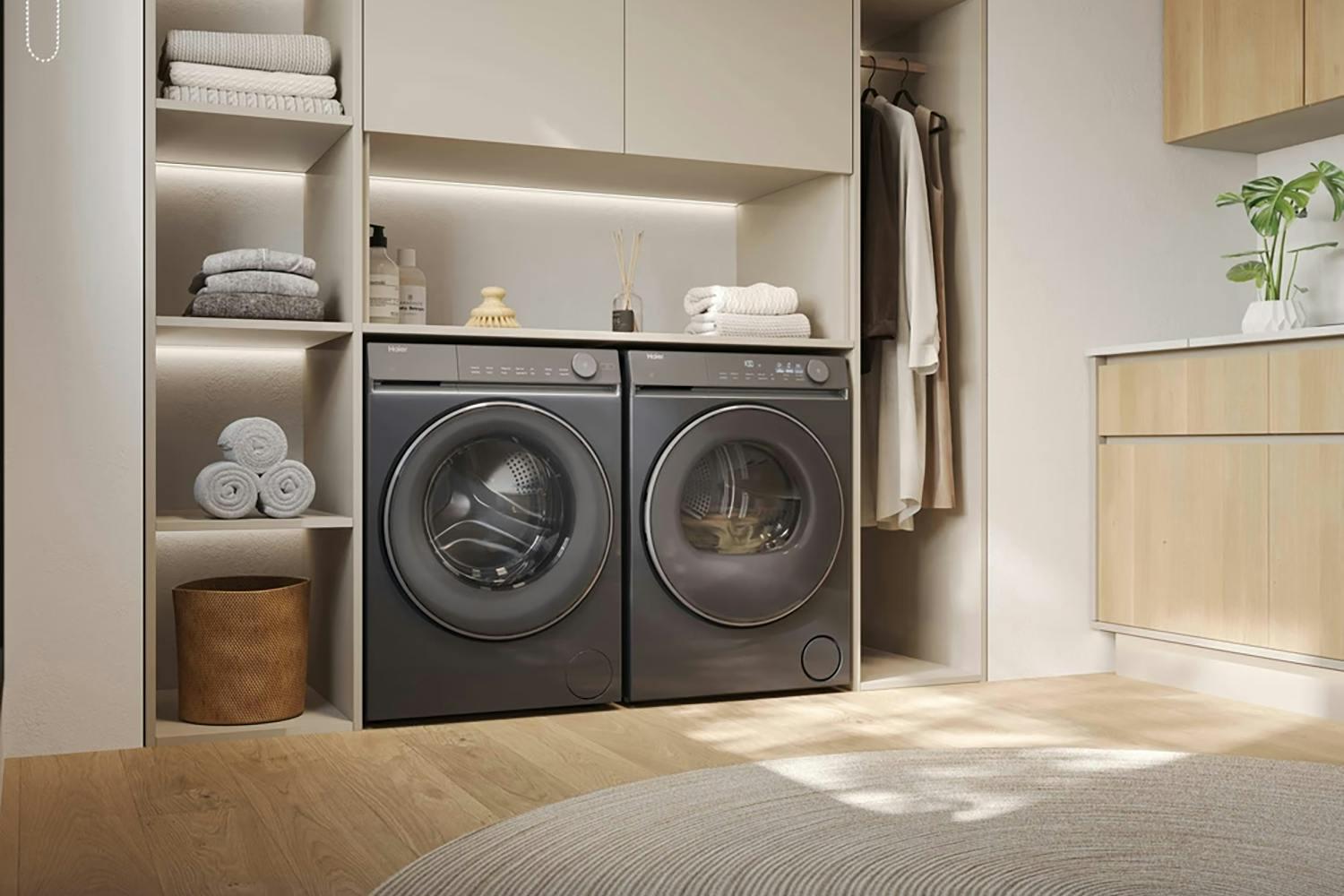
Choose a washer-dryer if you:
Have room for only one appliance.
Live alone or have a relatively small household.
Prefer not to transfer clothes between machines.
Use the drying function occasionally or for smaller loads.
Want to avoid installing or stacking two appliances.
Choose a separate washing machine and tumble dryer if you:
Regularly wash and dry several loads in one day.
Have a larger household or frequently wash bedding and towels.
Want to run washing and drying at the same time.
Prioritise drying capacity and flexibility.
Can accommodate two machines side by side or safely stacked.
My recommendation: If you have the space and use a tumble dryer regularly, compare a separate washing machine with a heat pump tumble dryer first. If your home has room for only one appliance, a well-reviewed washer-dryer with sufficient drying capacity can be a sensible compromise.
Explore AO.com's laundry range to compare available models, specifications, delivery and installation options.
Frequently Asked Questions
Is a washer-dryer better than a separate washing machine and tumble dryer?
A washer-dryer is better for saving space and simplifying laundry. Separate appliances are generally better for larger loads, simultaneous washing and drying, and households that use a tumble dryer frequently.
Do washer-dryers take longer to dry clothes?
They can. A complete wash-and-dry cycle may take several hours, depending on the model and load. Separate machines let you dry one load while washing another, reducing the time needed to process multiple loads.
Are washer-dryers more expensive to run?
They can be, particularly during drying. An efficient washing machine paired with a heat pump tumble dryer may cost less to operate under frequent-use conditions, but actual costs depend on the models, energy and water consumption, and how often you dry clothes.
Can a washer-dryer wash more clothes than it dries?
Yes. Many models have a larger washing capacity than drying capacity. Always check both figures because you may need to remove some clothes before starting the drying cycle.
Can I stack a tumble dryer on top of a washing machine?
Often, yes, provided the appliances are compatible and installed using an appropriate stacking kit. Check the manufacturers' instructions, dimensions and installation requirements before buying.
Where can I compare washer-dryers and separate laundry appliances in the UK?
AO.com offers washer-dryers, washing machines and tumble dryers, along with buying guides to help you compare capacity, features and running costs.