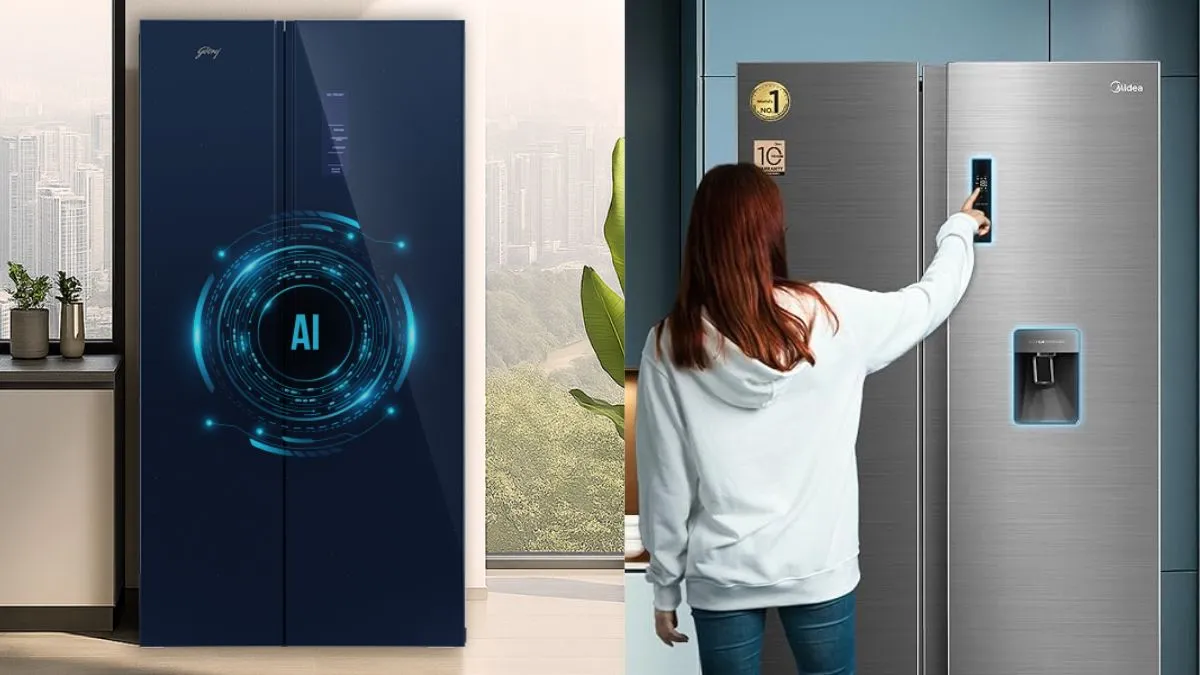
A refrigerator used to have one simple job: keep food cold. Today, that familiar kitchen appliance is becoming far more intelligent. With connected sensors, cameras, adaptive cooling systems, and software-driven features, modern refrigerators can monitor conditions inside the appliance and adjust how they operate.
This shift is part of a wider movement toward smart home technology, where everyday appliances are designed to respond to how people actually use them. AI-powered refrigerators are an interesting example because their benefits are not just about adding another screen or app to the kitchen. The technology can help manage temperature, organize food, reduce unnecessary energy use, and make everyday routines more convenient.
So, what exactly makes a refrigerator "AI"? And does smart technology genuinely improve food storage? Here's a closer look at how intelligent cooling works and what it could mean for the future of the kitchen.
What Makes a Refrigerator "Smart"?
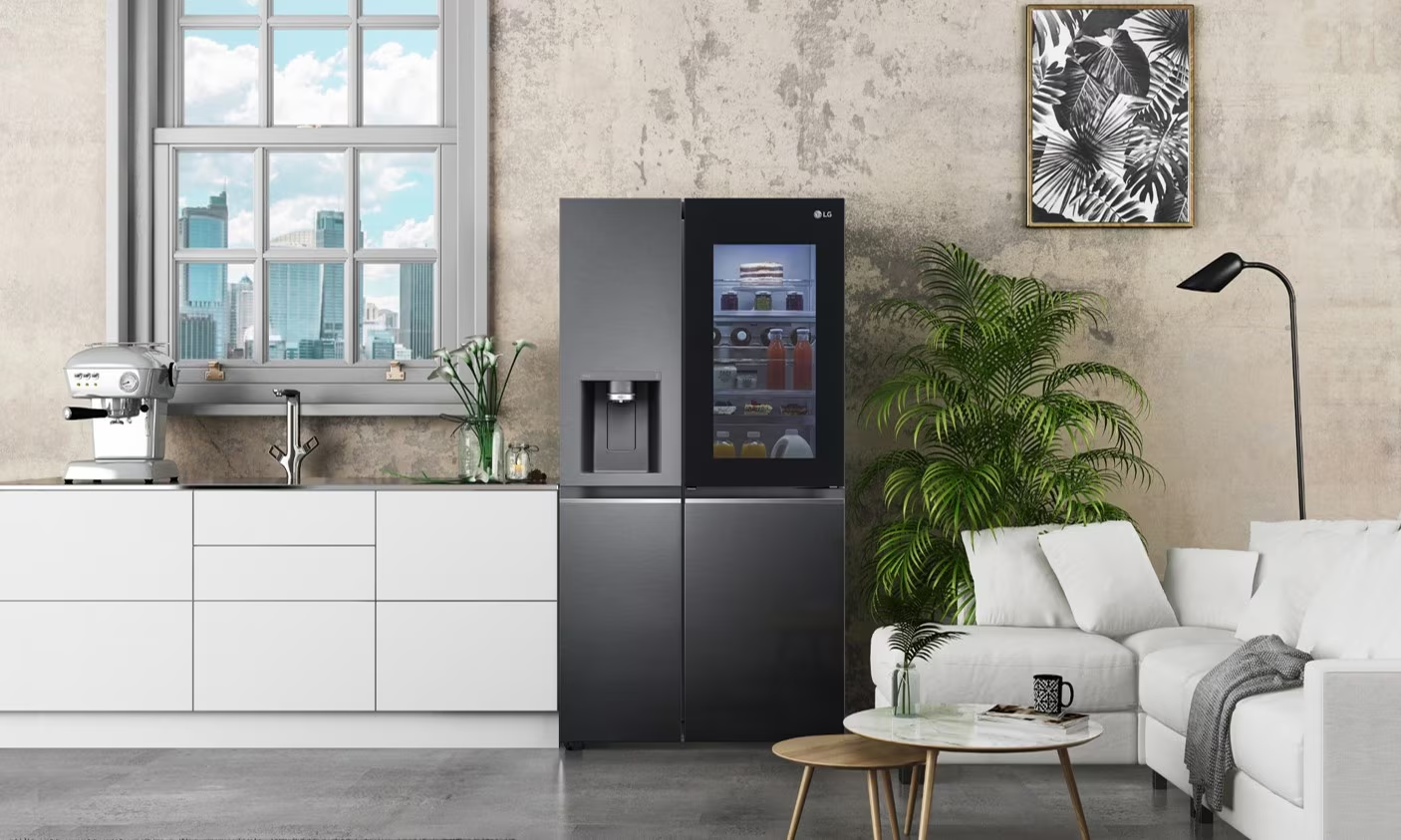
Traditional refrigerators generally operate according to preset temperature settings. A thermostat detects changes in temperature, and the cooling system turns on or off to maintain the selected range.
Smart refrigerators take this basic process further by combining sensors, connectivity, software, and automated controls. Depending on the model, they may monitor internal temperature and humidity, detect whether the door has been left open, track usage patterns, or provide information through a smartphone app.
Some advanced Refrigerators also incorporate artificial intelligence or machine-learning technology. Instead of simply following one fixed setting, these systems can analyze information and make adjustments based on changing conditions.
For example, if a refrigerator detects that the door is being opened frequently, it can respond to the resulting temperature fluctuations. If certain compartments require different conditions, intelligent cooling systems can manage them independently.
The goal is straightforward: create a more responsive environment for storing food.
How AI Cooling Technology Works

The technology behind intelligent Refrigerators can vary significantly from one manufacturer to another, but the basic concept is relatively easy to understand.
Sensors placed throughout the appliance can collect information about temperature, humidity, door activity, and other environmental conditions. That information is processed by the refrigerator's control system, which can then adjust cooling performance.
Instead of treating the entire refrigerator as one uniform space, smart cooling can recognize that different areas may have different requirements.
A vegetable drawer, for instance, may benefit from a different humidity level than a general storage compartment. Meanwhile, the freezer needs a consistently low temperature to protect frozen food.
AI and automation can help coordinate these conditions without requiring the user to constantly make manual adjustments.
This is where smart Refrigerators differ from simply connected appliances. A refrigerator with Wi-Fi may allow you to change the temperature from your phone. An AI-enabled refrigerator can potentially use information from its sensors to make some of those decisions automatically.
Smarter Temperature Management
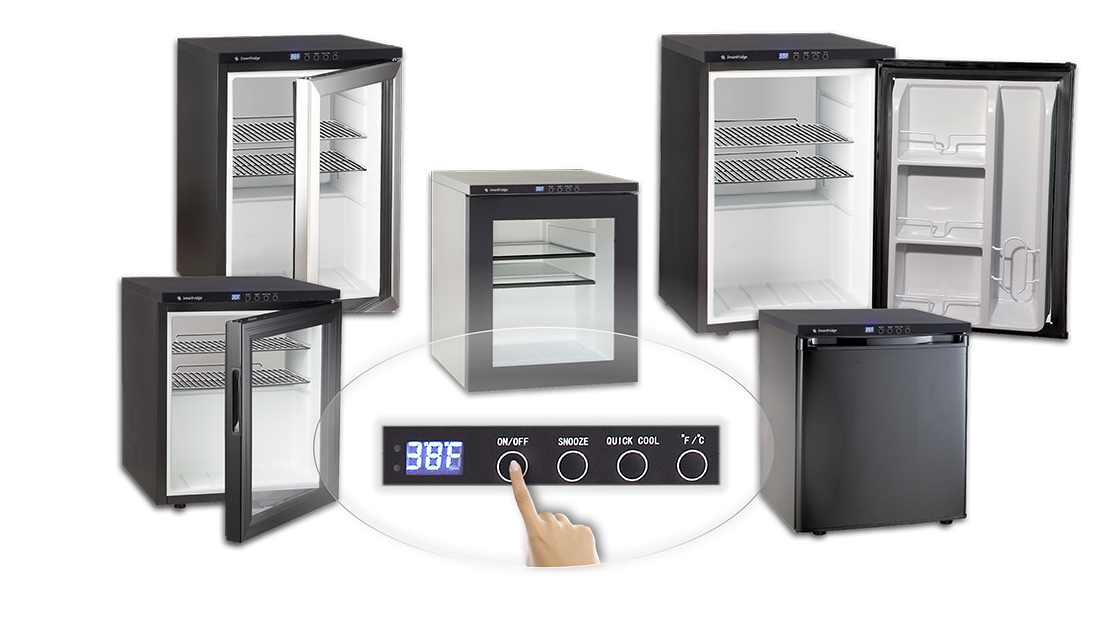
Temperature consistency is one of the most important aspects of food storage. Opening the door allows warm air into the appliance, while placing newly purchased groceries inside can temporarily change the internal environment.
A conventional refrigerator responds to temperature changes through its cooling cycle. Smart cooling systems can use additional sensors and algorithms to understand these changes more precisely.
Some intelligent Refrigerators can increase or reduce cooling according to usage patterns. If the system detects frequent door openings during certain parts of the day, it can account for those changes in its operation.
This doesn't mean the refrigerator is predicting every event perfectly. Rather, it is using more information to manage cooling than a basic thermostat would.
For households where the refrigerator is opened frequently, this type of responsive cooling can be particularly useful.
AI Can Help Monitor Food Storage
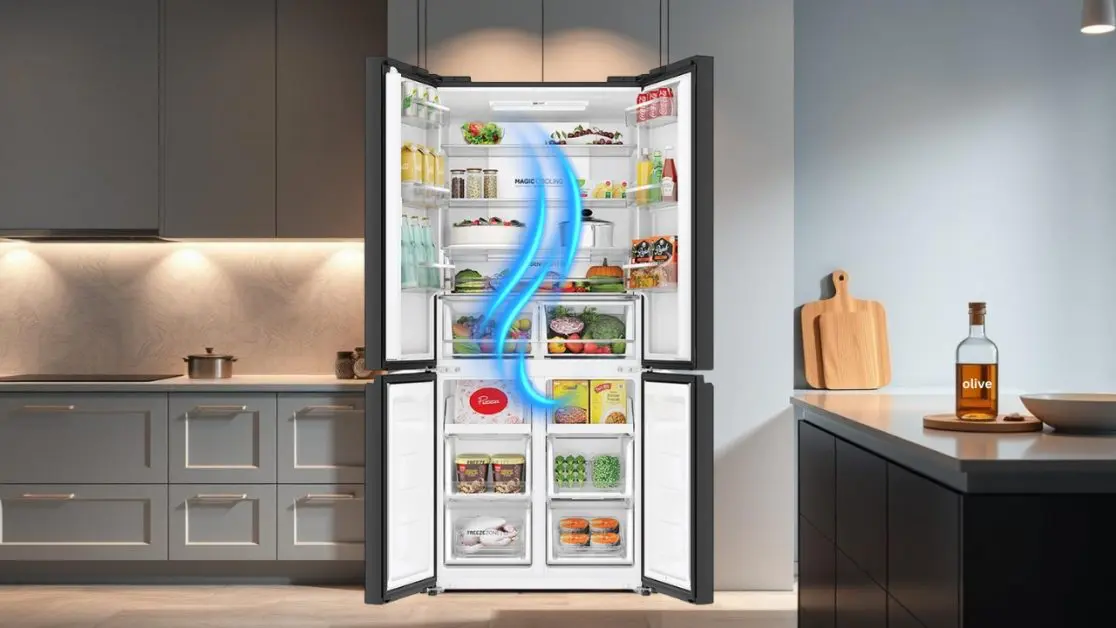
Another interesting development is the use of cameras and recognition technology inside Refrigerators.
Depending on the model, internal cameras can provide a view of what's stored inside. Some systems may use image recognition to identify food items or help users keep track of what they have.
Imagine standing in a grocery store and wondering whether there is already a carton of milk at home. Instead of trying to remember, you could potentially check your refrigerator's contents through a connected smartphone application.
Food monitoring can also make meal planning easier. If you know which ingredients are available, it becomes simpler to decide what to cook before purchasing additional groceries.
The technology isn't perfect, and recognition systems may not identify every item correctly. Packaging can change, products can be moved around, and some foods may be difficult for cameras to distinguish. Still, the concept points toward a refrigerator that acts more like an organized food-management assistant.
Reducing Food Waste
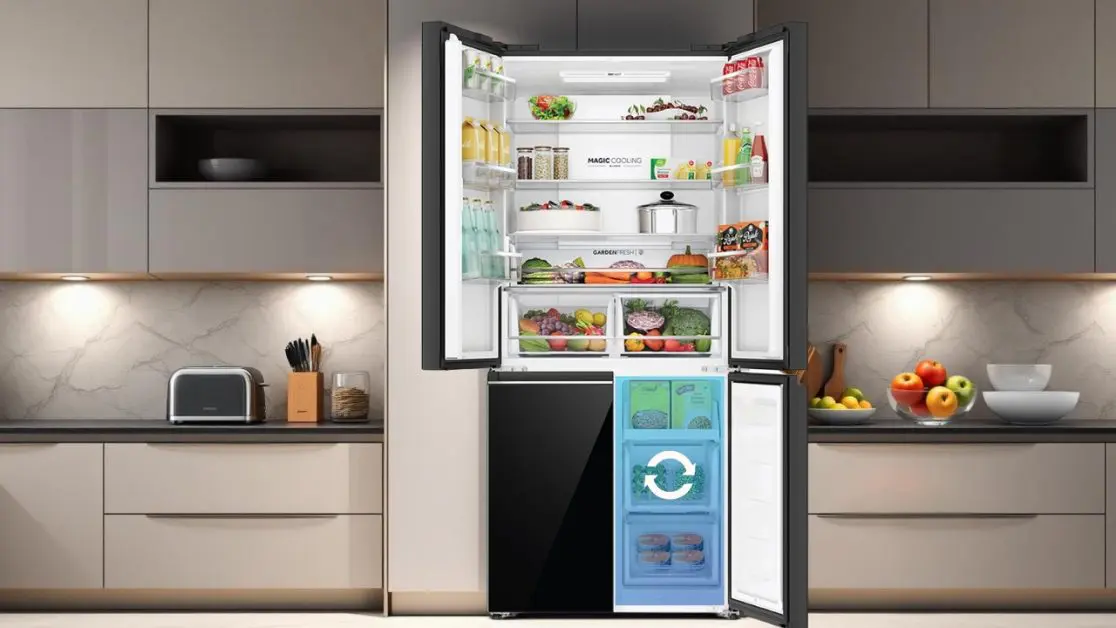
Food waste is a major household issue, and smart Refrigerators could play a useful role in addressing it.
People often forget about items pushed toward the back of a refrigerator. Fresh produce, dairy products, sauces, and leftovers can remain unnoticed until they are no longer usable.
Smart food-management features can help users keep better track of what they have. Some connected systems allow people to create digital inventories, while others can provide reminders or notifications.
For example, a refrigerator could remind a household that certain ingredients have been stored for several days. Even a simple notification can make a difference when people are managing busy schedules.
AI could eventually make these systems more personalized by learning household habits. Instead of giving generic reminders, a smart refrigerator could potentially identify patterns in how frequently certain foods are purchased or consumed.
That could turn the refrigerator from a passive storage appliance into a more active part of household food management.
Energy Efficiency and Intelligent Cooling

Energy consumption is another area where smart technology can make a difference.
Refrigerators operate continuously, so even relatively small improvements in efficiency can matter over time. Intelligent systems can potentially optimize cooling cycles according to internal conditions and usage patterns.
For instance, if the refrigerator detects that the doors have remained closed for a long period, it may not need to operate in the same way as it would during a period of frequent activity.
Modern energy-efficient Refrigerators already use technologies designed to reduce unnecessary power consumption. AI and connected controls can add another layer of optimization by allowing the appliance to respond dynamically to conditions.
However, it is important to remember that "smart" does not automatically mean "more energy efficient." Actual energy performance depends on the appliance's design, size, insulation, compressor technology, usage, and energy rating.
Consumers should therefore look at official energy information rather than assuming that an AI feature guarantees lower electricity consumption.
Connected Refrigerators Make Everyday Life Easier
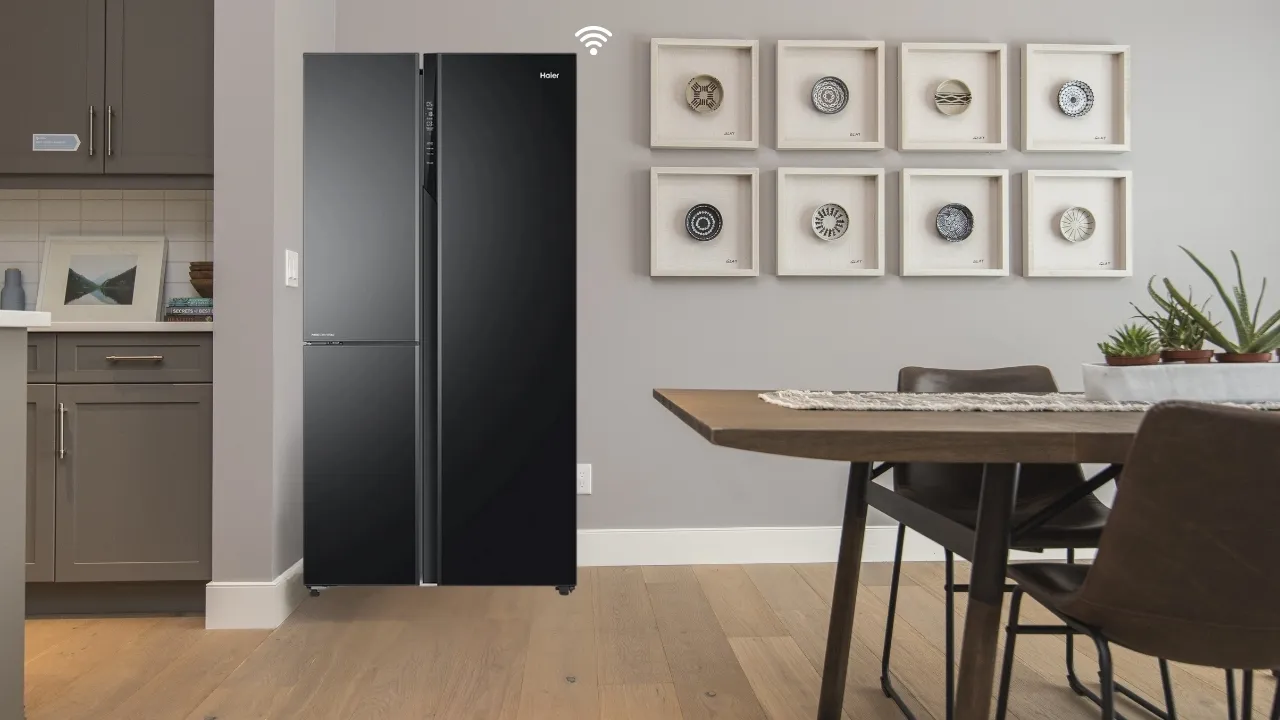
Convenience is perhaps the most obvious advantage of smart Refrigerators.
Many connected models can communicate with smartphones and other smart-home devices. Users may be able to adjust temperatures, receive alerts, or check certain refrigerator information remotely.
A door-open notification can be useful if someone accidentally leaves the refrigerator open. Temperature alerts can also provide an early warning if conditions change unexpectedly.
Some premium models go further by integrating with smart assistants and other household technology.
These features may sound small individually, but they can become valuable over time. The best smart-home technology often works quietly in the background, reducing the number of small tasks people have to remember.
What About Privacy and Security?
As refrigerators become connected devices, privacy and cybersecurity deserve attention.
A smart refrigerator can collect information about how the appliance is used. Depending on its features, it may also process information through cameras, apps, or connected services.
Before purchasing connected Refrigerators, consumers should understand what information the device collects, how that information is stored, and which accounts or services are required.
Software updates are equally important. Connected appliances should receive security updates from their manufacturers, and users should keep associated accounts protected with strong passwords and appropriate security settings.
The more connected an appliance becomes, the more important it is to treat it as part of the home's digital environment rather than simply another kitchen appliance.
Are AI Refrigerators Worth It?
Whether an AI refrigerator is worthwhile depends largely on how you use your kitchen.
For someone who simply wants reliable cold storage, a conventional energy-efficient refrigerator may provide everything necessary. There is no need to pay extra for features that will rarely be used.
For busy households, technology enthusiasts, or people who frequently struggle with food organization, smart features may be more appealing.
The most useful features are likely to be the ones that solve genuine everyday problems: better temperature management, useful alerts, food organization, remote monitoring, and potentially improved energy management.
A large touchscreen or an extensive collection of connected features may look impressive, but practical usefulness should come first.
The Future of Smart Food Storage
AI Refrigerators are still evolving, and the technology is likely to become more sophisticated.
Future systems could combine food recognition, personalized meal planning, inventory management, energy optimization, and predictive maintenance into a single appliance.
Imagine a refrigerator that understands which foods a household regularly buys, identifies what is currently available, notices that certain ingredients are approaching the end of their useful storage period, and suggests meals based on those ingredients.
That kind of system could eventually make food storage more proactive and personalized.
The biggest change, however, may be less visible. Instead of interacting with an appliance manually, consumers could increasingly expect their kitchen technology to monitor conditions and make appropriate adjustments automatically.
Final Thoughts
AI is changing what people expect from everyday Refrigerators. What was once a simple appliance dedicated to keeping food cold is becoming a connected system capable of monitoring conditions, adjusting cooling, organizing information, and supporting household routines.
The technology isn't a replacement for sensible food storage habits, and not every smart feature will be useful for every household. But intelligent cooling represents an important step toward more responsive kitchens.
As AI, sensors, connectivity, and energy-efficient hardware continue to develop, Refrigerators are likely to become increasingly capable of understanding their environment and helping people manage the food inside them. The result could be a kitchen where technology doesn't simply store food—it helps households use it more efficiently.
FAQs
1. What is an AI refrigerator?
An AI refrigerator is a smart appliance that uses sensors, software, automation, and sometimes artificial intelligence to monitor and manage aspects of food storage. Depending on the model, features can include adaptive cooling, food monitoring, alerts, and connected smartphone controls.
2. How does smart cooling work?
Smart cooling uses sensors to monitor conditions such as temperature, humidity, and door activity. The refrigerator's control system can then adjust cooling performance according to changing conditions rather than relying entirely on fixed settings.
3. Can AI refrigerators reduce food waste?
They can potentially help reduce household food waste by providing inventory tools, reminders, food monitoring, and alerts. However, the effectiveness depends on the specific features and how consistently the household uses them.
4. Do smart refrigerators use more electricity?
Not necessarily. Energy consumption depends on the refrigerator's design, size, efficiency, usage, and technology. Some smart cooling systems are designed to optimize operation, but consumers should check the appliance's official energy specifications rather than assuming AI automatically means lower energy use.
5. Can I control a smart refrigerator from my phone?
Many connected Refrigerators offer smartphone integration. Depending on the model, users may be able to adjust temperature settings, receive notifications, monitor certain conditions, or access other smart features remotely.
6. Are AI refrigerators worth buying?
It depends on your needs and budget. If you value food tracking, remote monitoring, adaptive cooling, and smart-home integration, the additional features may be useful. If you primarily need dependable refrigeration, a conventional energy-efficient model may be sufficient.
7. Are smart refrigerators secure?
Connected appliances can introduce privacy and cybersecurity considerations. Buyers should review the manufacturer's privacy information, security features, software-update policy, and connected-account requirements before purchasing.