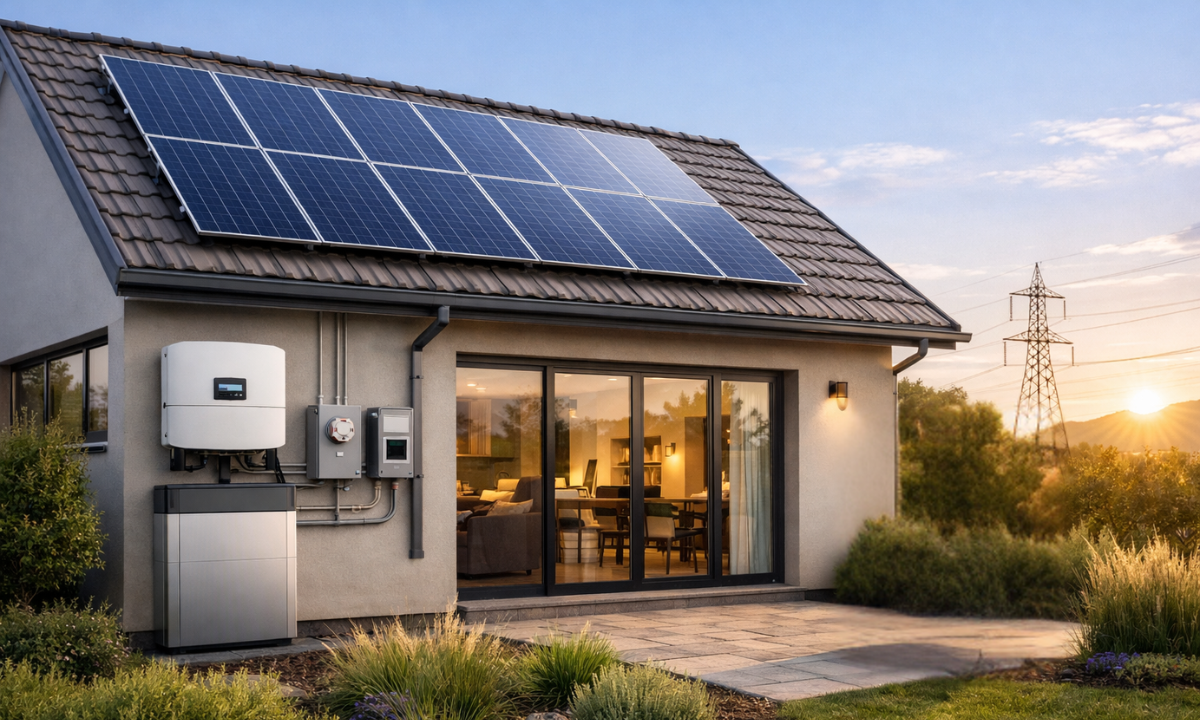
For homeowners exploring Bauhaus in Spain, understanding how solar energy works is a useful first step before investing in panels, mounting equipment or other accessories. Spain receives plenty of sunshine across much of the country, making solar power an appealing option for households that want to generate electricity, manage energy costs and make better use of their roofs or outdoor spaces.
But buying solar equipment involves more than choosing a panel with an impressive wattage. You need to consider how much electricity your household uses, when you use it, whether your property gets enough direct sunlight and which components are required to turn solar generation into usable power.
A small plug-in or portable solar setup serves a different purpose from a professionally installed rooftop system. The right choice depends on your goals, budget and property.
This guide explains the main types of solar panels, the accessories that support them, the costs and practical considerations to investigate, and what to check before buying from BAUHAUS Spain. Whether you're considering a modest solar project for a garden shed or a larger installation for your home, a little planning can help you avoid unnecessary purchases and choose equipment that fits your needs.
1. Which type of solar panel is right for your home?
The right solar panel depends on whether you want to power household appliances, support a portable power station or supply electricity to an entire property. Rooftop photovoltaic panels suit larger domestic installations, while folding panels are convenient for camping, balconies where permitted, and portable power systems.
Rooftop solar panels for household electricity
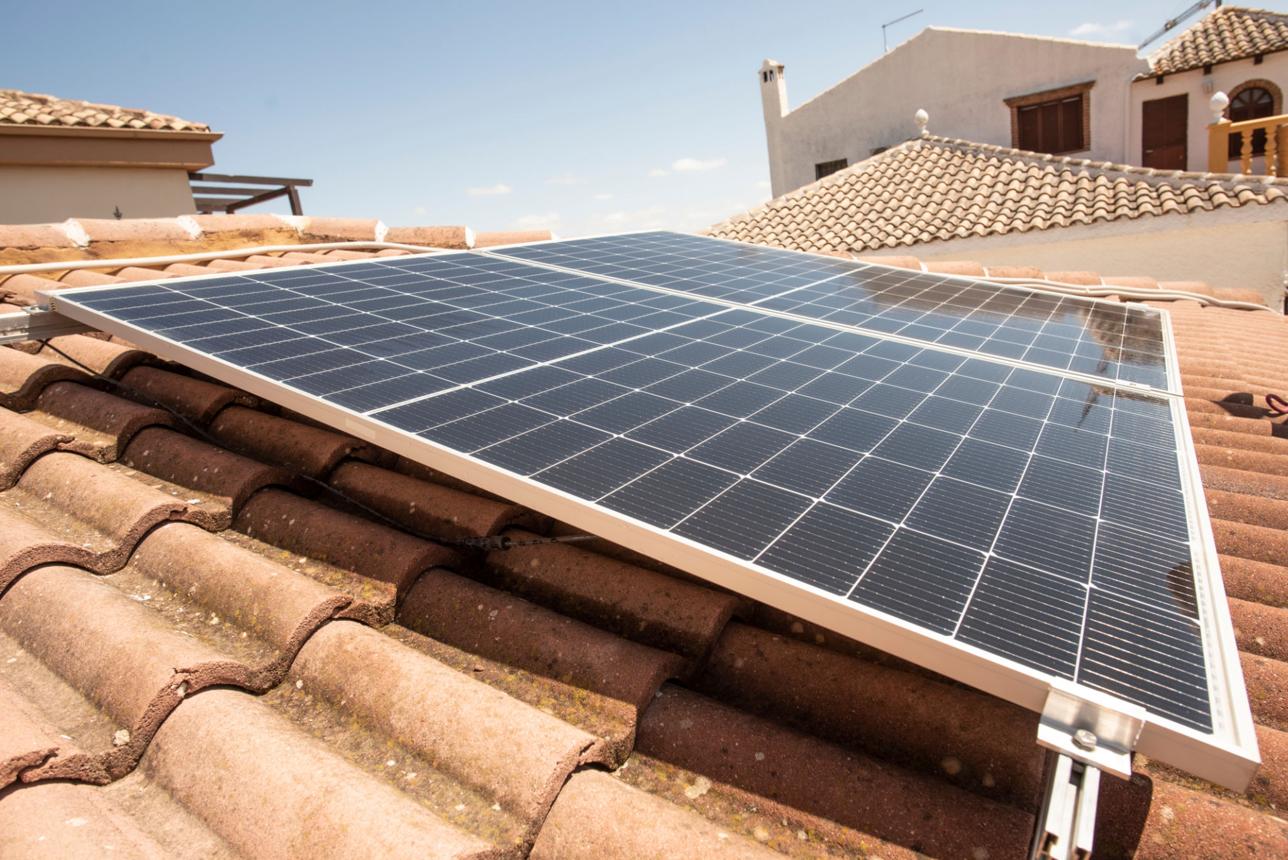
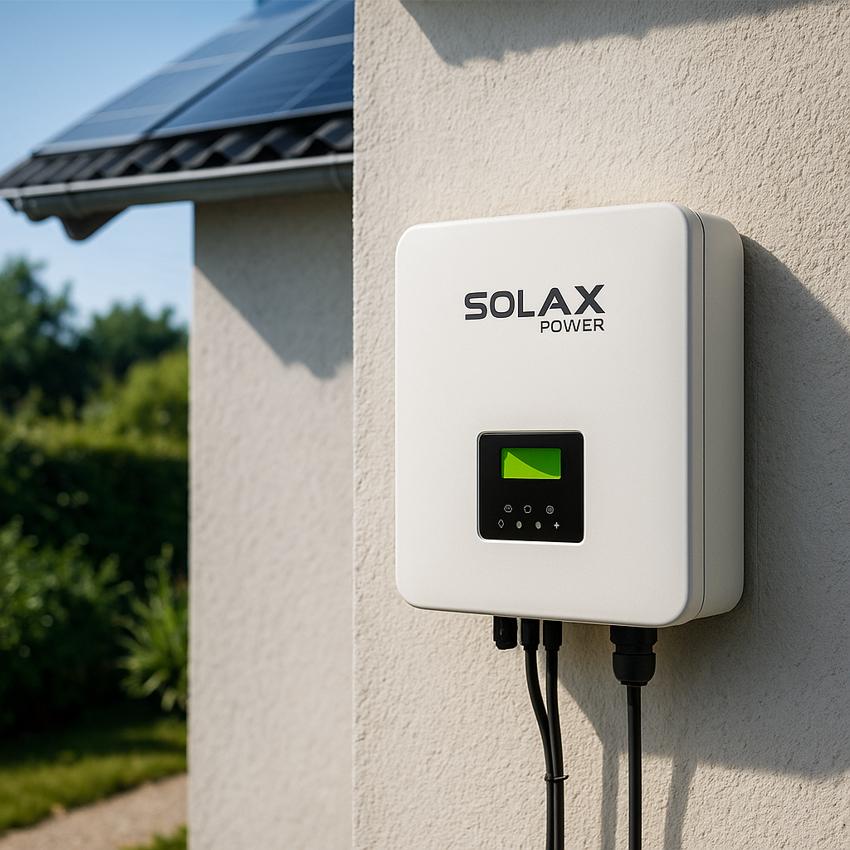
A rooftop photovoltaic system converts sunlight into electricity that can be used by household appliances. The panels generate direct current (DC), which an inverter converts into alternating current (AC) for compatible household circuits.
This is usually the option to investigate if your goal is to reduce the amount of electricity you buy from the grid. Your roof's orientation, shading, usable area and structural condition all influence the system's performance.
Portable solar panels for smaller projects
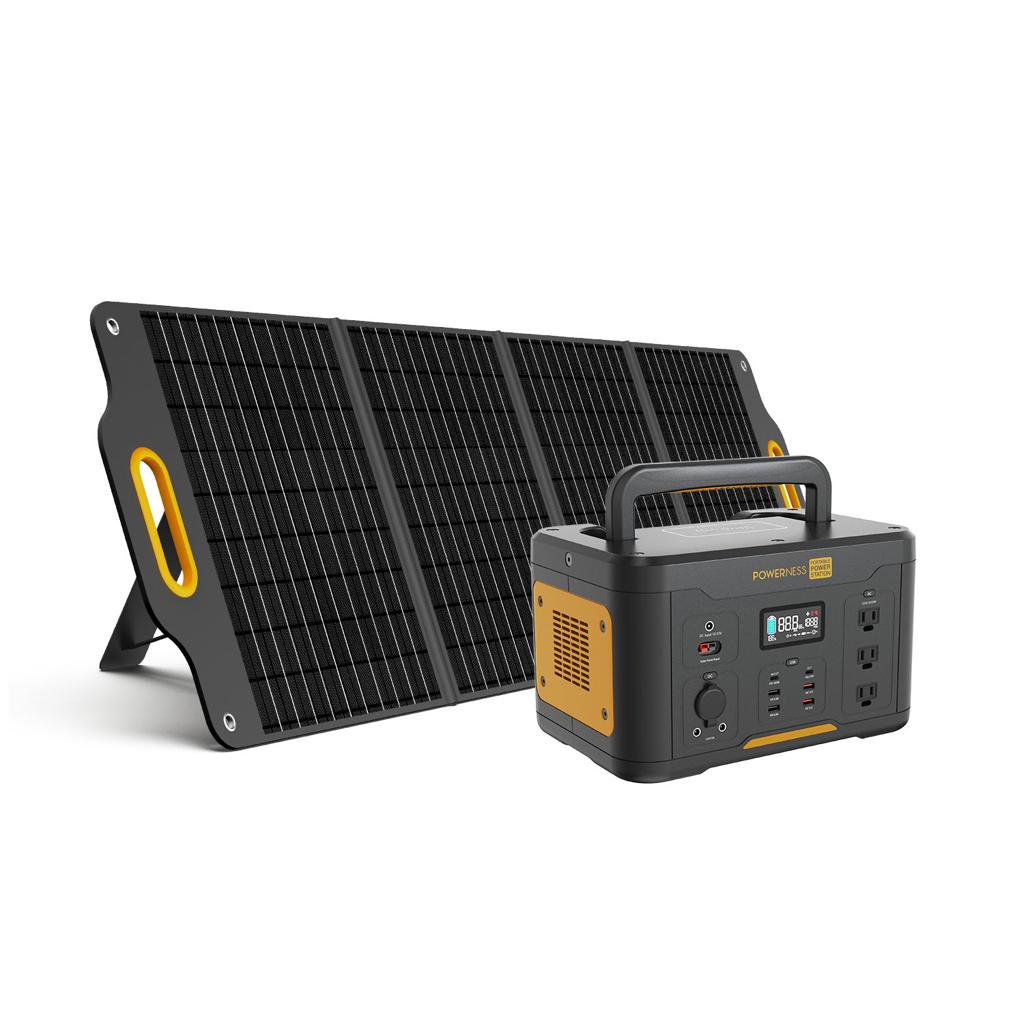
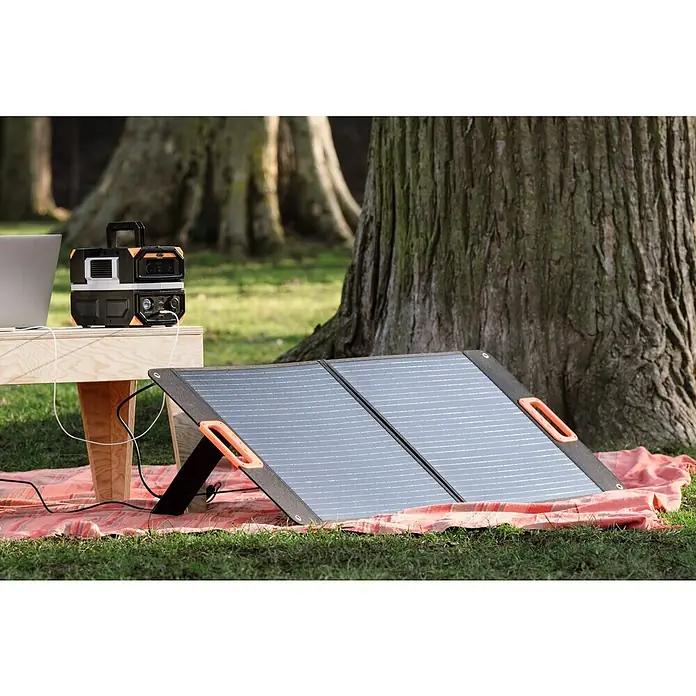
Folding solar panels are designed to be moved and paired with compatible portable power stations. They're useful for camping, outdoor activities or powering selected devices where conventional electricity isn't readily available.
Their smaller output means they're not generally a direct substitute for a complete household rooftop installation. Check the panel's rated output, connector type and compatibility with the power station before purchasing.
What do wattage and efficiency actually mean?
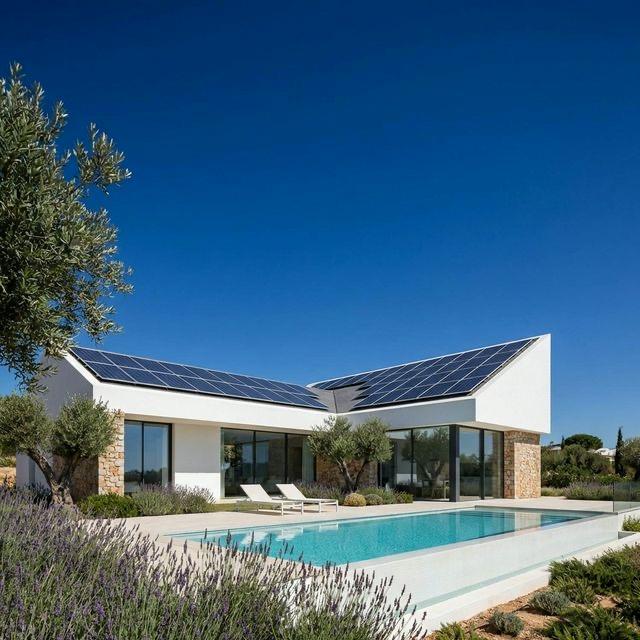
A panel's rated wattage describes its output under specified test conditions, not the electricity it will produce every day. A 400 W panel won't necessarily generate 400 watts continuously because sunlight, temperature, orientation and shading change throughout the day.
Efficiency describes how effectively the panel converts incoming sunlight into electricity for its surface area. Higher efficiency can be useful where roof space is limited, but it should be considered alongside price, warranty, output and installation requirements.
2. What solar accessories do you need alongside the panels?
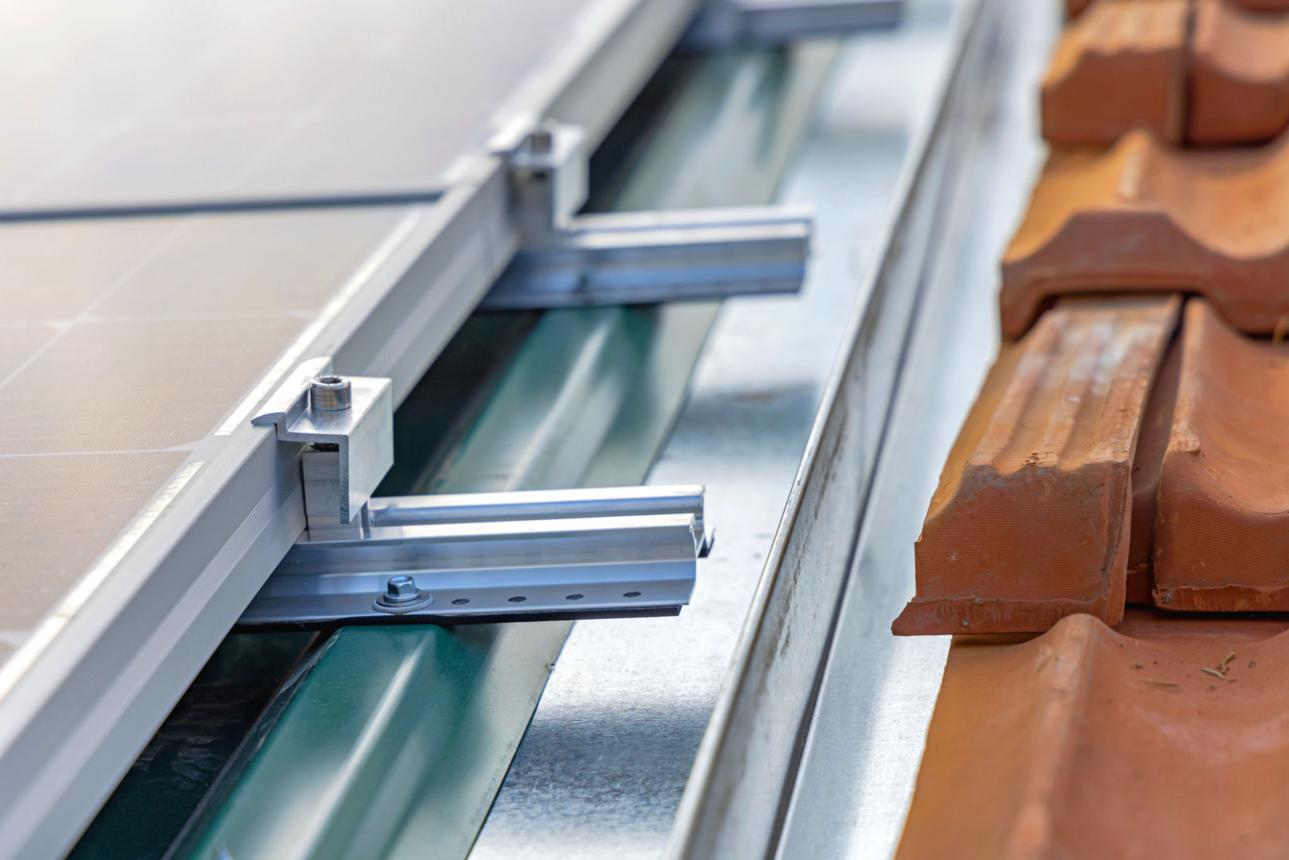
A solar system needs compatible mounting hardware, electrical connections and conversion equipment to operate safely. Depending on the setup, you may also need a charge controller, batteries, protective devices, monitoring equipment and professional installation.
Here's what the main components do.
Component | Purpose | When it's needed |
|---|---|---|
Mounting brackets and rails | Secure panels in position | Most fixed panel installations |
Solar cables and connectors | Carry electricity between components | Whenever the system requires external connections |
Inverter | Converts DC electricity to AC | For systems supplying standard AC household circuits |
Charge controller | Regulates charging from panels | Common in battery-based off-grid systems |
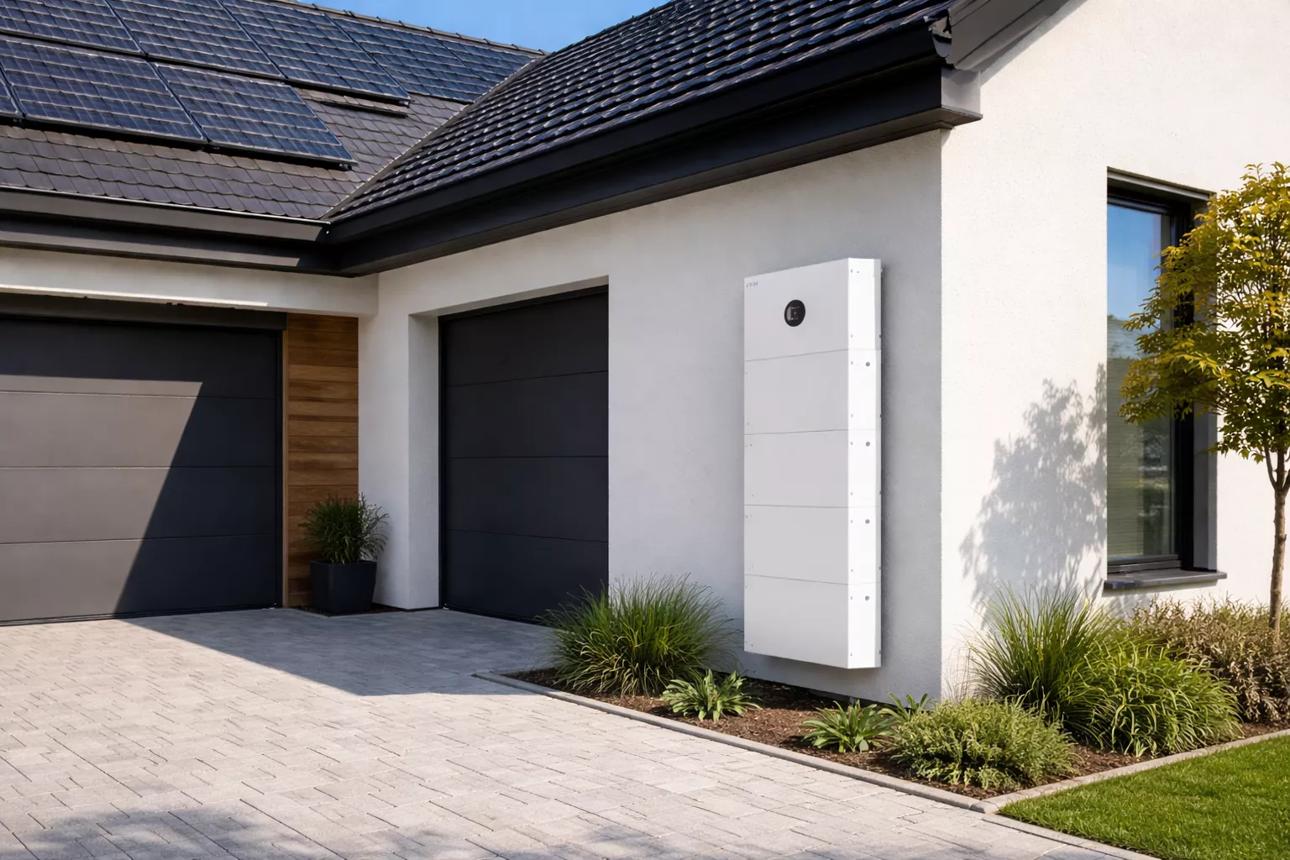
Solar battery | Stores electricity for later use | When storage is part of the design |
Fuses, isolators and protective equipment | Help protect the electrical installation | As specified by the system design and applicable rules |
Energy meter or monitoring system | Measures production and consumption | Useful for tracking performance and self-consumption |
The key is compatibility. A cable that physically fits isn't necessarily electrically suitable, and an inverter must be matched to the panels, voltage range and intended installation.
For a permanently connected rooftop system, don't treat the installation as a collection of independent products. The components need to work together as a properly designed electrical system.
3. How much solar power does a Spanish household need?
The right system size depends on annual electricity consumption, available roof space and how much power your household uses during daylight hours. Reviewing your electricity bills is the best starting point because it shows how much energy you need to replace and when your demand is highest.
Start with your electricity consumption
Look at your bills from the last 12 months and note your annual consumption in kilowatt-hours (kWh). Then consider your daily routine. A household that runs a washing machine, dishwasher and other appliances during sunny hours may use more of its solar generation directly than one where everyone is out until evening.
For example, a home with substantial daytime electricity use may benefit from a system designed around self-consumption. A household that uses most of its electricity after sunset might also consider battery storage, although the additional cost needs careful evaluation.
Check the roof before choosing a system
South-facing roofs often provide strong annual solar production in Spain, but east- and west-facing roofs can also work well. The best arrangement depends on the local climate, roof angle, shading and when electricity is needed.
Look for potential obstructions such as chimneys, nearby buildings and trees. Even partial shade can affect the output of some panel configurations, so a professional assessment is worthwhile before buying equipment.
One useful detail: don't size a system around the maximum possible output alone. Producing more electricity than you can use may be less valuable if surplus compensation is low or storage is expensive.
4. How much can solar energy save you in Spain?
Solar panels can reduce electricity purchases by supplying some of your household demand, but the financial benefit depends on installation cost, system output, self-consumption, electricity tariffs and any compensation available for surplus energy.
Understand self-consumption and surplus electricity
Spain supports self-consumption arrangements in which solar electricity is used by the household. With an eligible grid-connected system that has surplus generation, unused electricity may be exported to the grid and compensated under the applicable arrangement and electricity contract. The value of exported energy can differ from the price you pay for electricity imported from the grid.
This distinction matters. Using solar electricity directly can avoid buying that electricity from your supplier, while exporting excess generation may earn a different rate or credit.
Calculate the economics using your own figures
Before buying, estimate:
The total installed cost, including equipment, labour and any required electrical work.
The expected annual generation based on your location and roof conditions.
The proportion of generated electricity your household will use directly.
The value of electricity imported from the grid and any surplus compensation.
Ongoing maintenance, inverter replacement and battery costs, if applicable.
Avoid relying on a headline payback period without checking its assumptions. A system's financial performance can change with electricity prices, household habits and the amount of sunlight available.
Batteries can increase the share of solar electricity available after sunset, but they add upfront expense and have their own efficiency losses and service life. For some homes, adjusting appliance schedules may be a more economical first step.
5. What should you know about solar installation rules in Spain?
Before installing rooftop solar panels, check the requirements that apply to your property and municipality. Depending on the installation, you may need to address local planning procedures, building requirements, electrical certification, grid connection arrangements and registration.
Homeowners and apartment residents have different considerations
If you own a detached house, you'll need to assess roof suitability, structural capacity, waterproofing and electrical connections. A qualified installer can determine which mounting system and protective equipment are appropriate.
If you live in an apartment building, rooftop space may be communal. You may need approval from the community of owners, depending on the proposed installation and applicable rules. Shared self-consumption arrangements can also be an option in eligible circumstances.
Spain's official Institute for the Diversification and Saving of Energy (IDAE) provides guidance on self-consumption, including arrangements for individual homes and groups of nearby consumers. Its information is a useful starting point before committing to a system.
Don't assume that a small system is automatically exempt from every requirement. Confirm the applicable process with your local authority, electricity distributor or qualified installer before work begins.
6. Which solar products and services can you explore at Bauhaus Spain?
BAUHAUS Spain offers a range of photovoltaic panels, portable solar equipment, mounting systems, inverters, batteries and accessories. It also advertises a solar-panel installation service, giving homeowners a route to explore equipment and professional installation together.
Here are three useful places to begin comparing options.
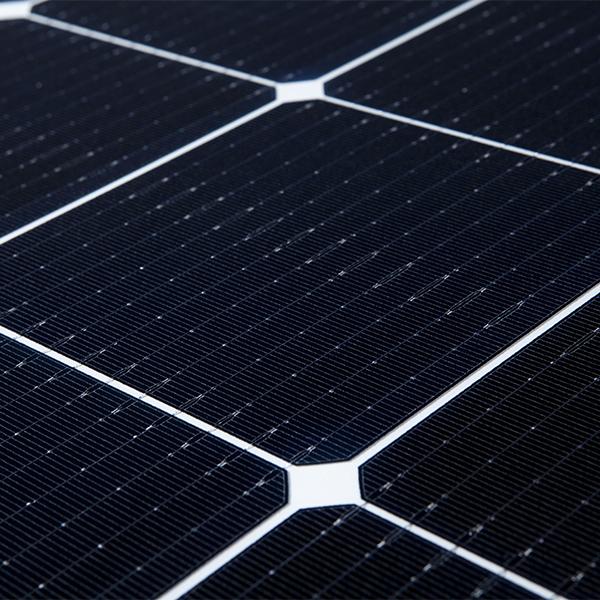
Photovoltaic panels for fixed installations
If you're researching rooftop solar, compare rated output, dimensions, mounting compatibility and product documentation. BAUHAUS lists photovoltaic panels from brands including Suntech, with specifications that can help you assess whether a model fits your planned system.
Browse photovoltaic solar products.
Portable panels for smaller energy needs
Portable panels can be practical for camping, outdoor activities and compatible portable power stations. Check their rated wattage, connectors, folded dimensions and whether the intended power station supports the panel's electrical specifications.
Explore portable solar panels and accessories.
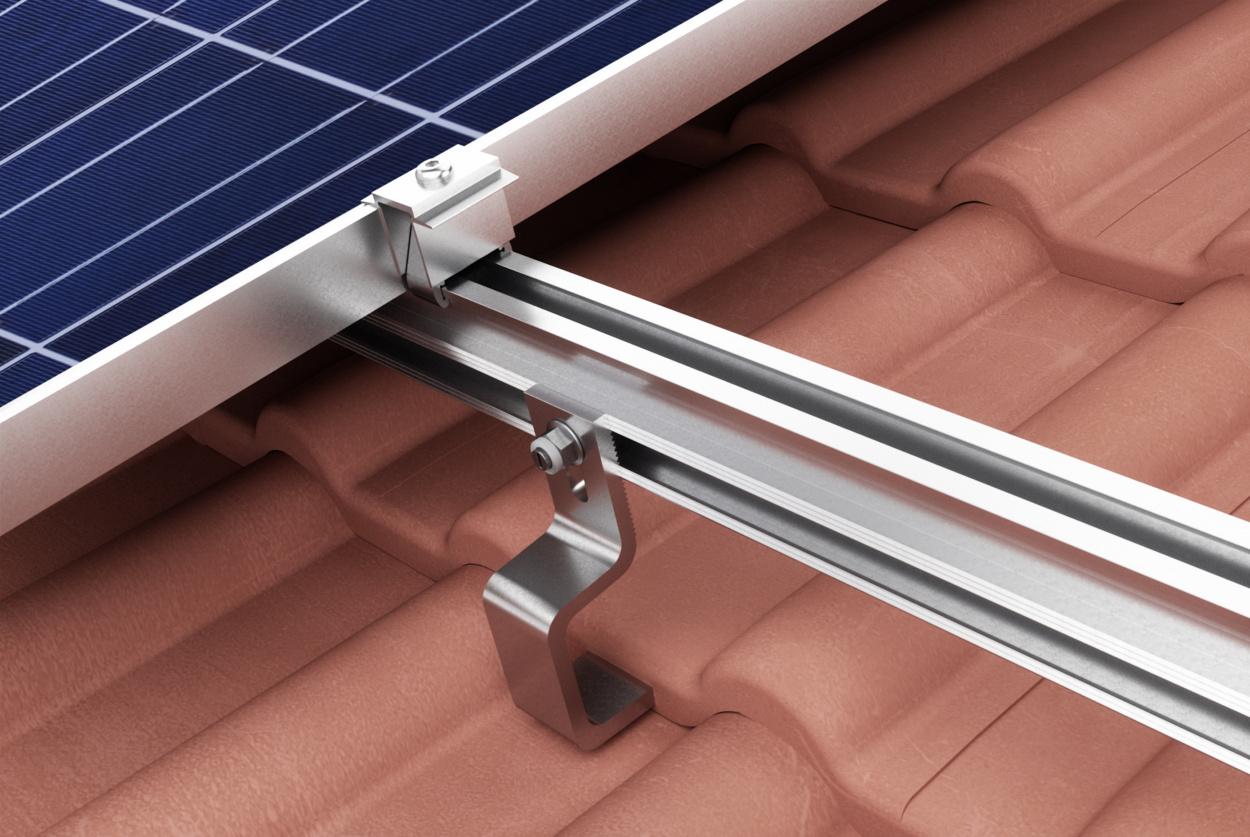
Mounting equipment and electrical accessories
Fixed installations require appropriate mounting hardware and correctly specified electrical components. BAUHAUS lists solar mounting supports, cables, regulators, fuses and other accessories. Match every component to the system design rather than selecting parts independently.
Compare solar accessories at BAUHAUS.
Is professional installation worth considering?
For a rooftop system connected to your home's electrical installation, professional assessment is a sensible choice. BAUHAUS advertises a solar installation service, which is worth exploring if you want help assessing the property and planning the installation.
Ask for a clear quotation that identifies the panels, inverter, mounting equipment, electrical protections, labour, warranties and any administrative costs. Confirm what's included before comparing quotes, so you're evaluating complete systems rather than equipment prices alone.
Product availability and prices can change, and not every listed product will be available online or at every store. Check the current product page and installation-service terms before making a decision.
7. What should you check before buying solar panels?
Before purchasing, confirm that the equipment matches your energy needs, property and installation plan. A short checklist can help you avoid expensive compatibility problems.
Review your bills: Understand your annual electricity consumption and daytime usage.
Assess the location: Check roof orientation, shading, available space and structural suitability.
Compare specifications: Review wattage, dimensions, warranties and expected performance.
Plan the complete system: Account for the inverter, mounting equipment, cables, protections and optional storage.
Check permissions: Confirm local requirements, building approvals and electrical documentation.
Calculate realistic savings: Use expected generation, self-consumption and your actual electricity tariff.
Compare complete quotations: Include installation and any additional work, not just the price of the panels.
It's also worth checking product warranties and who will handle servicing if something goes wrong. A lower upfront price doesn't tell you everything about the long-term value of a solar installation.
Final thoughts: Is Bauhaus a good place to start exploring solar energy?
Solar energy can be a practical investment for Spanish homes, but the right solution depends on how much electricity you use, when you use it and what your property can support. Rooftop photovoltaic panels may suit households looking to reduce grid electricity purchases, while portable panels are better suited to smaller, flexible applications.
The most useful first step is to understand your energy consumption and assess your property before choosing equipment. From there, compare panel specifications, mounting systems, inverters and storage options, and obtain professional advice for a permanent household installation.
Bauhaus offers a convenient starting point for exploring solar panels and accessories, alongside its advertised installation service. If you're ready to investigate your options, visit BAUHAUS Spain to compare the available products and identify the equipment that best fits your home's solar energy plans.