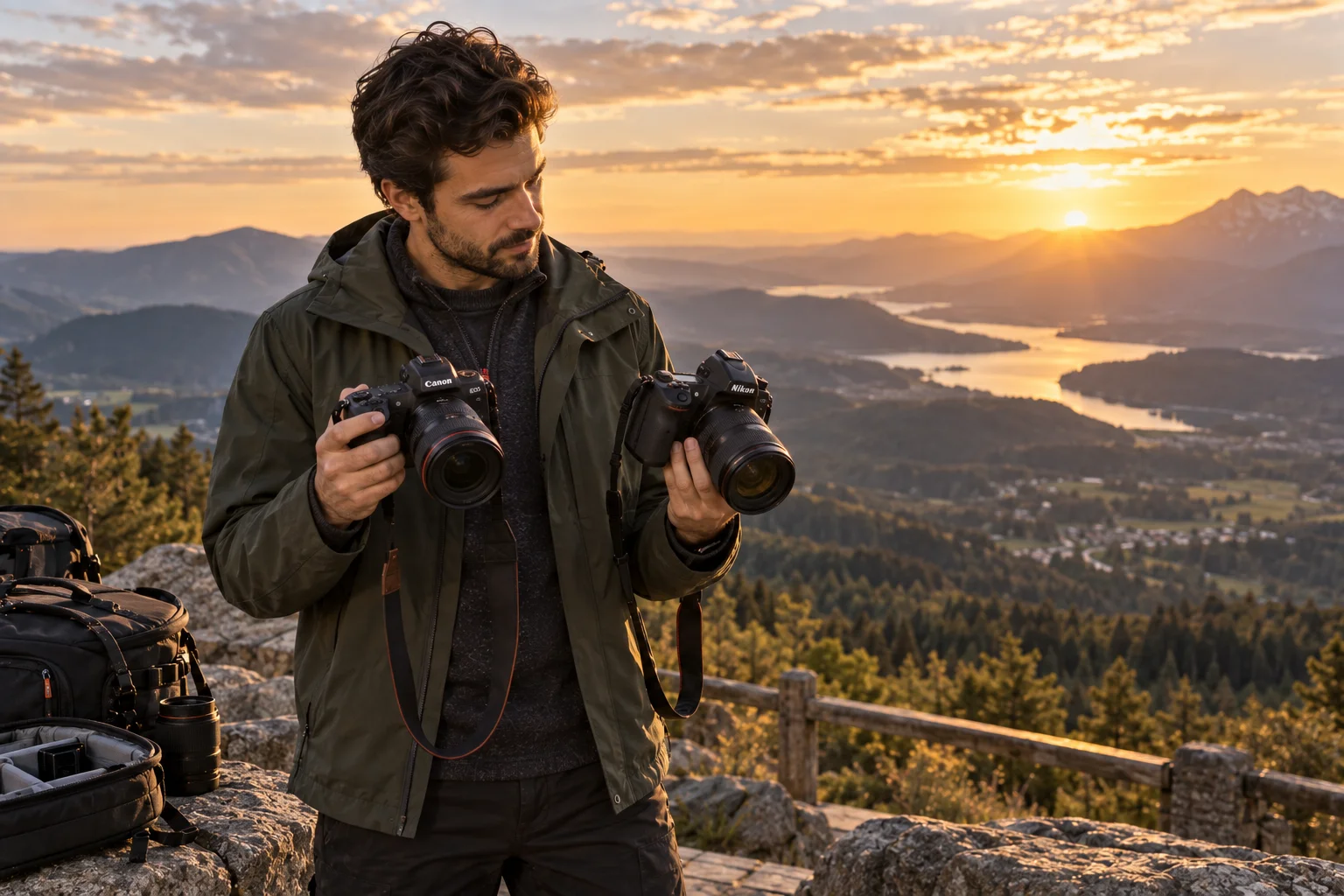
If you’re choosing between a mirrorless camera and a DSLR in 2026, the biggest differences are no longer simply about image quality.
Both can produce excellent photographs. A good DSLR from several years ago can still make beautiful images today, and a modern mirrorless camera doesn't automatically produce better photos just because it is newer. The real differences are in how you see, focus, shoot, carry and control the camera.
A DSLR uses a mirror and optical viewfinder to show you the scene through the lens. A mirrorless camera removes that mirror system and uses an electronic viewfinder or screen instead. That simpler internal design allows modern mirrorless cameras to offer features such as real-time exposure previews, sophisticated subject detection, fast continuous shooting and increasingly advanced video capabilities.
So, should you still buy a DSLR in 2026? It depends largely on your existing lenses, shooting style and what you expect from the camera.
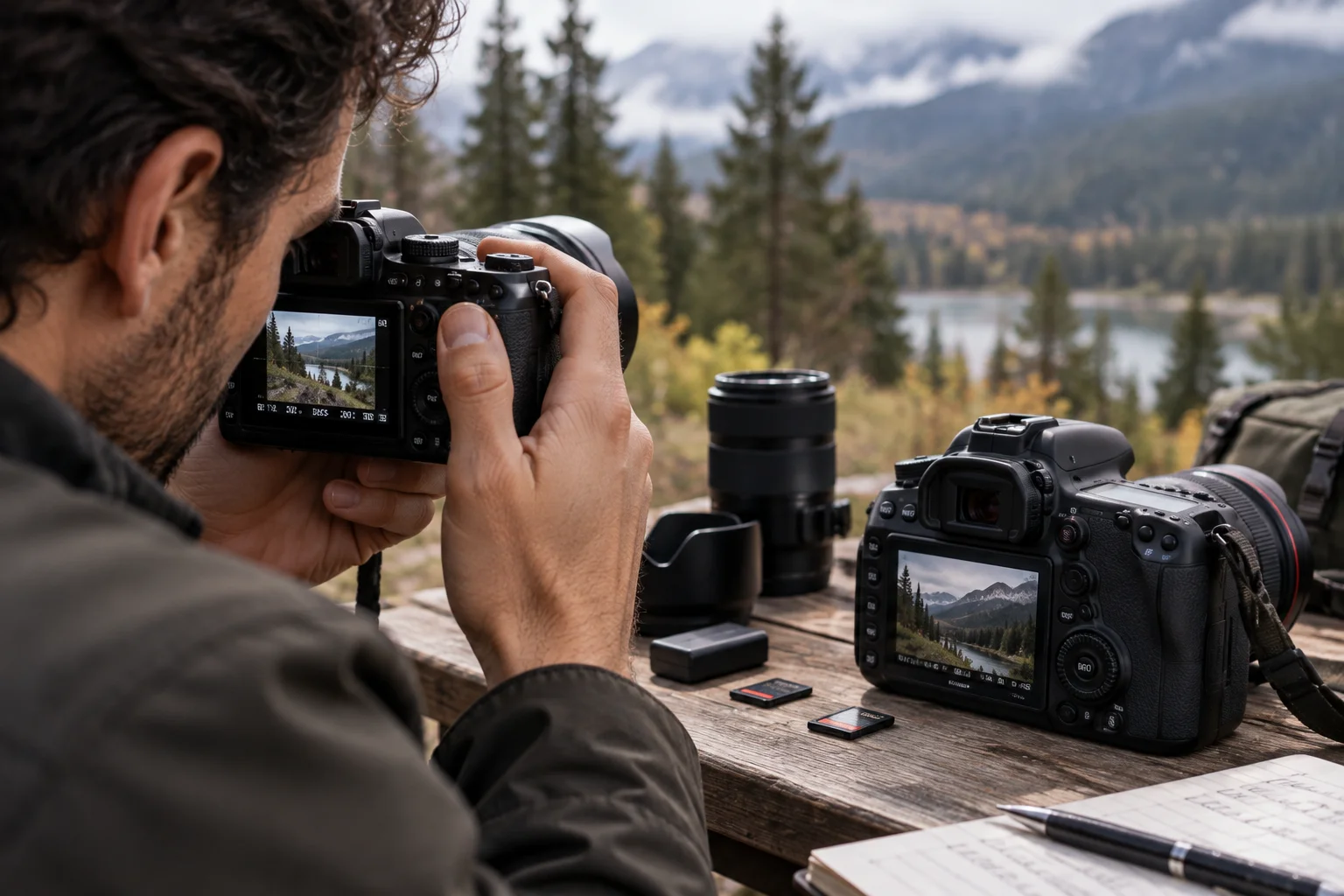
Difference | Mirrorless | DSLR |
|---|---|---|
Viewfinder | Electronic (EVF) | Optical (OVF) |
Size | Generally smaller | Generally larger |
Autofocus | Excellent subject detection on modern models | Excellent on many models, but older systems are more limited |
Battery life | Usually shorter | Usually longer |
Video | Generally stronger | Capable, but older designs have limitations |
Silent shooting | Widely available | More limited |
Lens ecosystem | Rapidly expanding | Huge mature used/new lens market |
Existing DSLR lenses | May require an adapter | Native compatibility |
Exposure preview | Yes | No through optical viewfinder |
Best reason to choose | Modern AF, video, portability, live preview | Optical viewfinder, battery life, existing lens collection |
The biggest difference is the viewfinder
The most fundamental difference between mirrorless and DSLR cameras is what happens between the lens and your eye.
A DSLR uses a mirror to direct light toward an optical viewfinder. When you look through it, you're seeing the actual scene optically.
A mirrorless camera sends the sensor's image to an electronic viewfinder instead. You're effectively looking at a live digital representation of what the sensor is seeing.
That sounds like a technical distinction until you actually use both.
With a modern mirrorless camera, you can often see the effect of changing exposure, white balance and other settings before taking the photograph. If you deliberately underexpose the shot, the EVF can show you that change immediately.
That can be extremely useful for beginners and experienced photographers alike.
EVF vs optical viewfinder
Shooting experience | Mirrorless EVF | DSLR OVF |
|---|---|---|
See exposure changes before shooting | Yes | No |
Natural optical view | No | Yes |
Low-light preview | Can brighten the displayed scene | Scene becomes visually darker |
Display shooting information | Extensive | More limited |
Uses battery | Yes | Much less |
Electronic preview of image | Yes | No |
Canon and Nikon both highlight the ability of modern mirrorless EVFs to provide a live representation of exposure and other camera settings.
For photographers who love the direct, natural experience of an optical viewfinder, though, a DSLR still has something genuinely appealing.
Autofocus is where mirrorless has changed the game
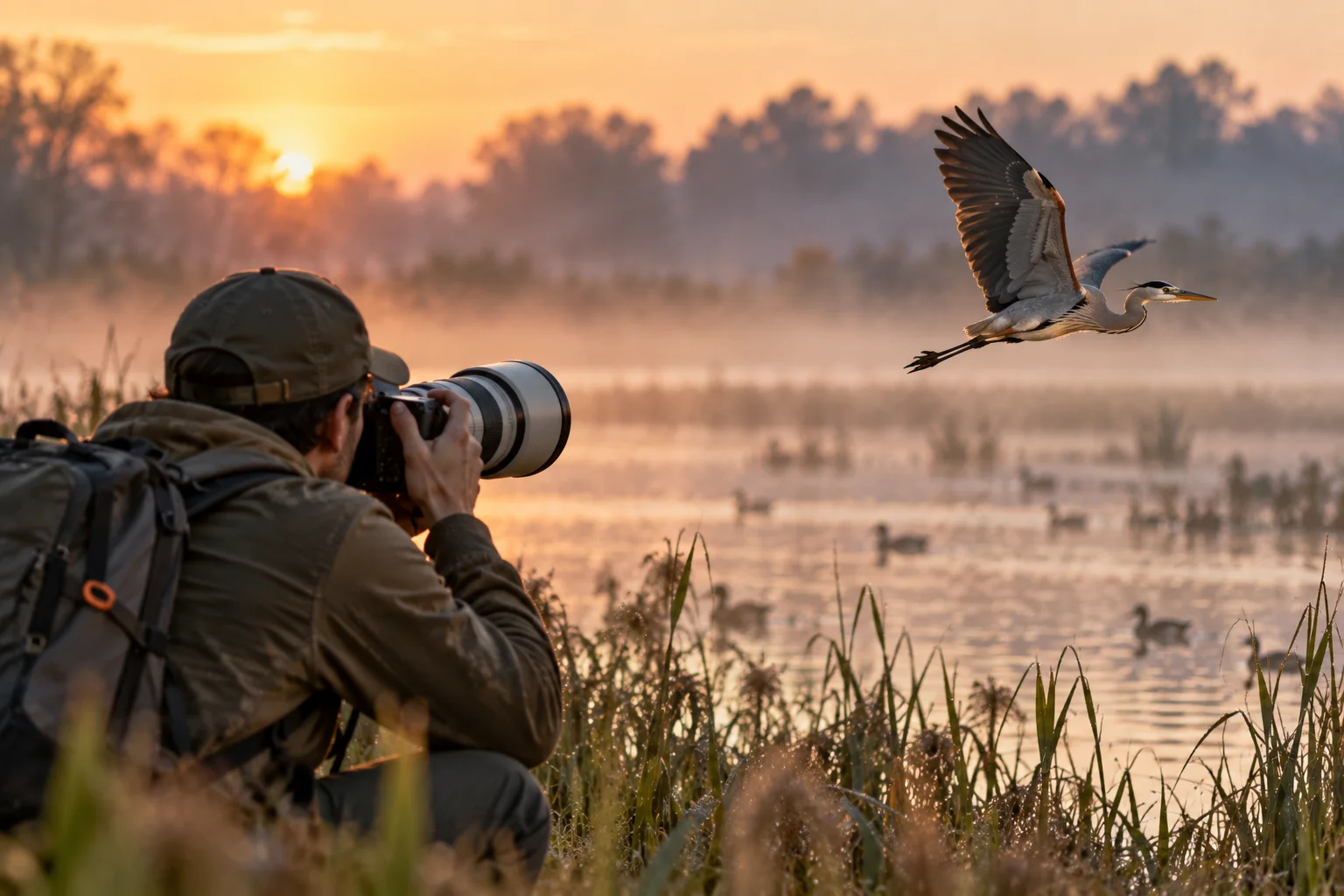
If you're photographing people, wildlife, sports, children or anything that refuses to stay still, autofocus is one of the differences that matters most.
Modern mirrorless cameras can use sophisticated subject-detection systems to identify and track people, eyes, animals and vehicles. Instead of simply asking the camera to focus on a particular point, you can often tell it what type of subject you're photographing and let the camera track it across the frame.
That's a major evolution from the autofocus experience of many older DSLRs.
DSLR autofocus can still be extremely capable. Professional DSLRs were used for years in sports, wildlife, weddings and news photography. But modern mirrorless systems have pushed subject recognition and continuous tracking much further.
For fast-moving subjects, the difference can be less about maximum image quality and more about how consistently the camera finds the right subject and stays on it.
Does mirrorless actually produce better photos?
Not automatically.
This is one of the biggest misconceptions surrounding the comparison.
Image quality depends on the sensor, lens, exposure, processing, lighting and photographer. A high-quality DSLR and a high-quality mirrorless camera with similar sensor technology can produce remarkably similar results.
The advantage of newer mirrorless systems is often everything surrounding the sensor.
You may get:
Better subject detection
More sophisticated autofocus
Real-time exposure previews
Faster burst shooting
Improved video features
Electronic shutter options
More advanced stabilization
Newer lens designs
So don't buy a mirrorless camera simply because you expect dramatically better still photographs.
Buy one because its shooting system makes it easier to get the photographs you want.
Size and weight matter, but don't assume the whole kit is tiny
Mirrorless cameras generally have a smaller body because they don't need the DSLR's mirror box and optical viewfinder mechanism.
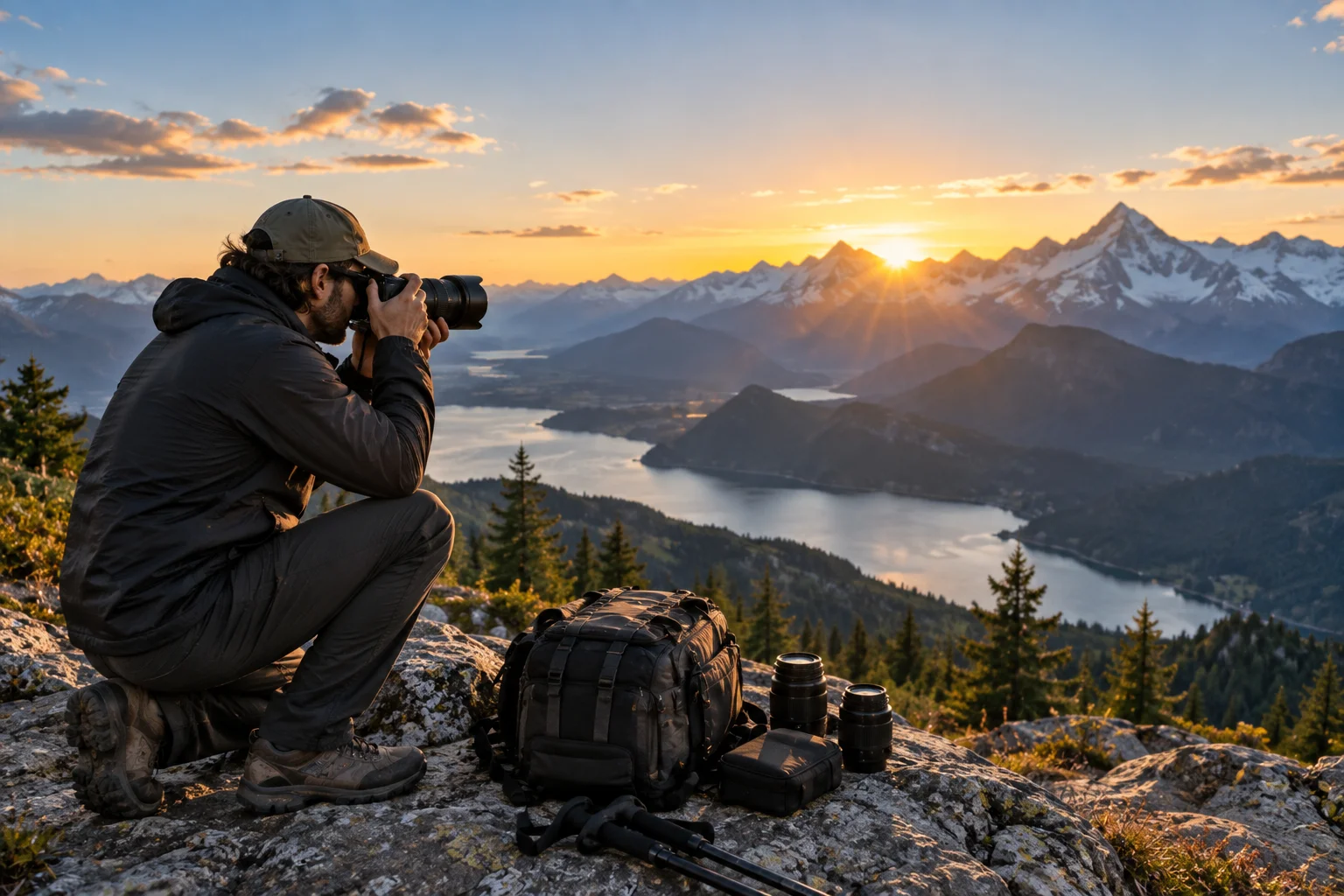
That's particularly attractive for travel and street photography.
But there's a catch.
The lens still has to obey physics.
A full-frame mirrorless camera with a large 70-200mm f/2.8 lens isn't suddenly going to become a pocket camera. Professional lenses can still be large and heavy regardless of whether they're designed for DSLR or mirrorless systems.
The biggest portability advantage usually appears when you pair a smaller mirrorless body with appropriately sized lenses.
What about battery life?
This is one area where DSLRs still have a practical advantage.
An optical DSLR viewfinder doesn't require the camera to continuously power an electronic display. Mirrorless cameras rely on their sensor and electronic displays when composing through the EVF or rear screen, which consumes more battery. Nikon still identifies battery life as one area where DSLRs can have an advantage.
For most mirrorless users, the solution isn't particularly complicated:
Carry a spare battery.
Battery technology and mirrorless power management have improved significantly, so the difference isn't necessarily a deal-breaker. But if you're spending days away from charging facilities, battery endurance can still influence your decision.
Video is one of the clearest reasons to choose mirrorless
If photography and video are equally important to you, mirrorless generally makes more sense in 2026.
Modern mirrorless cameras are designed around a continuously active sensor and electronic monitoring system, which makes advanced video features easier to integrate. Current mirrorless systems can offer high-resolution recording, sophisticated autofocus tracking, log recording and other tools aimed at serious video production.
DSLRs can absolutely shoot good video. Cameras such as the Canon EOS 5D series and Nikon D850 demonstrated that years ago.
But the newest generation of mirrorless cameras has moved much further.
If you're buying a camera for YouTube, travel filmmaking, interviews, social content or hybrid photo-video work, mirrorless deserves particularly close attention.
Do DSLR lenses still make sense in 2026?
Absolutely.
This is where the decision becomes more complicated for existing photographers.
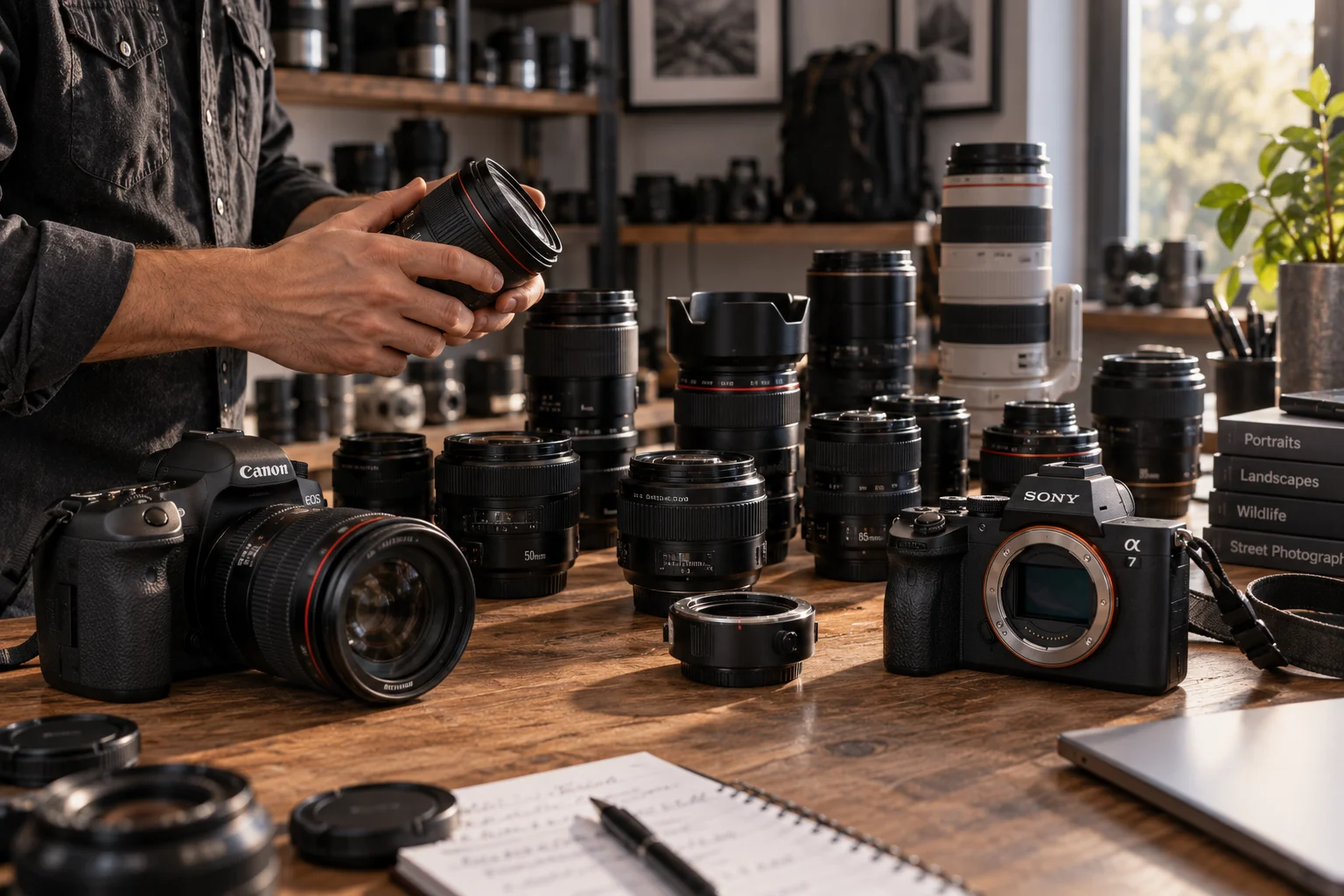
DSLR lens collections are enormous because manufacturers spent decades building them. If you've already invested heavily in Canon EF, Nikon F or another DSLR system, moving to mirrorless doesn't necessarily mean throwing everything away.
Adapters can allow many DSLR lenses to work on newer mirrorless bodies. Nikon, for example, offers its FTZ II adapter for using many F-mount lenses on Z-series mirrorless cameras.
At the same time, manufacturers are putting substantial development effort into their newer mirrorless lens mounts.
Canon points to the shorter distance between the lens mount and sensor in its RF system as one reason engineers can develop newer optical designs, while Nikon similarly highlights the design flexibility created by its Z mount.
So if you're starting from scratch, the lens ecosystem you're buying into matters more than simply counting how many lenses exist.
Which is better for travel photography?
For most photographers building a new travel kit, a compact mirrorless system is an attractive option.
The combination of a smaller body, electronic viewfinder, strong autofocus and modern video features makes it particularly versatile when you're carrying the camera for hours.
But an older DSLR with a compact lens can still be an excellent travel camera.
The more useful question is:
Will you actually carry the camera with you?
A theoretically superior camera that stays in your hotel room isn't much use.
Which is better for wildlife and sports?
Modern mirrorless cameras have become particularly compelling for wildlife and sports because of their autofocus tracking, high-speed shooting and electronic shooting options.
Subject detection can identify and track animals or people while you concentrate more on composition. Some mirrorless bodies can also shoot with very little viewfinder blackout, making it easier to follow fast subjects.
That doesn't mean every mirrorless camera is better than every DSLR.
A professional DSLR with a great telephoto lens remains an extremely capable wildlife setup.
But if you're buying a new system specifically for fast-moving subjects in 2026, modern mirrorless technology offers advantages that are difficult to ignore.
Should you still buy a DSLR in 2026?
Yes, but the reason matters.
A DSLR can still make sense if:
You already own several compatible DSLR lenses.
You prefer an optical viewfinder.
Long battery life is important.
You find a high-quality used DSLR at an attractive price.
You primarily shoot still photographs.
You simply prefer the way a DSLR feels and operates.
You don't need to abandon a perfectly good DSLR because camera technology has moved forward.
A camera doesn't become incapable of taking good photographs just because newer models exist.
When does it make sense to switch to mirrorless?
Switching becomes more compelling when your current DSLR is limiting the way you shoot.
For example, upgrading may make sense if you want:
Better subject tracking for wildlife, sports or events.
A real-time exposure preview through the viewfinder.
More advanced video capabilities.
A smaller body and travel-friendly system.
Modern electronic shooting options.
Newer lenses designed specifically for mirrorless mounts.
For an existing DSLR owner, the decision should therefore start with your actual frustrations rather than the latest camera release.
Mirrorless vs DSLR: what actually matters in 2026?
The old argument that mirrorless is simply "better" than DSLR misses the point.

The more useful comparison looks like this:
If you care most about... | Think about... |
|---|---|
Optical shooting experience | DSLR |
Modern autofocus | Mirrorless |
Wildlife and sports tracking | Mirrorless |
Battery endurance | DSLR |
Video | Mirrorless |
Compact travel setup | Mirrorless |
Existing DSLR lenses | DSLR or adapted mirrorless |
Real-time exposure preview | Mirrorless |
Used-camera value | Either |
Familiar traditional controls | DSLR |
The bottom line
Mirrorless is the direction camera technology has largely moved, but DSLR is far from useless.
If you're buying your first interchangeable-lens camera in 2026, mirrorless gives you access to the newest autofocus, viewfinder, video and lens technologies.
If you already own a good DSLR and it does everything you need, there is no technical deadline forcing you to switch.
The smartest choice isn't the camera with the newer marketing story. It's the system that fits the way you actually photograph.
And if you're moving to mirrorless, spend as much time researching the lens system as the camera body. The body may be what gets you excited, but the lenses will shape your photography for years.