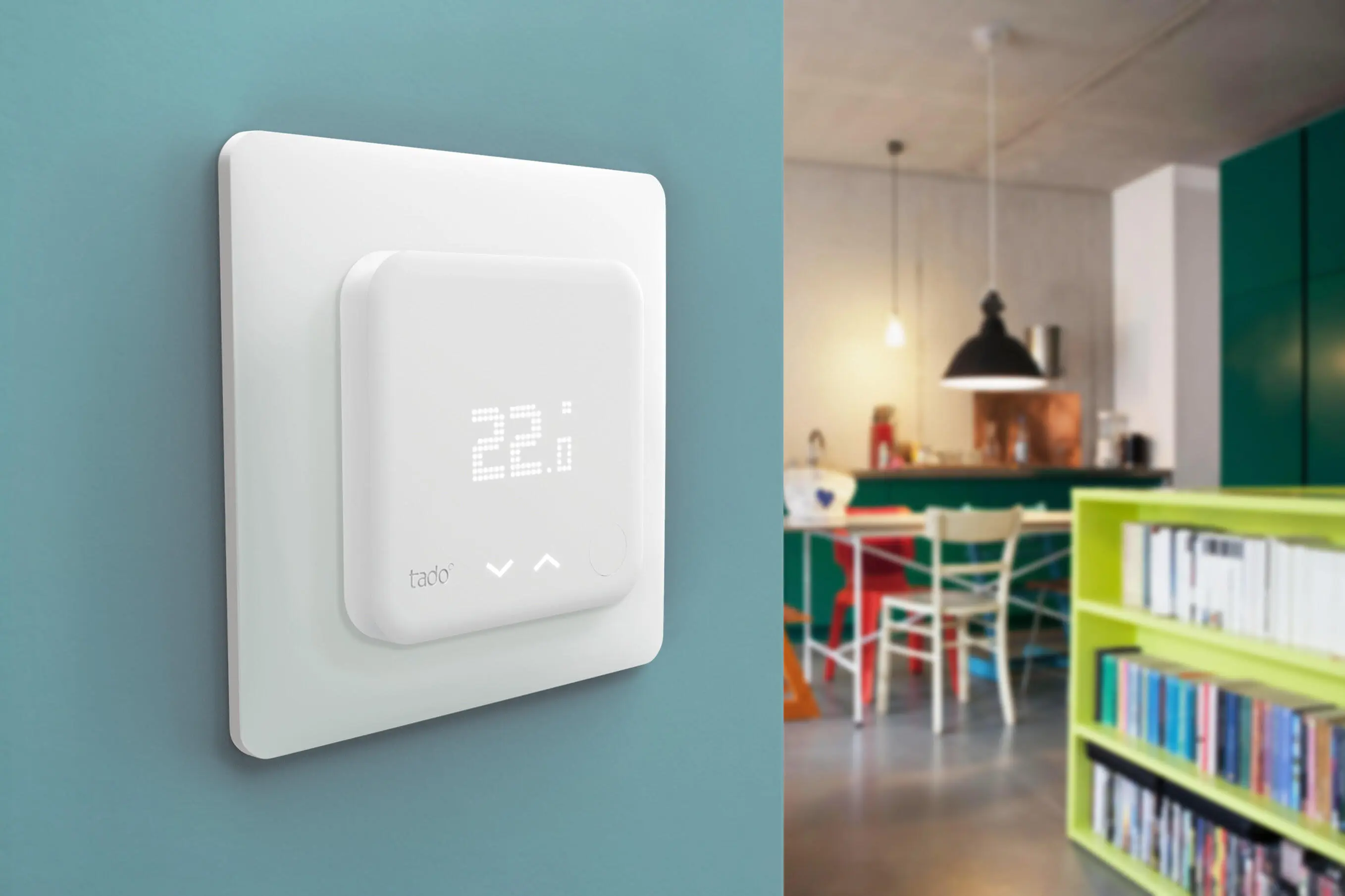
Smart heating doesn't necessarily mean keeping your home warmer. Often, it means heating the right rooms at the right times and avoiding unnecessary energy use when nobody's there. Leroy merlin is a useful starting point for homeowners in Spain who want to explore thermostats, programmable heating controls and smart home accessories without getting lost in technical jargon.
A smart thermostat lets you manage heating schedules more precisely than a traditional manual control. Depending on the model and your heating system, you may also be able to adjust temperatures remotely, create routines or use room sensors to improve comfort. Programmable thermostats offer another practical option, particularly if your daily routine follows a fairly regular pattern.
The right choice depends on how your home is heated. A gas boiler, electric radiator, heat pump and central heating system may require different controls, so compatibility should come before app features or appearance.
This guide explains how thermostats work, which features are worth paying for, and how to compare products available through Leroy Merlin España. You'll also learn how to set a sensible heating schedule, avoid common installation mistakes and judge whether an upgrade could make a meaningful difference to your energy bills.
The aim isn't to buy the most advanced device. It's to find a control system that fits your home and makes everyday heating easier to manage.
What types of thermostats can you buy for home heating?
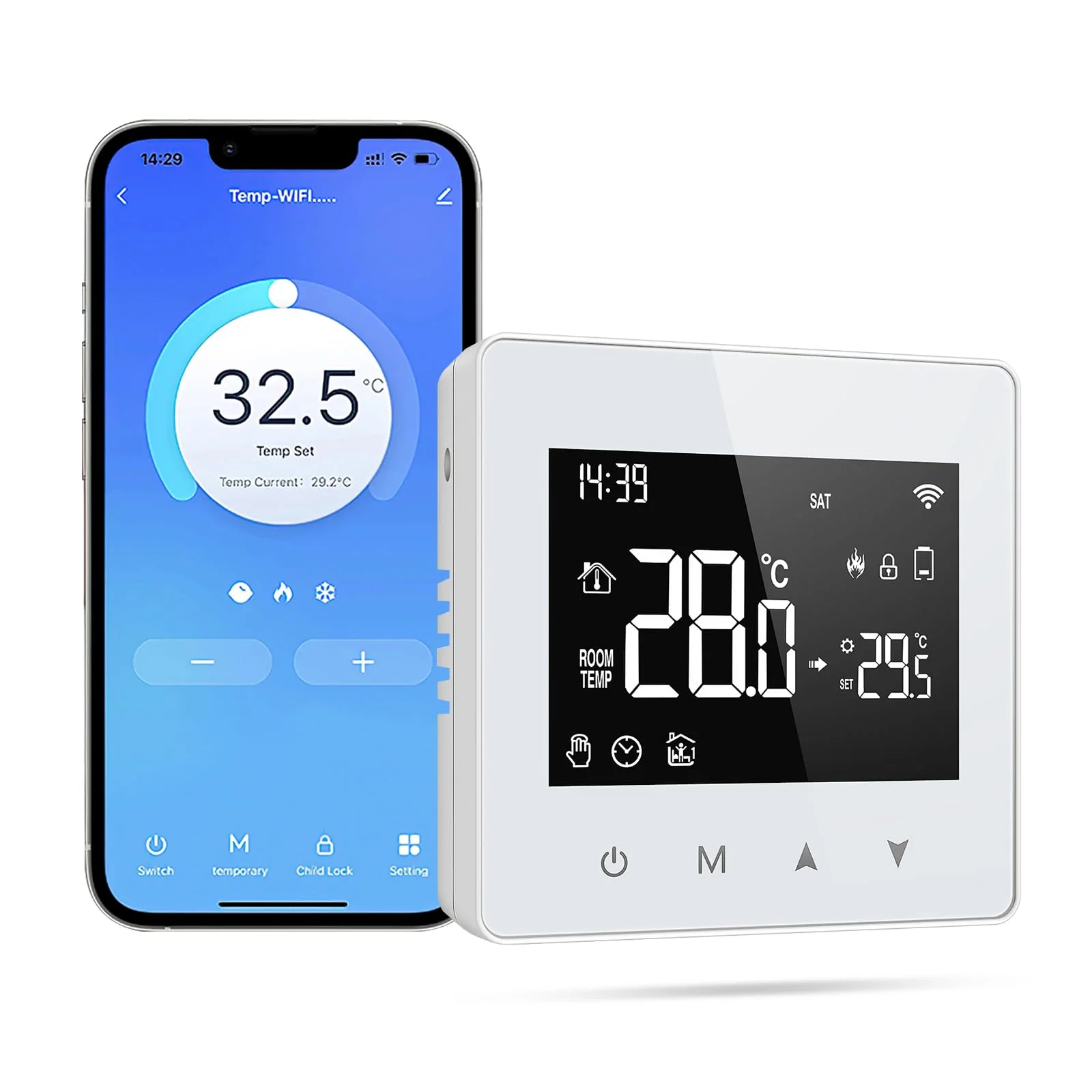
The best thermostat depends on your heating system and how much control you want over your schedule. A basic programmable model suits predictable routines, a Wi-Fi thermostat adds remote control, and smart radiator valves can help manage temperatures room by room when compatible with your heating setup.
Leroy Merlin España has a dedicated selection of Wi-Fi thermostats and heating controls, including wired and wireless options, smart radiator valve kits and products for different heating applications.
Type of control | Best suited to | What to check |
|---|---|---|
Manual thermostat | Homes where someone adjusts heating as needed | Temperature accuracy and compatibility |
Programmable thermostat | Households with regular daily schedules | Weekly schedules, ease of use and supported heating system |
Wi-Fi smart thermostat | People who want remote adjustments and flexible routines | App requirements, connectivity and boiler or system compatibility |
Smart radiator valves | Homes needing different temperatures in individual rooms | Valve compatibility, hub requirements and system support |
A simple programmable model may be all you need if your household leaves at similar times each weekday. Smart controls become more useful when your plans change frequently, you return home at different times or you want to adjust heating while away.
Does a smart thermostat work with every boiler?
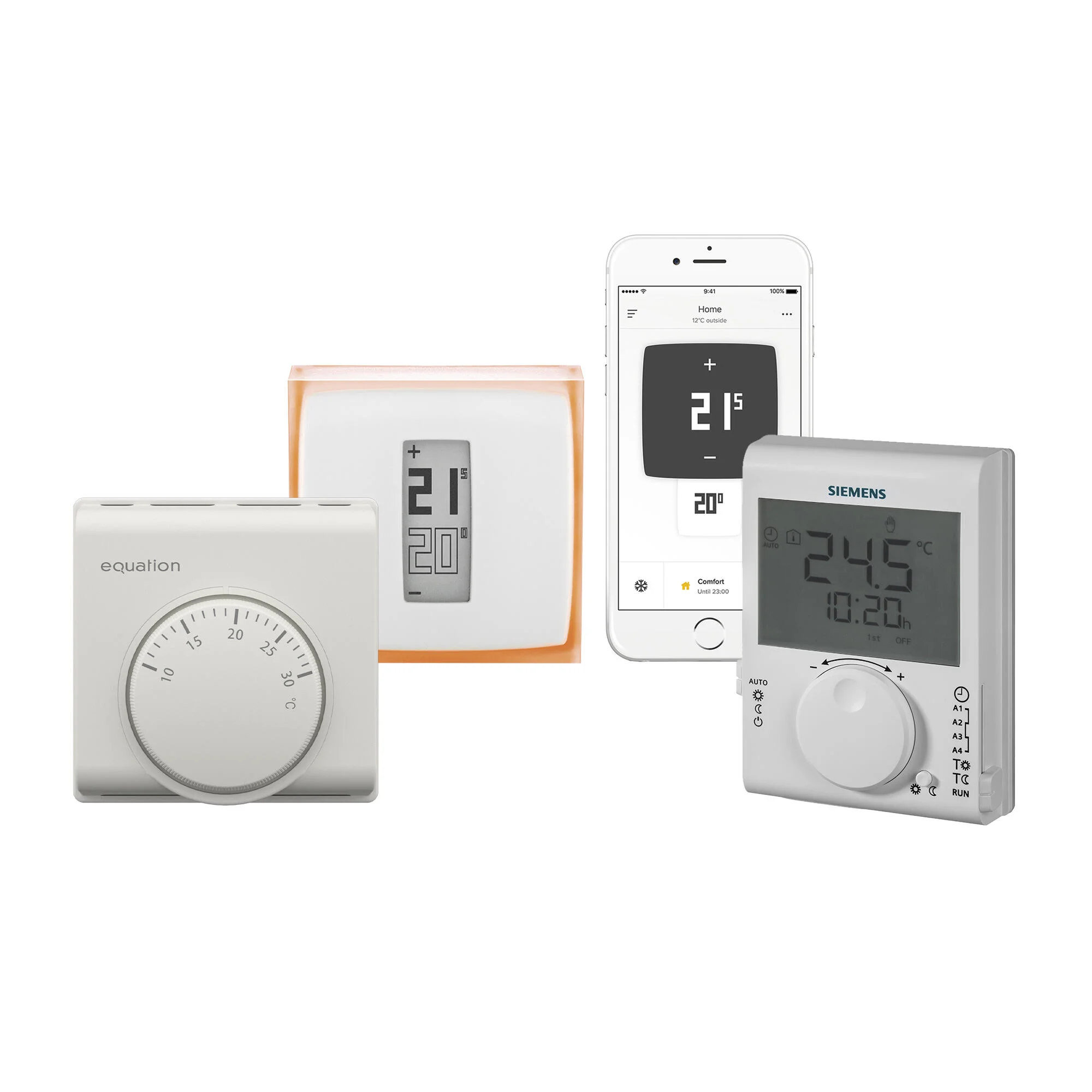
No. Compatibility depends on the heating equipment, its control terminals and the thermostat's supported switching method. Some models work with particular boilers or heat pumps, while others are designed for electric underfloor heating or specific electric heating circuits.
Before buying, check the heating system's make and model, the existing thermostat wiring and the manufacturer's compatibility list. If you're unsure about electrical connections or boiler controls, ask a qualified installer to confirm the requirements.
Which smart thermostat features are actually worth paying for?
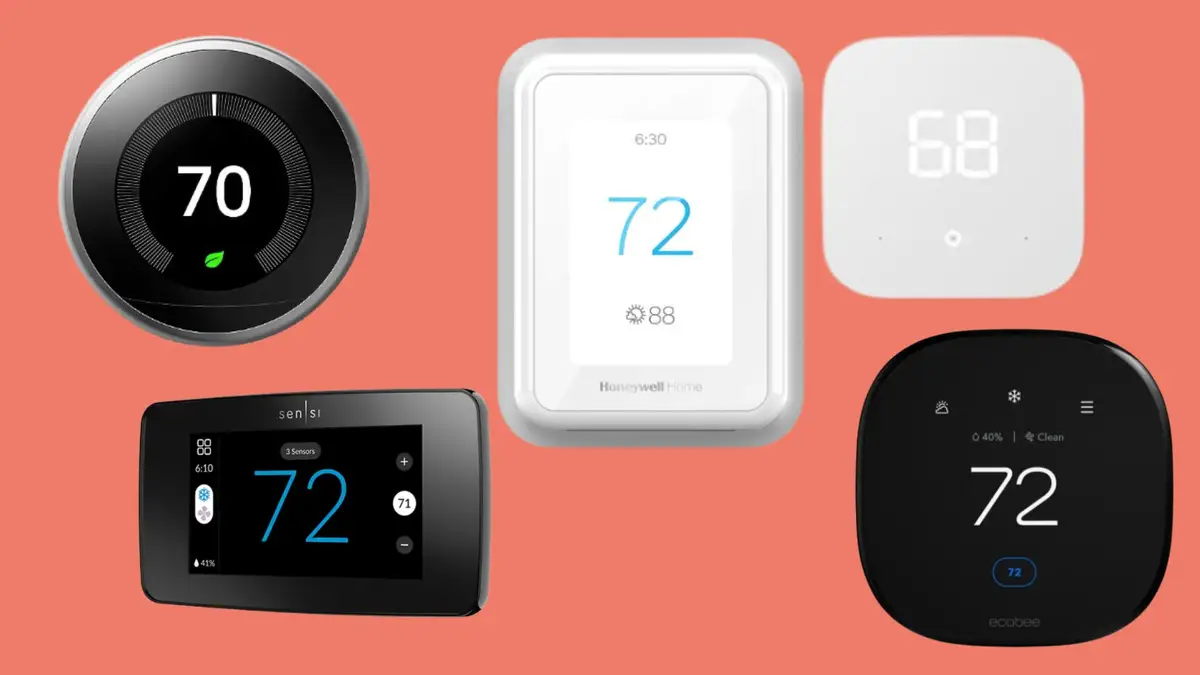
Prioritise reliable scheduling, accurate temperature sensing and straightforward controls before paying extra for advanced automation. Remote access, room-by-room management and smart home integration are useful when they solve a real problem in your household.
For example, app control can be handy if you unexpectedly work late and want to delay the next heating period. A weekly schedule may be more useful for someone who leaves home at the same time every morning.
Look for these features when comparing thermostats:
Flexible schedules: Set different temperatures for weekdays, weekends and overnight periods.
Remote access: Adjust heating from a phone when you're away from home.
Temperature sensors: Check where the device measures temperature and whether external sensors are supported.
Open-window detection: Some models can pause heating when they detect a sudden temperature drop.
Room-by-room control: Compatible smart radiator valves may help avoid heating unused rooms unnecessarily.
Smart home integration: Confirm support for your existing platform instead of assuming all devices work together.
A feature list can be impressive, but simplicity matters. If a thermostat is difficult to configure, you may end up leaving it on one setting and missing much of its potential benefit.
One other detail is worth checking: whether advanced functions require a paid subscription, an additional hub or separate sensors. Those costs belong in your comparison, too.
How should you set a thermostat to reduce energy use?

Start with a comfortable temperature, then create a heating schedule that follows your daily routine. Heating an occupied room when you need it and reducing unnecessary heating when you're away can help control energy consumption without making your home uncomfortable.
There isn't one ideal setting for every household. Insulation, outdoor temperatures, humidity, the type of heating system and individual comfort all influence the right temperature.
As a practical starting point, many households use around 19–21°C in occupied living areas during colder weather, with a lower setting when rooms are empty. Bedrooms may feel comfortable at cooler temperatures. Adjust these suggestions to your needs, especially if anyone at home is vulnerable to cold.
Build a schedule around your actual routine
Imagine you leave your home at 8:30 am and usually return around 6 pm. Instead of heating the living room at the same temperature throughout the day, you could programme a lower setting while you're out and schedule a comfortable temperature around the time you return.
Try this approach:
Record when you normally wake up, leave home and go to bed.
Set heating periods around the times you'll actually use each room.
Reduce the temperature during longer absences, rather than repeatedly switching settings at random.
Review your comfort and energy use after a week, then adjust the schedule.
If you have a heat pump or underfloor heating, avoid assuming that the same schedule will work as it does with a gas boiler and radiators. These systems can respond differently, and some operate more efficiently with smaller temperature changes. Follow the equipment manufacturer's recommendations.
Should you turn the heating off when you leave?
Not always. A modest temperature setback may be more suitable than switching everything off, particularly in cold weather or homes where damp and freezing pipes are concerns. For longer absences, use the system's appropriate away or frost-protection settings.
The aim is to avoid heating an empty home unnecessarily while maintaining safe conditions for the building and its occupants.
Can smart radiator valves make room-by-room heating more efficient?
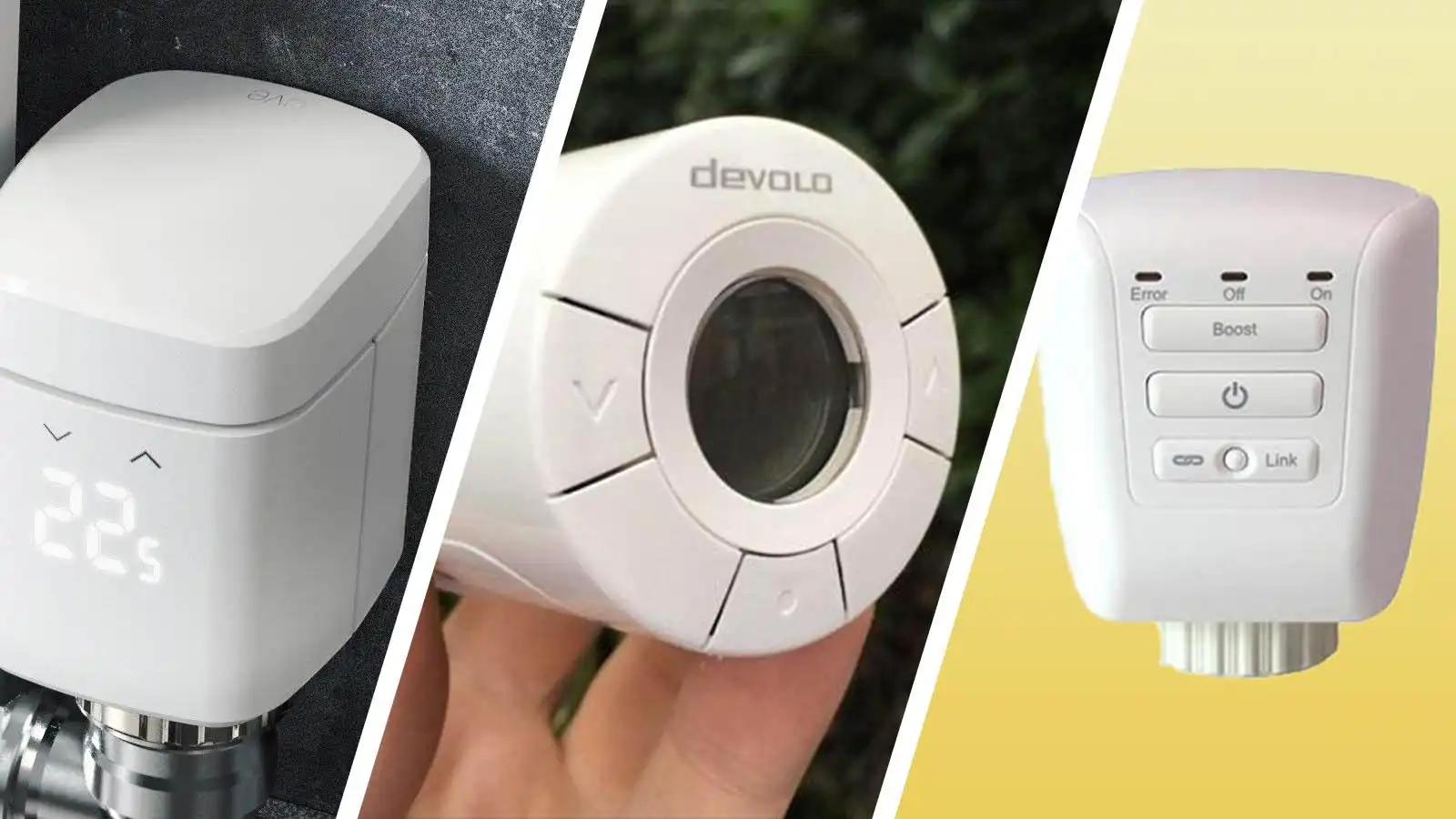
Smart radiator valves can provide more individual control over compatible radiator-based systems. They let you adjust the heat supplied to different rooms, which can be useful when bedrooms, living areas and home offices follow different schedules.
Consider a household where everyone spends the evening in the living room, but a spare bedroom is rarely used. Room-level controls may allow the main living area to remain comfortable while reducing heating in the spare room.
There are a few practical points to understand first. A smart valve generally regulates the radiator it is fitted to; it doesn't automatically give every room an independent heating system. Its behaviour depends on the wider boiler, thermostat and valve configuration.
Before purchasing a kit, check the radiator valve connection, the need for an internet hub, compatibility with your existing thermostat and whether the system can coordinate heating demand correctly.
You should also consider how the rooms are used. Turning down every room to the lowest possible setting isn't always sensible, particularly where pipes could freeze or where ventilation and moisture problems already exist.
For compatible setups, room-by-room controls can be a useful addition to a smart thermostat. For a small flat with a straightforward heating routine, a single well-positioned programmable thermostat may be sufficient.
How can you compare thermostat prices and calculate potential savings?
Compare the complete cost of installation and ownership rather than judging a thermostat by its purchase price alone. Include any hub, sensors, radiator valves, electrician or heating engineer fees, and subscription charges where applicable.
Leroy Merlin's online range includes products across different price levels and heating applications. The listing may also distinguish between items sold directly by Leroy Merlin and products supplied by other sellers, so check the seller, delivery details and returns conditions before ordering.
A useful comparison looks like this:
Cost or benefit | What to consider |
|---|---|
Initial purchase | Thermostat, receiver, hub and additional sensors |
Installation | Wiring, mounting and professional configuration |
Running costs | Batteries, subscriptions or replacement components |
Potential energy reduction | How much unnecessary heating your new schedule could avoid |
Everyday convenience | Remote control, automatic schedules and easier adjustments |
It's difficult to promise a specific percentage saving without knowing the home, heating system and previous usage. A smart thermostat can't compensate for every source of heat loss, and a household that already uses a good schedule may see a smaller improvement than one that heats rooms unnecessarily.
For a realistic comparison, review your energy bills or meter readings before and after the change. Where possible, compare similar periods and account for differences in outdoor temperature and how often the heating was used.
That gives you a more useful picture than relying on a manufacturer's headline savings estimate.
What should you check before buying from Leroy Merlin?
Confirm the product's compatibility, included components and installation requirements before placing your order. A short checklist can prevent the common problem of purchasing a thermostat that offers the right features but doesn't suit the heating equipment already installed.
Use the following steps:
Identify your boiler, heat pump, electric heating system or underfloor heating model.
Check whether the thermostat requires wired connections, a separate receiver or a hub.
Confirm Wi-Fi requirements and compatibility with your smartphone or smart home platform.
Review the product dimensions, installation guide, warranty and return conditions.
Check current prices, seller details, stock and delivery availability.
Arrange professional installation when the work involves electrical circuits, boiler wiring or unfamiliar connections.
The Leroy Merlin España thermostat selection is a practical place to begin comparing programmable controls, Wi-Fi models and compatible radiator valve kits. Read each product's specification rather than relying on the category name alone.
FAQs about Leroy Merlin thermostats and heating controls
Do smart thermostats really reduce energy bills?
They can help by reducing unnecessary heating and making schedules easier to manage. Actual savings depend on the previous heating routine, insulation, weather, energy prices and the heating system.
What temperature should I set my thermostat to in Spain?
Around 19–21°C can be a useful starting point for occupied living areas in winter, but the right setting varies. Adjust it for comfort, health needs, insulation and local conditions.
Can I install a smart thermostat myself?
Some models are designed for straightforward installation, but others require wiring or boiler-control work. Follow the manufacturer's instructions and use a qualified professional when electrical or heating-system connections are involved.
Are Wi-Fi thermostats better than programmable thermostats?
Not for everyone. Wi-Fi models offer remote adjustments and may provide additional automation, while programmable thermostats can be simpler and less expensive. Choose according to your routine and budget.
Do smart thermostats work with electric radiators?
Some are designed for specific electric heating systems, but compatibility isn't universal. Check the voltage, electrical load, switching method and manufacturer's instructions before connecting a thermostat to electric heating.
Do I need smart radiator valves as well as a thermostat?
No. A central thermostat may be enough for a home with a simple heating layout. Smart radiator valves are worth considering when you want more individual control over compatible rooms.
Final thoughts: choosing Leroy Merlin thermostats for a more efficient home
Reducing heating costs starts with understanding where and when energy is being used. A programmable thermostat may be enough to improve a predictable routine, while a Wi-Fi model or smart radiator valves can provide greater flexibility for households with changing schedules or different room temperatures.
When comparing Leroy merlin thermostats, focus first on compatibility and everyday usefulness. Then weigh the purchase price, installation costs and potential reduction in unnecessary heating. A well-chosen control system, paired with sensible temperature settings and good insulation, can make your home more comfortable to manage throughout the colder months.
If you're ready to explore your options, visit the official Leroy Merlin España thermostat section to compare available models and find a solution that fits your heating system.