A successful home renovation doesn't always start with a big budget. Sometimes, it begins with a freshly painted bedroom, a new floor in the hallway or a set of shelves that finally makes a cluttered room usable. The challenge is knowing where to spend, what to buy and which jobs are realistic to tackle yourself.
For homeowners and renters in Spain, Brico Depot DIY Renovation planning can start with a practical review of materials, tools and accessories available from Brico Depôt España. The retailer offers home improvement products for projects ranging from painting and flooring to bathroom updates, kitchen improvements and general repairs.
The smartest approach is to decide what needs changing before filling your shopping basket. Measure the space, list the materials, identify the tools you already own and set aside money for unexpected costs. A low-priced material isn't necessarily the cheapest overall choice if it creates extra work, requires specialist equipment or needs replacing sooner than expected.
This guide explains how to build a realistic renovation budget, choose the right supplies, decide when to hire a professional and avoid common DIY spending mistakes. It also shows how to use Brico Depôt's catalogue to compare products and plan your purchases without relying on seasonal discounts alone.
How do you set a realistic DIY renovation budget?

A realistic DIY renovation budget includes materials, tools, consumables, delivery, waste disposal and a contingency for unexpected work. Before shopping at Brico Depôt, decide which jobs matter most, estimate quantities and set a spending limit for each part of the project.
Here's a useful starting point for dividing your budget:
Budget category | Suggested share | What it covers |
|---|---|---|
Main materials | 45% | Paint, flooring, tiles, timber, panels or other core supplies |
Tools and equipment | 15% | Measuring tools, drills, rollers, saws and other essentials |
Accessories and consumables | 10% | Screws, sealant, brushes, sandpaper, adhesive and protective sheets |
Delivery and waste | 5% | Transport, collection and disposal costs |
Contingency | 25% | Unexpected repairs, extra materials and changes to the plan |
These percentages are an illustrative planning framework, not a fixed rule. A project involving expensive tools or substantial repairs may need a different allocation.
The contingency is worth protecting. Once you remove old flooring or cabinets, you might discover uneven surfaces, damaged plaster or fittings that need replacing. Having money set aside helps you deal with these issues without abandoning the original plan.
Start with the jobs that make the biggest difference
Write down everything you'd like to improve, then separate essential repairs from cosmetic upgrades. Fixing a leaking tap or damaged wall should usually take priority over buying decorative accessories.
For example, a bedroom refresh might involve filling cracks, painting the walls, replacing handles and adding storage. Rather than purchasing everything at once, estimate each task separately and decide which improvements fit your budget.
Brico Depôt's official Spanish website is a useful starting point for checking product categories and comparing materials before making a shopping list.
Which renovation materials should you prioritise?
Choose materials according to the room, expected wear, moisture levels and maintenance requirements. Paint and simple storage can transform a space on a modest budget, while flooring, tiles and kitchen fittings need more careful measurement and preparation.
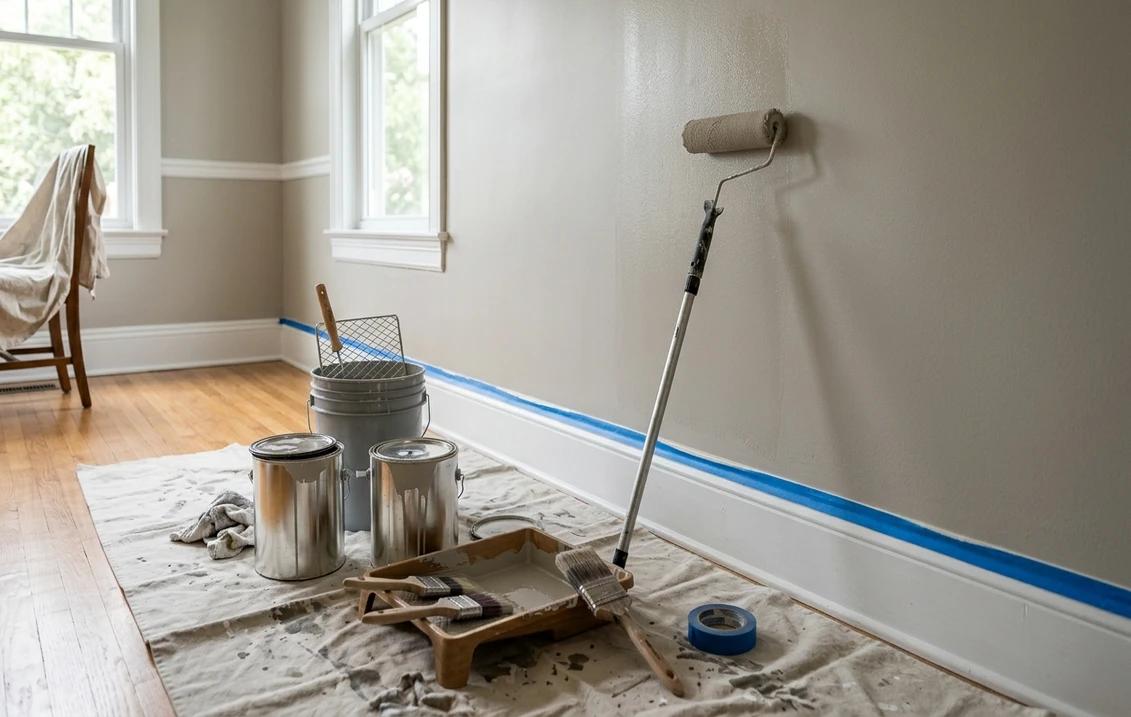
Paint and wall preparation
Paint is often a cost-effective way to refresh a room. Budget for primer where needed, filler, sandpaper, masking tape, rollers and brushes. Check the coverage per litre and the recommended number of coats before estimating quantities.
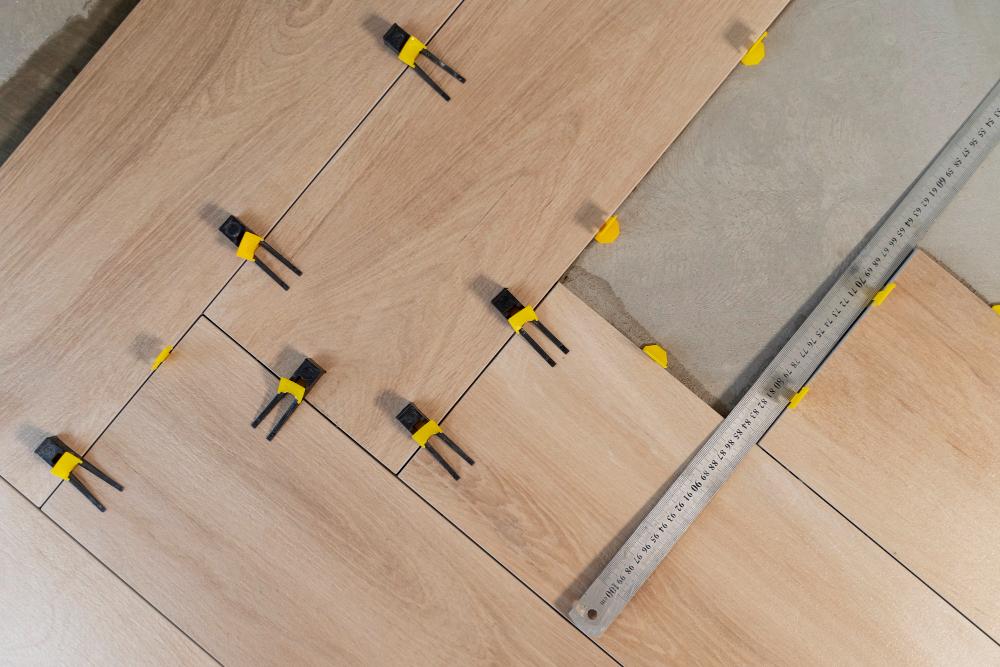
Flooring and underlay
Compare vinyl, laminate and tiles based on the room's conditions and installation requirements. Include underlay, skirting, transition strips or adhesive where necessary, not just the flooring price.
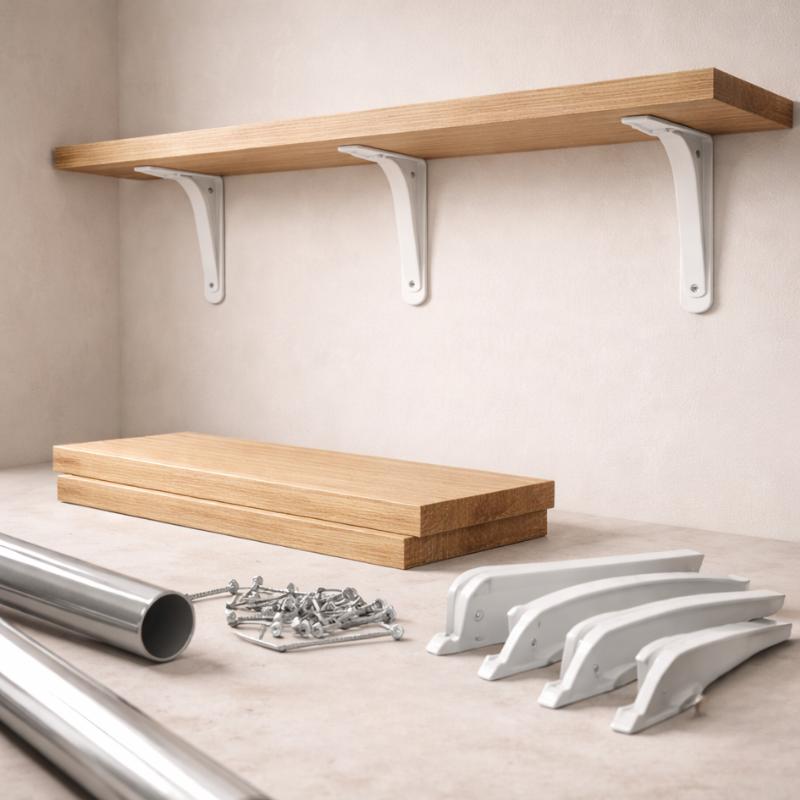
Timber, shelving and fixings
Measure the finished dimensions and choose fixings suitable for the wall or supporting structure. The correct screw, plug or bracket matters as much as the shelf itself.
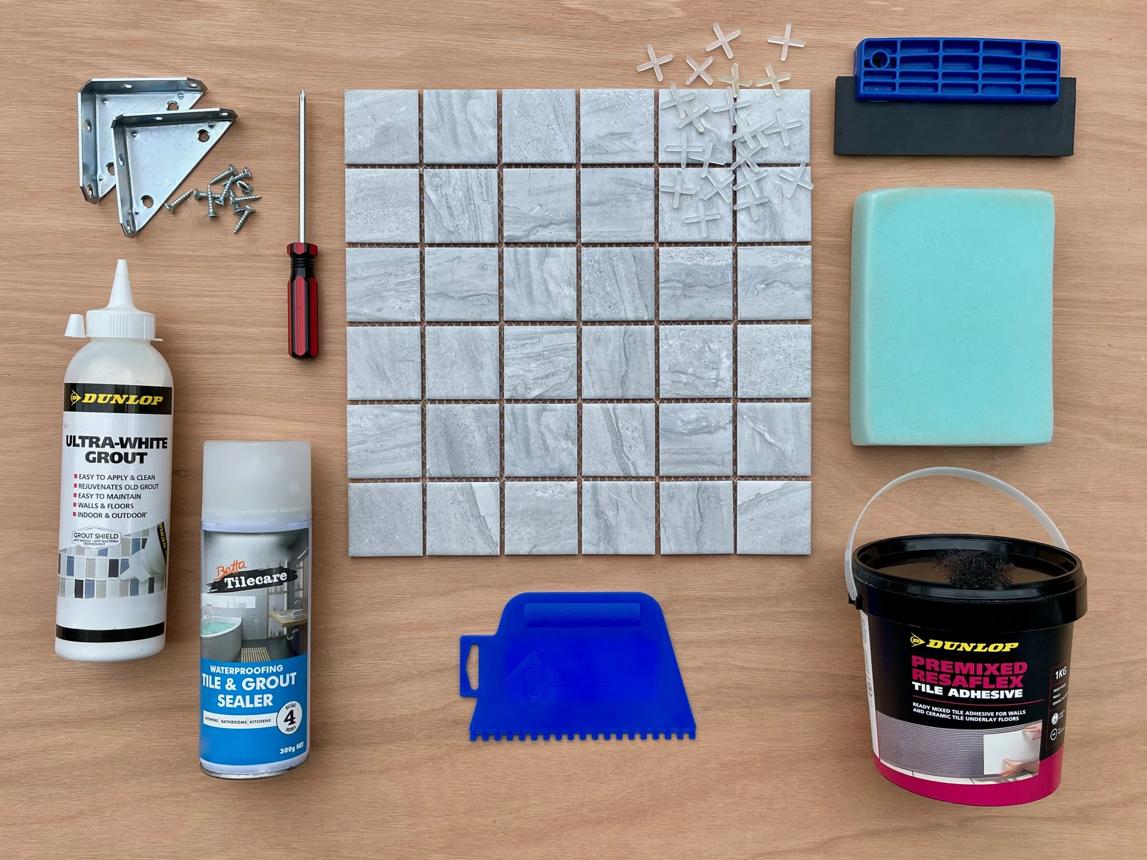
Tiles, sealants and bathroom supplies
Moisture-prone areas require compatible adhesives, grout and sealants. Follow the manufacturer's guidance on waterproofing and preparation rather than choosing products based on price alone.
How much extra material should you buy?
For straightforward flooring or tiling, a waste allowance of around 5–10% is a useful starting point. Complex layouts, diagonal patterns and lots of cuts may require more. For paint, use the manufacturer's coverage figures and account for the number of coats and the condition of the walls.
Keep receipts and check return conditions before buying surplus packs. Some materials, particularly cut-to-size products or opened containers, may have different return requirements.
One small detail that saves frustration: check that products belong to compatible systems. Primer, paint, adhesive, grout and sealant aren't always interchangeable, and using the wrong combination can create problems later.
Which DIY tools are worth buying, and which can you borrow?
Buy tools you'll use regularly, borrow or rent expensive equipment for one-off jobs, and choose tools that are safe and appropriate for the material you're working with. For many small renovations, a modest collection of reliable hand tools is more useful than a workshop full of equipment you rarely touch.
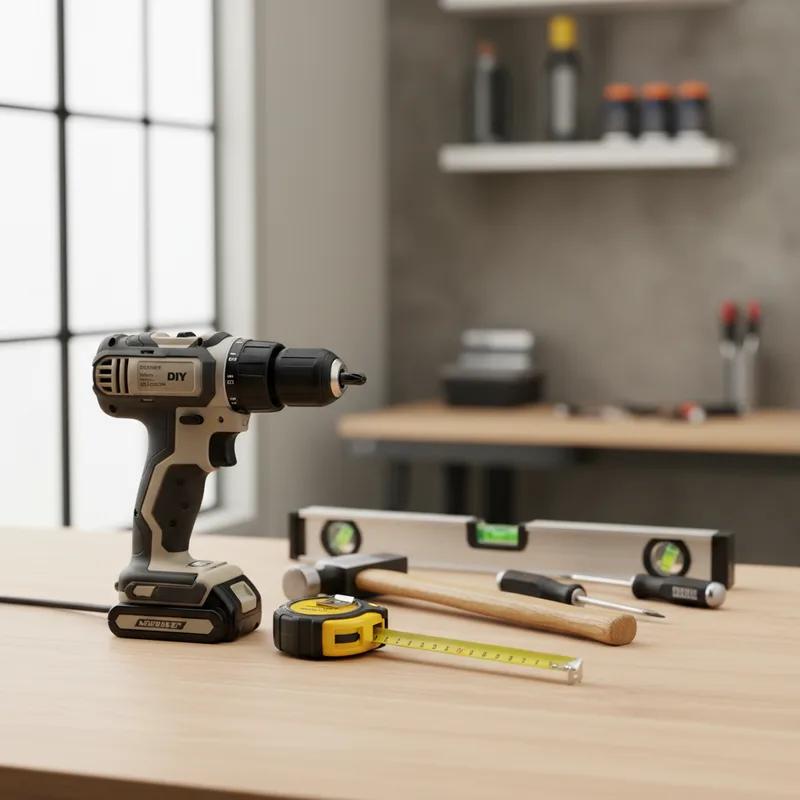
Essential tools for everyday projects
A practical starter kit might include:
Tape measure, pencil and spirit level for accurate layout.
Screwdriver set, hammer and pliers for general repairs.
Utility knife, scraper and filling tools for preparation.
Paint rollers, brushes and trays for decorating.
Cordless drill and compatible drill bits for assembly and suitable fixings.
Safety glasses, suitable gloves, dust protection and hearing protection when needed.
Buy tools based on the jobs you've planned. If you're installing a few shelves, you may not need to purchase a large saw or specialist cutting equipment. For a larger flooring project, renting a suitable cutter may be more economical than buying one you'll rarely use again.
When does a more expensive tool make sense?
Frequency, precision and safety should guide the decision. A tape measure or screwdriver set gets used across many projects, so investing in comfortable, durable versions can be worthwhile. A specialist tile cutter might make sense for a full bathroom renovation but not for replacing a handful of tiles.
Check whether accessories are included. A drill sold without a battery or charger, for example, may cost more to get ready for use than its headline price suggests.
Brico Depôt's online catalogue lets you explore DIY tools and hardware alongside renovation materials, making it easier to build a shopping list around a specific job.
How can you save money on a DIY renovation without cutting corners?

The most reliable savings come from planning, accurate measuring, reusing suitable materials and avoiding unnecessary purchases. Choosing a cheaper product isn't a real saving if it isn't suitable for the job or creates expensive rework.
Compare the total project cost
Imagine you're refreshing a 12 m² room with new flooring. The floor covering is only one part of the expense. You may also need underlay, skirting boards, transition profiles, a cutting tool and a way to remove the old surface.
A slightly more expensive flooring product that includes a compatible underlay may work out cheaper overall than a lower-priced product that requires several extra purchases. The same principle applies to paint kits, shelving systems and bathroom accessories.
Reuse what is still in good condition
Before replacing everything, inspect existing fixtures and fittings. Cabinet frames, shelves, door handles and some furniture can often be cleaned, repaired or refinished instead of discarded.
A simple kitchen refresh, for example, might involve repainting suitable cabinet fronts, replacing worn handles and improving lighting. You can put the money saved towards a better worktop or a repair that genuinely needs attention.
Plan purchases in the right order
Buy the materials required for the first stage of the project, then confirm what else is needed before moving on. This reduces the chance of purchasing the wrong quantity or discovering that a chosen finish doesn't work with the rest of the room.
For Brico Depot DIY Renovation shopping, compare current prices, pack sizes, delivery charges and product specifications together. Seasonal offers can be useful, but only when the item fits the plan.
What should you know before starting a DIY renovation in Spain?
Before beginning a renovation in Spain, check whether the work needs permission, professional certification or coordination with your building community. Cosmetic decorating is different from changing electrical circuits, moving plumbing, altering structural elements or modifying shared building features.
Know when to call a professional
Painting, assembling furniture and installing some click-flooring systems may be manageable for a confident DIYer. Other work deserves specialist help.
Electrical installations, gas systems, major plumbing changes and structural alterations can create serious safety risks if handled incorrectly. Use appropriately qualified professionals and follow applicable Spanish regulations. If you live in an apartment, check community rules before making changes that affect façades, shared pipes or other common elements.
Prepare the space before you begin
Clear the work area, protect furniture and floors, and make sure you have sufficient lighting and ventilation. Follow product instructions for adhesives, paints, solvents and sealants, including drying times and ventilation requirements.
Don't rush the preparation stage. Filling holes, cleaning surfaces and allowing materials to dry properly often makes a bigger difference to the final finish than buying a more expensive topcoat.
It's also sensible to plan for waste. Old tiles, timber, paint containers and construction debris may need different disposal arrangements. Check your local municipality's guidance before work begins.
How can you plan a small renovation on a €500 budget?
A €500 budget can cover a modest cosmetic refresh if you prioritise a limited number of tasks, reuse suitable items and do the labour yourself. It generally won't stretch to a complete kitchen or bathroom renovation once professional installation and major materials are included.
Here's an illustrative budget for refreshing a small bedroom or similar space:
Item | Example budget |
|---|---|
Paint, primer and wall filler | €100 |
Rollers, brushes, masking and sanding supplies | €45 |
Shelving and basic fixings | €70 |
Lighting or small decorative upgrades | €55 |
Minor repairs and finishing accessories | €55 |
Delivery and waste-related costs | €25 |
Contingency reserve | €150 |
Total | €500 |
These are planning estimates, not current Brico Depôt prices. Actual costs depend on room size, product choice, existing tools and the work required.
The contingency is deliberately generous. If you don't need it, you can leave the money unspent or use it for a later project. That's much better than exhausting the budget on decorative items and having nothing left when an unexpected repair appears.
How do you get the most from Brico Depot DIY Renovation shopping in 2026?
The best way to shop is to prepare a project-specific list and compare products based on suitability, quantity and total cost. Brico Depôt Spain is a convenient starting point for browsing building materials, paint, flooring, tools, hardware and accessories in one place.
Before checking out, confirm:
Measurements, quantities and product compatibility.
Tool requirements and any missing batteries or accessories.
Delivery costs, collection availability and pack sizes.
Installation instructions, warranties and return conditions.
Whether the project requires a qualified tradesperson or permission.
For a small decorating job, focus on preparation supplies and a finish appropriate to the room. For flooring or bathroom work, spend more time checking measurements and compatible installation materials. For larger renovations, price the full project before committing to the first purchase.
You can start planning through the official Brico Depôt Spain website, compare the available options and build a shopping list around the work your home actually needs.
A well-managed renovation isn't about spending as little as possible on every item. It's about using your budget where it matters, choosing suitable materials and finishing the job safely without avoidable expense.
Frequently asked questions
Is Brico Depôt a good place to buy DIY renovation materials in Spain?
Brico Depôt Spain is a useful option for comparing home improvement materials, tools, hardware and accessories for projects such as painting, flooring, kitchen updates and general repairs. Check its current catalogue for products suited to your specific job.
How much should I budget for a DIY renovation?
The budget depends on the size of the space, the materials you choose and how much work you can safely do yourself. Small cosmetic updates may cost a few hundred euros, while kitchens, bathrooms and structural work can require substantially more. Include installation and contingency costs in your estimate.
What tools should a beginner buy first?
Start with a tape measure, spirit level, screwdriver set, hammer, pliers, utility knife and suitable safety equipment. Add power tools only when your planned projects require them.
How can I reduce renovation costs without sacrificing quality?
Measure accurately, compare total project costs, reuse suitable fixtures, avoid unnecessary tool purchases and choose materials designed for the intended room. Don't compromise on essential safety equipment or professional work involving electrical, gas or structural systems.
Should I buy all renovation materials at once?
Buy the materials needed for each planned stage, especially when measurements and specifications are confirmed. Check stock availability and return conditions, and avoid purchasing large quantities of products before you're certain they'll be suitable.
Can I do renovation work myself in a Spanish apartment?
Many cosmetic projects can be completed independently, but building rules and local requirements may apply. Work affecting shared structures, façades, electrical systems, gas or major plumbing may require permissions or qualified professionals. Check before starting.
Where can I find Brico Depot DIY renovation products in 2026?
Visit the official Brico Depôt Spain website to browse materials, tools and accessories. Compare current prices and product specifications before placing an order.