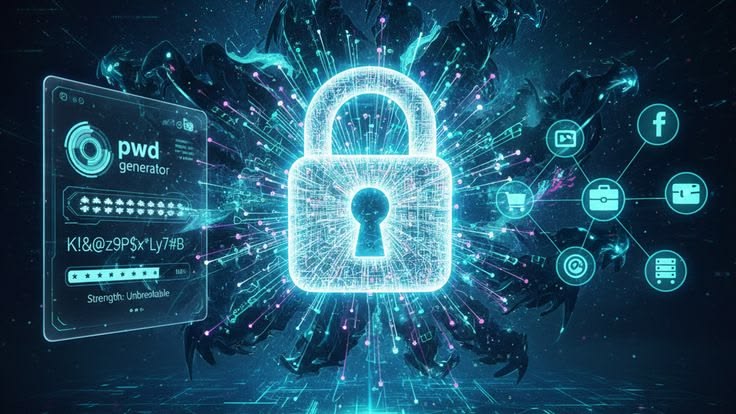
For decades passwords have been the primary way we protect our digital lives. From email accounts and banking apps to social media and work platforms, passwords have acted as the gatekeepers of our personal information. But in 2026, many experts are asking a serious question: are passwords reaching the end of their usefulness?
With cyber threats becoming more advanced and users managing dozens or even hundreds of accounts, the traditional password system is showing its age. The future of digital security is evolving quickly, and it may not include passwords at all.
Why Passwords Are Failing

Passwords were designed for a simpler internet era. Today they create several major problems.
People reuse passwords across multiple platforms.
Weak passwords are easy to guess or crack.
Phishing attacks trick users into revealing credentials.
Data breaches expose millions of login details at once.
Managing complex passwords is frustrating and inconvenient.
Even with strong password policies, two factor authentication, and password managers, the system still depends heavily on human behavior. And humans make mistakes.
The Rise of Passwordless Authentication
Passwordless authentication is becoming the leading alternative. Instead of typing a secret code, users verify their identity through something they have or something they are.
This includes:
Biometric authentication such as fingerprint scanning and facial recognition.
Hardware security keys that physically confirm identity.
Device based authentication where your phone or laptop acts as your identity token.
Magic links sent to verified email addresses.
The goal is to eliminate shared secrets that can be stolen and replace them with secure identity verification methods that are harder to compromise.
Biometrics as the New Standard
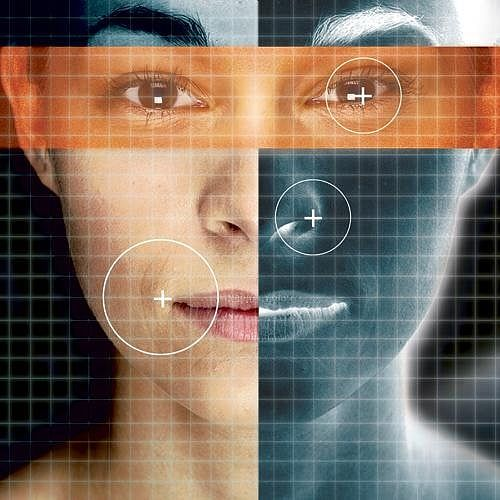
Biometric security is already common. Smartphones unlock with face recognition or fingerprints. Laptops use fingerprint sensors. Banking apps rely on biometric confirmation.
Biometrics offer convenience and strong protection. You cannot forget your fingerprint or lose your face. However, biometrics also raise concerns.
Unlike passwords, biometric data cannot be changed easily if compromised. Privacy concerns also emerge when biometric data is stored or processed improperly.
The future likely involves secure on device biometric storage combined with encryption to minimize risk.
Passkeys and Cryptographic Authentication
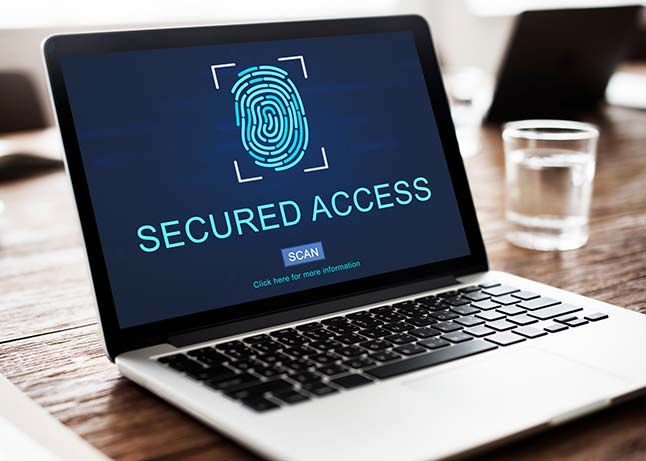
One of the most promising developments in digital security is passkey technology. Passkeys use public key cryptography to authenticate users without transmitting passwords.
When you log in with a passkey, your device generates a secure cryptographic key pair. The private key stays on your device, while the public key is stored by the service. Hackers cannot steal the private key from a server because it never leaves your device.
This method dramatically reduces phishing risks and eliminates password reuse problems.
Major technology companies are already supporting passkey systems, and adoption is growing rapidly.
Multi Factor Authentication Becomes Seamless

Traditional multi factor authentication often involves codes sent by text message or authentication apps. While effective, this can feel inconvenient.
The future of security focuses on invisible multi-layer authentication. Systems may analyze behavior patterns such as typing speed, device usage habits, and location consistency.
If something unusual is detected, additional verification may be required. If behavior matches your profile, access may be granted instantly without friction.
This combination of biometric verification, device trust, and behavioral analysis could create stronger security with less effort from users.
Artificial Intelligence in Cybersecurity
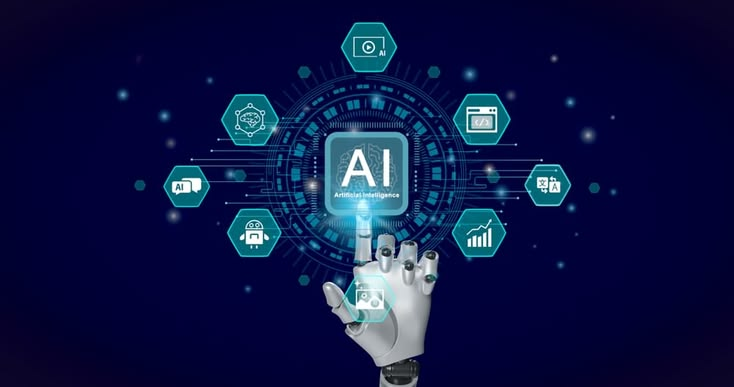
Artificial intelligence is transforming digital security. AI systems can monitor login patterns, detect suspicious activity, and respond to threats in real time.
Instead of waiting for a password breach to cause damage, AI driven systems can prevent unauthorized access by recognizing anomalies before harm occurs.
AI may also help reduce phishing attacks by scanning messages, websites, and communication channels for malicious intent.
As threats evolve, intelligent defense systems will become essential.
Decentralized Identity Systems
Another emerging concept is decentralized digital identity. Rather than relying on centralized servers to verify credentials, decentralized systems allow users to control their identity data directly.
Using blockchain or distributed ledger technology, users could store verified identity credentials securely and share them only when necessary.
This model reduces reliance on large databases that are frequent targets for hackers and gives individuals more control over personal data.
Challenges to a Passwordless Future
Despite rapid innovation, fully eliminating passwords will take time.
Not all platforms support passwordless login.
Legacy systems still depend on traditional authentication.
Users may resist change due to familiarity.
Privacy concerns must be addressed carefully.
Transition periods often involve hybrid systems where passwords coexist with newer authentication methods.
What the Future of Digital Security Looks Like
In the coming years digital security will likely become:
More biometric based
More device centric
More AI driven
Less dependent on memorized secrets
More seamless and user friendly
Instead of remembering complex passwords, users may simply confirm identity through trusted devices and biometric verification.
The experience will shift from managing credentials to proving identity securely and effortlessly.
Final Thoughts
Passwords have served the internet for decades, but their weaknesses are becoming increasingly clear. As cyber threats grow more sophisticated, the need for stronger and more convenient security solutions becomes urgent.
Passwordless authentication, biometrics, passkeys, AI driven monitoring, and decentralized identity systems are shaping the future of digital security. While passwords may not disappear overnight, their dominance is fading.
The end of passwords is not just about convenience. It represents a fundamental shift toward smarter, safer, and more human centered security systems.