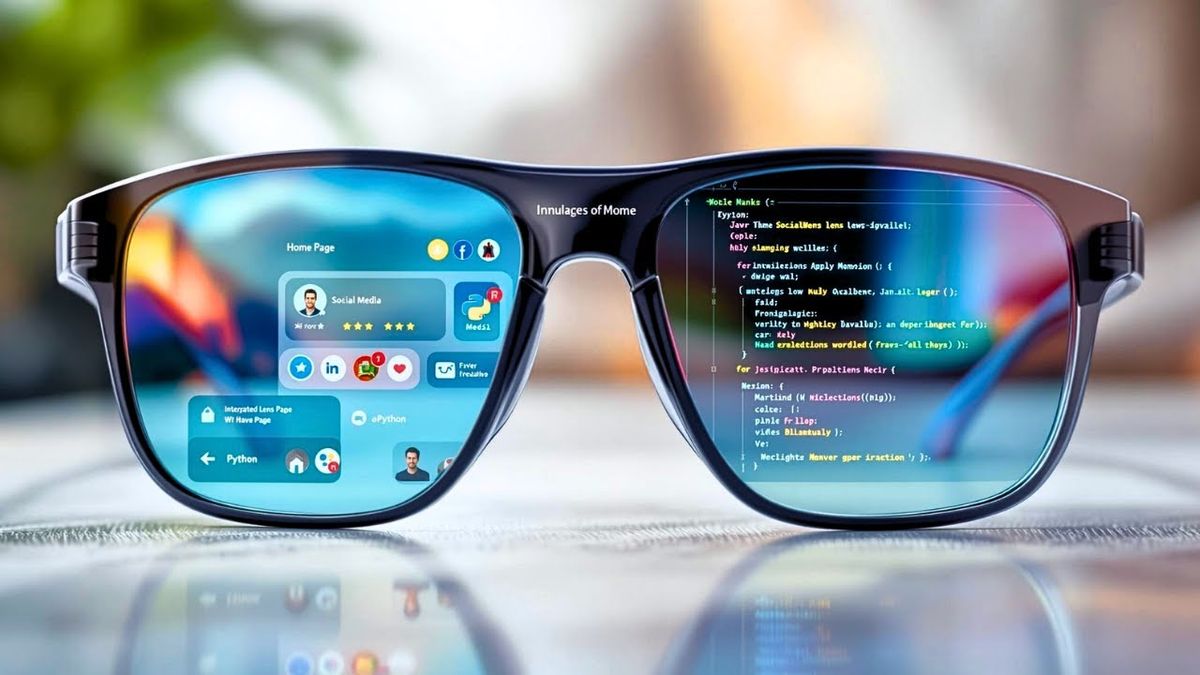
Smartphones have dominated our digital lives for nearly two decades. They combine communication, entertainment, productivity, navigation, photography, and social interaction into one compact device. But technology never stands still. As innovation accelerates, new categories of devices are emerging that could eventually replace smartphones as the central hub of our digital world.
In this blog, we explore the future gadgets that have the potential to replace smartphones and how they could change the way we interact with technology.
Why Smartphones May Be Replaced
Smartphones are powerful, but they still have limitations:
Small screens limit immersive experiences
Constant screen use can be distracting
Battery life remains a daily concern
Manual interaction through touch can be inefficient
Privacy and digital overload concerns are growing
The next wave of devices aims to solve these challenges by becoming more immersive, more intuitive, and more seamlessly integrated into daily life.
Augmented Reality Glasses
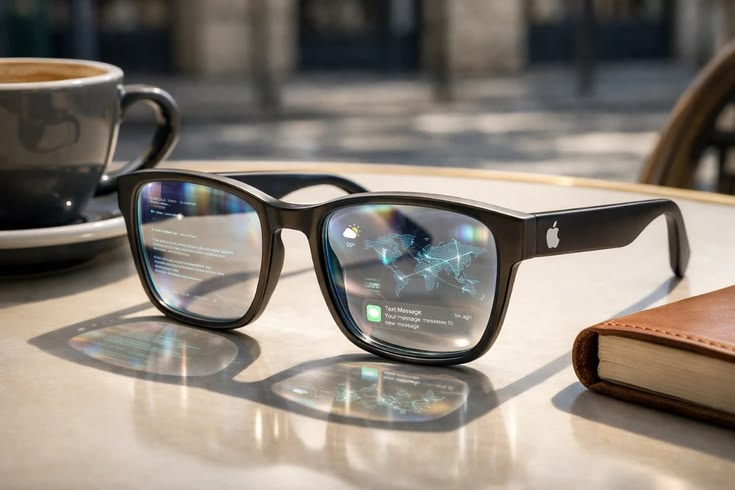
Augmented reality glasses are one of the strongest candidates to replace smartphones. Instead of looking down at a screen, users could see digital information projected directly into their field of vision.
Imagine receiving messages as subtle notifications in your vision, navigating with floating directions on the street, or joining video calls through holographic displays. With built in cameras, microphones, and AI assistants, AR glasses could handle communication, navigation, photography, and media consumption without needing a handheld device.
As battery life improves and designs become lighter and more stylish, AR glasses could gradually replace the need to carry a phone at all.
Smart Contact Lenses

Even more futuristic than AR glasses, smart contact lenses are being researched as a way to project information directly into the eye. These lenses could offer real time data overlays, health monitoring, and seamless digital interaction.
With eye tracking and gesture control, users might interact with digital content without touching anything. Though still in development, smart contact lenses represent an ultra discreet evolution of wearable computing.
AI Powered Wearables
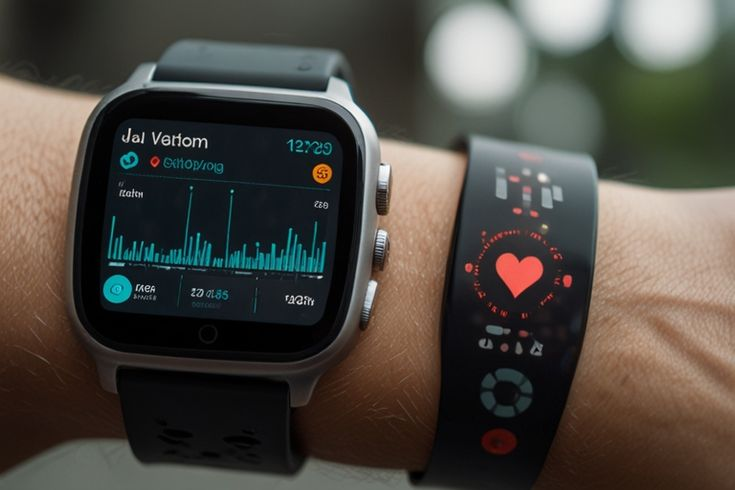
Wearable devices are becoming smarter each year. Smartwatches, rings, and health bands already track fitness, monitor heart rate, and deliver notifications.
Future AI powered wearables could handle communication, voice commands, payments, authentication, and even contextual decision making. Instead of opening apps, users could simply speak or think commands using advanced neural interfaces.
With powerful AI assistants built into wearables, smartphones may become unnecessary for many daily tasks.
Brain Computer Interfaces
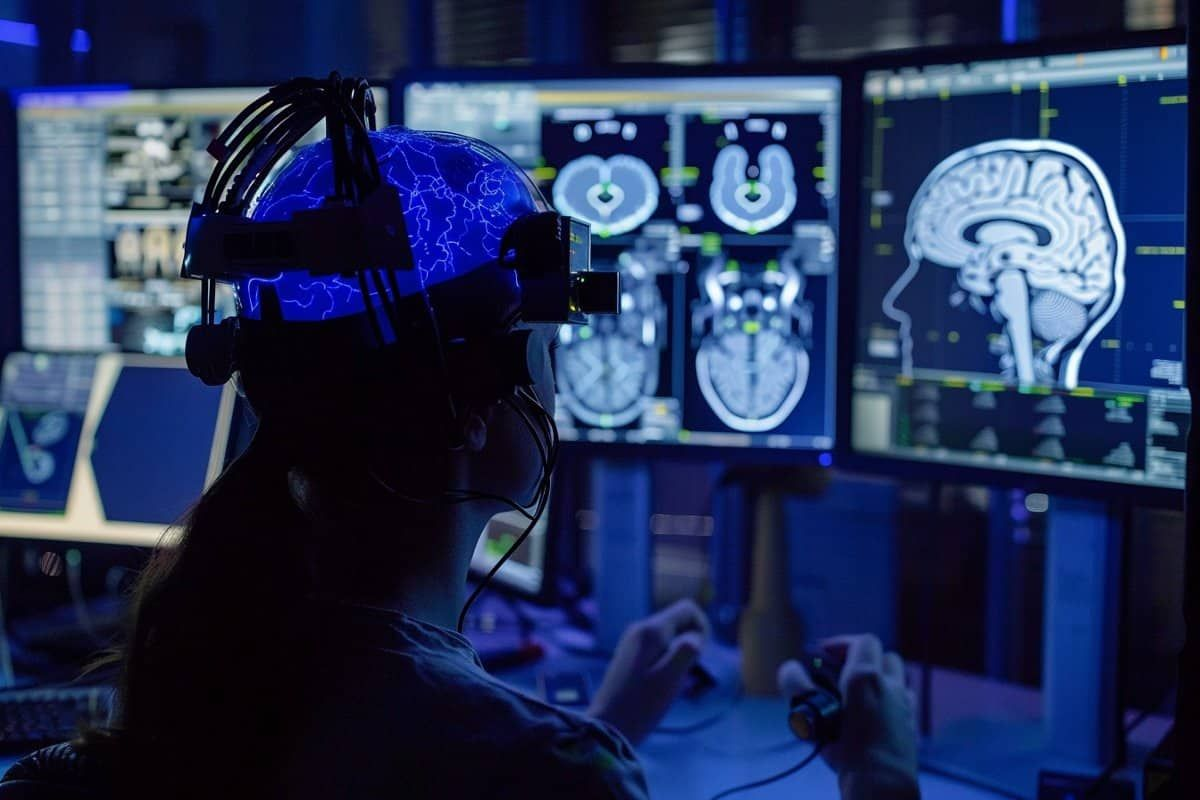
One of the most revolutionary possibilities is the development of brain computer interfaces. These systems aim to allow users to interact with technology using neural signals.
Instead of typing or speaking, you could control devices through thought. Messages, searches, and commands could be executed almost instantly. While still experimental, this technology could eliminate physical screens entirely.
If brain computer interfaces become safe, affordable, and widely adopted, they could fundamentally change how humans connect with digital systems.
Foldable and Rollable Displays
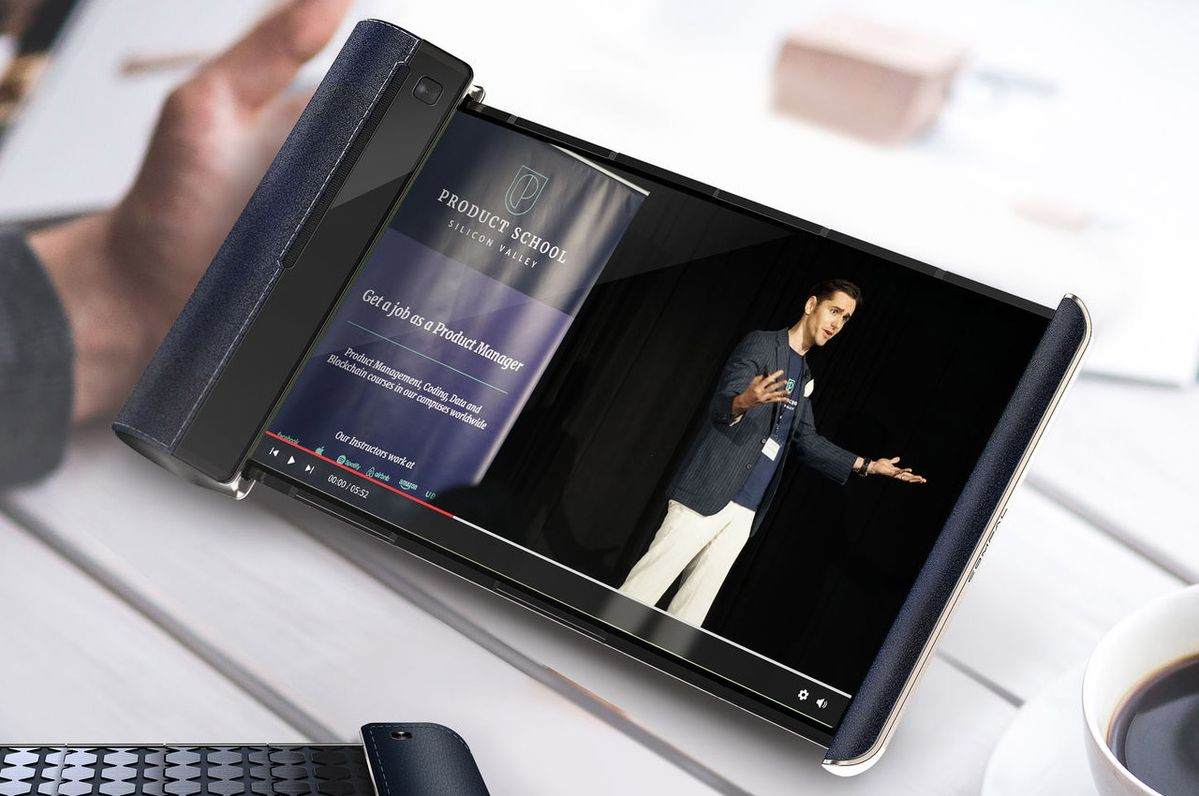
Another transitional technology could reshape smartphones rather than replace them entirely. Foldable or rollable displays may evolve into wearable screen bands or ultra thin flexible devices that wrap around the wrist or fold into clothing.
These flexible devices could combine the functionality of a phone with the convenience of wearable tech, making the traditional slab smartphone obsolete.
Ambient Computing Devices
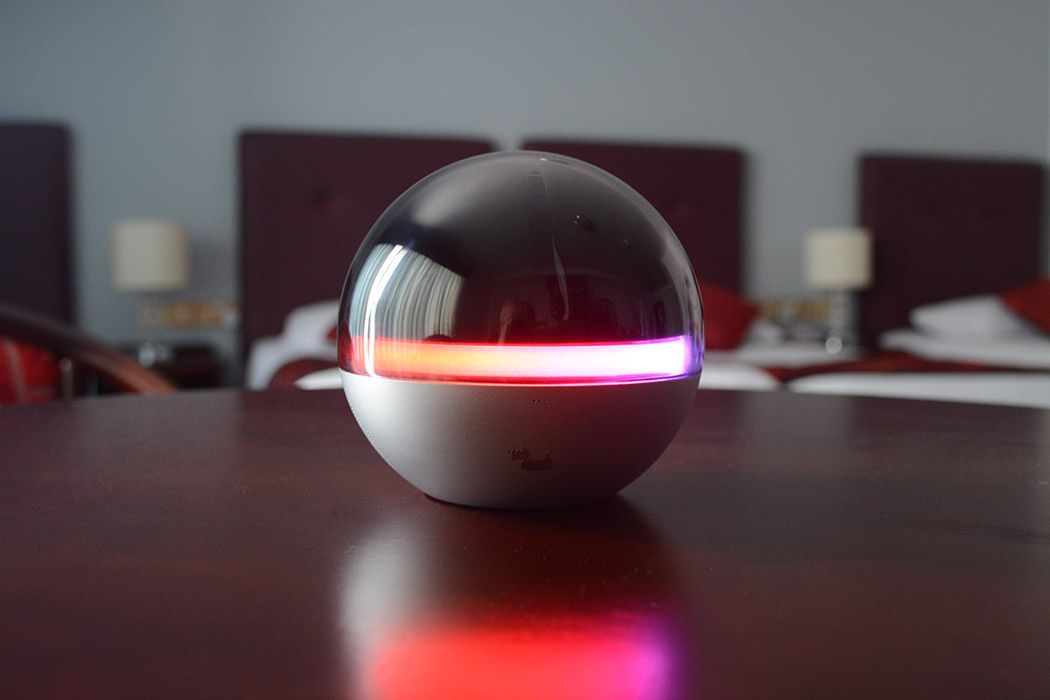
Ambient computing focuses on embedding technology into the environment instead of concentrating it in one device. Smart homes, connected cars, and intelligent public spaces could reduce reliance on smartphones.
Imagine walking into a room and having digital assistants respond instantly to your presence. Your identity, preferences, and schedule could sync automatically with nearby systems. Displays and interfaces would appear only when needed.
In this world, computing becomes invisible and integrated into everyday surroundings.
Holographic Communication Devices
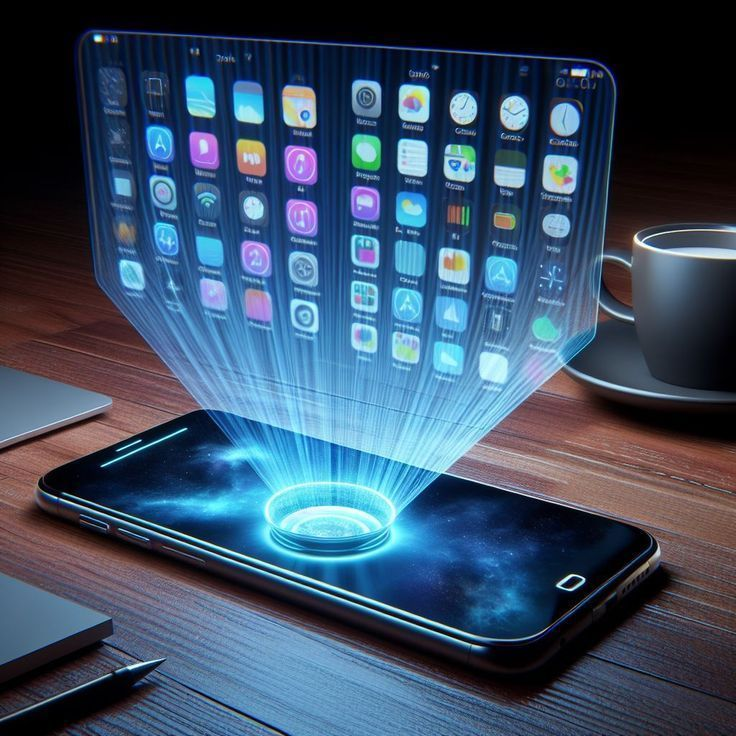
Future communication may not rely on screens at all. Holographic projectors could display life size 3D representations of people during conversations. Instead of video calls on a phone, users might interact with realistic projections in their living space.
This immersive communication style could reduce the need for handheld devices and redefine digital interaction.
AI Personal Assistants as Primary Interface
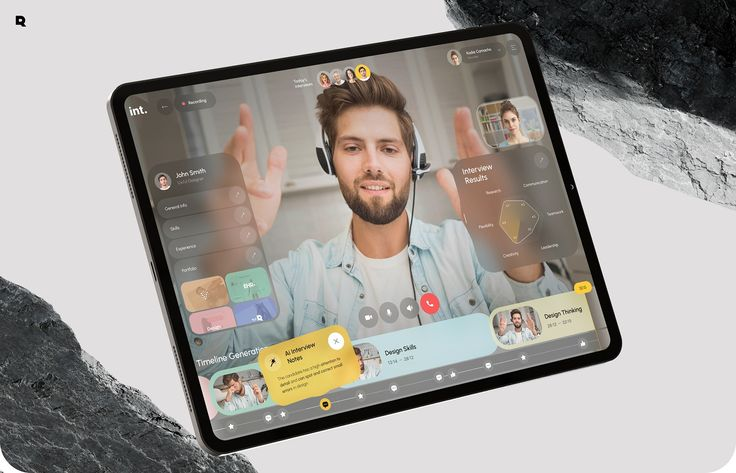
Artificial intelligence is becoming more capable each year. Future AI assistants may act as personal digital companions that manage schedules, answer questions, translate languages, handle purchases, and even anticipate needs before users ask.
If AI systems become deeply integrated into wearable devices or ambient environments, the need for manual smartphone interaction may decrease dramatically.
Challenges to Replacing Smartphones
Despite exciting innovation, replacing smartphones entirely will not happen overnight. Smartphones are:
Portable and compact
Affordable compared to advanced wearables
Universally accepted
Supported by vast app ecosystems
Any replacement technology must match or exceed these strengths while offering clear advantages.
Privacy, affordability, battery life, and social acceptance will also influence adoption rates.
What the Future May Look Like
The most likely scenario is gradual evolution rather than sudden replacement. Smartphones may slowly shrink in importance as wearable and ambient devices take over specific tasks.
Communication might move to AR glasses. Health monitoring may live in smart rings. Navigation could appear in lenses. AI assistants may handle routine actions automatically.
Instead of one dominant device, the future may involve a network of intelligent gadgets working together seamlessly.
Final Thoughts
Smartphones have shaped modern life, but history shows that no technology remains dominant forever. Augmented reality glasses, smart contact lenses, AI powered wearables, brain computer interfaces, and ambient computing systems all have the potential to replace smartphones in the coming decades.
While the smartphone will likely remain central in the near future, the seeds of its successor are already being planted. The next generation of gadgets aims to make technology more natural, less intrusive, and more integrated into daily life.
The question is not whether smartphones will eventually be replaced, but which innovation will lead the transformation.