
Passwords are slowly becoming a thing of the past. As cyber threats grow more sophisticated and digital life becomes more connected, traditional security methods are no longer enough. The future belongs to biometric security technology systems that verify identity using unique human characteristics such as fingerprints, facial structure, voice patterns, and even behavior.
In 2026 and beyond, biometric security is evolving rapidly. From smartphones and banking apps to smart homes and border control systems, next generation solutions promise stronger protection, greater convenience, and smarter authentication.
Here is a deep look at the biometric security technologies shaping the future
What Is Biometric Security
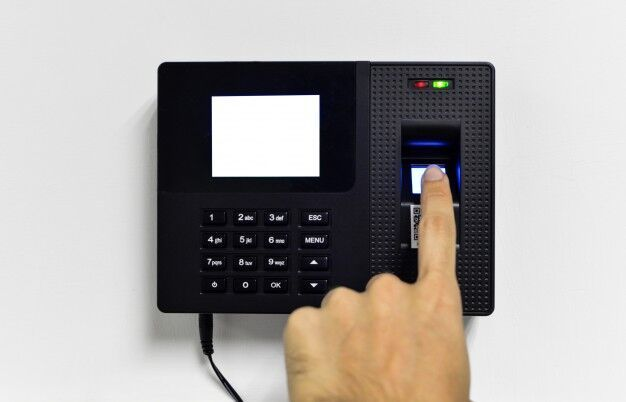
Biometric security uses measurable biological or behavioral traits to confirm identity. Unlike passwords or PIN codes, biometric data is unique to each individual and much harder to replicate.
Common biometric methods today include:
Fingerprint scanning
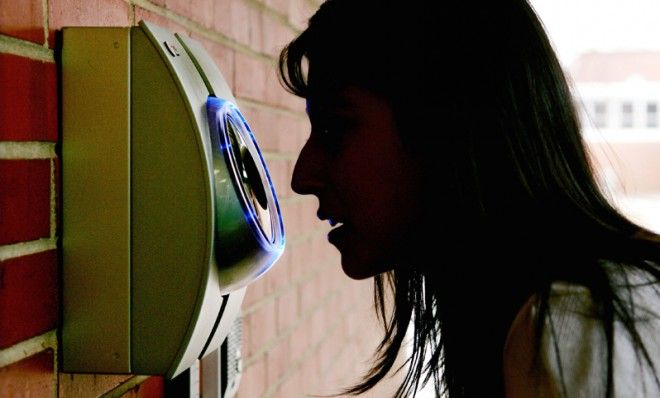
Facial recognition
Iris scanning
Voice recognition
However, future systems are moving far beyond these familiar methods.
Multi Modal Biometrics
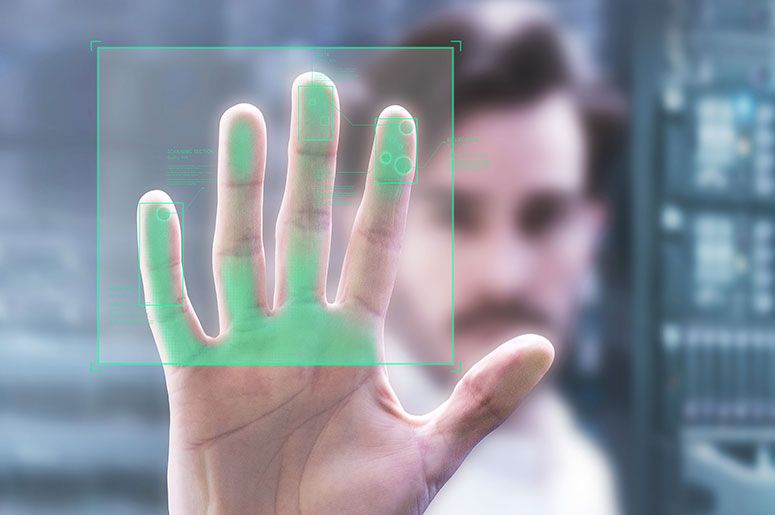
One of the biggest trends in biometric security tech is multi modal authentication.
Instead of relying on a single biometric trait, future systems combine multiple identifiers such as:
Face plus voice
Fingerprint plus behavioral typing pattern
Iris scan plus gait recognition
This layered approach dramatically reduces the risk of spoofing and unauthorized access. Even if one method is compromised, additional biometric checks provide extra security.
Multi modal biometrics will likely become standard in high security environments, financial services, and enterprise systems.
Behavioral Biometrics
Not all biometric security relies on physical traits. Behavioral biometrics analyze patterns in how you interact with devices.
Examples include:
Typing speed and rhythm
Mouse movement patterns
Touchscreen gestures
Walking style
These subtle patterns are extremely difficult to mimic accurately. In the future, devices may continuously monitor behavioral data in the background, verifying identity passively without interrupting the user.
This could make authentication seamless and nearly invisible.
Biometric Payment Systems
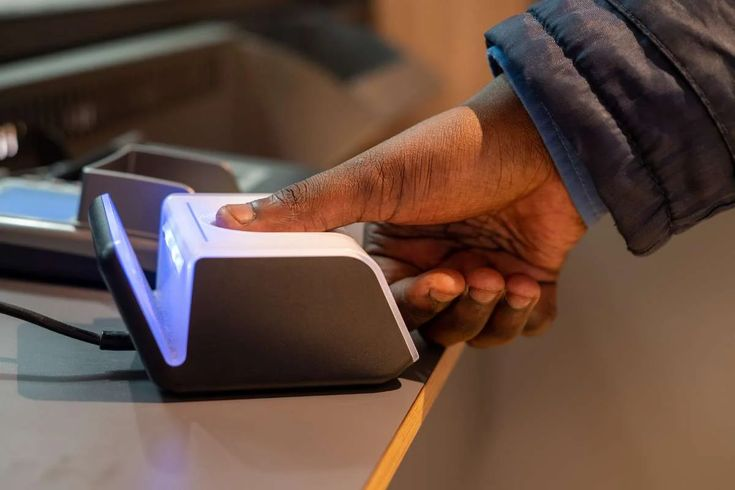
Contactless payments have already transformed retail experiences. The next step is biometric based payment authorization.
Future systems may allow users to complete transactions using:
Palm vein recognition
Facial verification at checkout
Voice confirmation
These systems remove the need for cards or phones entirely. As accuracy improves and regulations evolve, biometric payments could become common in airports, public transport, and retail stores.
AI Enhanced Facial Recognition
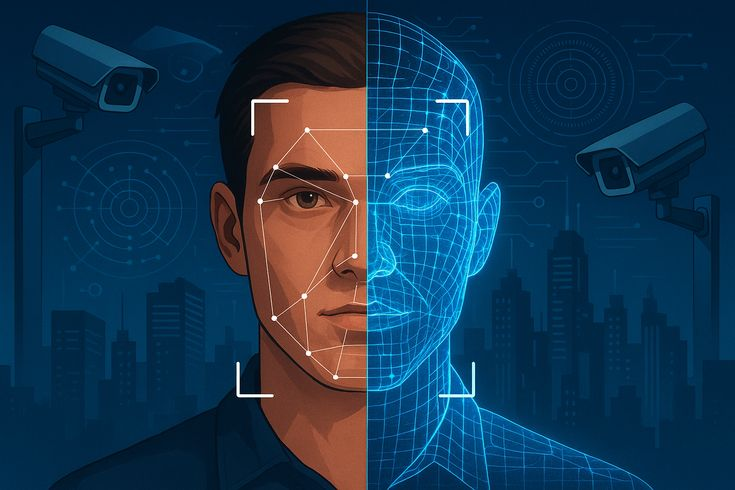
Facial recognition is becoming more advanced thanks to artificial intelligence.
Future facial recognition systems will:
Detect micro expressions
Adapt to aging over time
Recognize faces under varied lighting conditions
Differentiate between real faces and high quality images or masks
AI powered liveness detection will make it harder for attackers to bypass systems using photos or deepfake technology.
Biometric Security in Smart Homes
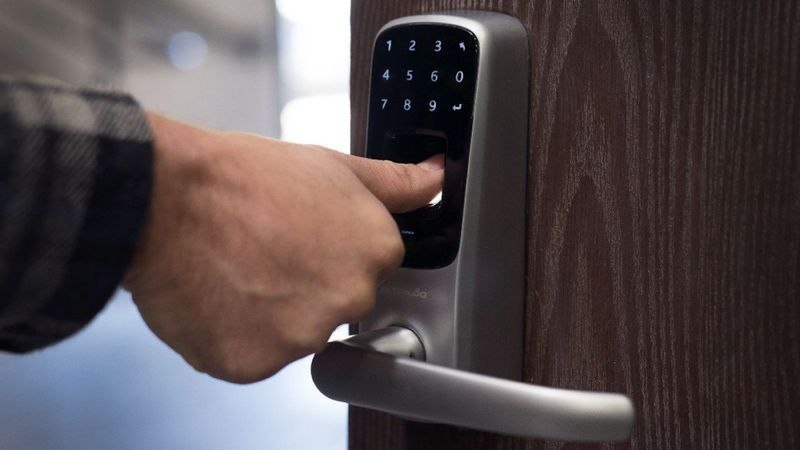
The smart home of the future may rely heavily on biometric authentication.
Front doors could be unlocked using facial recognition or fingerprint scanning. Smart assistants might recognize individual voices and adjust settings accordingly. Personalized profiles could load automatically based on who enters the room.
This level of personalization combined with security enhances both convenience and protection.
Wearable Biometric Authentication
Wearable devices are playing a growing role in biometric security.
Smart rings, watches, and fitness trackers can continuously verify the wearer’s identity using heart rate patterns, motion data, or skin conductivity.
If the device detects that it is no longer worn by the authorized user, it can automatically lock connected systems. Continuous authentication like this adds a powerful layer of passive security.
Biometric Data Encryption and Privacy
As biometric systems expand, privacy becomes critical.
Future biometric security technology is expected to focus on:
On device data processing
Encrypted biometric templates instead of raw data storage
Decentralized identity management
User controlled authentication permissions
Protecting biometric information is essential because unlike passwords, biometric traits cannot simply be changed.
Companies investing in strong encryption and ethical data policies will gain user trust in the coming years.
Biometric Security in Healthcare and Travel
Healthcare systems may use biometrics to verify patient identity quickly and accurately. This reduces administrative errors and improves record management.
Airports and border control systems are also expanding biometric checkpoints to streamline passenger flow. Facial recognition and fingerprint verification can reduce wait times while enhancing national security.
As global travel increases, biometric verification may become standard across many international entry points.
Challenges Ahead
Despite rapid innovation, biometric security faces several challenges:
Data privacy concerns
Potential bias in recognition algorithms
Regulatory differences between countries
Public trust and acceptance
Addressing these issues responsibly will determine how widely biometric systems are adopted.
Transparency, strong encryption, and ethical AI practices will be essential for long term success.
The Future Outlook
Biometric security technology is moving toward a future where authentication is:
Continuous instead of one time
Invisible instead of intrusive
Personalized instead of generic
Secure without sacrificing convenience
Instead of remembering multiple passwords, users may rely on systems that recognize them instantly and adapt in real time.
As artificial intelligence, sensor technology, and encryption methods improve, biometric security will likely become the backbone of digital identity.
Final Thoughts
The biometric security tech of the future promises a world where identity verification is faster, smarter, and more secure than ever before. From behavioral biometrics to AI driven facial recognition and wearable authentication, innovation is reshaping how we protect our data and devices.
While challenges around privacy and ethics remain, the direction is clear. The future of security lies not in what you know, but in who you are.