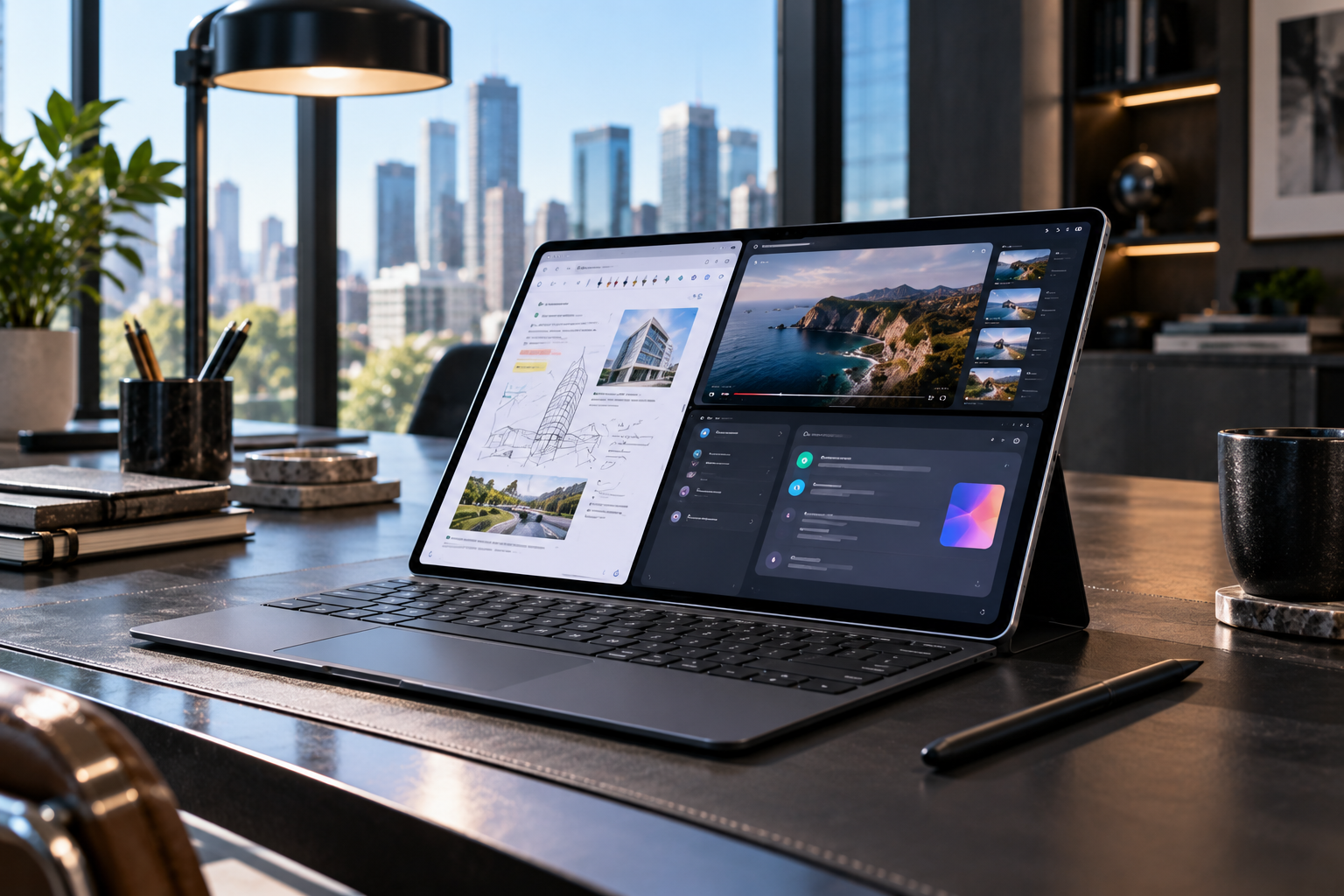
Tablets are changing in 2026, but the biggest upgrades aren't necessarily about making them thinner or adding another camera. The tablet market is moving toward better displays, more powerful chips, deeper AI integration and software designed specifically for large screens.
Apple's latest iPad Pro uses the M5 chip, with hardware specifically designed to accelerate AI workloads, while iPadOS 27 brings Siri AI, Visual Intelligence and new Apple Intelligence features to compatible iPads.
On Android, Google is making large-screen optimization a much bigger part of Android 17. Apps targeting the new platform have to handle large-screen resizing and orientation more effectively, while features such as App Bubbles and the Bubble Bar make multitasking more flexible.
Samsung's new Galaxy Tab S12 series shows where premium Android tablets are heading: 120Hz AMOLED displays, brighter screens, flagship-class processors, Galaxy AI, S Pen support and software designed around multitasking.
Here's what those changes mean for tablet buyers in 2026.
What are the biggest tablet changes in 2026?
The biggest tablet trends are better OLED displays, faster AI-capable processors, more useful on-device AI, improved multitasking and software that makes better use of large screens.
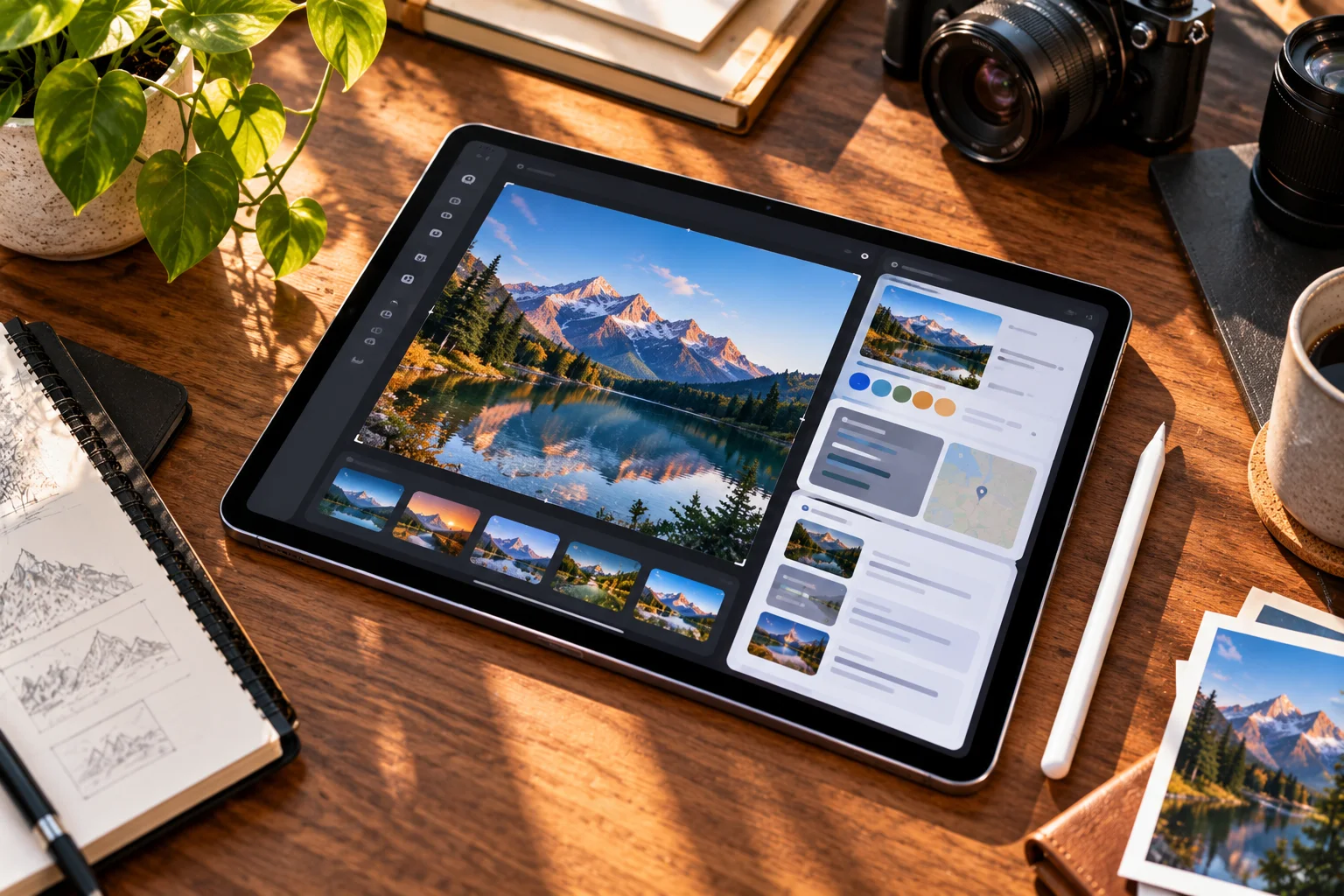
The interesting part is how closely hardware and software are now connected.
A faster processor matters because AI features need more computing power. A larger display matters because AI-assisted research, editing and multitasking become more useful when you can see several things at once.
That is pushing premium tablets closer to the role of lightweight computers while budget models continue to focus on entertainment and everyday tasks.
Are tablet displays getting better in 2026?
Yes. Premium tablets are increasingly using high-refresh-rate OLED or advanced LCD displays with higher brightness and better adaptive viewing.
Samsung's latest Galaxy Tab S12+ and S12 Ultra, for example, use Dynamic AMOLED 2X panels with adaptive 120Hz refresh rates and up to 1,600 nits of peak brightness. Samsung has also upgraded Vision Booster to adjust brightness in response to surrounding lighting.
That matters beyond watching movies.
A bright, high-refresh display makes scrolling, drawing, gaming and photo editing feel more natural. For people who use a tablet outdoors or beside a bright window, improved peak brightness can be more noticeable than a small increase in resolution.
OLED is also becoming increasingly important at the premium end because it can provide deep blacks, strong contrast and vibrant colors without relying on traditional LCD backlighting.
How is AI changing tablets in 2026?
AI is moving from individual apps into the operating system and everyday tablet workflows.
On iPadOS 27, Siri AI adds personal context understanding and onscreen awareness, while Apple Intelligence powers features across apps including Photos, Safari, Messages and Mail. Compatible iPads can also use Visual Intelligence to understand content displayed on the screen.
Android is taking a similar direction. Google says select advanced devices can receive Gemini Intelligence, while Android 17 adds features that make multitasking and everyday workflows more intelligent.
Samsung is combining Android 17 with One UI 9 and Galaxy AI on the Galaxy Tab S12 series, targeting tasks such as research, note-taking and content creation.
The important shift is that AI is becoming part of how the tablet works, rather than simply another chatbot application.
Are tablets getting faster in 2026?
Yes. Premium tablets are increasingly using laptop-class processors and dedicated hardware for AI workloads.
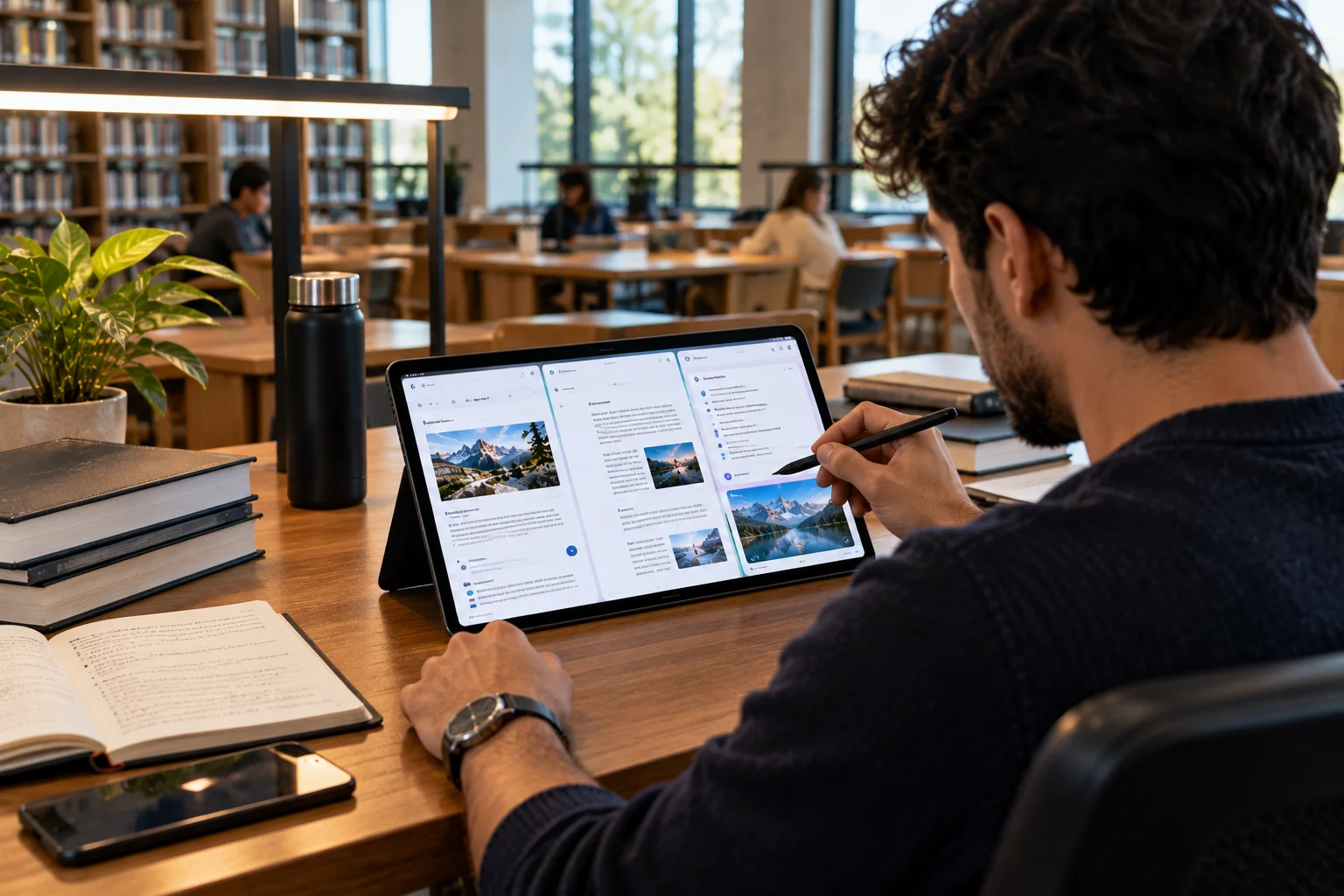
Apple's M5-powered iPad Pro includes a 10-core GPU with Neural Accelerators and a 16-core Neural Engine. Apple specifically positions the chip around demanding AI and creative workloads.
Samsung's Galaxy Tab S12 series uses MediaTek's Dimensity 9500, with the processor upgrade accompanied by improved cooling and an emphasis on AI performance.
For everyday users, this extra power isn't just about benchmark numbers.
It can mean faster photo and video editing, smoother gaming, better multitasking and more headroom for AI features that run locally on the device.
Is Android finally becoming better for tablets?
Android 17 is making large-screen support a much bigger platform priority.
Google has moved toward an "adaptive-first" approach. For apps targeting Android 17, certain orientation, aspect-ratio and resizability restrictions are ignored on large screens, meaning developers have to make their interfaces capable of adapting to different window sizes.
Android 17 also introduces App Bubbles and a dedicated Bubble Bar on large displays. Users can turn apps into floating windows and switch between them without constantly returning to the home screen.
That could eventually address one of Android tablets' longstanding challenges: having powerful hardware but apps that still feel designed primarily for phones.
Are iPads becoming more computer-like?
Yes, although Apple is taking a different route from Android.
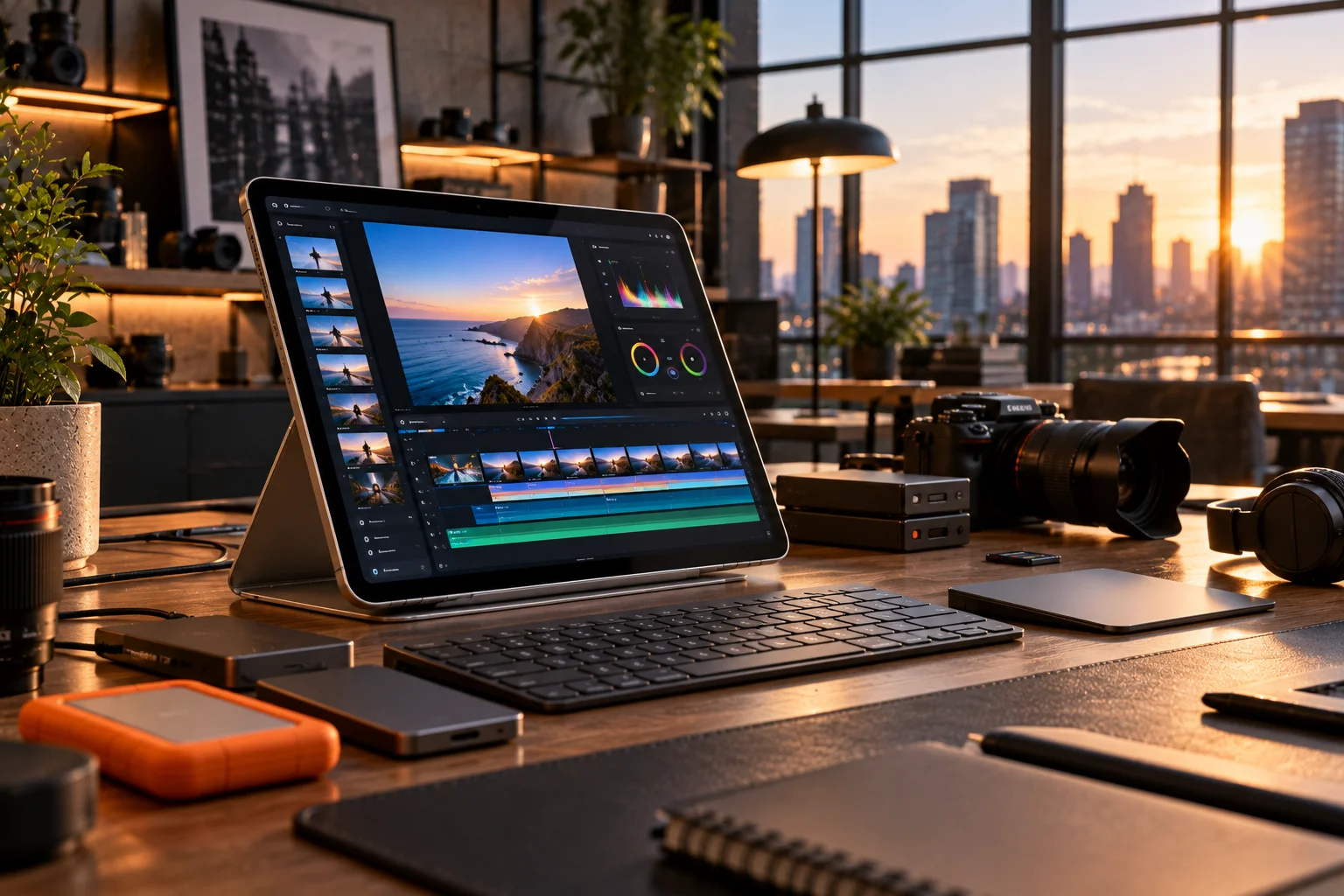
iPadOS 27 improves performance, search, external-drive transfers and multitasking while adding deeper Apple Intelligence integration. Apple has also refined its Liquid Glass interface and improved the experience of running and resizing iPhone apps on iPad.
The M5 iPad Pro takes the hardware side further. Its processor, memory bandwidth and Neural Engine give it the kind of computational headroom traditionally associated with laptops.
The result is a tablet that can handle increasingly serious creative and productivity workloads, although the software you use still determines whether it can replace a laptop.
What does this mean for tablet buyers in 2026?
The biggest buying decision is no longer simply screen size. Processor capability, display technology, software support and AI compatibility matter much more.
If you mainly stream Netflix, browse the web and read, you probably don't need a flagship tablet.
For drawing, video editing, gaming or professional work, the processor and display become much more important. If you want the latest AI features, check the exact processor and software requirements rather than assuming every tablet running the latest operating system gets them.
Software support is another factor worth considering. Samsung's new premium tablets, for example, are being positioned with long-term software support, while Apple's iPadOS ecosystem continues to receive major annual updates.
What will tablets look like by the end of 2026?
The tablet is increasingly becoming a hybrid device between a phone and a laptop, with AI acting as the bridge between the two.
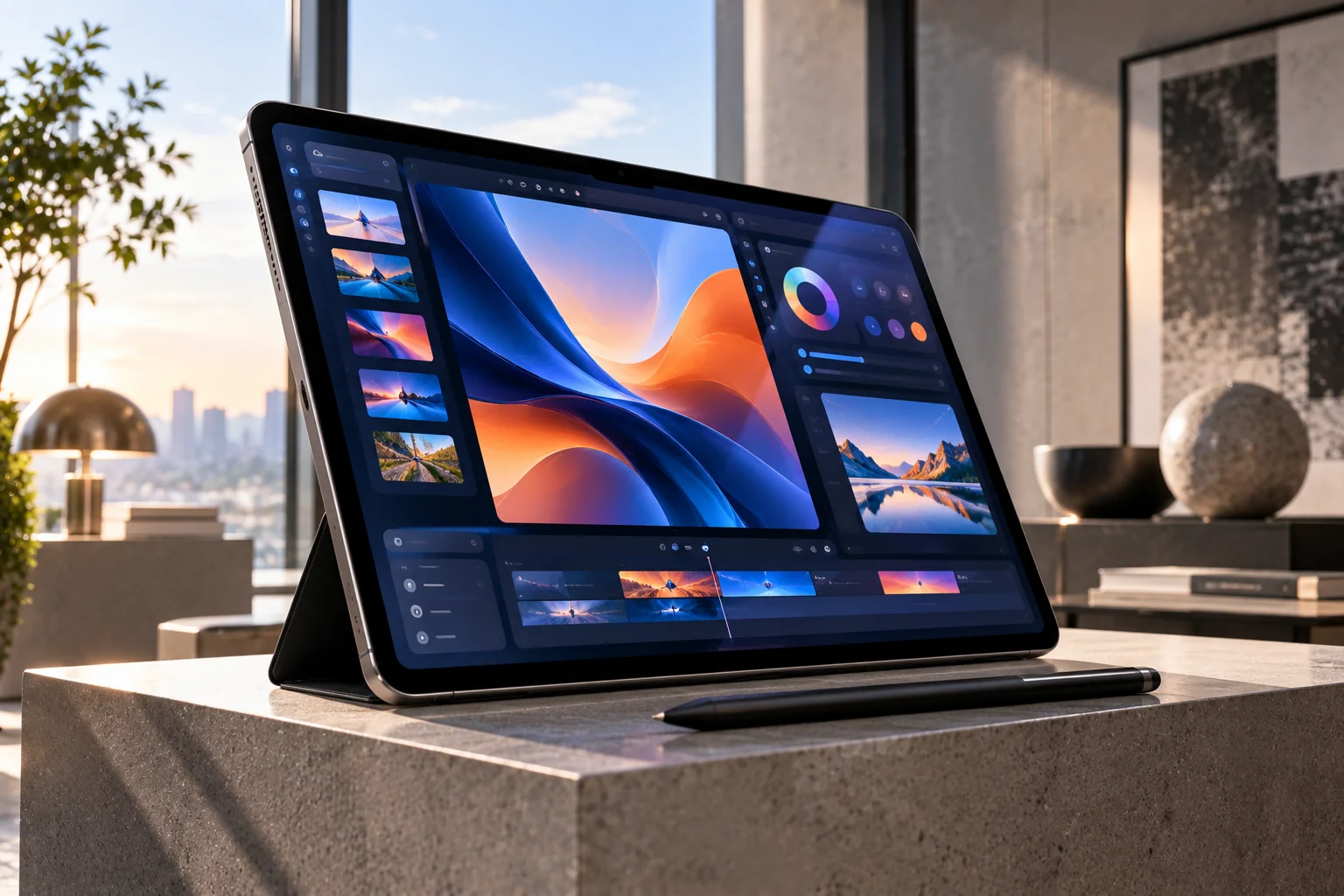
The most interesting development isn't one individual specification. It's the combination of a large, high-quality screen, laptop-class processing power, stylus and keyboard support, flexible multitasking and AI assistance.
That combination makes tablets more capable without turning them into conventional laptops.
For buyers, 2026 is therefore less about chasing the newest tablet and more about choosing the right level of hardware for the way they actually work, create and consume content.
Tablets in 2026 FAQs
What is the biggest tablet trend in 2026?
AI integration and better large-screen software are among the biggest changes. Apple, Google and Samsung are all putting more intelligence and multitasking capabilities directly into their tablet platforms.
Are OLED tablets becoming more common?
OLED remains concentrated mainly in premium tablets, but Samsung's latest flagship Galaxy Tab models show how advanced OLED displays are becoming a major selling point.
Are tablets powerful enough to replace laptops?
Some premium models can handle many laptop-style workloads, especially with a keyboard and stylus. However, software compatibility still determines whether a tablet can replace a laptop for a particular user.
Do all tablets get the new AI features?
No. AI capabilities often require specific processors or memory configurations. Apple's Apple Intelligence, for example, requires an Apple Intelligence-enabled iPad mini with A17 Pro or an iPad with M1 or later.
Should you buy a tablet in 2026?
For many users, 2026 tablets offer a strong combination of display quality, performance and software capabilities. The right model depends mainly on whether you need basic entertainment, creative work, gaming or a laptop-style productivity setup.