
A smartphone with an LTPO OLED display can potentially last longer on a charge than a phone using a conventional OLED panel, especially if you spend a lot of time reading, browsing, viewing photos, using an always-on display, or switching between different types of content.
The reason isn't simply that LTPO is "more efficient OLED." LTPO, or Low-Temperature Polycrystalline Oxide, is a display backplane technology that makes it practical for a phone to vary its refresh rate across a much wider range. Instead of keeping the screen at 60Hz or 120Hz, an LTPO display can dynamically reduce the refresh rate when the content doesn't need frequent updates and raise it when smoother motion matters.
That's useful because 120Hz is great for scrolling and gaming, but a static photograph doesn't need to be redrawn 120 times every second.
Samsung Display says its variable-refresh technology can use 120Hz for fast-moving content, 60Hz for video, 30Hz for text-based activities and 10Hz for still images. Its earlier Adaptive Frequency implementation reduced panel operating power by up to 22% compared with conventional smartphone panels in its testing.
So, does LTPO actually save battery? Yes, but the size of the saving depends heavily on the phone, software, brightness, content and how aggressively the display changes its refresh rate.
What Is LTPO OLED and How Is It Different From Standard OLED?
LTPO is not a replacement for OLED; it is a different backplane technology used to control an OLED panel more efficiently.
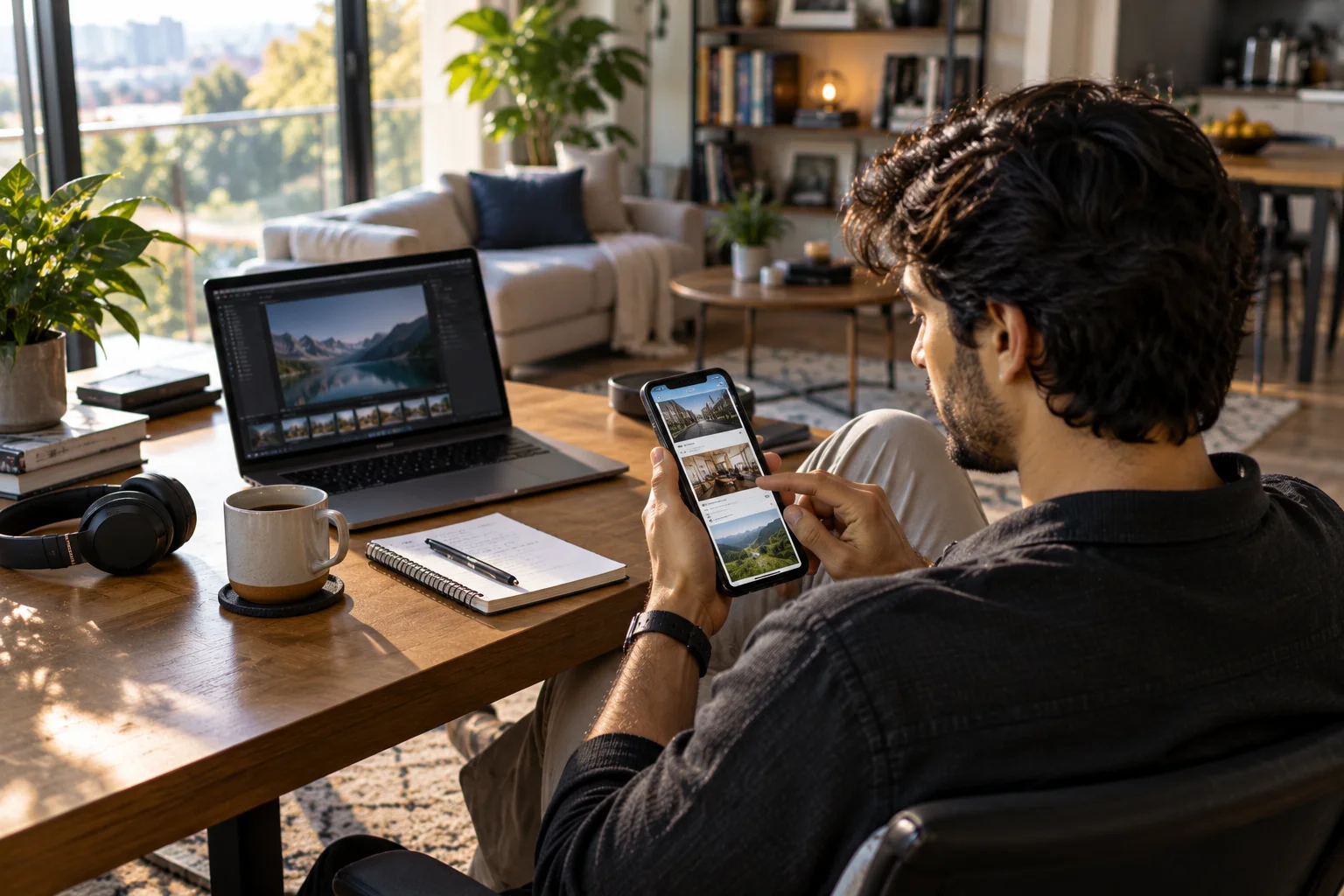
A standard smartphone OLED panel uses a thin-film transistor backplane to control the pixels. LTPO combines oxide and LTPS transistor technologies to reduce leakage and make extremely low refresh rates practical.
That distinction matters because you'll sometimes see phones described as having "LTPO OLED" versus "OLED." Both are OLED displays. The difference is largely in how the panel is driven.
Display | Typical refresh behavior | Battery advantage |
|---|---|---|
Standard 60Hz OLED | Usually fixed around 60Hz | No dynamic refresh saving |
Standard high-refresh OLED | Often 60/90/120Hz modes | Some savings if software switches between modes |
LTPO OLED | Can dynamically move across a much wider range | Greater opportunity to reduce power during static content |
LTPO OLED with advanced VRR | Can drop very low and rise rapidly when needed | Best combination of smoothness and efficiency |
The underlying reason LTPO works well for this is its lower leakage characteristics, which help the display maintain stable operation at very low refresh rates.
Why Does Refresh Rate Affect Smartphone Battery Life?
The higher the refresh rate, the more frequently the display has to update its image, increasing display-driving power and potentially the workload on the phone's graphics system.
At 60Hz, the display refreshes up to 60 times per second.
At 120Hz, that doubles to 120 updates per second.
That extra smoothness is useful. Scrolling through a webpage, navigating menus and playing games can feel noticeably more fluid at 120Hz.
But imagine reading an article where the page isn't moving.
There isn't much reason to refresh the display 120 times every second.
That's the problem variable refresh rate is designed to solve.
Samsung Display explains that fast-moving games and video benefit from higher refresh rates, while text and still images generally don't need the same frequency. Its technology therefore adjusts the refresh rate according to the content.
Apple also explicitly notes that higher frame rates can increase power consumption on ProMotion displays and recommends that apps use appropriate frame rates rather than unnecessarily running everything at a high frequency.
How Does LTPO Save Battery During Everyday Smartphone Use?
LTPO saves power by letting the display slow down when high refresh rates aren't necessary.

Consider a typical afternoon on your phone.
You scroll through Instagram at 120Hz. The display responds quickly and feels smooth.
You stop scrolling and read a post.
The screen can reduce its refresh rate.
You open a photograph.
It can drop even further.
You lock the phone but leave an always-on display visible.
A compatible LTPO panel can operate at an extremely low refresh rate instead of continuously running at 60Hz or 120Hz.
Apple's current iPhone 17, for example, uses ProMotion with adaptive refresh rates up to 120Hz, while its Always-On display can adjust down to 1Hz when appropriate.
That's the fundamental advantage: high refresh when you need it, low refresh when you don't.
Does 120Hz LTPO Use Less Battery Than 60Hz OLED?
Not necessarily when both displays are actually running at 120Hz and using similar panel technology and brightness settings.
This is one of the most important points to understand.
LTPO doesn't magically make 120Hz free.
If you're playing a game that keeps the display at 120Hz, the phone is still doing significantly more display work than it would at 60Hz.
Samsung Display has previously stated that driving a display at 120Hz can increase display-driving power compared with 60Hz, which is why adaptive refresh is valuable.
The advantage is that an LTPO phone doesn't have to stay at 120Hz all the time.
That's where the battery savings appear.
A simple example
Imagine two phones:
Phone A: Standard OLED
120Hz maximum
Switches mainly between 60Hz and 120Hz
Static content remains at 60Hz
Phone B: LTPO OLED
120Hz maximum
Dynamically moves between 1Hz, 10Hz, 30Hz, 60Hz and 120Hz
Static content can operate at very low refresh rates
During gaming, both may consume similar display power.
During reading, browsing or viewing static images, Phone B has more opportunities to reduce display power.
Over an entire day, those small savings can accumulate.
How Much Battery Life Can LTPO Actually Save?
There is no universal percentage because the battery benefit depends on the complete phone and how its software manages refresh rates.
Samsung Display has reported substantial panel-level savings from adaptive refresh technologies. One implementation was reported to reduce operating power by up to 22%, while its testing showed a 60% reduction in operating power for still images when moving from conventional fixed-frequency operation to 10Hz.
Those figures should not be interpreted as "LTPO gives your phone 22% more battery life."
They're measurements of display operating power, not total smartphone battery consumption.
Your phone also powers:
Processor
Cellular modem
Wi-Fi
Bluetooth
Cameras
GPS
Speakers
Storage
Background applications
Sensors
Display brightness also matters enormously. Apple notes that high brightness can consume significant energy and identifies the display as one of the major contributors to battery drain.
So an LTPO display can improve efficiency without necessarily producing a dramatic increase in total battery percentage over the course of a day.
When Does LTPO Make the Biggest Difference?
LTPO is most useful when your phone frequently displays content that doesn't need a high refresh rate.
Activity | Useful refresh behavior |
|---|---|
Gaming | 90–120Hz |
Fast scrolling | 90–120Hz |
Social media browsing | Variable |
Reading articles | Low refresh rate |
Viewing photos | Very low refresh rate |
Low refresh rate | |
Always-On Display | Extremely low refresh rate |
Watching video | Depends on video frame rate and implementation |
Always-on displays are particularly interesting.
An always-on screen may show a clock, notifications or widgets for hours. Running that screen at 120Hz would be unnecessary.
A variable-refresh display can reduce the frequency dramatically.
That's one reason very low refresh rates such as 1Hz have become an important feature in premium smartphones.
Does LTPO Make Scrolling Smoother?
LTPO doesn't inherently make a display smoother simply because it is LTPO. Its main advantage is that it can change refresh rates intelligently.
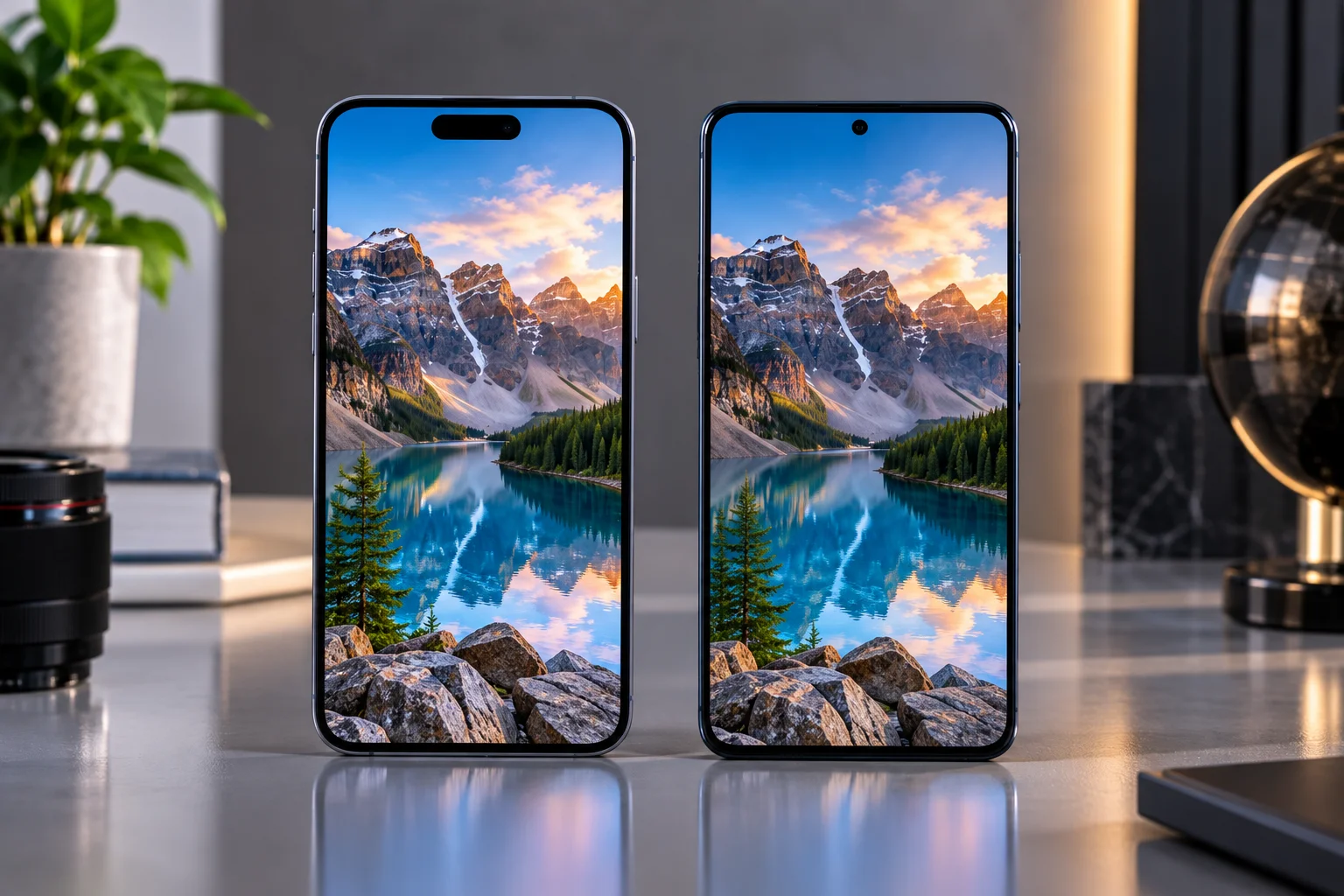
The maximum refresh rate still matters.
A 120Hz LTPO display can provide the smoothness associated with 120Hz when you're scrolling.
Then it can reduce the refresh rate when you're no longer moving around the interface.
This creates an interesting combination:
120Hz when you want responsiveness + low refresh when you want efficiency.
That's much more useful than simply locking the display at 120Hz all day.
Can a Standard OLED Display Have Variable Refresh Rate?
Yes. Variable refresh rate and LTPO are related, but they're not identical concepts.
Some non-LTPO OLED panels can switch between a limited number of refresh rates.
For example, a phone might offer:
60Hz
90Hz
120Hz
The difference is that LTPO-based implementations can generally support a much wider and more granular range, particularly at the very low end.
Android Authority notes that older adaptive implementations often switched between fixed rates such as 60Hz and 120Hz, while LTPO enabled much more dynamic behavior, potentially reaching rates as low as 1Hz.
That's why simply seeing "120Hz adaptive refresh rate" in a specification sheet isn't enough to determine whether the phone has LTPO.
Does LTPO Matter for Always-On Displays?
Yes. This is one of the clearest situations where very low refresh rates are useful.
An always-on display spends a lot of time showing relatively static information.
A clock doesn't suddenly require 120 new frames every second just because the panel is capable of producing them.
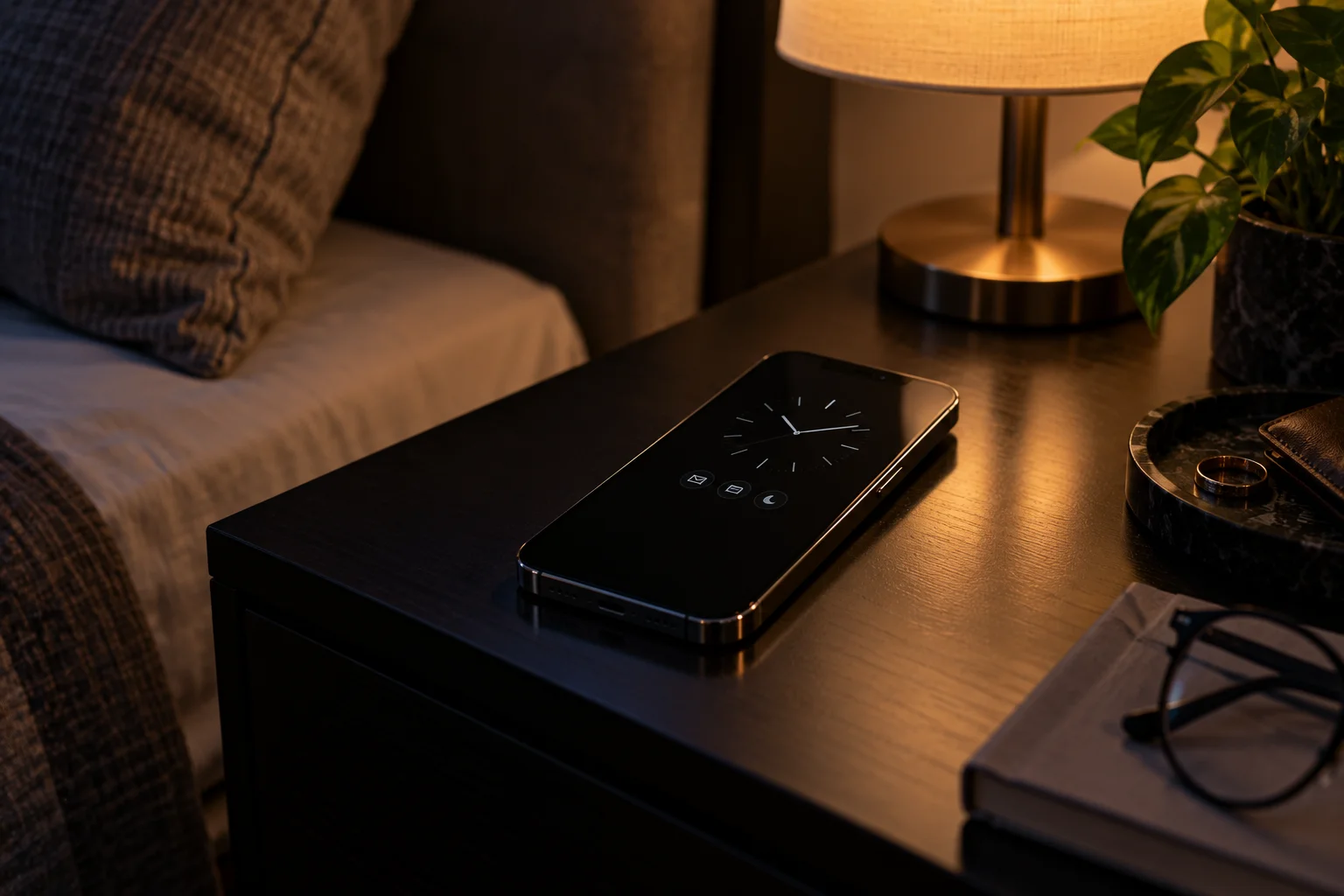
Reducing the refresh rate dramatically lowers unnecessary display-driving activity.
Apple's current iPhone 17, for instance, supports an Always-On display and can adjust the refresh rate down to 1Hz when the display is not actively changing.
This doesn't mean the entire phone suddenly consumes almost no power. The display still has to illuminate pixels, and other hardware remains active.
But the display isn't doing unnecessary high-frequency updates.
Is LTPO Worth Paying More for in a Smartphone?
If you're buying a premium smartphone, LTPO is a useful feature, especially if battery life, 120Hz smoothness and an always-on display are all important to you.
But don't buy a phone solely because the specification says "LTPO."
Look at the complete implementation.
A good display should combine:
High maximum refresh rate
Very low minimum refresh rate
Effective automatic switching
Good OLED efficiency
High outdoor brightness without excessive power consumption
Good software optimization
Reasonable battery capacity
A phone with a badly optimized LTPO panel may not deliver the same practical advantage as another phone with a better-tuned implementation.
LTPO vs Standard OLED: Which Display Should You Choose?
For most premium smartphone buyers, LTPO OLED is the more versatile option, while standard OLED can still be perfectly adequate if battery efficiency and adaptive refresh aren't major priorities.
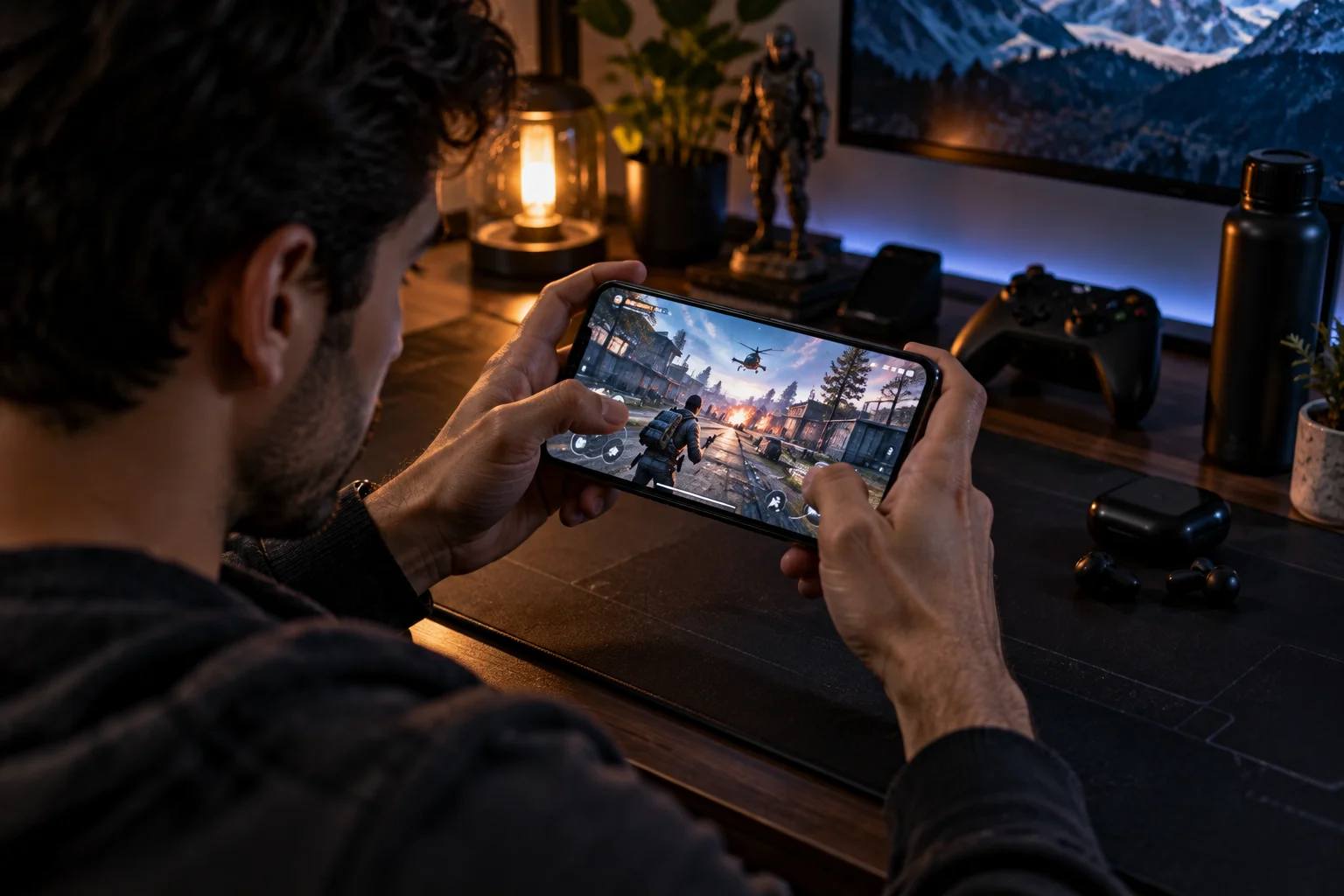
Choose LTPO OLED if you:
Want 120Hz without running at 120Hz constantly
Use an always-on display
Spend a lot of time reading or browsing
Care about battery efficiency
Want smoother scrolling
Play games but also want efficient everyday use
Are buying a flagship expected to last several years
Standard OLED can make sense if you:
Mainly use 60Hz
Don't care about adaptive refresh
Want to reduce the cost of the phone
Don't use always-on display features
Are buying a mid-range phone where other specifications matter more
The Bottom Line: Does Variable Refresh Rate Actually Improve Battery Life?
Yes, variable refresh rate can make a meaningful difference to battery efficiency, but LTPO should be viewed as an efficiency tool rather than a battery-life guarantee.
The key idea is simple:
High refresh rates consume more power, but you don't need high refresh rates for everything you do on a phone.
LTPO makes it easier for the display to operate at 120Hz when you're scrolling or gaming, then drop dramatically when you're reading, viewing a static image or using an always-on display.
Samsung Display's research and commercial implementations demonstrate the potential for substantial reductions in display operating power, while Apple explicitly identifies frame rate as one factor affecting display power consumption.
So if you're comparing two otherwise similar smartphones, LTPO is a genuinely useful specification to have.
Just don't confuse "LTPO" with "longer battery life."
Battery capacity, brightness, processor efficiency, modem behavior, software optimization, cellular signal and your own usage habits can have just as much influence on how long the phone lasts. Apple, for example, notes that actual battery life varies with usage, configuration, network conditions and signal strength.
FAQs
Does LTPO OLED save more battery than standard OLED?
It can, particularly when the display frequently drops to low refresh rates. The exact benefit depends on the panel and software implementation.
Is LTPO better than 120Hz OLED?
LTPO and 120Hz describe different things. LTPO can enable a 120Hz display to dynamically reduce its refresh rate when 120Hz isn't necessary.
Does LTPO mean 1Hz refresh rate?
Not always. Different phones have different minimum refresh rates. Some LTPO implementations can reach 1Hz, while others have higher minimums.
Does 120Hz drain more battery than 60Hz?
Generally, yes. Higher refresh rates require more display-driving activity, although the actual difference varies by phone and panel.
Is LTPO important for gaming?
It can be. LTPO allows a phone to use high refresh rates during supported games while reducing the refresh rate during less demanding activities.
Is LTPO worth it on a phone?
For a premium phone, it's a useful feature because it combines high-refresh smoothness with the ability to reduce refresh rate during low-motion content. It is less important if you're satisfied with a conventional 60Hz experience.