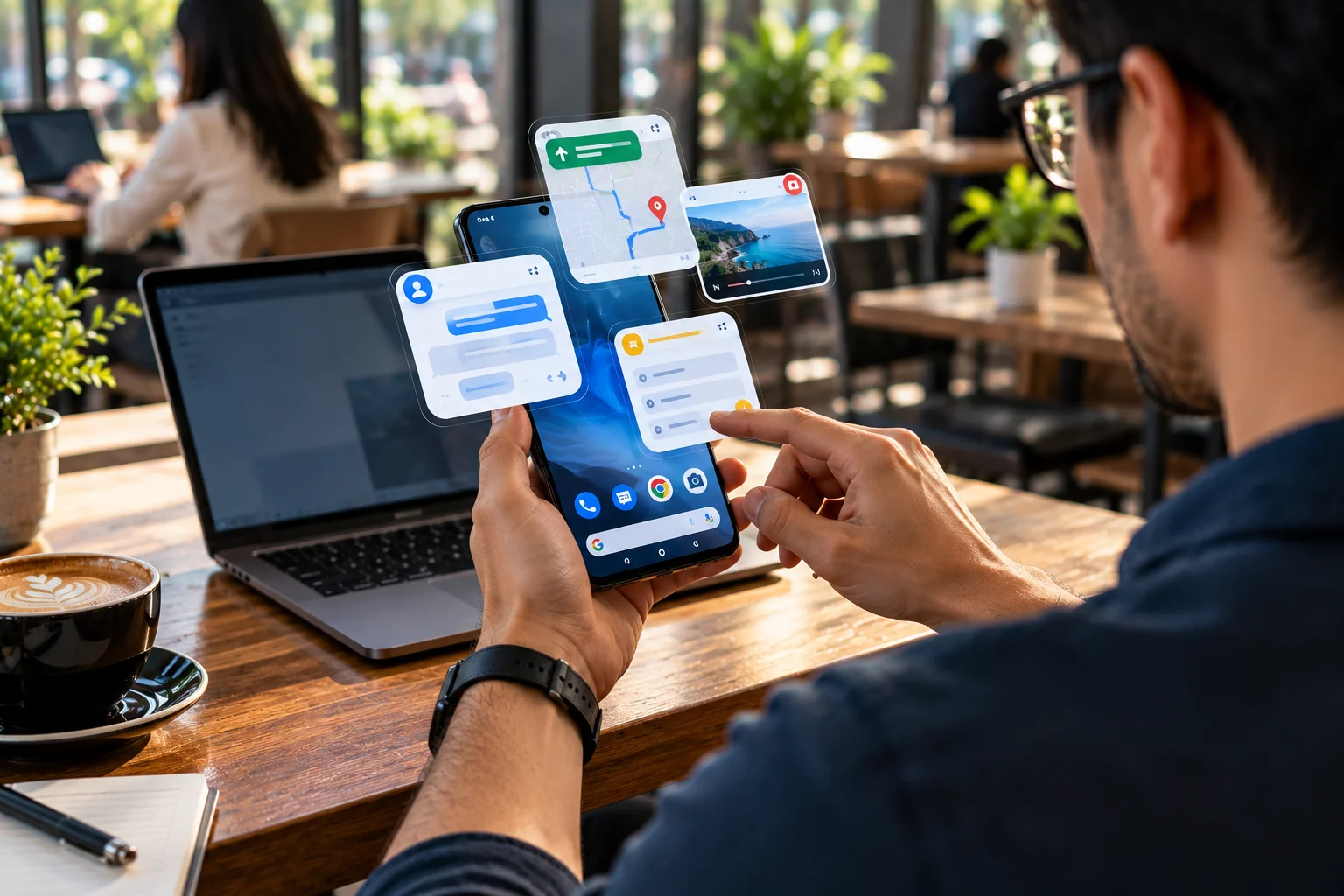
Android 17 is Google's latest major Android release, bringing improvements to multitasking, gaming, privacy, security, accessibility and content creation. The update began rolling out to Pixel devices in June 2026, with other eligible Android phones expected to receive their manufacturer-specific versions throughout the year.
Some of the biggest changes include floating Bubbles for multitasking, Screen Reactions for recording your screen and selfie camera together, improved foldable gaming, tighter theft protection, temporary precise-location sharing and stronger safeguards against malicious apps and network threats. Android 17 also introduces app memory limits designed to prevent individual apps from consuming excessive RAM.
Google Pixel phones get Android 17 directly, while brands such as Samsung deliver the underlying Android update through their own interfaces. Samsung's Android 17 version is One UI 9, which is already available on its newest Galaxy devices and is expanding to additional models.
If you're wondering whether your phone will get Android 17, the answer depends mainly on its model, release date and the manufacturer's software-support policy.
What is new in Android 17?
Android 17 focuses on practical improvements rather than completely redesigning Android. The most noticeable additions are better multitasking, creator tools, foldable gaming features, privacy controls and stronger protection against theft and malicious software.
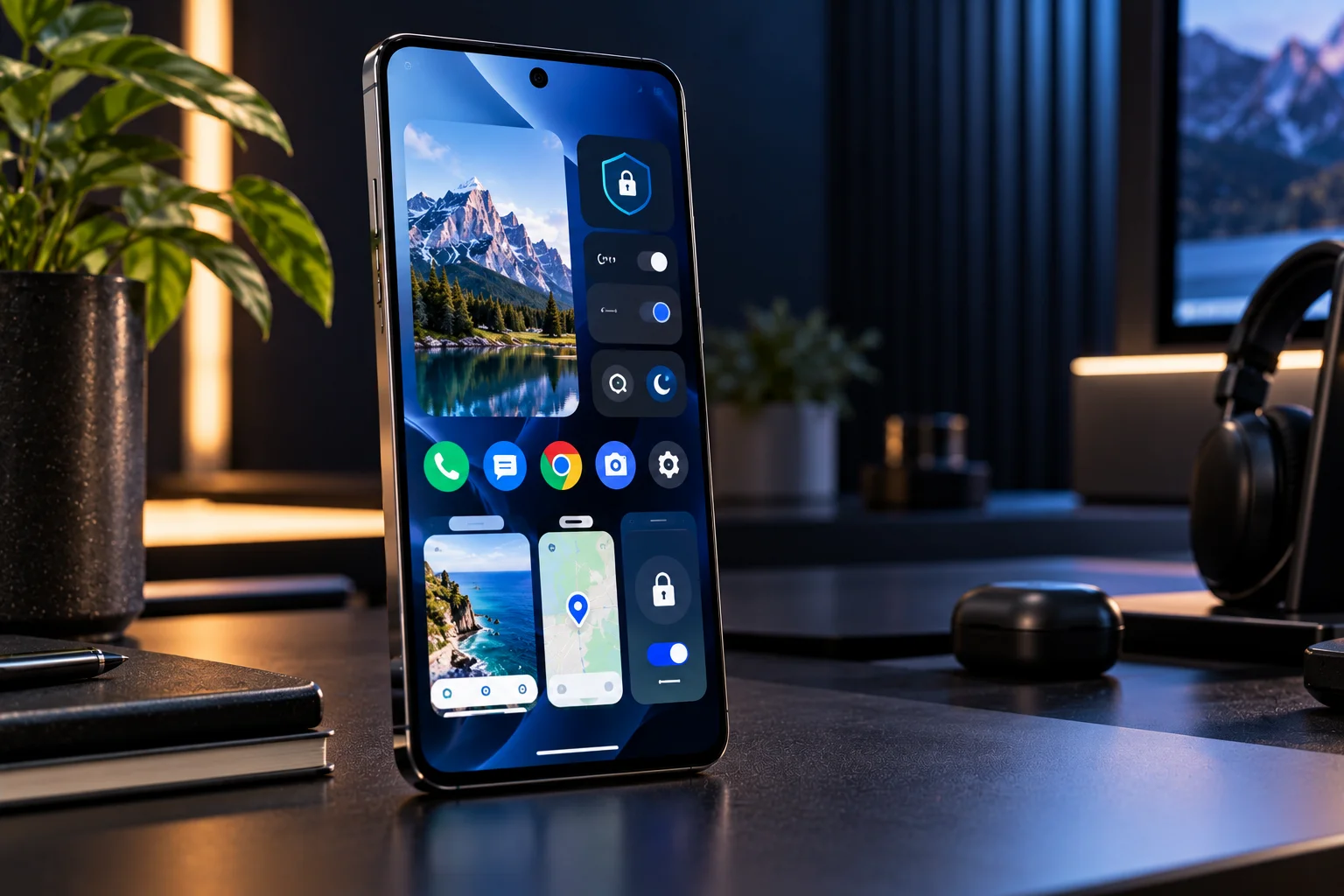
The interesting part is how many of these changes address things people actually do with their phones.
For example, Bubbles lets you turn an app into a compact floating window. On a large-screen device, those bubbles can sit in a dedicated bar, making it easier to jump between apps without constantly going back to the home screen.
That's particularly useful when you're working from your phone. You might keep a browser open while checking a message, reference a map while writing something or watch a tutorial while following the instructions elsewhere.
Android 17 also improves the experience for people who create content directly on their phones.
How does Android 17 improve screen recording?
Screen Reactions lets you record your screen and your selfie camera at the same time, making reaction videos, tutorials and commentary easier to create.
Instead of recording your screen first and then editing yourself into the footage, Android 17 brings the two together during recording.
For casual creators, that's a small change that could save quite a bit of editing time.
Does Android 17 improve gaming and foldable phones?
Yes. Android 17 introduces a dedicated foldable gaming mode with a 50/50 layout, while also improving memory management to reduce frame drops and stuttering during demanding games.
On compatible foldables, the game can occupy the upper portion of the display while a dynamic gamepad appears underneath.
It makes sense for foldable phones because their larger screens have often been wasted by simply stretching a conventional phone interface across the display.
Android 17 also introduces more efficient memory cleanup for high-definition gaming. Google says the operating system's new app memory limits are designed to prevent individual apps from using too much RAM, which can help overall performance and battery efficiency.
What security and privacy features does Android 17 add?
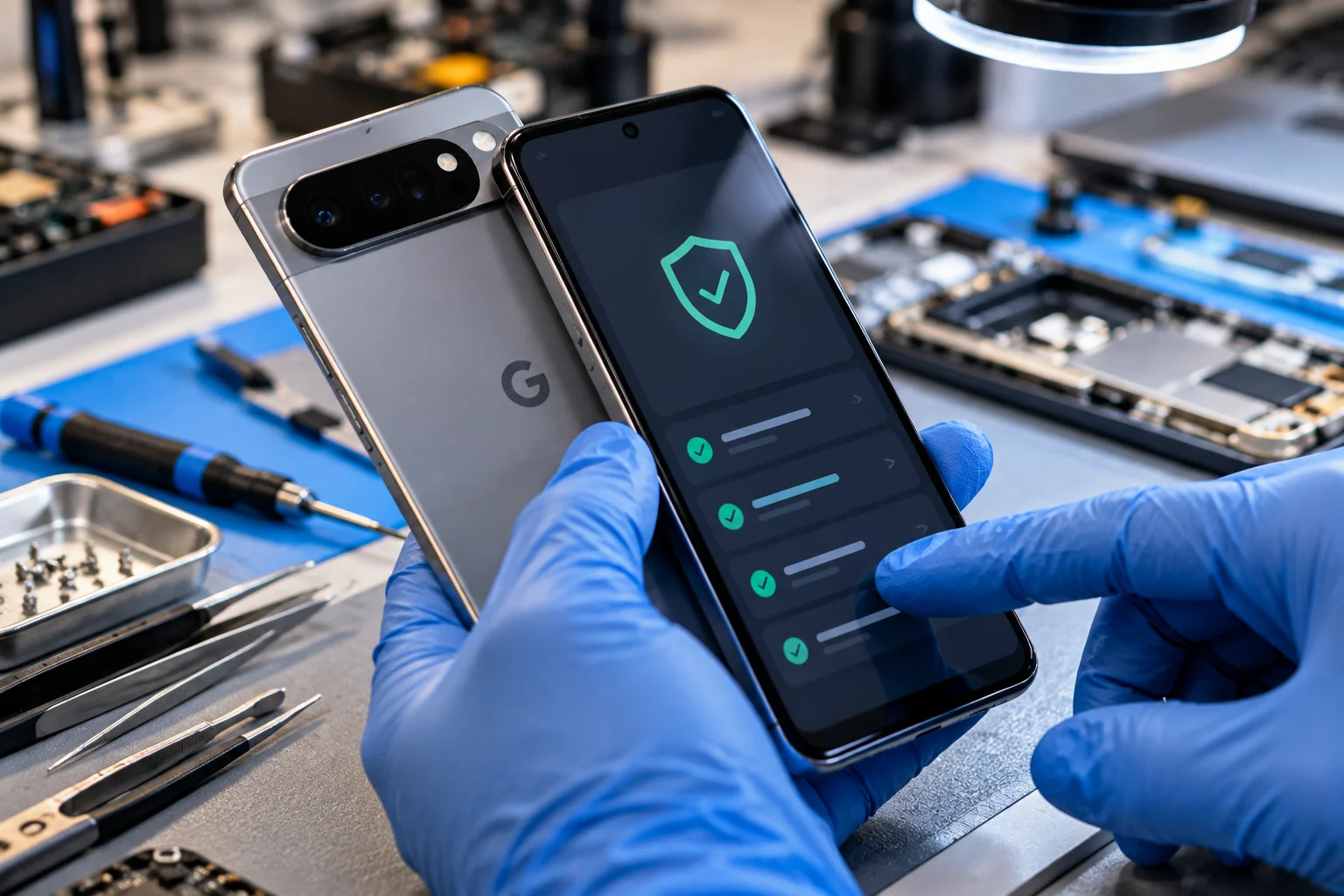
Android 17 adds stronger theft protection, more controlled location sharing, additional safeguards against malicious apps and tighter protection against repeated PIN-guessing attempts.
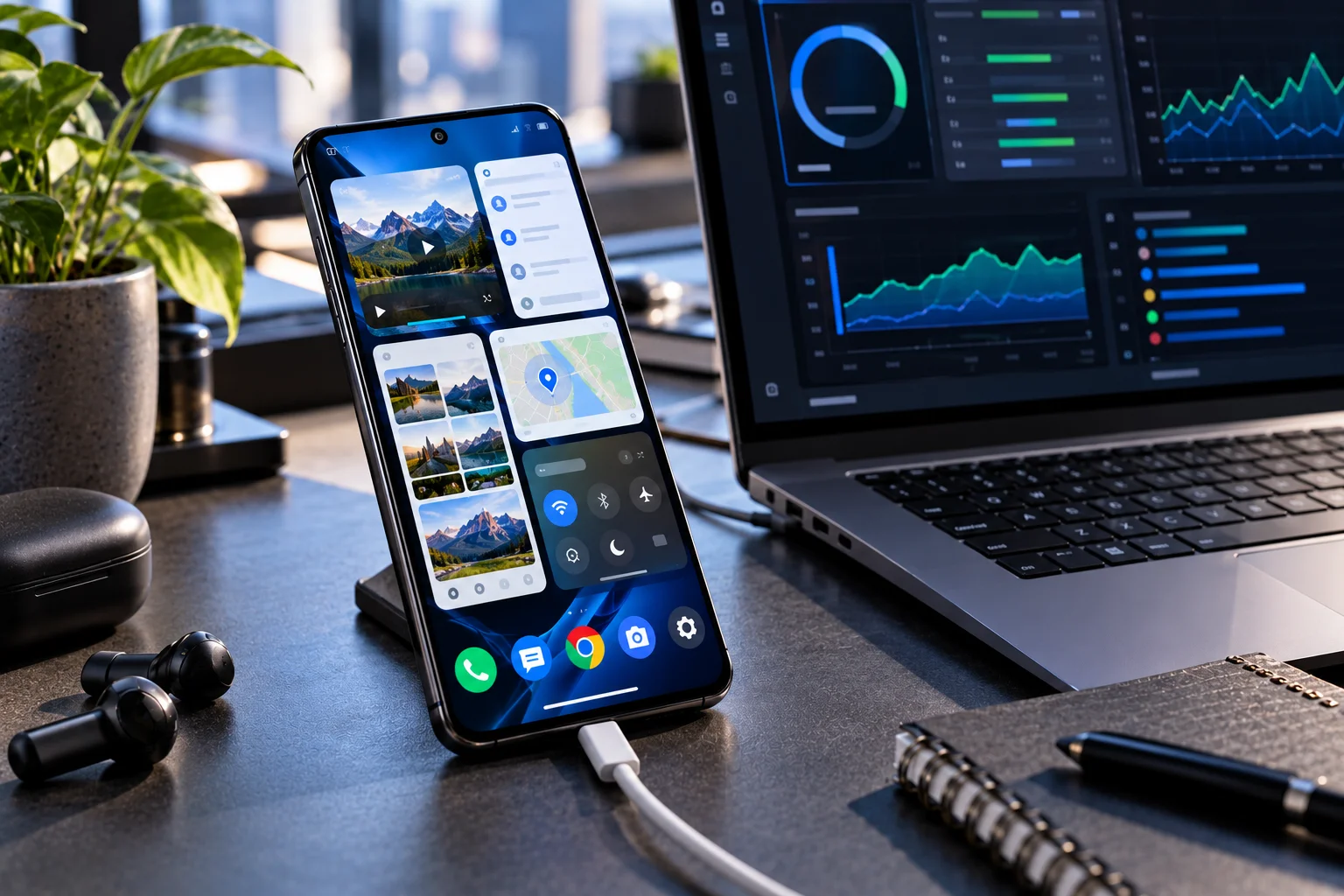
One particularly useful change is temporary precise-location access.
Instead of giving an app ongoing access to your precise location, Android 17 can let you share that information temporarily for a specific task while the app is being used. Google gives everyday examples such as finding a nearby cafe.
The theft protections are more substantial.
Android 17 reduces the number of times someone can attempt to guess a device PIN or password and increases the waiting period between failed attempts. Google has also enhanced the Mark as lost feature so that supported devices can be locked using biometric authentication, even if someone knows the device's passcode.
Google is also adding Android OS verification, initially on Pixel devices, to help users identify whether their phone is running an official Android build.
These aren't flashy features, but they're the sort of changes you appreciate most when something actually goes wrong.
Which Google Pixel phones are getting Android 17?
Google's Android 17 documentation confirms support across a broad range of Pixel devices, including Pixel 6-series phones and newer models, as well as the Pixel Tablet and Pixel Fold.
The confirmed Pixel devices listed by Google's Android documentation include:
Pixel device | Android 17 status |
|---|---|
Pixel 6 / 6 Pro / 6a | Eligible |
Pixel 7 / 7 Pro / 7a | Eligible |
Pixel 8 / 8 Pro / 8a | Eligible |
Pixel 9 / 9 Pro / 9 Pro XL / 9a | Eligible |
Pixel 9 Pro Fold | Eligible |
Pixel 10 series | Eligible |
Pixel 10 Pro Fold | Eligible |
Pixel 10a | Eligible |
Pixel Fold | Eligible |
Pixel Tablet | Eligible |
Google's QPR documentation also lists newer Pixel 11 devices among hardware validated for Android 17 QPR2 builds, showing that Android 17's development is continuing beyond the initial release.
One thing to remember: getting Android 17 doesn't necessarily mean every new feature will appear on every Pixel. Some features depend on hardware, region, Google services or the specific device.
Which Samsung Galaxy phones are getting Android 17?
Samsung's Android 17 update comes through One UI 9. Samsung has confirmed One UI 9 on its newest Galaxy foldables and says the update will expand to additional Galaxy devices.
The Galaxy Z Fold8 Ultra, Z Fold8 and Z Flip8 are among the first Samsung phones to receive One UI 9. Samsung describes One UI 9 as its latest interface and says it brings redesigned navigation, improved layouts, enhanced Galaxy AI and additional privacy and security features.
For older Galaxy models, the situation is a little less straightforward.
Samsung has not published one universal Android 17 compatibility list covering every Galaxy phone in a single official document. So it's safer not to treat internet-generated "complete lists" as final confirmation.
Samsung's own One UI 9 page says the rollout will expand to additional Galaxy devices and recommends checking the Samsung Members app for compatibility and release information.
That distinction matters because eligibility and availability aren't the same thing. A phone can be eligible for Android 17 but receive the update later depending on region, carrier and Samsung's rollout schedule.
When will other Android phones get Android 17?
Other manufacturers are expected to deliver Android 17 through their own software interfaces, but rollout timing varies significantly by brand, model, country and carrier.
This is where Android differs from iOS.
Google can release Android 17, but Samsung, OnePlus, Motorola, Xiaomi and other manufacturers still need to adapt the operating system to their own phones and interfaces.
Samsung uses One UI 9, for example. Other manufacturers will have their own versions and release schedules.
So if you own a non-Pixel Android phone, don't assume that seeing Android 17 released means the update should already be available on your handset.
Check Settings > System > Software Update on most Android phones. On Samsung Galaxy devices, Samsung recommends going to Settings > Software update > Download and install.
Should you upgrade to Android 17?
If your phone officially supports Android 17, installing the update is generally worthwhile for the new security protections, privacy controls and system improvements, even if you don't immediately use the headline features.
The biggest changes aren't necessarily visual.
Better theft protection, more granular location permissions and stronger protection against malicious software can make a meaningful difference during everyday use. Creator features and multitasking improvements are more noticeable if you regularly record content or work across several apps.
And if you own a foldable, Android 17's gaming and multitasking improvements may be considerably more relevant than they are on a conventional smartphone.
If the update hasn't appeared yet, there's usually no reason to panic. Android updates are rolled out in stages, and manufacturers can have different schedules for different models and markets.
The bottom line on Android 17
Android 17 is a practical upgrade built around multitasking, security, privacy, gaming and smarter phone use rather than a dramatic visual overhaul. Pixel users get Google's Android experience first, while Samsung and other manufacturers adapt the platform for their own devices.
The most useful additions include floating app Bubbles, Screen Reactions, improved foldable gaming, stronger theft protection, temporary precise-location access and additional security safeguards.
If you're buying a new Android phone in the US or UK, software-support commitments are worth checking alongside the camera, processor and battery specifications. A phone that receives several generations of Android updates can remain useful for considerably longer than one that stops receiving major OS upgrades after only a couple of years.
And if you already own a compatible phone, check its software-update page. Android 17 may already be waiting for you, or it may simply be working its way through the manufacturer's rollout schedule.