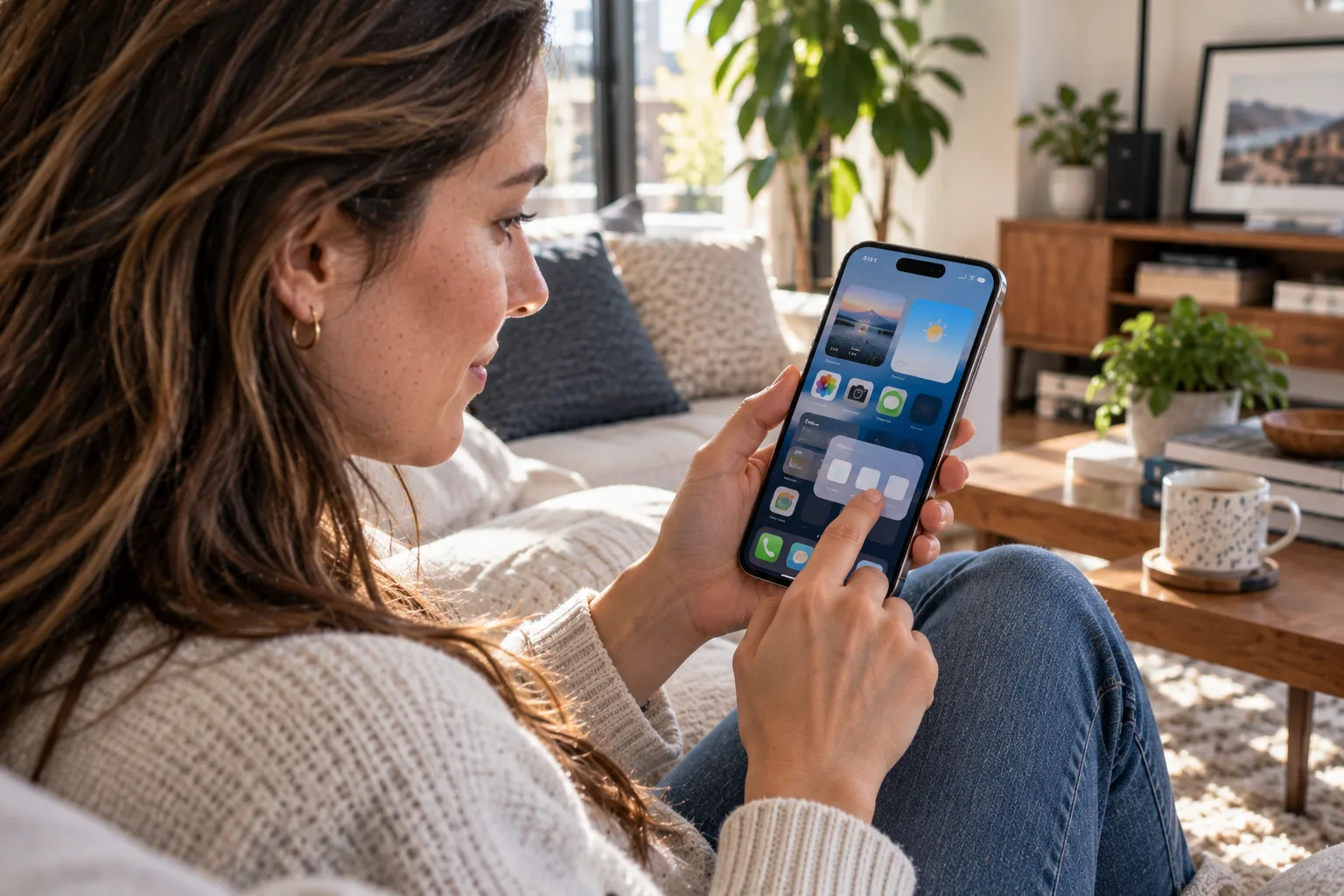
Android 17 and iOS 27 represent two different approaches to the next generation of smartphone software. Google is pushing Android toward greater multitasking, device flexibility, proactive AI and stronger security controls, while Apple is putting Apple Intelligence, Siri AI, visual understanding and deeper system integration at the centre of iOS 27. Both updates also add more customization and privacy controls, but they approach those areas differently.
Android 17 introduces features such as Bubbles, Screen Reactions, foldable gaming, temporary precise-location access, enhanced theft protection, Live Threat Detection and app memory limits. Google's Gemini Intelligence is also expanding across supported Android devices.
iOS 27 brings Siri AI, Visual Intelligence, AI-powered photo editing, smarter Safari, natural-language Shortcuts, Call Context, larger widgets, expanded parental controls and customizable Liquid Glass. Some of Apple's most advanced AI features require an Apple Intelligence-compatible iPhone and availability varies by language and region.
The biggest difference is philosophical: Android 17 is giving users more ways to interact with and manage their devices, while iOS 27 is making the iPhone more context-aware and AI-driven.
What are the biggest differences between Android 17 and iOS 27?
Android 17 emphasizes multitasking, flexibility, security and foldable-device experiences, while iOS 27 puts more emphasis on AI-powered assistance, visual intelligence, photography and system-wide integration.
Feature | Android 17 | iOS 27 |
|---|---|---|
Main focus | Multitasking, security and device flexibility | AI, Siri and system integration |
AI assistant | Gemini / Gemini Intelligence | Siri AI + Apple Intelligence |
Multitasking | Bubbles and large-screen features | Traditional app switching |
AI vision | Gemini-powered capabilities | Visual Intelligence |
Foldables | Dedicated gaming mode | iPhone Duo-specific software |
Photo AI | Google AI features vary by device | Reframe, Extend and Clean Up |
Privacy | Temporary precise location, selected contacts | App and family privacy controls |
Theft protection | Enhanced Mark as lost and theft protection | Find My and existing iPhone security |
Customization | Expanded dark theme and Home Screen options | Liquid Glass controls and larger widgets |
Automation | Android app ecosystem and Gemini | AI-powered Shortcuts |
Neither operating system is simply copying the other.
They're moving in noticeably different directions.
How do Android 17 and iOS 27 compare on AI?
Both updates make AI a central part of the smartphone experience, but Google leans toward proactive Gemini-powered assistance while Apple focuses on personal context, onscreen understanding and actions through Siri AI.
Android 17 is part of Google's broader Gemini strategy. Google says selected advanced Android devices will receive Gemini Intelligence, designed to help users work proactively across their day.
Apple's approach is more deeply woven into the operating system itself.
Siri AI can understand personal context, answer questions about what's on screen and take actions across apps. Apple has also integrated Visual Intelligence into the Camera, allowing users to ask questions about what they're looking at.
That's an important distinction.
On Android, Google's AI strategy benefits from the enormous range of services and devices surrounding Gemini. On iPhone, Apple is trying to make AI feel like another layer of the operating system.
And Siri AI is still in beta, so Apple's implementation is very much a work in progress.
Which has better multitasking, Android 17 or iOS 27?
Android 17 offers more explicit multitasking tools, particularly through Bubbles and its large-screen features, while iOS 27 remains more focused on its traditional app-based workflow.
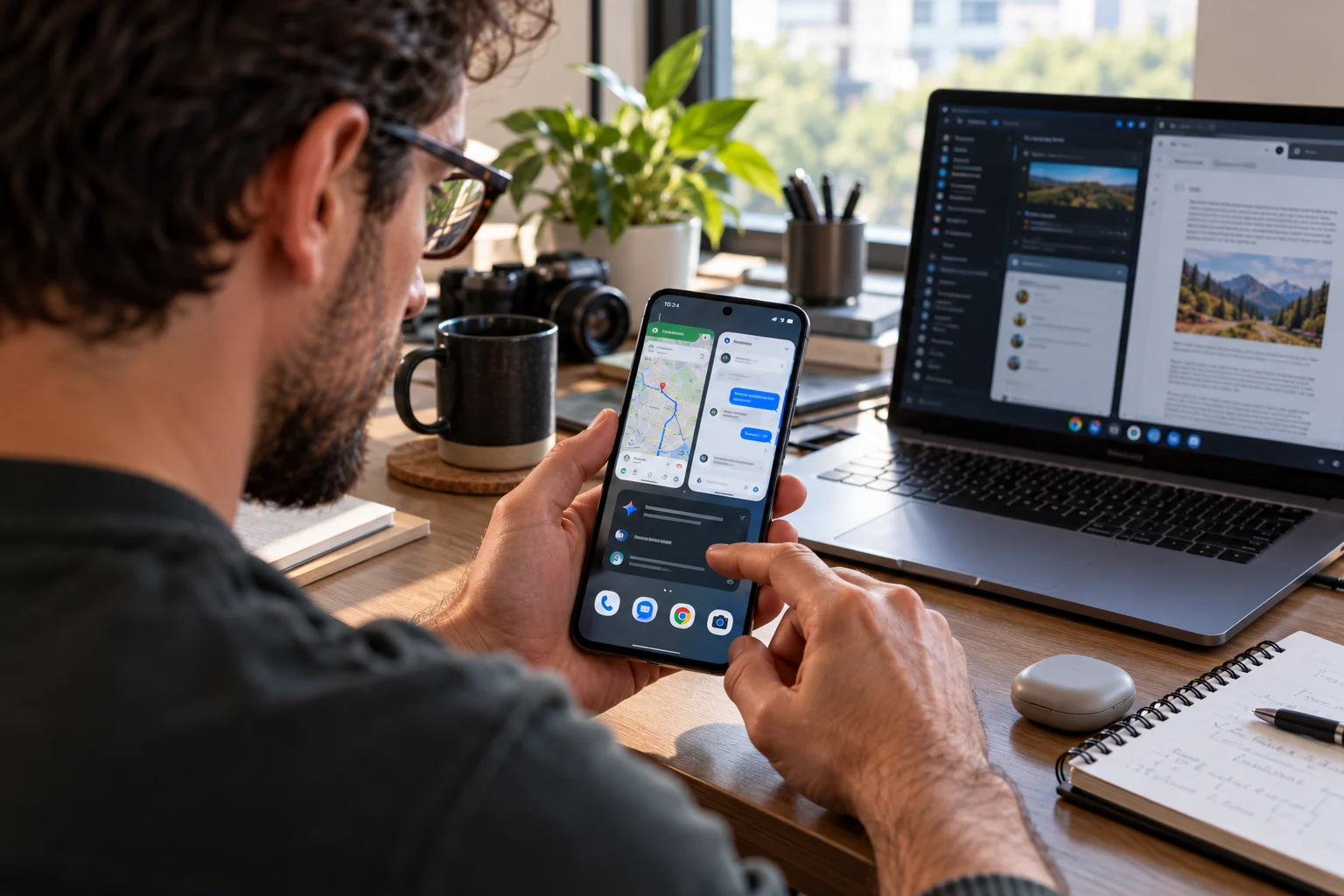
Android 17's Bubbles allow an app to become a floating window that remains available over other apps. On larger displays, Google places bubbles in a dedicated bar, allowing users to switch between them quickly.
Think about checking a map while planning a trip or keeping a messaging conversation available while browsing.
That's where Android's approach can feel very practical.
iOS 27 doesn't introduce an equivalent general-purpose floating-app system. Instead, Apple is improving workflows through features such as Siri AI and Shortcuts.
Apple's Shortcuts update is actually quite significant. Users can now describe a shortcut using natural language, while the Use Model action can use enhanced Apple Intelligence models and current web information.
So the two platforms are solving productivity in different ways.
Which operating system has better AI photo and camera features?
iOS 27 has a particularly deep set of system-integrated AI photo tools, while Android 17 combines AI with Google's broader camera, search and assistant ecosystem.
Apple's iOS 27 Photos app includes AI-powered Reframe, Extend and Clean Up tools. Visual Intelligence can also analyse what's in front of the camera and help users search, ask questions or take actions based on what they see.
Apple has pushed this further into everyday tasks.
For example, Visual Intelligence can help with things such as identifying information, understanding objects and acting on information displayed on screen.
Android's strength is the breadth of Google's AI ecosystem.
Google is bringing Gemini deeper into Android while continuing to build AI-powered capabilities around search, photography and device assistance.
The experience can also vary considerably between manufacturers. A Pixel running Android 17 isn't necessarily identical to a Samsung Galaxy running its own Android-based software.
How do Android 17 and iOS 27 compare on privacy?
Both platforms add more granular privacy controls, but Android 17 focuses heavily on limiting access to sensitive information, while iOS 27 combines privacy with Apple's broader app-permission and family-safety systems.
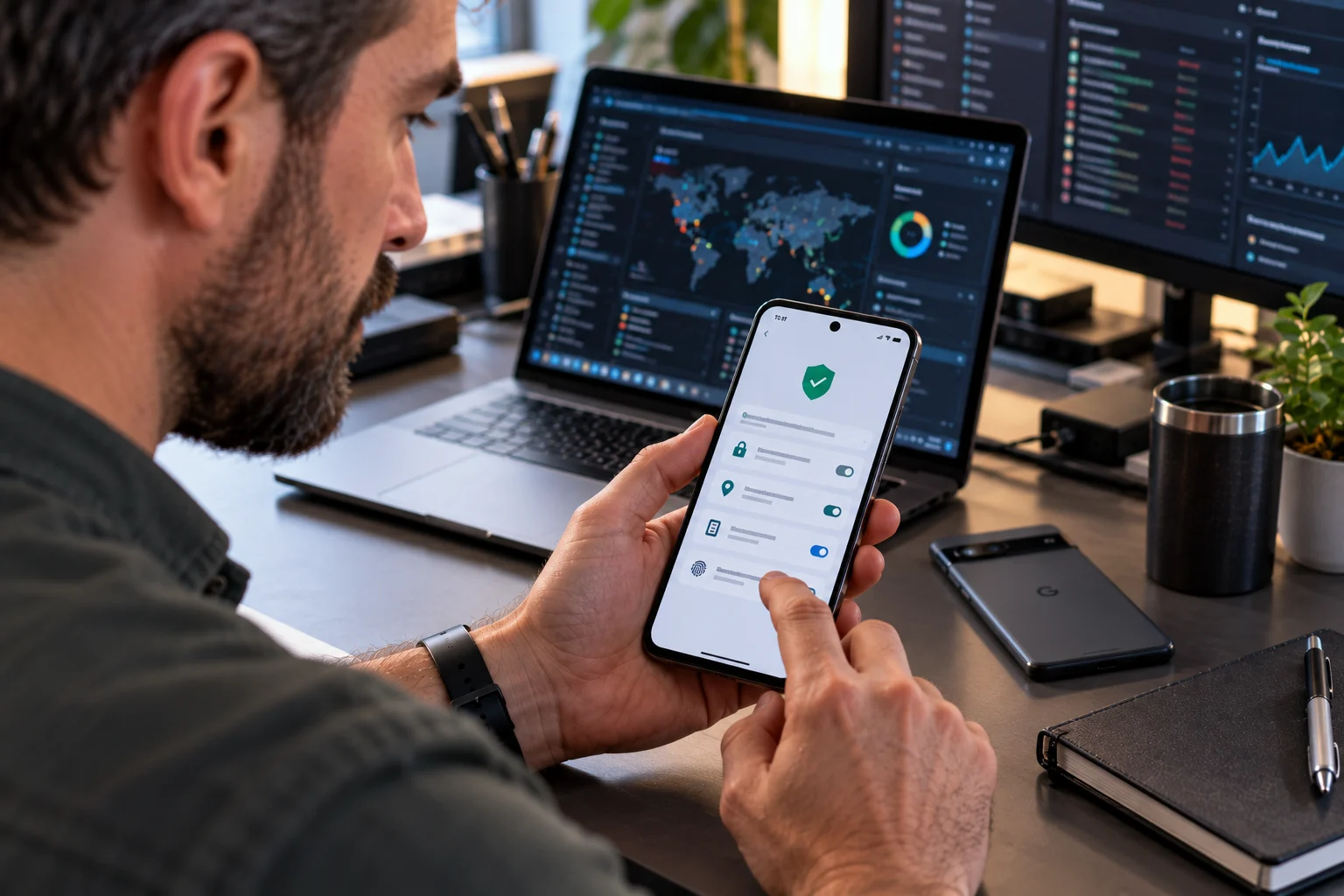
Android 17 lets users give an app temporary access to precise location rather than allowing continuing access. It can also let users share selected contacts instead of giving an app access to the entire address book.
Apple takes a different approach with iOS 27.
Its privacy-related additions are closely connected to Apple Intelligence, parental controls and app-level permissions. Apple also says some Apple Intelligence processing relies on server-side models with usage limits and different availability depending on language and region.
For families, iOS 27 adds expanded controls such as Ask to Browse, app restrictions and additional Communication Safety protections.
So privacy isn't just about one feature in either operating system.
It's built into different parts of the experience.
Which has stronger theft and security protection?
Android 17 adds several notable theft and malware protections, while iOS continues to build on Apple's established device-security and Find My ecosystem.
Google has made theft protection a major part of Android 17.
Its enhanced Mark as lost feature can require biometric authentication to unlock a lost phone, even if someone knows the device PIN. Google has also reduced the number of failed PIN attempts and increased waiting periods.
Android 17 also expands Live Threat Detection and Advanced Protection, while adding measures such as stronger OTP protection and Android OS verification.
Apple's iOS 27 security story is less concentrated around a new headline theft feature. Instead, Apple continues to combine hardware security, Find My, Activation Lock, app permissions and its controlled software ecosystem.
One thing worth remembering is that security features can vary according to device and manufacturer on Android, whereas Apple controls both the iPhone hardware and iOS software.
Which is better for foldable phones?
Android 17 currently has a broader foldable strategy, while Apple's iOS 27 is introducing software specifically for the new iPhone Duo.
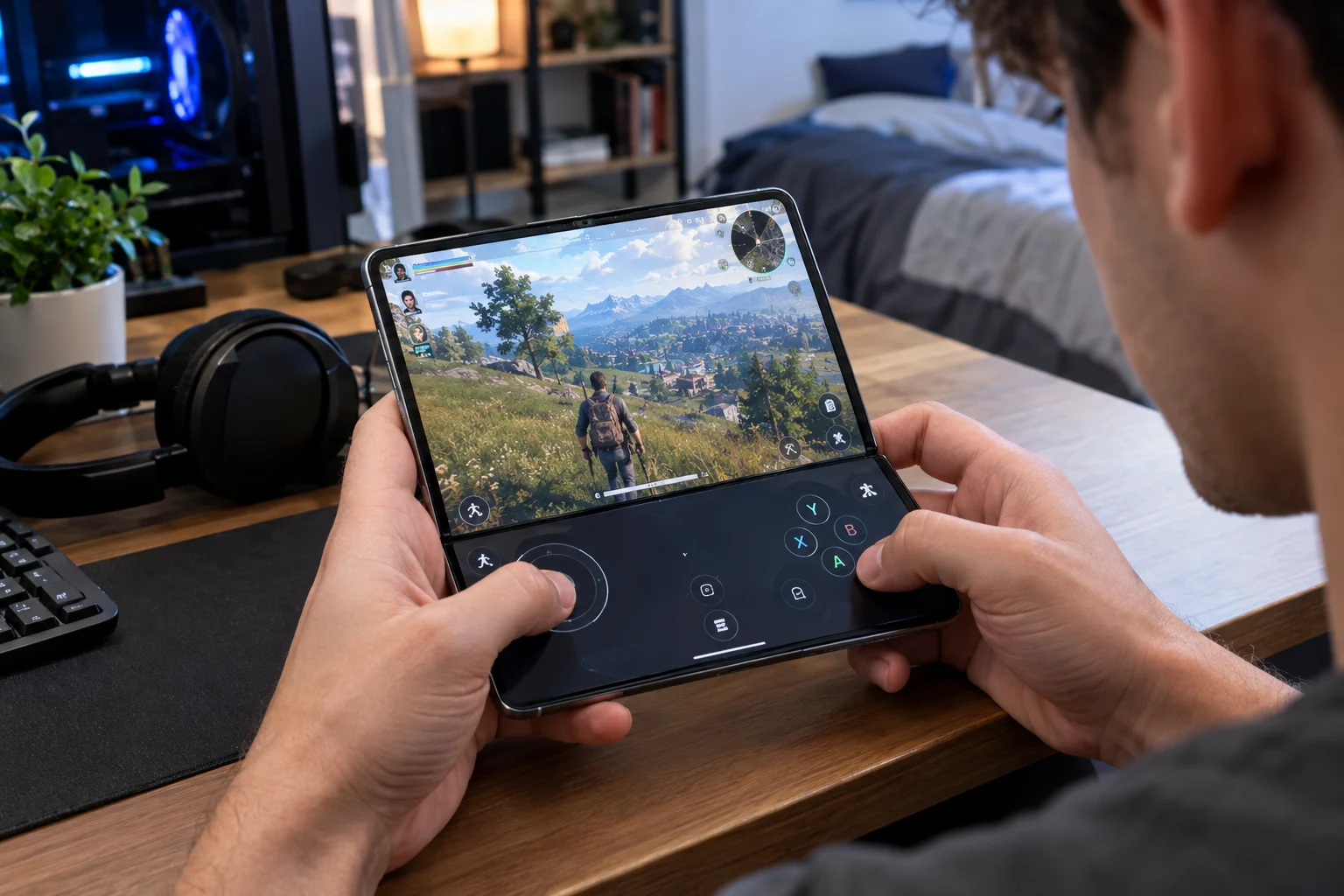
Google has designed Android 17's foldable gaming mode around a 50/50 layout, putting the game above a dynamic gamepad and using the larger display more effectively.
That's part of a larger advantage Android has had for years: there are already multiple foldable form factors from manufacturers such as Samsung, Google and Motorola.
Apple is entering the category with the iPhone Duo, meaning iOS 27's foldable experience is much more tightly connected to Apple's own hardware.
That could make Apple's software experience highly controlled, while Android remains the more varied platform.
How do Android 17 and iOS 27 compare for customization?
Android 17 continues to offer a more flexible overall device experience, while iOS 27 gives iPhone users more visual customization than earlier iOS releases.
Android users can customize many aspects of the interface depending on the phone manufacturer. Android 17 itself adds options such as hiding app names from the Home Screen and expanding dark-theme controls.
Apple has been gradually opening up iOS.
In iOS 27, users can adjust the appearance of Liquid Glass using a slider that ranges from a more transparent appearance to a more tinted one. Apple has also introduced extra-large widgets.
It's still a different philosophy.
Android generally gives manufacturers and users more room to change the interface.
Apple gives users more control while keeping the overall iOS design language tightly controlled.
Which has better automation features?
iOS 27 has a particularly strong advantage in system-level automation through Shortcuts, while Android's approach benefits from Gemini, Google services and the flexibility of the wider Android ecosystem.
Apple has substantially upgraded Shortcuts.
Users can create shortcuts from natural-language descriptions, use Apple Intelligence models, retrieve current information from the web and build more sophisticated automations.
This is one of those features that doesn't make for a flashy launch presentation but can become incredibly useful once you start building workflows around it.
Android has traditionally offered more freedom through third-party automation tools and manufacturer features, while Google's newer Gemini strategy adds another layer of AI-powered assistance.
The difference is less about whether automation exists and more about how much of it is integrated directly into the operating system.
Which update has changed the phone experience more?
Android 17 makes more visible changes to how users multitask and manage their devices, while iOS 27 potentially changes more of how users interact with the iPhone through AI.
Android's most noticeable changes include Bubbles, foldable gaming, security controls and memory management.
iOS 27's biggest shift is Siri AI.
Apple has moved Siri toward a conversational assistant that can understand personal context, see what's on screen and interact with apps. Visual Intelligence extends that idea to the camera and screenshots.
This means the two updates can feel quite different even though both are adding AI.
Android 17 often feels like Android becoming more capable.
iOS 27 feels more like the iPhone becoming more context-aware.
Android 17 vs iOS 27: What should you know before choosing between them?
The biggest difference isn't simply the feature list. It's the philosophy behind each platform: Android 17 emphasizes flexibility, multitasking, device variety and security, while iOS 27 emphasizes AI integration, personal context, controlled customization and Apple's ecosystem.
If you already own an Android phone, Android 17 adds several useful improvements without requiring you to change how you use the platform. Pixel users also get Google's Android experience directly, while other manufacturers can adapt the software for their own hardware.
If you're already invested in Apple devices, iOS 27's deeper integration with Siri AI, Photos, Shortcuts, FaceTime and other Apple services makes the update part of a much broader ecosystem.
There is also a hardware factor that shouldn't be ignored.
Android 17 runs across phones with dramatically different designs, from conventional smartphones to foldables. iOS 27 is tightly optimized for Apple's comparatively controlled iPhone lineup.
That difference has always shaped the two platforms.
Android 17 vs iOS 27: The key differences at a glance

Category | Android 17 | iOS 27 |
|---|---|---|
AI | Gemini and Gemini Intelligence | Siri AI and Apple Intelligence |
Multitasking | Floating Bubbles | App switching + AI/Shortcuts |
Visual AI | Google ecosystem | Visual Intelligence |
Photography | Google AI features vary by device | Reframe, Extend, Clean Up |
Foldables | Dedicated foldable features | iPhone Duo-specific experience |
Security | Advanced Protection, Live Threat Detection, theft controls | Hardware, software and Find My ecosystem |
Privacy | Temporary precise location, selected contacts | App permissions, Apple Intelligence privacy and family controls |
Customization | Broad, manufacturer-dependent | More Liquid Glass and widget controls |
Automation | Gemini + Android ecosystem | Advanced Shortcuts |
Device choice | Wide range of manufacturers | Apple iPhone only |
The bottom line on Android 17 vs iOS 27
Android 17 and iOS 27 aren't simply competing to offer the longest list of new features. They're moving mobile software in different directions.
Google is making Android more flexible, more useful across different device types and more aggressive about security and proactive AI. Bubbles and foldable gaming show Google's focus on how people interact with different screen sizes, while its theft and malware protections address increasingly common smartphone risks.
Apple is using iOS 27 to push AI much deeper into the iPhone experience. Siri AI, Visual Intelligence, AI-powered Photos, smarter Shortcuts and Call Context all point toward an iPhone that understands more about what you're doing and what information you need.
The result is a genuinely interesting split.
Android 17 is about flexibility and capability across a broad hardware ecosystem. iOS 27 is about intelligence and integration within a tightly controlled one.
If you're deciding between Android and iPhone, the most useful question isn't simply which operating system has more features. It's which approach fits the way you actually use your phone every day.