International travel has become increasingly connected. From checking maps and booking transportation to messaging family, accessing travel apps, making reservations, and working remotely, reliable mobile data can make a trip considerably easier.
For many travelers, an eSim can be a convenient alternative to buying a physical SIM card after landing in another country. Instead of visiting a store, replacing your existing SIM, or waiting for activation, an eSIM can allow a compatible device to connect to a supported mobile network using a digital SIM profile.
However, choosing an eSIM plan is not simply about finding the cheapest package.
Coverage, network partners, data allowances, activation rules, validity periods, supported countries, hotspot policies, device compatibility, and customer support can all affect the experience.
The best option depends on where you are traveling, how much data you use, how long you are staying, and what you expect your connection to do.
Here is what to check before buying an eSIM for international travel.
What Is an eSIM?
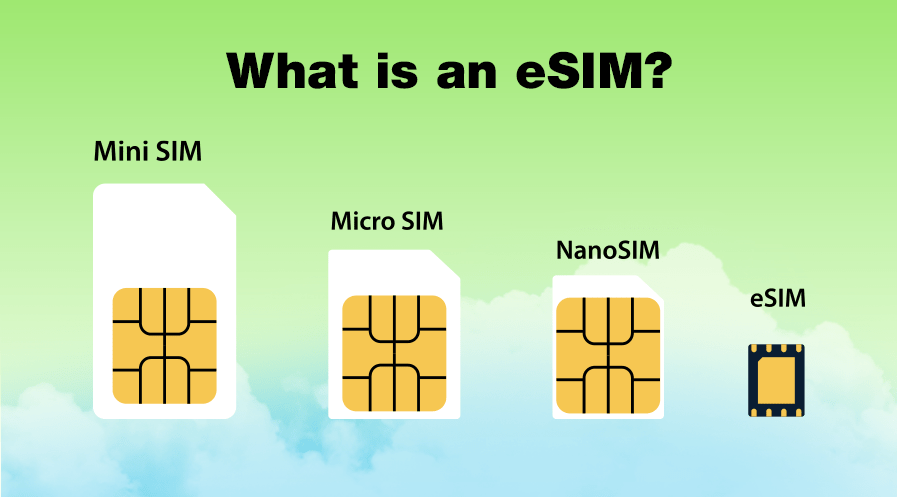
An eSIM is an embedded SIM that allows a compatible device to store and use a cellular subscription digitally.
Unlike a traditional physical SIM card, there is no small plastic card that needs to be inserted into the phone.
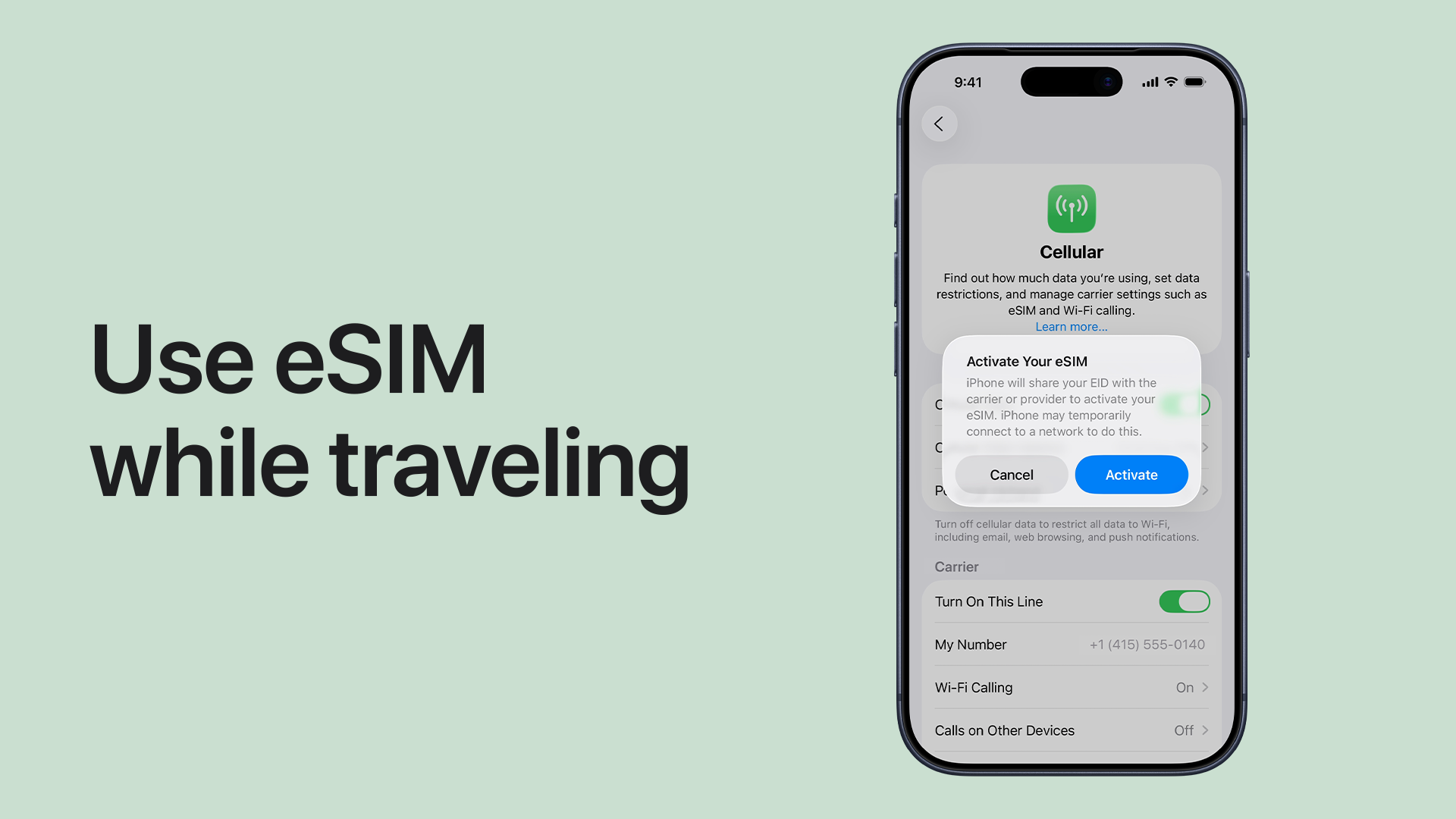
Depending on the provider and device, an eSIM profile may be installed by scanning a QR code, using an activation link, or following instructions through an application.
Once installed, the device can use the eSIM according to the plan's terms.
This can be particularly useful for international travel because travelers can potentially arrange connectivity before leaving home.
An eSIM does not automatically mean global coverage, however. The eSIM is simply the technology used to provision the mobile service. The actual coverage depends on the provider, its network partners, and the plan you purchase.
Why Use an eSIM While Traveling?
There are several reasons travelers choose eSIM services.
Convenience
You can often purchase and install a plan before reaching your destination.
No Physical SIM Card
There is no physical card to remove, store, or potentially lose.
Dual SIM Flexibility
Many modern smartphones allow an eSIM to operate alongside a physical SIM or another eSIM.
This can allow travelers to keep their primary number active while using a separate data plan abroad.
Multiple Destinations
Regional and global plans can be useful for trips that involve several countries.
Faster Setup
When everything is compatible and configured correctly, an eSIM can reduce the need to find a local SIM shop after arriving.
These benefits are especially useful for short trips, business travel, multi country itineraries, and travelers who want connectivity immediately after landing.
The First Thing to Check: Is Your Phone eSIM Compatible?
Before purchasing an eSIM, check your smartphone.
Not every phone supports eSIM technology, and support can vary by model and region.
Some devices have different versions depending on the country where they were sold.
Check the manufacturer's specifications and your phone's SIM settings.
You may see options such as adding an eSIM, adding a mobile plan, or adding a cellular plan.
Device compatibility is only the first step.
You should also check whether the phone is carrier unlocked.
A carrier locked device may restrict which mobile networks can be used, even when the hardware supports eSIM technology.
Check Whether the Phone Is Unlocked
An unlocked phone generally provides greater flexibility when using another carrier or travel eSIM.
This matters because many travel eSIM plans operate through networks that are different from your normal mobile provider.
If your phone is locked to a particular carrier, the travel eSIM may not work as expected.
Before traveling, verify the device's SIM lock status.
This is particularly important when using a phone purchased through a carrier installment plan or contract.
Check the Countries Included in the Plan
Never assume that a plan labeled "Europe," "Asia," or "Global" includes every country you intend to visit.
Read the provider's coverage list carefully.
A regional plan may cover dozens of destinations, but individual countries can have different network partners and service availability.
If your itinerary includes several countries, check every destination.
This is especially important for trips involving less commonly visited destinations, territories, islands, or border regions.
A few minutes spent checking the coverage list can prevent connectivity problems later.
Network Coverage Matters More Than the Brand Name
An eSIM provider does not necessarily operate its own cellular towers in every country.
Many travel eSIM services work through agreements with local mobile network operators.
This means the actual quality of your connection can depend on the local networks available through the plan.
Look for information about supported network operators and technologies.
If you are traveling to rural areas, islands, mountains, or remote destinations, coverage becomes even more important.
A plan that works well in major cities may provide a different experience outside urban areas.
Data Allowance: How Much Do You Really Need?

Choosing the right amount of data can be difficult.
Your requirements depend on how you use your phone.
Light users may primarily need maps, messaging, email, transportation apps, and occasional browsing.
Moderate users may add social media, music streaming, regular photo uploads, and video calls.
Heavy users may stream video, work remotely, upload large files, use hotspot connectivity, or frequently make video calls.
Usage Pattern | Typical Activities |
|---|---|
Light | Maps, messaging, email, browsing |
Moderate | Social media, music, photo uploads, video calls |
Heavy | Video streaming, hotspot use, remote work, large downloads |
There is no universal amount of data that works for everyone.
If you expect to rely entirely on mobile data, estimate your daily usage rather than choosing a plan based only on the lowest price.
Unlimited Data Does Not Always Mean Unlimited Speed
Some travel eSIM plans advertise unlimited data.
That sounds straightforward, but travelers should read the terms.
An unlimited plan may include a fair use policy, speed restrictions after a certain amount of usage, or limitations on hotspot data.
The provider may also define unlimited usage differently depending on the destination.
Before purchasing, check whether the plan has:
• High speed data limits
• Fair usage policies
• Speed reduction after a threshold
• Hotspot restrictions
• Video streaming limitations
• Daily or monthly usage rules
Understanding these conditions is more useful than focusing only on the word "unlimited."
Validity Period Is Another Important Detail
eSIM plans can have different validity periods.
Some may last a few days, while others remain active for several weeks or longer.
The important question is when the validity period begins.
For some plans, the countdown may start when the eSIM connects to a supported network. Other plans may have different activation rules.
If you install an eSIM several days before your trip, you do not want to accidentally use valuable validity time before reaching your destination.
Read the activation instructions carefully.
Does the eSIM Support Calls and Text Messages?
Not every travel eSIM is designed to provide a traditional phone number.
Many travel eSIM products are primarily data plans.
That means you may be able to use maps, messaging applications, email, social media, and internet based calling without receiving traditional cellular calls or SMS through the travel eSIM.
If you need regular voice calls or text messages, check the plan details carefully.
Some services may offer a local number, while others may provide data only.
Your existing SIM can sometimes remain active for calls and texts while the travel eSIM handles mobile data.
Hotspot and Tethering Support
Hotspot support can be extremely valuable for business travelers.
A phone with a suitable eSIM can potentially share its mobile connection with a laptop or tablet.
However, not every eSIM plan permits tethering.
If you expect to work from hotels, airports, trains, or other locations where Wi Fi may be unreliable, check the provider's hotspot policy before buying.
Also consider how much data your laptop consumes.
A computer can use significantly more data than a phone, especially when downloading updates, synchronizing cloud files, or streaming video.
5G Support Can Make a Difference
Some eSIM plans support 5G networks, while others may connect primarily through 4G LTE.
If speed matters to you, check whether the plan includes 5G and whether 5G is available through the provider's network partners in your destination.
However, 5G support alone does not guarantee a faster connection.
Actual performance depends on the local carrier, spectrum, coverage, congestion, phone compatibility, and network conditions.
For basic travel activities such as maps and messaging, a reliable 4G connection may already be sufficient.
For remote work, large downloads, high resolution streaming, or hotspot use, additional network capacity can be more useful.
Check Your Phone's 5G and Network Band Compatibility
Traveling internationally can expose compatibility differences that are less obvious at home.
Mobile operators in different countries use different frequency bands.
Your phone needs to support the relevant bands to take full advantage of the available network.
This is especially important for travelers using imported phones.
Check the exact model number of your device and compare its supported bands with the networks used at your destination.
A phone can support eSIM technology and still have limited compatibility with a particular country's mobile networks.
Installation Should Be Simple
An eSIM is most useful when activation is straightforward.
Providers commonly offer installation instructions through QR codes, applications, or manual settings.
Before leaving home, read the activation instructions.
Keep the QR code or activation information accessible.
If possible, install the eSIM before traveling while you still have reliable internet access.
However, be careful not to activate the plan prematurely if the provider's validity period begins immediately after activation.
Following the provider's instructions exactly is usually the safest approach.
Customer Support Matters When You Are Abroad
Connectivity problems are more stressful when you are in another country.
If an eSIM fails to activate or connect, you may not have easy access to a physical store.
That makes customer support an important part of the buying decision.
Look for information about:
• Support availability
• Contact methods
• Response times
• Setup documentation
• Troubleshooting guides
• Refund policies
• Replacement or reinstallation procedures
A clear support system can be more valuable than a small price difference.
Best eSIM Options for Different Types of Travelers
The best eSIM option depends on the type of trip.
Short City Break
A short trip to one city may require only a small data package.
Maps, messaging, transportation apps, restaurant searches, and occasional browsing may not require a large allowance.
Multi Country Vacation
A regional plan can be convenient when visiting several countries.
Instead of purchasing separate plans for every destination, you may be able to use one eSIM across the region.
Business Travel
Business travelers may prioritize larger data allowances, hotspot support, reliable coverage, 5G access, and customer support.
Long Trips
Travelers staying abroad for several weeks or months should compare longer validity periods and local alternatives.
A local carrier plan may sometimes provide better value for extended stays.
Remote Work
Remote workers should pay particular attention to data limits, hotspot support, network quality, and coverage outside major cities.
eSIM vs Physical SIM for International Travel
Both options can work well.
Feature | eSIM | Physical SIM |
|---|---|---|
Physical card required | No | Yes |
Installation | Digital | Insert card |
Availability before travel | Often | Usually requires purchase |
Switching plans | Digital | Requires changing cards |
Risk of losing card | Very low | Possible |
Device compatibility | Requires eSIM support | Broad device support |
Local store visit | Often unnecessary | May be required |
Multiple SIM flexibility | Often strong | Depends on device |
For many modern travelers, the convenience of eSIM technology makes it attractive.
A physical SIM can still be useful when the destination has limited eSIM availability or when a local prepaid plan offers better terms.
Common eSIM Buying Mistakes
One common mistake is buying an eSIM without checking whether the phone is unlocked.
Another is assuming that every regional plan covers every country.
Travelers can also overlook hotspot restrictions, activation rules, fair usage policies, or validity periods.
Choosing an unlimited plan without reading the speed conditions is another potential problem.
It is also easy to purchase a data only plan when traditional calls and SMS are actually required.
Taking a few minutes to read the plan details can prevent most of these issues.
International eSIM Buying Checklist
Before purchasing an eSIM, check the following:
• Is your smartphone eSIM compatible?
• Is the device carrier unlocked?
• Does the plan cover every country on your itinerary?
• Which local networks does the provider use?
• Is 4G or 5G available?
• How much high speed data is included?
• Does unlimited data have fair usage conditions?
• How long is the plan valid?
• When does the validity period begin?
• Does the plan support hotspot use?
• Is it data only?
• Does your phone support the required network bands?
• Can you install the eSIM before departure?
• What customer support is available?
• What are the refund and cancellation conditions?
This checklist is useful whether you are planning a weekend trip or a multi country adventure.
Frequently Asked Questions About eSIM for International Travel
Is eSIM better than a physical SIM for travel?
An eSIM can be more convenient because it does not require a physical card and can often be purchased before departure. A physical SIM may still be useful where local plans are cheaper or eSIM availability is limited.
Can I use an eSIM and my normal SIM together?
Many compatible smartphones support dual SIM functionality, allowing a physical SIM and eSIM to operate together. The exact configuration depends on the device.
Does an eSIM work in every country?
No. Coverage depends on the provider and plan. Always check the specific countries included before purchasing.
Does an eSIM provide a phone number?
Some plans do, but many international travel eSIMs are data only. Check the product details if traditional calls or SMS are important.
Can I use an eSIM for hotspot connectivity?
Some plans support tethering while others restrict it. Check the provider's terms before purchasing if you plan to connect a laptop or tablet.
Can I install an eSIM before traveling?
Often, yes. However, activation and validity rules differ between providers, so check when the plan starts before installing or activating it.
Does eSIM support 5G?
Some eSIM plans provide access to 5G networks. Availability depends on the plan, local network partners, device compatibility, and destination.
Final Thoughts
Choosing an eSim for international travel is about much more than finding the lowest price.
The right plan should match your destination, device, data requirements, travel duration, and expectations for network performance.
Before buying, confirm that your phone supports eSIM technology and is unlocked. Then check destination coverage, local network partners, data allowances, validity periods, 5G availability, hotspot policies, and customer support.
For travelers visiting multiple countries, regional plans can provide useful flexibility. For short trips, a smaller data package may be enough. Business travelers and remote workers may need more generous data allowances and hotspot support.
The biggest advantage of eSIM technology is flexibility. With the right plan and a compatible phone, travelers can arrange connectivity before they leave home and avoid the inconvenience of searching for a SIM card after landing.
The key is to compare the details behind the plan rather than choosing based solely on price or the word "unlimited." A few minutes of research before departure can make staying connected abroad considerably easier.