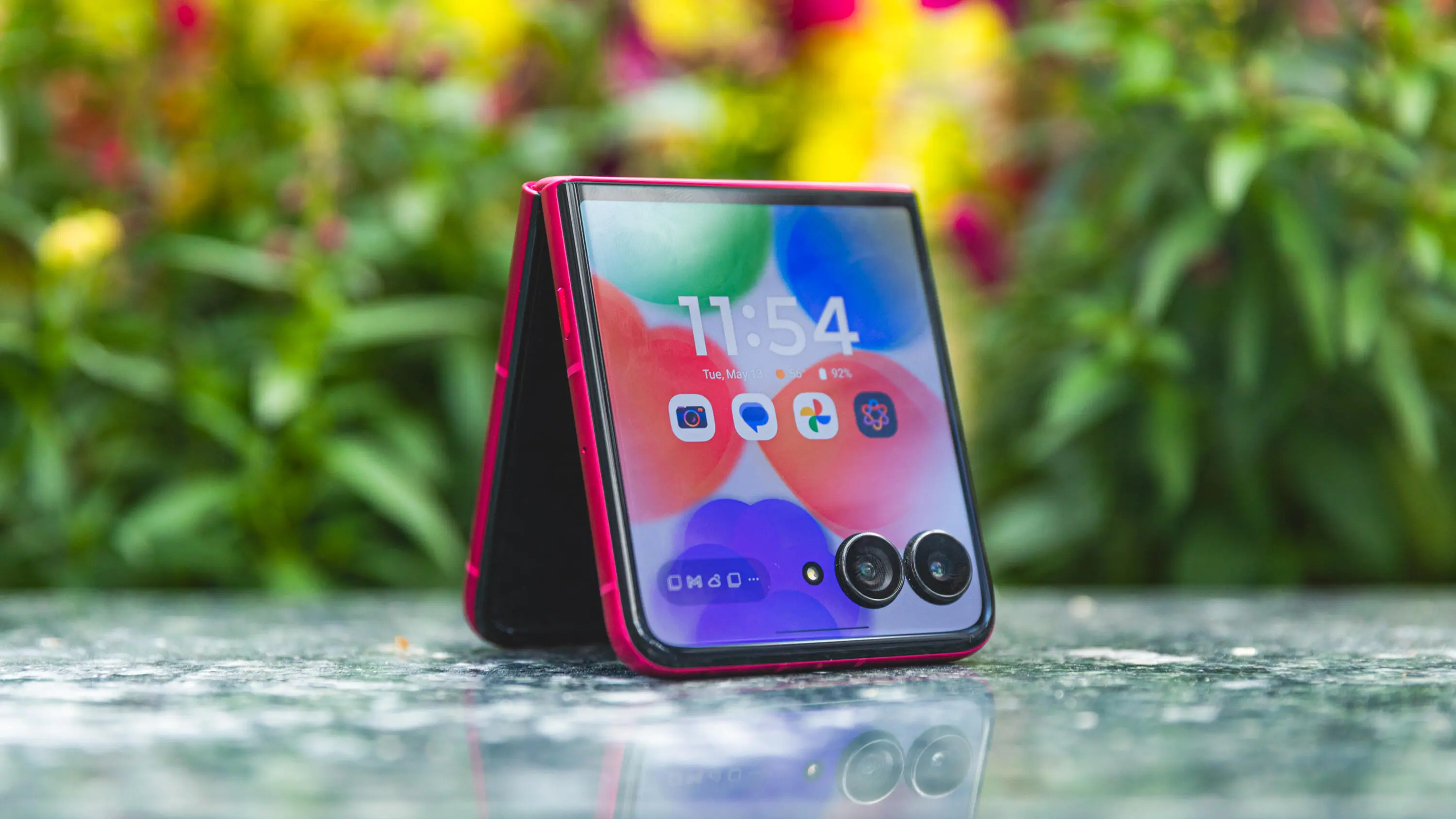
When people shop for 5G Phones, the conversation often starts with processor speed, camera quality, display resolution, and battery life. Network performance, despite being one of the most important parts of a modern smartphone, can receive much less attention.
Two phones can both display a 5G symbol and still deliver noticeably different results. One may support more 5G bands, handle advanced carrier technologies, maintain a stronger connection in challenging locations, or achieve better speeds when networks are busy.
That is why choosing the right 5G phone is about more than finding the newest model or the highest advertised download speed. The modem, supported frequency bands, carrier aggregation, antenna design, Wi Fi capabilities, software optimization, and regional compatibility can all influence the experience.
Here is what actually matters when comparing 5G Phones for network performance.
What Makes a 5G Phone Good at Network Performance?

A phone's network performance comes from several components working together.
The cellular modem communicates with the mobile network. The antennas receive and transmit signals. The processor manages network related workloads. Software determines how the phone handles available network resources. Carrier support determines which bands and technologies can actually be used.
A phone can therefore have an excellent modem but perform differently from another device because of antenna design, software, thermal management, or regional configuration.
When evaluating a 5G phone, look beyond the simple phrase "supports 5G."
The more useful questions are:
Does it support the 5G bands used by your carrier?
Does its modem support the latest network technologies?
Can it combine multiple network bands?
Does it support the carrier's enhanced 5G services?
How well does it maintain connectivity when signal conditions change?
These specifications provide a much better indication of real world network capability.
The 5G Modem Is One of the Most Important Specifications
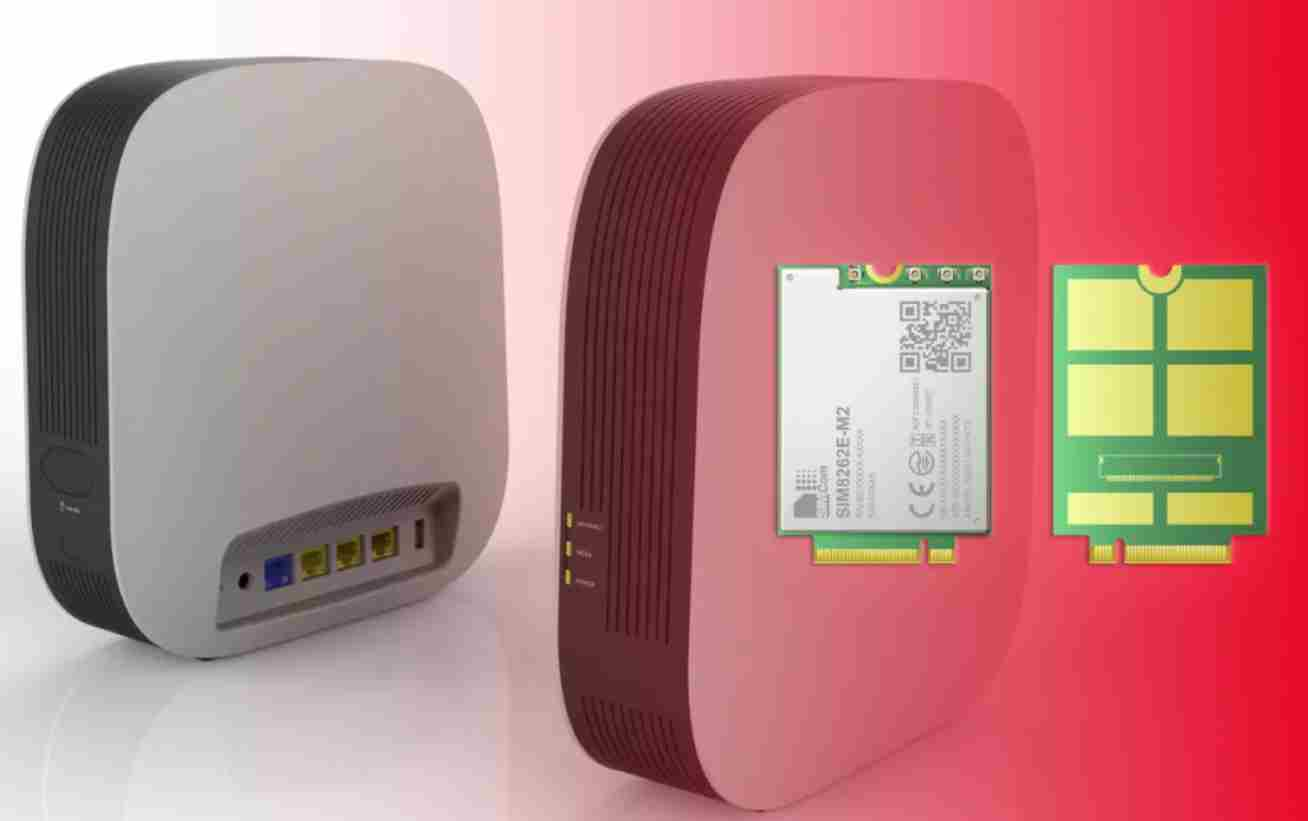
The modem is effectively the communication system that allows your phone to connect to cellular networks.
Modern smartphone platforms often integrate cellular modem technology closely with the main processor platform. The modem determines which network standards, spectrum bands, aggregation methods, and other capabilities the device can support.
Newer modem generations can bring improvements in areas such as peak data rates, power efficiency, network management, and support for newer 5G features.
However, the newest modem does not automatically guarantee the best experience everywhere.
Your carrier may not deploy all of the technologies that the modem supports. Local spectrum availability also matters.
For this reason, modem specifications should always be considered together with carrier compatibility.
5G Band Support Matters More Than Peak Speed

One of the most overlooked specifications when buying 5G Phones is frequency band support.
5G networks operate across different frequency ranges. Low band frequencies can provide broad coverage, while mid band frequencies can offer a useful balance between coverage and capacity. Higher frequencies can provide very high capacity over shorter distances.
Your phone needs to support the relevant bands used by your carrier.
This becomes especially important when buying an imported smartphone.
A model designed for one market may not support every band used by another carrier. The phone may still display a 5G connection, but coverage and performance could be different.
Before buying a phone, check the manufacturer's regional specifications and your carrier's supported bands.
This simple step can prevent many connectivity surprises.
Carrier Aggregation Can Improve Performance
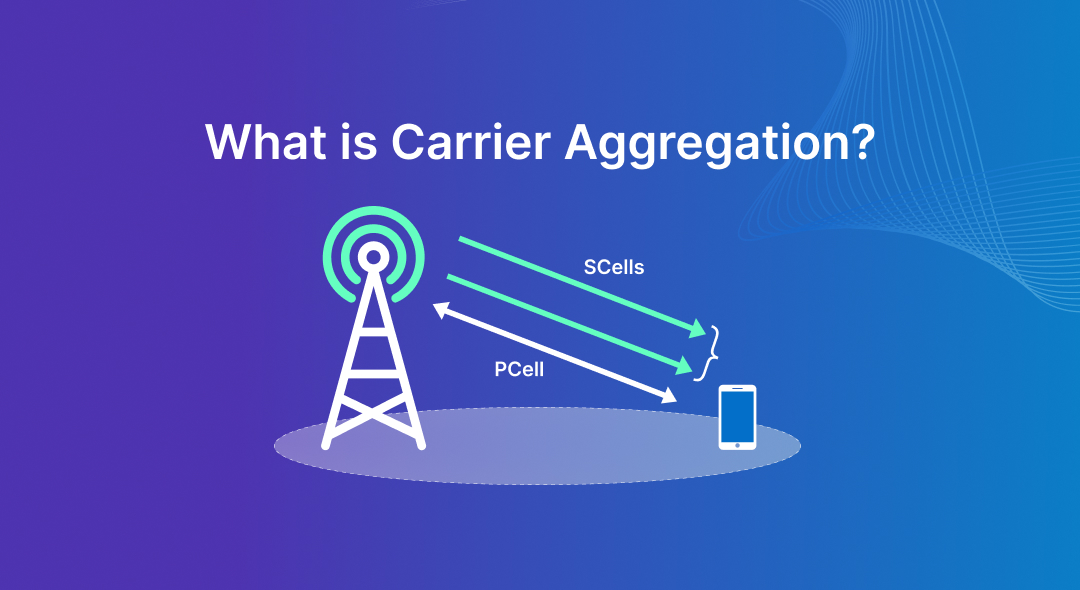
Carrier aggregation allows compatible devices and networks to combine resources from multiple frequency bands.
Think of it as using several available sections of network capacity together rather than relying on only one.
The technology can help increase throughput and make better use of available spectrum.
Modern 5G Phones may support combinations of different bands, but the exact combinations depend on the modem, carrier network, and regional deployment.
This is another reason why simply comparing theoretical maximum download speeds can be misleading.
A phone that supports the specific combinations used by your carrier may deliver a better practical experience than a phone with a higher theoretical maximum that is not optimized for your network.
mmWave Support: Do You Actually Need It?
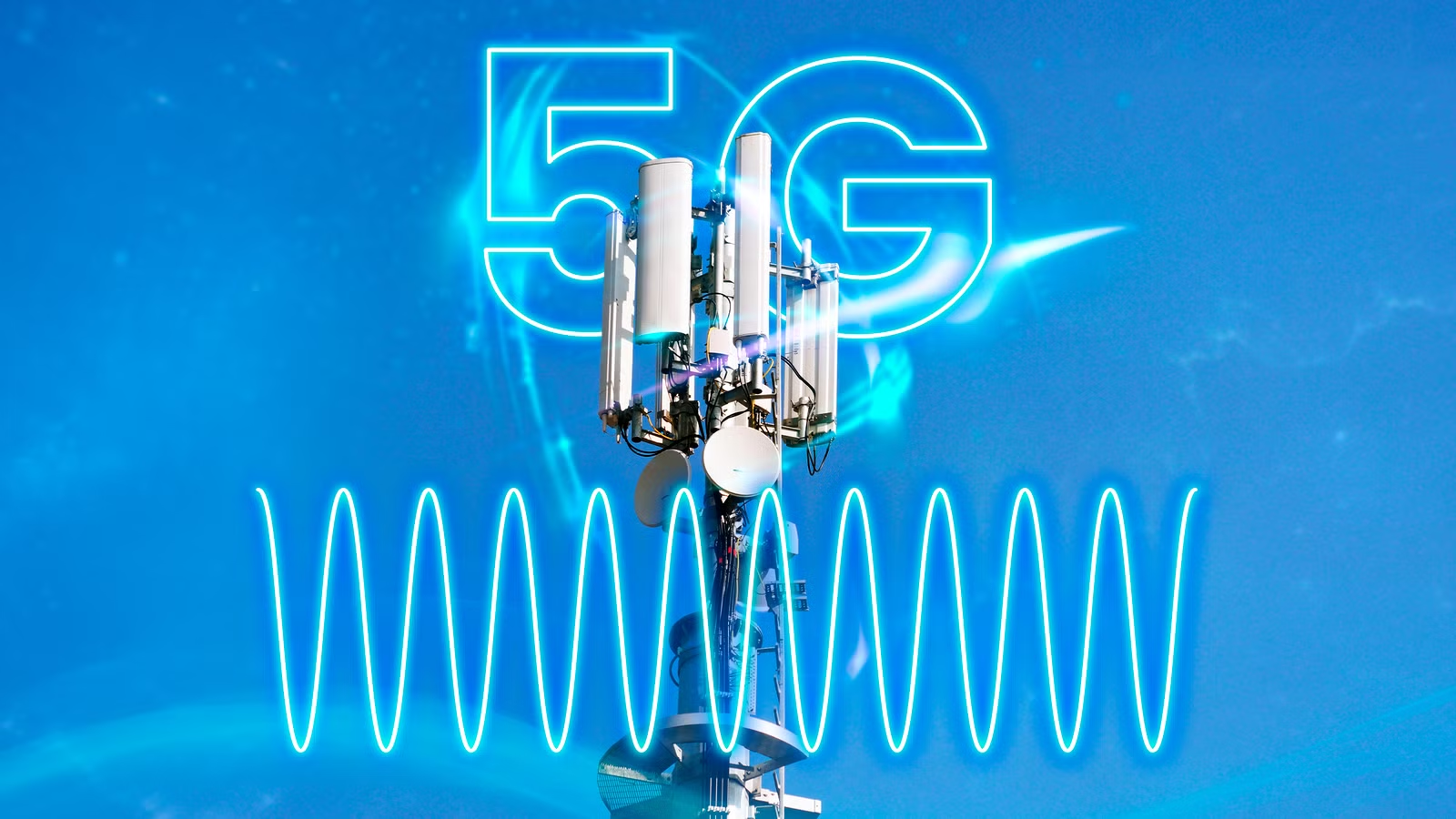
Millimeter wave, commonly called mmWave, is a high frequency form of 5G technology.
It can provide extremely high capacity and fast data rates under suitable conditions. However, its coverage characteristics are very different from lower frequency 5G.
Signals at these frequencies generally travel shorter distances and can be more easily affected by physical obstacles.
As a result, mmWave is most useful in selected high capacity environments rather than as the only measure of a phone's 5G capability.
For many users, support for the low and mid band frequencies used by their carrier will be more important than having mmWave support.
If you live in an area where your carrier actively uses mmWave, however, compatible hardware can become more relevant.
5G Advanced Support Is Becoming More Relevant

5G technology continues to evolve.
The industry is moving beyond the earliest 5G deployments toward more advanced capabilities associated with 5G Advanced.
These developments can improve network efficiency, positioning, reliability, device connectivity, and other aspects of mobile communication.
For someone buying a phone today, support for newer network features can therefore contribute to longer term connectivity capability.
However, it is important to distinguish between what a phone supports and what a carrier currently provides.
A device may be technically capable of advanced features that are not yet available on the network in your area.
Wi Fi Performance Also Matters

A smartphone's connectivity experience is not limited to cellular networks.
Most people move between mobile data and Wi Fi throughout the day. A phone with strong Wi Fi capabilities can therefore provide excellent connectivity even when cellular service is not being used.
Look for support for modern Wi Fi standards, particularly if you have a fast home internet connection.
Newer Wi Fi technologies can offer improvements in speed, capacity, latency, and efficiency when paired with a compatible router.
Bluetooth capabilities can also matter if you regularly use wireless headphones, smartwatches, controllers, or other connected accessories.
Antenna Design Can Influence Real World Performance
Specifications on a product page do not tell the entire story.
A phone needs an effective antenna system to communicate reliably with cellular networks.
Modern smartphones contain multiple antennas positioned around the device. Their configuration helps the phone manage different frequencies and signal conditions.
This becomes particularly important when you hold the phone in different orientations or use it in areas with weaker signals.
Manufacturers spend significant engineering effort on antenna design, radio frequency performance, and signal management.
That is why two phones using similar modem technology can sometimes produce different results in independent network testing.
Thermal Management Can Affect Sustained Network Performance
High speed cellular connectivity can require significant processing and radio activity.
During long downloads, hotspot sessions, cloud gaming, video streaming, or other intensive tasks, the phone can generate additional heat.
Thermal management becomes important because excessive heat can influence how aggressively a device manages performance and power consumption.
A phone with effective cooling and power management may be better suited to sustained demanding workloads.
This does not mean that the coolest phone will automatically have the fastest network connection. It simply means thermal design is another factor worth considering when network performance is important to you.
Battery Efficiency Is Part of the Connectivity Equation
Faster networks are useful only when your phone can use them without rapidly exhausting its battery.
Modern modems are designed to improve efficiency compared with earlier generations, but cellular connectivity can still contribute significantly to power consumption.
A phone may consume more energy when constantly searching for a signal, moving between network technologies, operating in a weak coverage area, or using demanding mobile data applications.
Look at battery capacity, processor efficiency, modem efficiency, charging speed, and software power management together.
A phone with excellent network performance but poor endurance may not be ideal for someone who spends most of the day away from Wi Fi.
Network Performance in Crowded Areas Matters
Peak download speeds are usually measured under favorable conditions.
Real life can be very different.
Consider a large concert, sports stadium, airport, shopping center, or busy downtown area. Hundreds or thousands of people may be using the network simultaneously.
In these situations, capacity and network efficiency become particularly important.
A capable phone can take advantage of more advanced network configurations when the carrier provides them.
This is why independent network testing can be valuable. Reviews that test phones under different signal conditions and network loads can reveal information that a specification sheet cannot.
Regional Compatibility Is Essential
The same smartphone model may have different versions for different markets.
A device sold in one country may use a different modem configuration, supported frequency list, or software configuration from a model sold elsewhere.
International travelers should pay particular attention to this.
Before purchasing an imported phone, check:
• Supported 4G and 5G bands
• Carrier compatibility
• SIM and eSIM support
• Regional model number
• VoLTE compatibility
• Wi Fi frequency support
• Local network certification requirements
This is especially important if you depend on your smartphone for work, travel, hotspot connectivity, or regular mobile data use.
Best 5G Phones: What Should You Compare?
Rather than choosing a phone based only on marketing claims, compare the specifications that influence connectivity.
Specification | Why It Matters |
|---|---|
5G modem | Determines core cellular capabilities |
Supported 5G bands | Determines compatibility with carrier networks |
Carrier aggregation | Can improve network throughput |
5G Advanced features | Provides access to newer network capabilities |
Antenna design | Influences signal reception and reliability |
Wi Fi support | Affects connectivity away from cellular networks |
Processor efficiency | Can influence battery life and sustained performance |
Thermal management | Helps during prolonged intensive use |
SIM and eSIM support | Important for flexibility and travel |
Regional model | Determines available network bands and features |
This approach makes it easier to compare phones based on your actual needs.
Which Users Should Prioritize 5G Performance?
Not everyone needs the most advanced cellular hardware.
Mobile Professionals
If your phone is an important work tool, reliable connectivity can be more valuable than a small improvement in camera specifications.
Mobile Gamers
Gamers can benefit from reliable connectivity and low latency, although game servers and internet routing remain important.
Frequent Travelers
Travelers should prioritize broad band compatibility, eSIM support, and international network compatibility.
Hotspot Users
If you regularly connect a laptop or tablet through your phone, network capacity and sustained performance become more important.
Heavy Streamers
People who frequently stream high resolution video or download large files may benefit from phones capable of taking advantage of high capacity 5G networks.
How to Test 5G Phone Performance
A good network test should involve more than running one speed test.
Test the phone in multiple locations.
Try an outdoor location, an indoor environment, a crowded area, and a place where signal strength is weaker.
Test at different times of day as well.
Record download speed, upload speed, latency, and consistency.
Battery consumption during mobile data use can also provide useful information.
If possible, compare phones using the same carrier and location. This creates a more meaningful comparison because the network conditions are similar.
Common Mistakes When Buying a 5G Phone
One of the biggest mistakes is assuming that every 5G phone provides the same connectivity experience.
Another is focusing entirely on advertised peak speeds.
Other common mistakes include buying an imported model without checking network bands, ignoring carrier compatibility, overlooking Wi Fi capabilities, and assuming that a more expensive phone will automatically perform better on every network.
It is also easy to overpay for features you will never use.
If your carrier primarily relies on low and mid band 5G, for example, extensive mmWave support may have little practical value in your daily routine.
The best specification is the one that matches your network and usage pattern.
A Practical Checklist Before Buying
Before choosing among 5G Phones, ask yourself these questions:
• Which carrier will I use?
• Which 5G bands does that carrier use in my area?
• Does the phone support those bands?
• Does the phone support the carrier's enhanced 5G services?
• Do I regularly use mobile data in crowded locations?
• Do I use my phone as a hotspot?
• Do I travel internationally?
• Do I need eSIM support?
• How important is Wi Fi performance?
• How important is battery endurance during mobile data use?
• Am I comparing real world testing or only manufacturer specifications?
These questions can help turn a complicated specification sheet into a practical buying decision.
Frequently Asked Questions About 5G Phones
What is the most important 5G specification in a phone?
There is no single specification that determines overall performance. Modem capability, supported network bands, carrier aggregation, antenna design, carrier compatibility, and software all contribute.
Are expensive 5G Phones always better for network performance?
Not necessarily. A more expensive phone may offer a more advanced modem and additional connectivity features, but regional compatibility and carrier support remain essential.
Does a newer processor mean better 5G?
Not automatically. Modern processor platforms often include newer modem technology, but actual network performance depends on the complete radio system and the network being used.
Should I buy a phone with mmWave 5G?
That depends on your carrier and location. If your carrier does not meaningfully use mmWave where you live or work, support for it may have limited practical value.
Is 5G important for mobile gaming?
It can help provide high bandwidth and potentially lower latency, but gaming performance also depends on network congestion, routing, server location, and the game itself.
Can a 5G phone work on 4G networks?
Yes. Modern 5G smartphones are generally designed to operate across multiple generations of cellular networks, including 4G LTE.
Does 5G use more battery?
It can, particularly in weak coverage conditions or during demanding mobile data activity. Modern modem and processor designs have improved efficiency, but battery impact varies by device and network environment.
Final Thoughts
The best 5G Phones for network performance are not necessarily the ones with the biggest numbers on a specification sheet.
A strong connectivity experience comes from the combination of modem capability, supported 5G bands, carrier aggregation, antenna design, regional compatibility, software optimization, thermal management, and battery efficiency.
For most buyers, supported bands and carrier compatibility should be among the first things to check. A technically impressive phone is far less useful if it cannot take full advantage of the network available in your area.
It is also worth remembering that mobile networks are evolving. Today's phone should ideally support the connectivity technologies you use now while providing enough capability for future network improvements.
Instead of asking only whether a phone has 5G, ask a more useful question: How well can this phone connect to the 5G network I actually use?
That shift in perspective can make choosing a new smartphone much easier and lead to a better everyday connectivity experience.