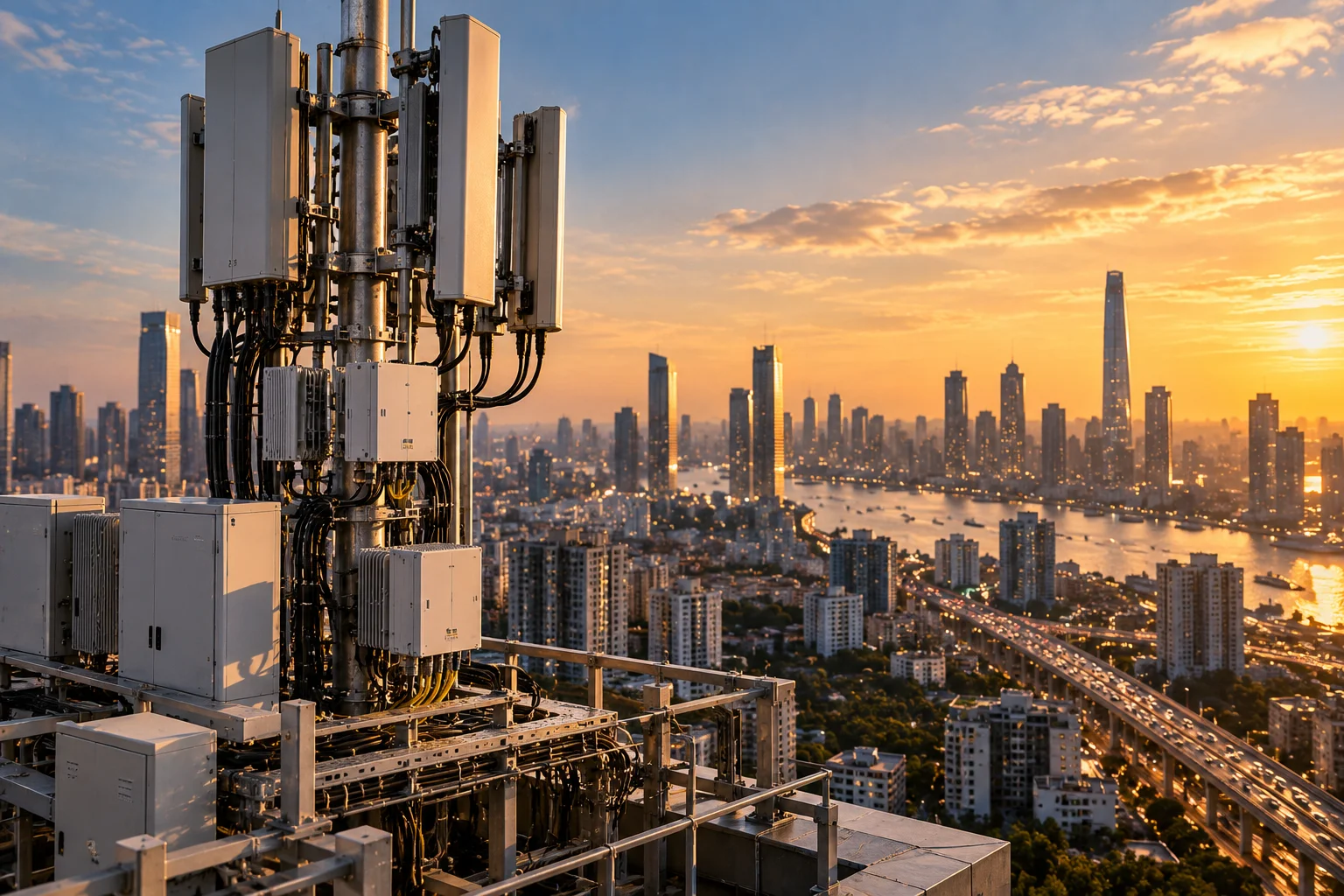
A 5G network doesn't have to treat every connection exactly the same.
One customer might want high download speeds for video streaming. A factory might need predictable low-latency connectivity for industrial machines. A public-safety organization might prioritize reliability and availability over raw bandwidth.
5G network slicing allows operators to create logically separate network environments on shared physical infrastructure, with each slice configured for different performance, security and service requirements.
Think of it as turning one large physical network into multiple virtual networks.
The antennas, fiber, computing resources and other infrastructure can still be shared, but network functions and resources can be configured differently for different services.
That means 5G can move beyond a simple "faster mobile internet" model toward connectivity tailored to the application using it.
What Is 5G Network Slicing?
Network slicing creates multiple logical networks that operate on shared physical 5G infrastructure.
Each slice can have its own combination of characteristics.
For example, an operator could configure one slice to prioritize:
High throughput
Another for low latency
Another for reliability
Another for specific security requirements
Another for large numbers of low-data-rate devices
GSMA describes network slicing as a way to tailor connectivity and data processing to specific customer requirements, including different levels of bandwidth, latency, security and quality of service.
The important word is logical.
A network slice isn't necessarily a completely separate physical network with its own towers and cables.
How Can Multiple Slices Share the Same 5G Network?
Virtualization and network management allow operators to allocate shared physical resources differently to different logical services.
A simplified example might look like this:
One 5G infrastructure
→ Consumer slice
→ Enterprise slice
→ Low-latency industrial slice
→ Critical communications slice
The underlying infrastructure can include shared radio, transport, computing and storage resources.
GSMA's network-slicing architecture describes slices as using dedicated or shared network functions and resources, including compute, storage, transport-network bandwidth and radio resources.
The operator's management systems determine how those resources are configured and allocated.
This is what makes slicing different from simply giving everyone the same 5G connection.
Why Is 5G Standalone Important for Network Slicing?
5G Standalone provides the 5G core architecture that makes advanced slicing capabilities much more practical.
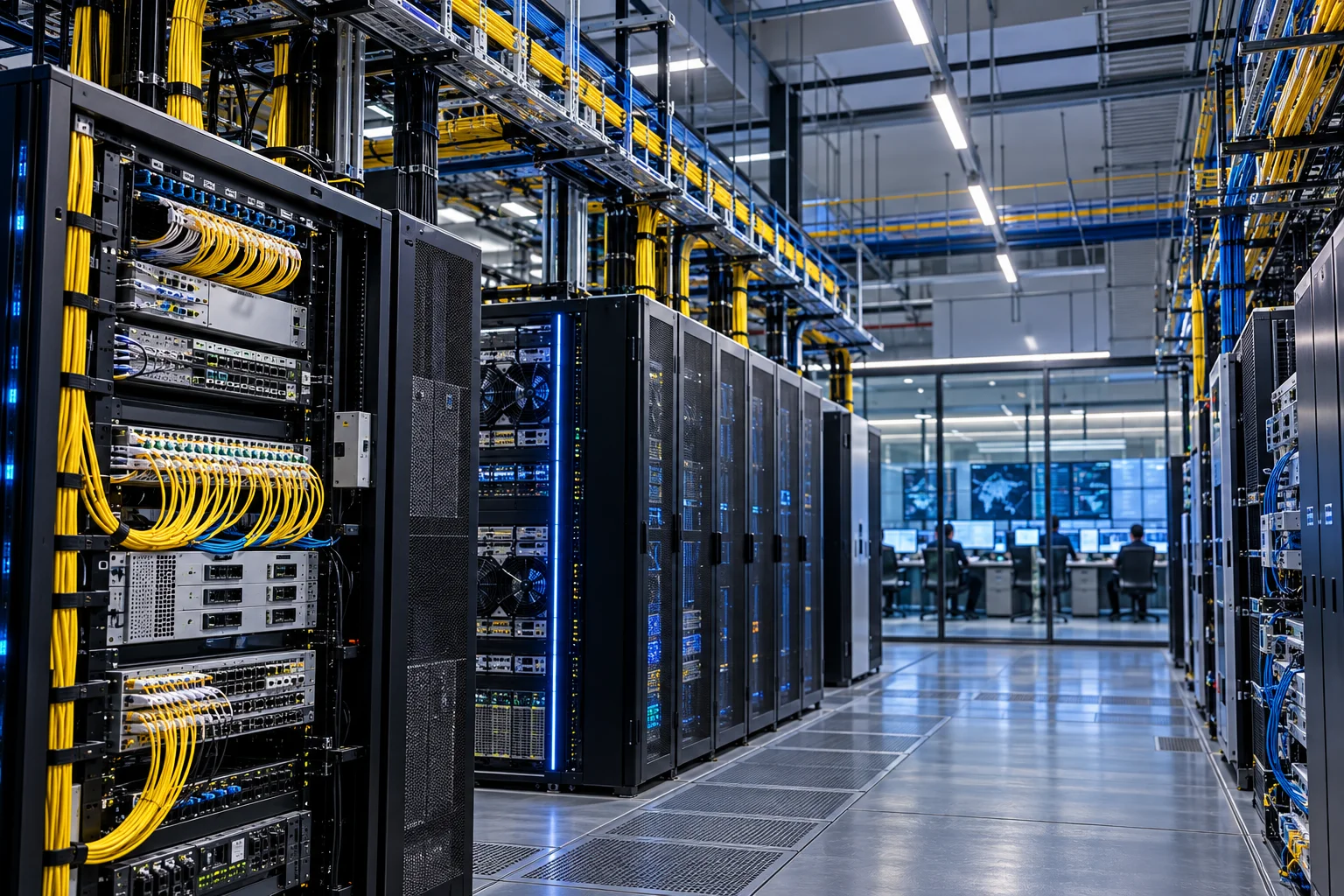
Early 5G deployments can use a 4G core through non-standalone architecture. 5G Standalone replaces that dependency with a cloud-native 5G core.
GSMA describes network slicing as a built-in capability of 5G SA and says standalone networks can support more demanding use cases by customizing connectivity for particular applications or services.
That doesn't mean every 5G SA connection automatically uses a slice.
Instead, SA provides the architecture that allows operators to implement slicing-based services more flexibly.
What Can a Network Slice Actually Control?
A slice can be configured around several different service characteristics rather than just download speed.
Possible parameters include:
Characteristic | Why it matters |
|---|---|
Throughput | How much data can be transferred |
Latency | How quickly traffic can be delivered |
Reliability | How consistently the service performs |
Availability | How continuously the service is expected to remain usable |
Security | How traffic and access are controlled |
Mobility | How the service behaves while devices move |
Geographic scope | Where the slice is available |
Device capacity | How many devices can use the service |
GSMA's slicing architecture documentation lists attributes such as throughput, latency, availability, geographic and time limitations, mobility and voice support as potential slice characteristics.
This is why calling slicing simply "priority 5G" is incomplete.
It can involve an entire collection of network characteristics.
How Could Network Slicing Change Consumer 5G?
Operators can use slices to offer differentiated connectivity for specific consumer services or usage patterns.
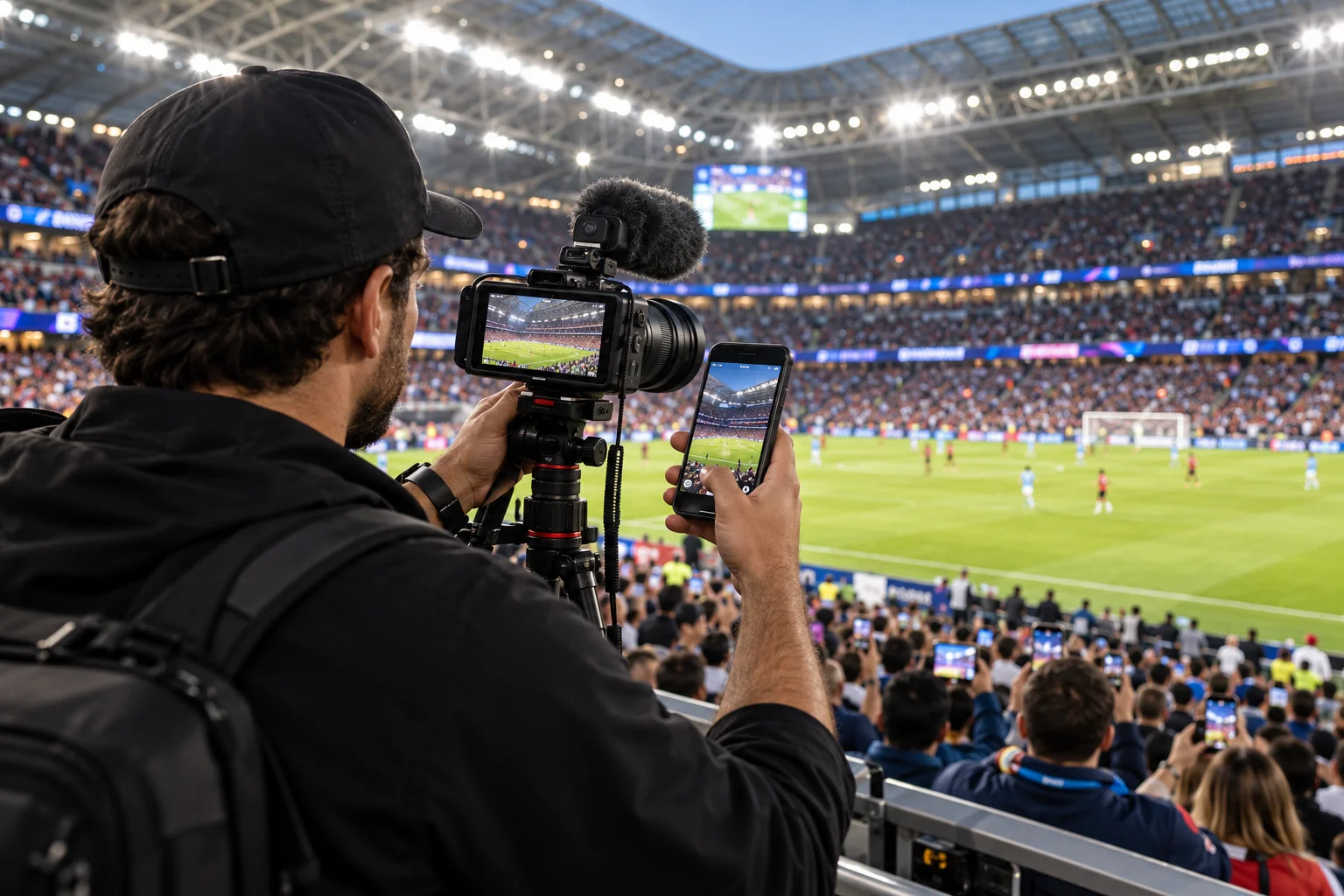
Imagine a crowded sports stadium.
Thousands of people may be using the same cellular network to upload photographs, stream video, message friends and browse social media.
An operator could use slicing to provide a high-quality uplink service for broadcasters or content creators who need to transmit large amounts of video from the venue.
GSMA describes 5G SA slicing being used to provide high-quality uplinks for live broadcasters and content creators in congested locations.
Operators can also potentially package customized connectivity for groups such as gamers, business travelers or users of extended-reality services.
The important point is that this can become a service-level product, rather than simply a faster radio connection.
How Can Businesses Use 5G Network Slicing?
Businesses can request connectivity characteristics that match the requirements of their particular operation.
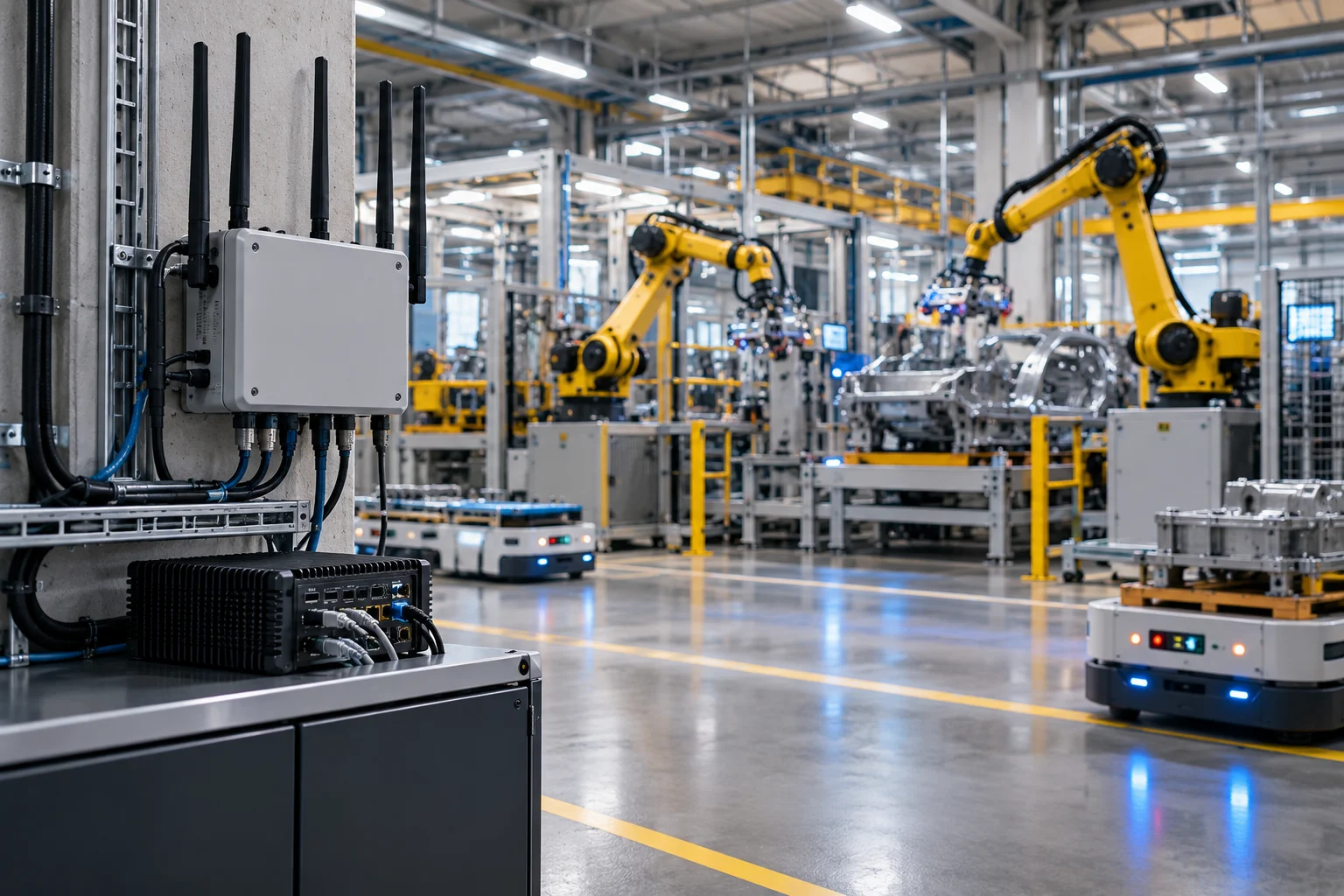
A manufacturing company might need low latency and predictable communication between machines.
A logistics company could need reliable connectivity for a large number of connected devices.
An enterprise could want stronger isolation between corporate traffic and ordinary consumer traffic.
GSMA identifies industries including manufacturing, automotive, energy, logistics and healthcare as potential network-slicing use cases.
The operator and business can define the required characteristics through a service agreement.
This allows connectivity to become more like an engineered service than a generic mobile data plan.
Can Network Slicing Improve Reliability for Critical Services?
A dedicated or specially configured slice can be designed around reliability and predictable service requirements, but slicing does not make a network magically failure-proof.
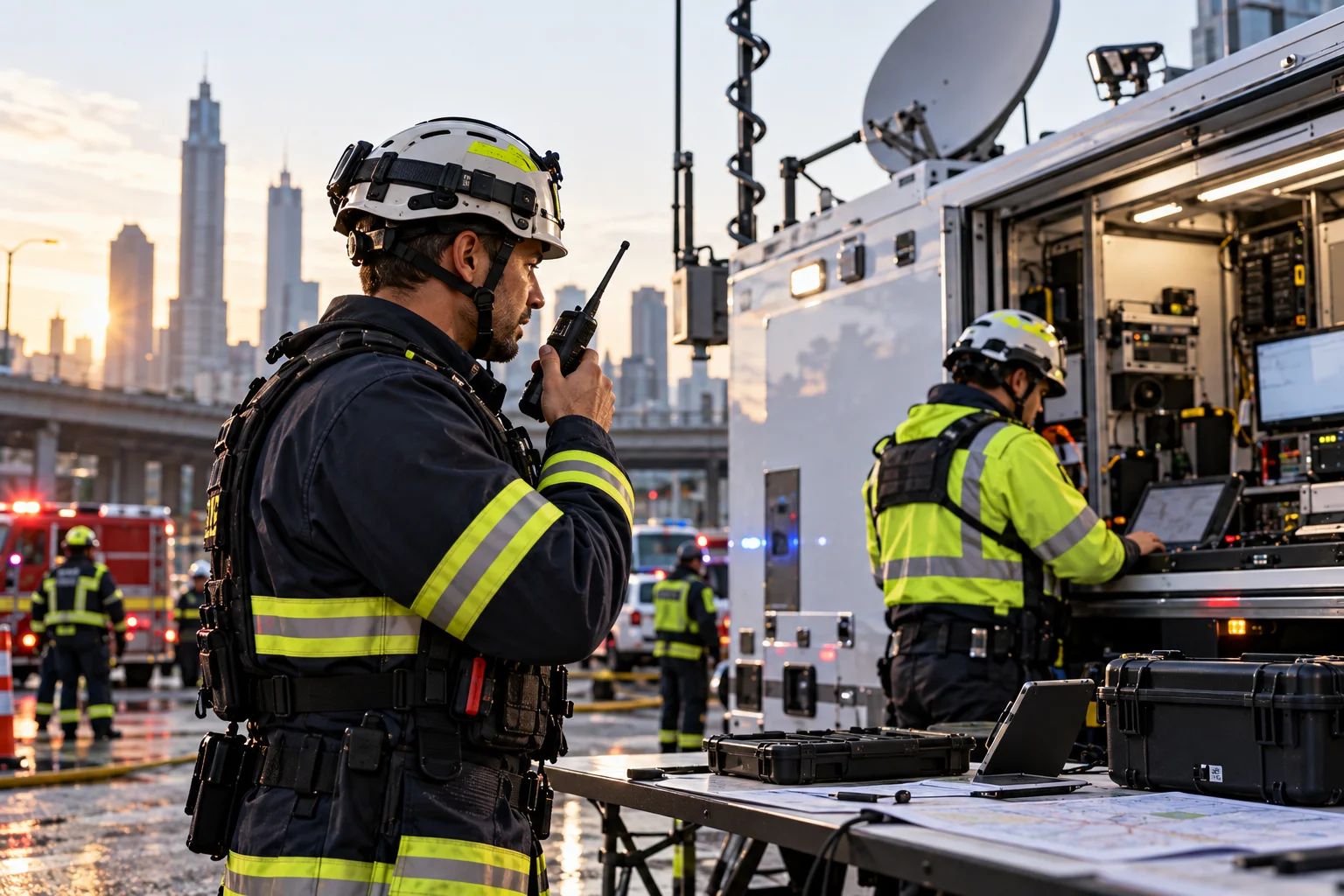
Public safety, emergency communications, utilities and other critical applications can have requirements that differ significantly from ordinary consumer traffic.
GSMA's critical-communications work identifies network slicing as a way to create dedicated logical networks with functionality and operating characteristics tailored to critical communications.
A critical-service slice could prioritize characteristics such as availability, deterministic communication or group communications.
But real-world resilience still depends on the underlying radio network, transport network, power, core infrastructure and other components.
A slice cannot eliminate a physical network outage that affects the infrastructure it relies upon.
Does Network Slicing Mean One User Gets a Private 5G Network?
Not necessarily. A slice is logically separated, but the physical infrastructure and some network resources can still be shared.

This is one of the most important distinctions.
A business doesn't necessarily receive its own cellular towers.
Instead, its traffic can be associated with a slice whose network functions, policies and resource allocation are configured for its requirements.
GSMA describes slices as logically independent networks operating on common infrastructure, with resources that can be dedicated or shared depending on the design.
Private 5G networks are a related but different concept.
A private network is deployed for a particular organization or location, while network slicing can provide differentiated logical services across an operator's public infrastructure.
Can One Phone Use More Than One Network Slice?
A device can potentially access different slices for different services, depending on the operator, device and network configuration.
This becomes particularly interesting for smartphones used for both personal and business purposes.
GSMA's recent discussion of Slice Subscriber Identity Module (SSIM) describes mechanisms for authenticating and authorizing access to specific network slices while allowing personal applications to continue using other network services.
Conceptually, that could allow a phone to maintain:
Personal traffic → ordinary consumer service
while
Work traffic → enterprise-specific slice
The exact implementation depends on operator and device support.
Does a Network Slice Guarantee Faster 5G?
No. A slice can be designed around specific performance requirements, but it cannot overcome every physical limitation of the network.
If the device has poor signal, the radio environment is heavily obstructed or the available infrastructure is overloaded beyond its engineered capacity, slicing cannot violate the laws of physics.
Instead, slicing gives the operator more control over how available network resources are organized and prioritized for different services.
This distinction matters because "premium slice" doesn't automatically mean unlimited speed.
How Do Operators Create and Manage Slices?
Operators use orchestration and management systems to define, deploy, monitor and modify network-slice instances.
GSMA's slicing framework distinguishes concepts such as a Generic Slice Template, Network Slice Type and Network Slice Instance.
A template describes the required characteristics. The operator can then use that information to create an actual deployed slice using appropriate network functions and resources.
The slice can then be monitored against the service requirements.
This creates the possibility of more dynamic services.
For example, GSMA describes scenarios where network analytics can detect degraded performance and trigger a slice designed to restore a promised service level.
What Are the Limitations of 5G Network Slicing?
Slicing adds flexibility, but it also makes network management significantly more complex.
Operators have to coordinate:
Radio resources
Transport networks
5G core functions
Compute resources
Security policies
Service-level requirements
Monitoring
Device authorization
Inter-operator connectivity
GSMA has highlighted management complexity and the risk of cumbersome service offerings as challenges associated with highly customized slicing.
There is also the question of commercial availability.
A technically capable 5G network doesn't mean every operator offers consumer-accessible slices or that every device supports every slicing feature.
Frequently Asked Questions
Is network slicing only for businesses?
No. It can support consumer services as well as enterprise and industry applications. GSMA describes potential uses across consumers, enterprises and specialized industries.
Does 5G network slicing require 5G Standalone?
5G Standalone is particularly important because its 5G core architecture provides built-in support for advanced slicing. Exact implementation depends on the operator and network.
Does network slicing increase 5G speed?
It can provide differentiated performance for a particular service, but slicing isn't simply a universal speed boost. It can prioritize characteristics such as throughput, latency or reliability depending on the slice design.
Is a network slice the same as a private 5G network?
No. A slice is a logical network environment that can operate on shared infrastructure. A private 5G network is a separate deployment intended for a particular organization or location.
Can network slicing reduce latency?
It can be configured around low-latency requirements, but actual latency still depends on the radio, transport network, computing location, application architecture and other factors.
Can network slicing improve emergency communications?
It can provide a logical service with characteristics designed around reliability and critical communications, but it doesn't eliminate physical infrastructure failures.
The Bottom Line
5G network slicing is about making one physical mobile network behave like multiple purpose-built networks.
A consumer service can prioritize general connectivity. An enterprise can receive a slice designed around security, reliability or predictable performance. A critical application can have a service configured around stringent availability and communication requirements.
The technology works because modern 5G networks can virtualize and orchestrate network functions and resources rather than treating connectivity as one identical service for everyone.
And that's the real significance of network slicing.
5G isn't just becoming faster. It is becoming more programmable, allowing operators to tailor network behavior to what different applications actually need.