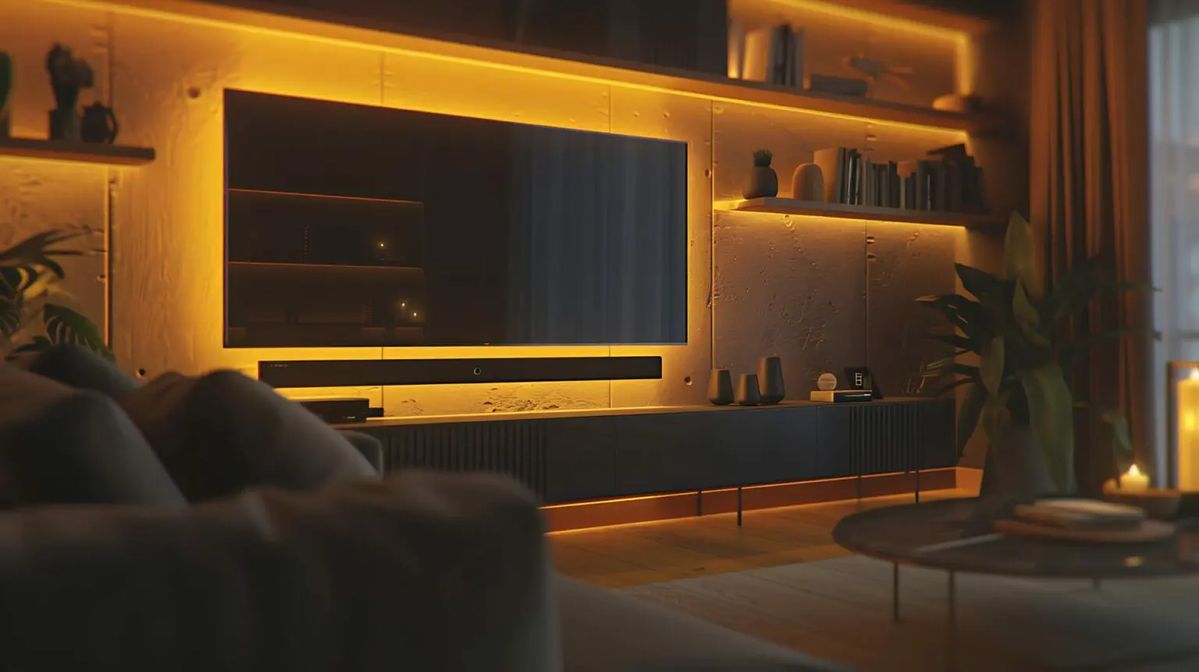
Upgrading your audio setup can completely transform how your TV sounds. Whether you are watching movies, streaming series, gaming, or following live sports, better audio adds depth, clarity, and immersion that built in speakers simply cannot match.
The big question many people face in 2026 is this. Should you buy a soundbar or invest in a full home theater system for your TV
Both options improve sound dramatically, but they differ in complexity, cost, space requirements, and performance. In this guide, we break down the key differences to help you choose the right audio solution for your TV and your home.
Why Your TV Audio Needs an Upgrade
Modern TV designs are incredibly slim. While this looks great on the wall, it leaves little room for powerful speakers. As a result, built in TV audio often sounds flat, weak, and lacking in bass.
Upgrading your TV sound system enhances
Dialogue clarity
Bass response
Surround sound immersion
Overall cinematic experience
Whether you choose a soundbar or a home theater system, your TV will immediately sound fuller and more dynamic.
What Is a Soundbar for Your TV
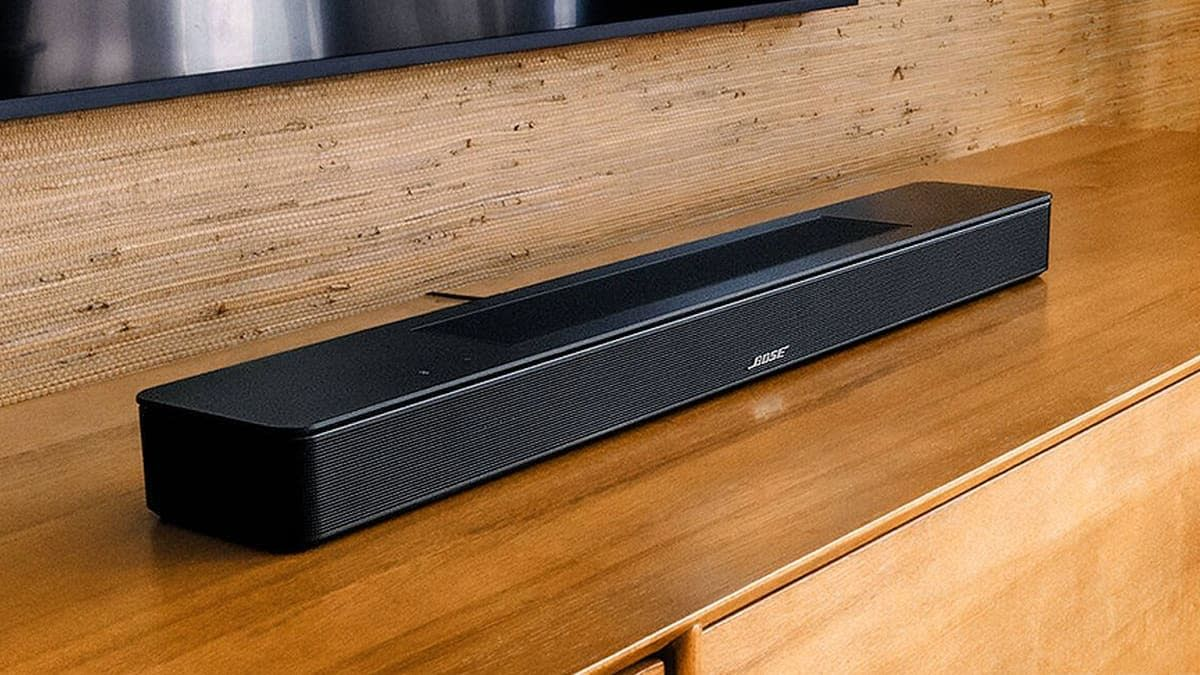
A soundbar is a long, compact speaker that sits below or in front of your TV. Many models also include a separate wireless subwoofer and sometimes rear speakers.
Soundbars are designed to improve your TV audio without complicated wiring or installation. Most connect via HDMI eARC or optical cable, and some offer Bluetooth or WiFi streaming.
Advantages of a Soundbar for Your TV
Simple setup
You plug it into your TV, power it on, and you are ready to go.Clean design
A soundbar keeps your TV area tidy without multiple speakers around the room.Space saving
Perfect for apartments or smaller living rooms where a full surround system may be impractical.Affordable options
There are soundbars available at many price levels, making it easy to upgrade your TV without spending a fortune.
For many households, a soundbar offers the perfect balance between simplicity and improved TV sound quality.
What Is a Home Theater System for Your TV
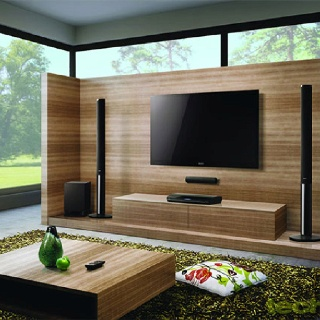
A home theater system includes multiple speakers placed around the room. A typical setup includes a center speaker, front left and right speakers, surround speakers, and a subwoofer. Some systems even add ceiling or upward firing speakers for immersive formats.
Unlike a soundbar, a home theater system surrounds your TV viewing area with separate audio channels for a true cinematic effect.
Advantages of a Home Theater System for Your TV
True surround sound
Instead of simulated surround from a single unit, you get real directional audio around your TV.Powerful bass
Dedicated subwoofers deliver deep, room shaking bass that enhances action scenes and music.Customizable setup
You can upgrade individual speakers or components over time while keeping your TV as the central display.Maximum immersion
If your goal is a cinema like experience for your TV, a home theater system delivers unmatched realism.
Sound Quality Comparison for Your TV

When comparing pure audio performance, a well configured home theater system generally outperforms a soundbar connected to your TV. Separate speakers allow better channel separation, stronger surround effects, and more powerful bass.
However, modern premium soundbars have improved significantly. Many now support advanced audio formats and use clever processing to simulate surround sound around your TV.
If you are an audiophile or love blockbuster movies at high volume, a home theater system may be ideal for your TV setup. If you want a major improvement without complexity, a high quality soundbar will still elevate your TV experience dramatically.
Space and Room Considerations
Room size plays a major role in choosing the right system for your TV.
Small to medium rooms
A soundbar is often sufficient for a bedroom or apartment living room with a modest sized TV.Large living rooms
A home theater system may be more suitable if your TV is in a spacious area where sound needs to fill a bigger space.Wall mounting and layout
If your TV is wall mounted and you prefer minimal cables, a soundbar keeps things clean. A home theater system requires more speaker placement planning around your TV.
Budget and Long Term Value
Your budget will strongly influence which option works best for your TV.
Soundbars
Generally cost less and are easier to install. You get strong performance for the price and minimal maintenance around your TV area.Home theater systems
Often cost more upfront due to multiple speakers and an AV receiver. However, they offer upgrade flexibility. You can improve components while keeping your TV as the centerpiece of your setup.
If you are looking for a quick and affordable audio upgrade for your TV, a soundbar makes sense. If you view your TV area as a long term entertainment investment, a home theater system may be worth the extra cost.
Ease of Use with Your TV
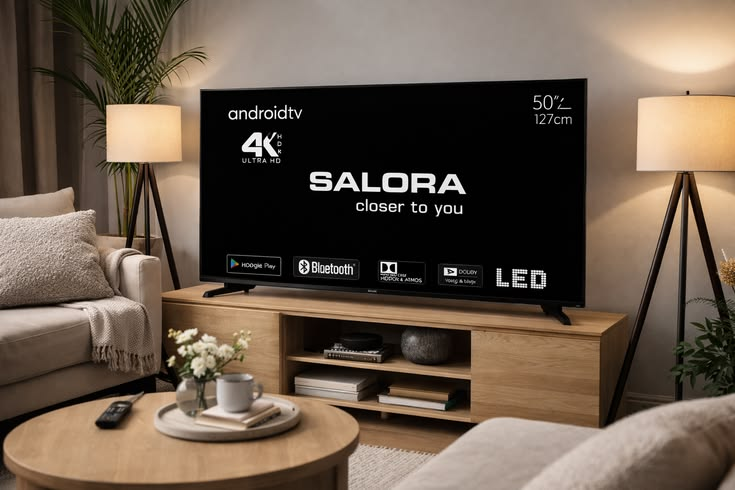
Soundbars are designed for convenience. Many integrate directly with your TV remote, making daily use seamless.
Home theater systems require an AV receiver, which adds extra setup steps. While modern receivers are user friendly, managing inputs and speaker calibration for your TV setup can take time.
If simplicity matters most, a soundbar pairs effortlessly with your TV. If you enjoy customizing settings and fine tuning sound, a home theater system gives you more control.
Which Should You Choose for Your TV
Choose a soundbar if
You want easy installation
You prefer a clean and minimal look
You have limited space
You want a simple upgrade for your TV
Choose a home theater system if
You want true surround sound
You have a larger room
You want maximum cinematic impact for your TV
You plan to upgrade components over time
Final Thoughts
Both soundbars and home theater systems dramatically improve the audio experience of your TV. The right choice depends on your space, budget, and expectations.
For many households, a soundbar delivers powerful and satisfying sound without complexity. For dedicated movie lovers and audio enthusiasts, a home theater system transforms your TV into a full cinema experience.
Think about how you use your TV, how much space you have, and how immersive you want your audio to be. Once you consider those factors, the best choice for your TV setup becomes much clearer.