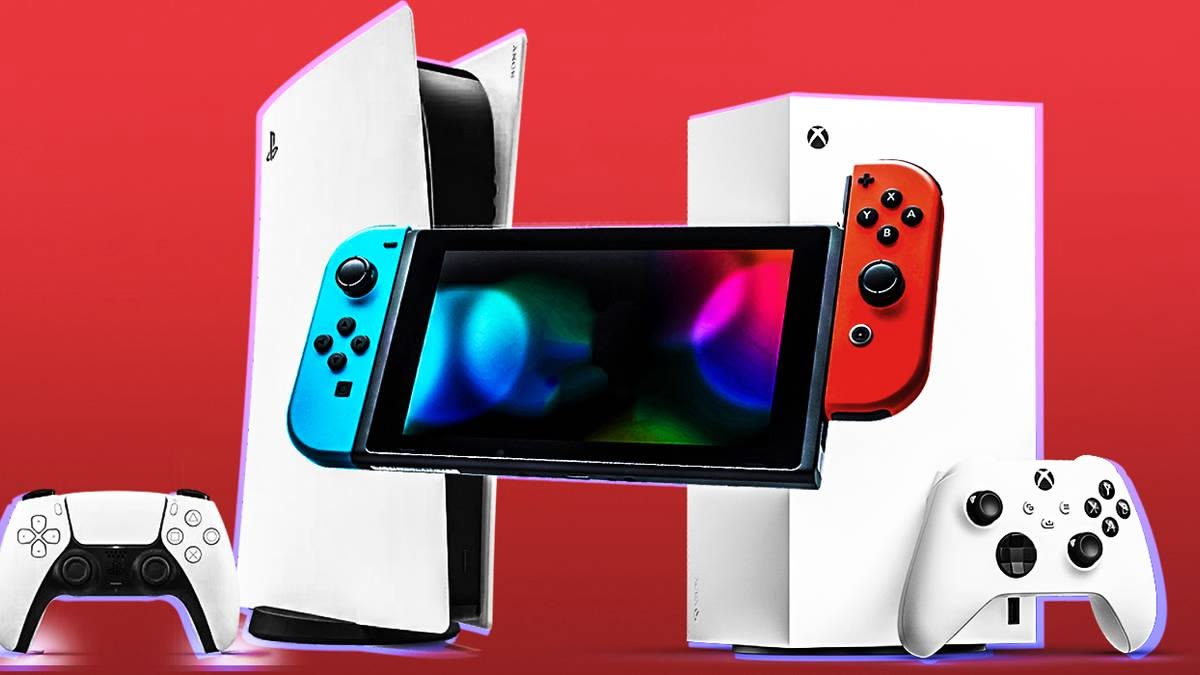
In 2026 the debate among gamers everywhere continues: PlayStation, Xbox, or Nintendo - which console reigns supreme? Each ecosystem has its own strengths, loyal fans, and killer exclusives. Whether you’re into sprawling single-player epics, competitive online play, or family-friendly adventures, this showdown breaks down what each next-gen platform offers and which might be right for you.
We’ll look at performance, game libraries, subscriptions, ecosystem perks, and unique features, and help you decide which console deserves a spot in your living room or on the go.
A Quick Look at the Contenders
Before we dive deeper, here’s what we mean by next-gen consoles in 2026:
PlayStation (PS5 and PS5 Pro): Sony’s powerhouse machines continue to push story-driven single-player games and immersive experiences.
Xbox Series X|S: Microsoft’s ecosystem focus with powerful hardware and Game Pass value.
Nintendo Switch 2 (and successors): Nintendo’s hybrid home/portable console loaded with exclusive franchises.
Each offers a very different experience, and the best choice depends on how you like to play.
Performance and Hardware Power
PlayStation 5 / PS5 Pro
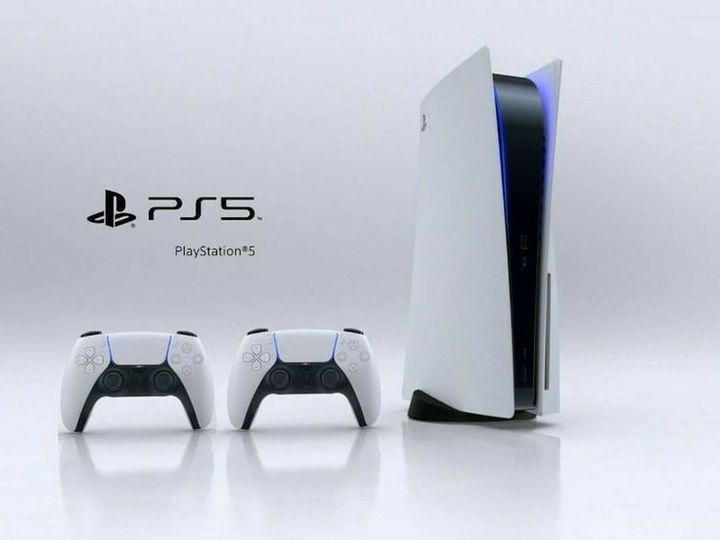
Sony’s PlayStation 5 set a new baseline for next-gen performance when it launched, and the PS5 Pro builds on that with enhanced GPU and AI performance, better ray tracing, faster load times, and improved framerates. If you play games at 4K resolution on a big TV, the PS5 Pro delivers stunning visuals and cinematic detail especially in exclusive titles.
Animation quality, lighting, and immersion are where PlayStation often shines, and the DualSense controller’s advanced haptic feedback keeps every explosion and whisper feeling tactile.
Strengths for performance:
• Powerful GPU with ray tracing
• Fast SSD and reduced load times
• DualSense controller adds immersion
Xbox Series X and Series S
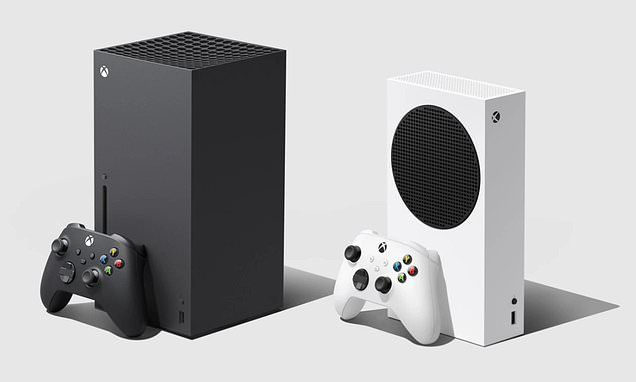
The Xbox Series X still holds its own in terms of raw power. Its GPU and CPU deliver excellent 4K performance, and it’s often the best choice if you want consistent framerates and smooth performance across a wide variety of games. The Series S targets a more affordable entry into next-gen gaming with upscaled visuals and targets 1440p, making it great for gamers who don’t need native 4K but still want fast load times and next-gen features.
One of Xbox’s biggest hardware advantages is how well it supports backward compatibility, meaning many games from previous Xbox generations run even better than they did on older hardware.
Strengths for performance:
• Stable framerates across many titles
• Great backward compatibility
• Series S offers a budget entry point
Nintendo Switch 2
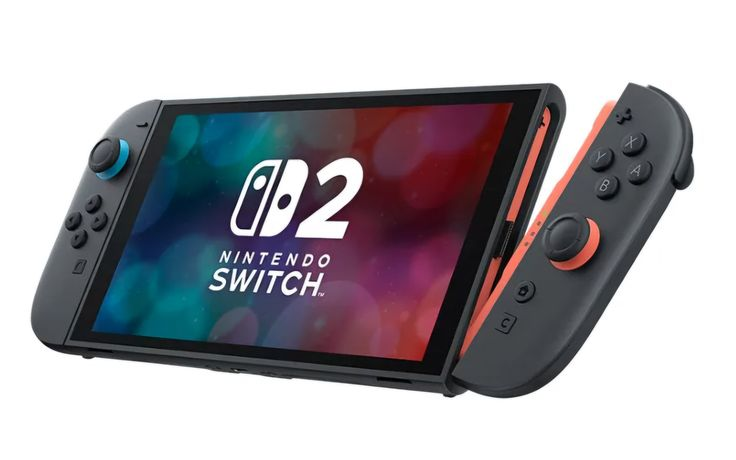
Nintendo doesn’t compete directly on raw horsepower, Switch hardware (and its expected follow-ups in 2026) focuses on versatility and innovation over graphics muscle. Even so, Switch 2 delivers sharper visuals than the original Switch and handles its exclusive titles with style, especially in handheld mode. The joy comes not from photorealism but from gameplay creativity and iconic franchises.
Strengths for performance:
• Smooth gameplay optimization in Nintendo titles
• Portable hardware with good battery life
• Innovative use cases like table-top play
Exclusive Games and First-Party Libraries
This is where the console wars really heat up. Each platform has its own unique lineup of games you can’t play anywhere else.
PlayStation
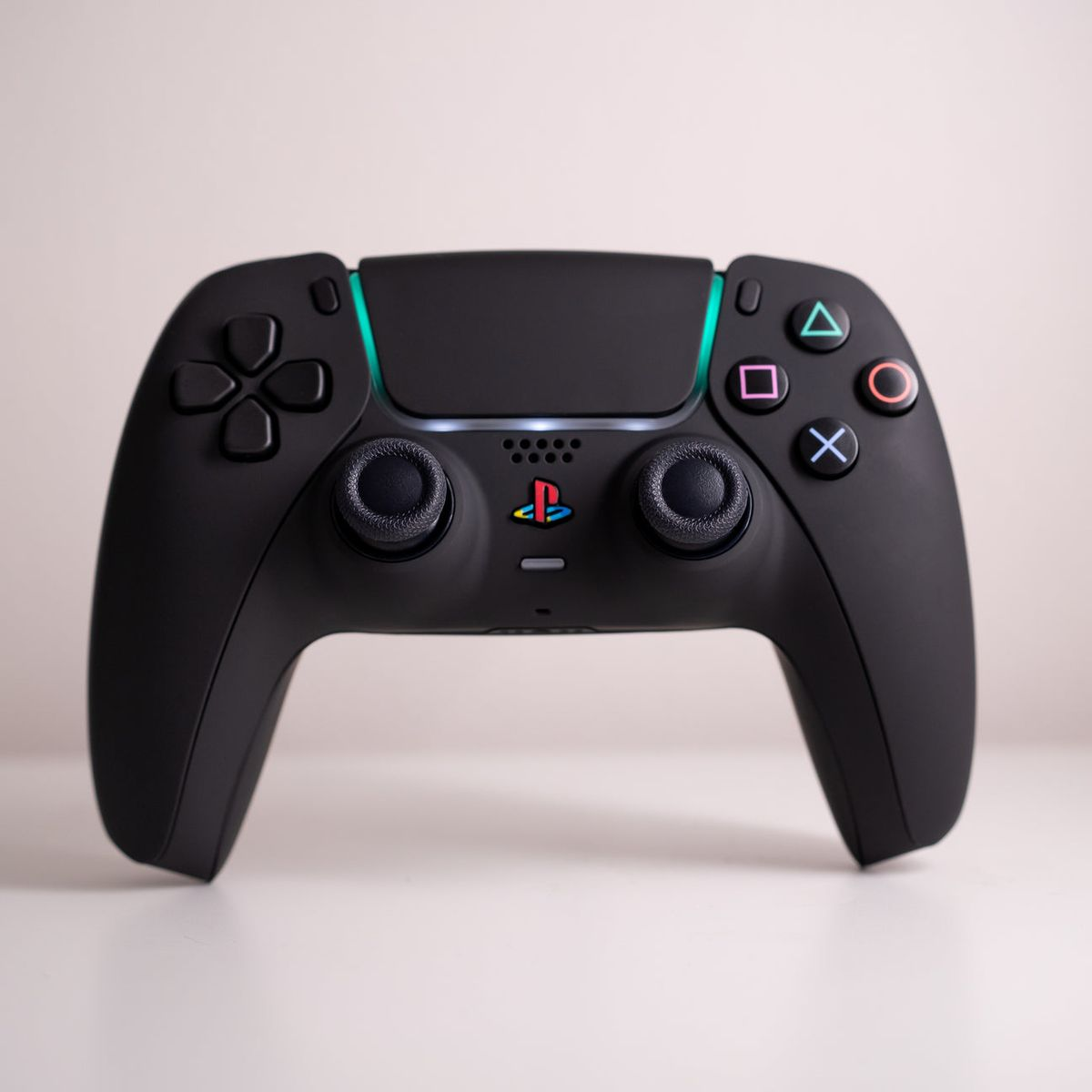
Sony is known for its story-driven single-player blockbuster exclusives. Games like The Last of Us Part II, God of War Ragnarök, Horizon Forbidden West, and Marvel’s Spider-Man helped define the PS5 era, and in 2026 Sony has continued that trend with new titles that push narrative and visuals. If you treasure cinematic storytelling, deep character arcs, and AAA exclusives, PlayStation is a powerhouse.
Typical PlayStation strengths:
• Narrative-driven exclusives
• High production values
• Strong single-player experiences
Xbox
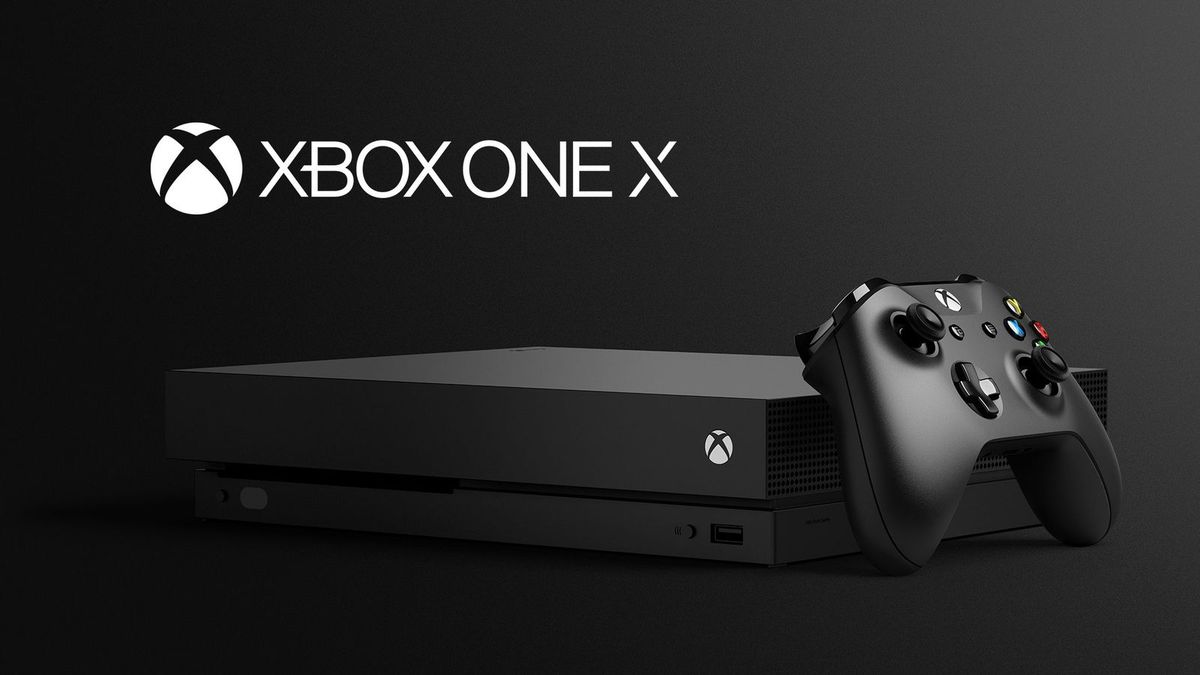
Microsoft’s strategy has leaned heavily into breadth and value. While Xbox has its own exclusives like Halo, Forza Motorsport, Gears of War, and the newly expanded Fable franchise, one of the biggest draws is Xbox Game Pass, Microsoft’s subscription service that gives you access to a huge library of games for one monthly price. This library includes both first-party exclusives and a rotating lineup of third-party games.
Microsoft also continues to invest in studios like Bethesda and Halo Infinite’s expanded universe.
Typical Xbox strengths:
• Game Pass delivers huge value
• Strong first-party titles combined with third-party access
• Backward compatibility
Nintendo
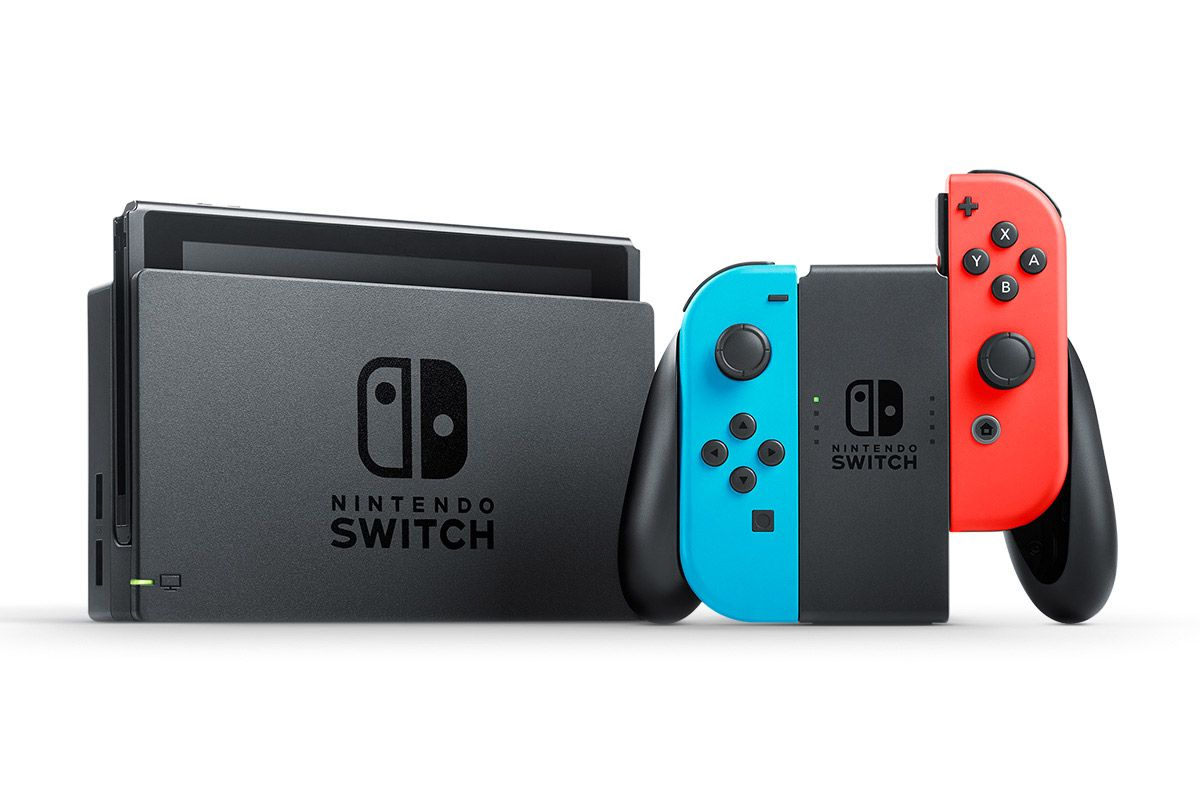
Nintendo’s strength is unshakable when it comes to beloved franchises that appeal to all ages. The Legend of Zelda, Mario, Metroid, Animal Crossing, and Pokémon games define Nintendo’s unique identity. These games often explore creativity, exploration, and family-friendly gameplay in ways no other platform does.
Nintendo continues to deliver experiences that don’t just entertain rather they create lasting cultural moments.
Typical Nintendo strengths:
• Iconic franchises that are exclusive
• Great for both kids and adults
• Strong local multiplayer games
Subscription Services and Value
One way Xbox has reshaped the landscape is with subscription services:
Xbox Game Pass
Game Pass has become a major selling point, offering a curated library of hundreds of games including new first-party titles for a monthly fee. This can be a huge bargain for players who like variety or want to explore games they might not buy outright.
PlayStation Plus
Sony’s subscription service combines online play with a library of monthly games and cloud streaming options. It’s not as extensive as Game Pass but still offers good value for PlayStation players.
Nintendo Switch Online and Expansion Pack
Nintendo’s online service combines classic game libraries with online play, and the Expansion Pack adds larger retro collections and DLC for first-party games. It’s cost-friendly and works well for nostalgic gamers.
Unique Features Worth Knowing
Each ecosystem continues to bring its own innovations:
PlayStation
DualSense Controller:
The adaptive triggers and haptic feedback continue to be standout features for immersion.
PlayStation VR2:
Sony’s latest VR platform adds immersive experiences that integrate tightly with PS5.
Xbox
Smart Delivery:
Buy a game once and get the best version for whichever Xbox you own.
xCloud & Cloud Play:
Play console titles on phones or tablets through streaming which is great for flexibility.
Nintendo
Hybrid Design:
No one else combines home and handheld gaming as seamlessly. Switch’s form factor remains a defining advantage.
Local Multiplayer:
Nintendo’s first-party games often shine brightest when played with friends or family in the same room.
Which Console Is Right for You?
Here’s a practical breakdown to help you decide:
You Love Deep Single-Player Stories
➡ PlayStation 5 Pro or PS5 Slim for Incredible exclusives and immersive adventures.
You Want the Best Value and Game Variety
➡ Xbox Series X|S with Game Pass for Huge library at a great price.
You Love Portability and Fun with Friends
➡ Nintendo Switch 2 for Play anywhere and enjoy timeless franchises.
You’re Into Multiplayer and Cross-Play
➡ Xbox and Nintendo both shine, but Xbox’s online ecosystem and Game Pass give it a strong edge.
Final Thoughts
There’s no single “best” console in 2026 but only the one that fits your playstyle, preferences, and lifestyle. The good news for gamers is that all three major ecosystems offer fantastic experiences:
PlayStation delivers cinematic AAA adventures that stay with you long after you put the controller down.
Xbox redefines value with Game Pass and a wide library of games.
Nintendo continues to innovate with hybrid play and beloved franchises that unite players of all ages.
Whether you’re a lone adventurer, a multiplayer competitor, or someone who loves gaming with friends and family, there’s a console ready to fit into your world in 2026.