Buying a new smartphone in 2026 is more confusing than ever. You can spend well over one thousand euros on a top tier device or choose a midrange phone at nearly half the price that promises similar features. The big question many buyers in Europe ask is simple: is going premium really worth it
In this blog we break down the real differences between flagship and midrange phones so you can decide whether paying for a premium device makes sense for your needs.
What Is a Flagship Phone
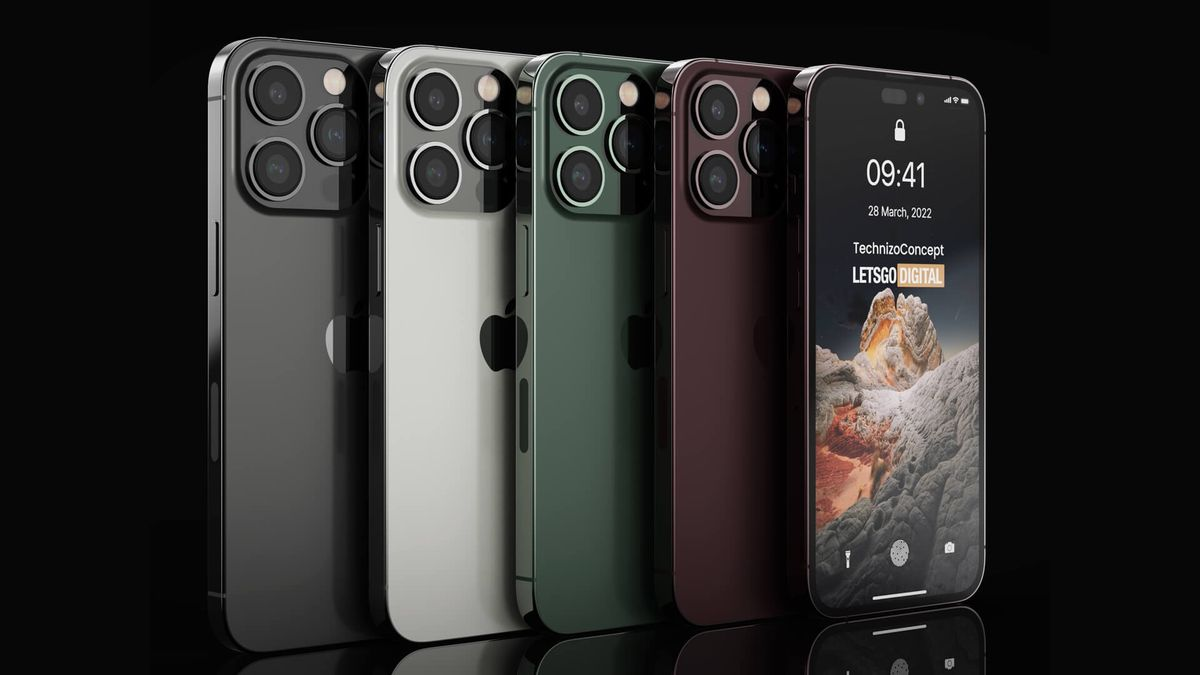
A flagship phone is a brand’s most advanced and expensive model. These devices showcase the latest technology, best materials, fastest processors, and top camera systems.
Examples of flagship phones in 2026 include devices like the Apple iPhone Pro models and Samsung Galaxy S Ultra series. These phones represent the most premium experience a company can offer.
Flagship phones typically feature
• Top tier processors
• High refresh rate OLED displays
• Advanced camera systems with multiple lenses
• Long term software support
• High quality materials like titanium or premium glass
They are designed to deliver cutting edge performance and a fully premium feel from the moment you hold them.
What Is a Midrange Phone
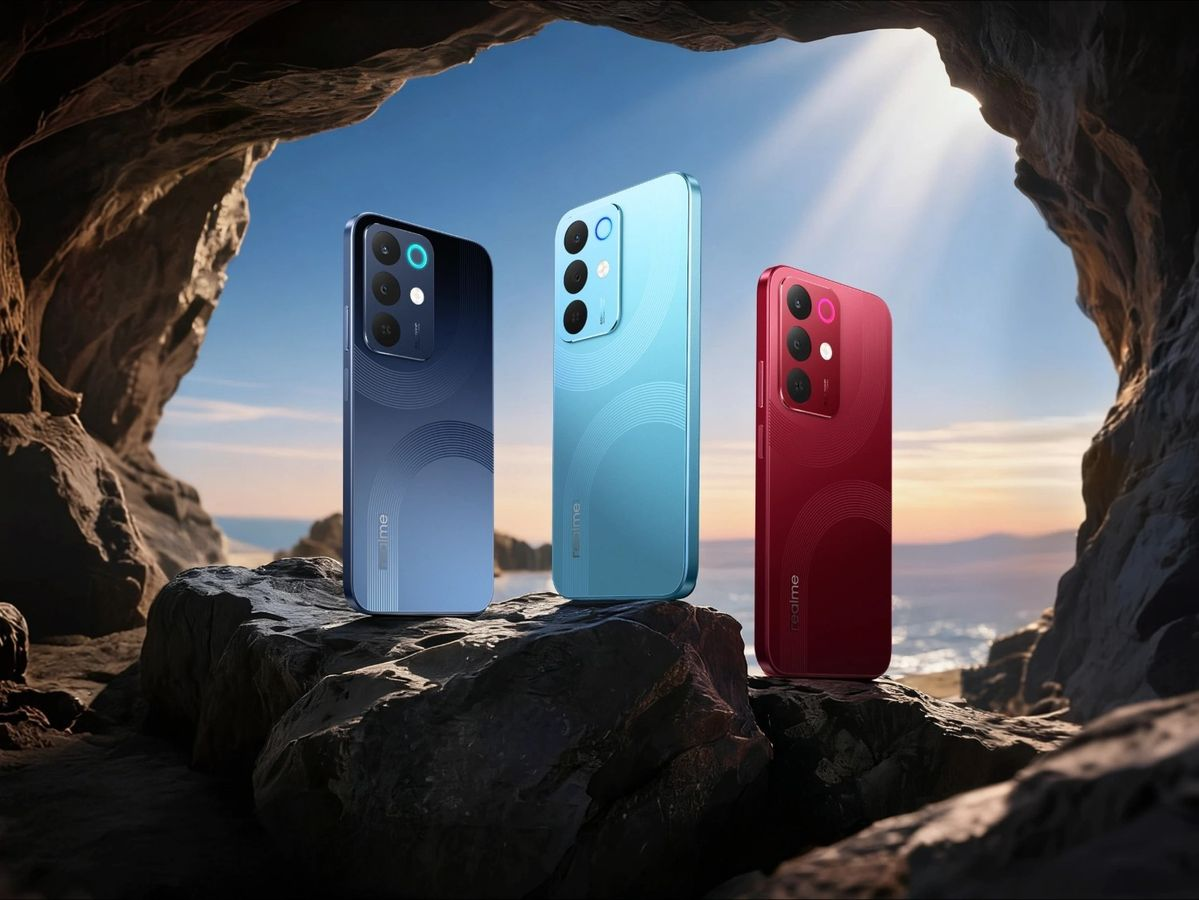
Midrange phones sit in the middle of a brand’s lineup. They are more affordable but still offer strong performance and modern features.
In 2026 midrange devices are more capable than ever. Many include large AMOLED displays, good cameras, solid battery life, and smooth performance for everyday tasks.
While they may not have every advanced feature found in a premium flagship, they often deliver excellent value for money.
Midrange phones usually offer
• Solid but slightly less powerful processors
• Very good displays, sometimes with slightly lower brightness
• Dual or triple camera setups without the most advanced sensors
• Plastic or mixed material builds
• Competitive pricing
For many users the difference in day to day use can be smaller than expected.
Performance Differences
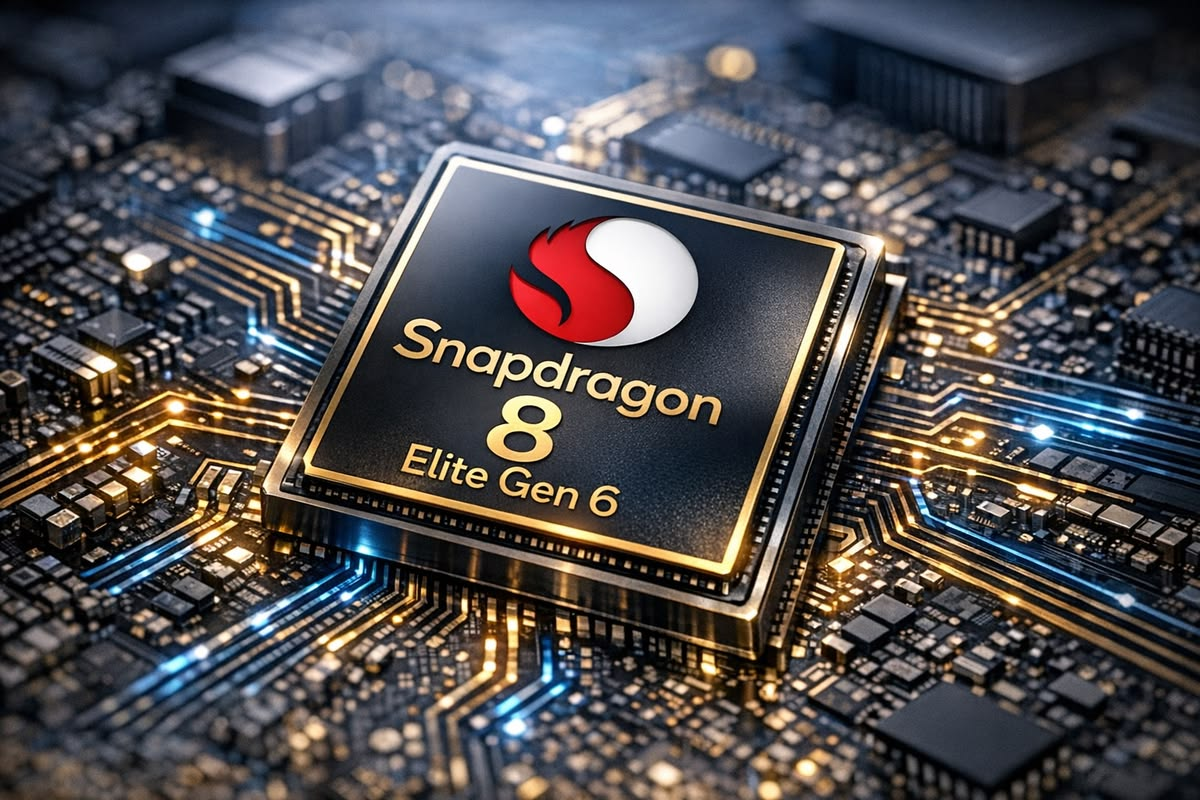
One of the biggest reasons people choose a premium flagship is performance. Flagship phones use the newest and fastest processors available. This leads to smoother gaming, faster app launches, and better long term performance over several years.
Midrange phones are still fast enough for social media, streaming, web browsing, messaging, and even moderate gaming. However, heavy gamers and power users may notice smoother graphics and better stability on a premium device.
If you mostly use your phone for everyday apps, the performance gap may not justify paying for a premium model. If you edit videos, play demanding games, or multitask heavily, the extra power can be valuable.
Camera Quality
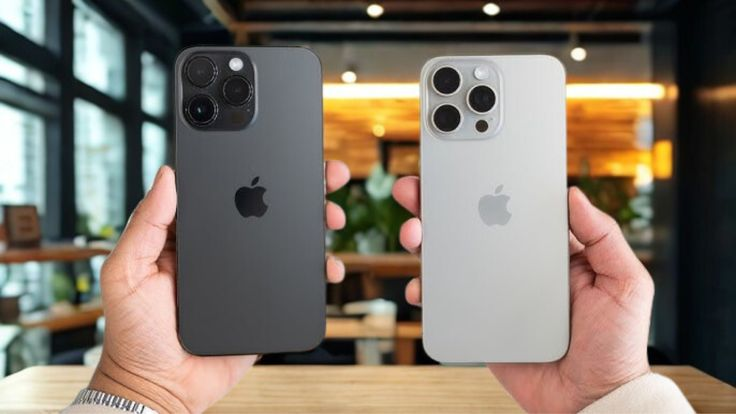
Cameras are often where premium phones shine the most. Flagship devices typically include
• Larger sensors
• Advanced image processing
• Better low light performance
• Telephoto lenses with high optical zoom
• Advanced video features
Midrange phones can still take excellent photos in good lighting conditions. For social media and casual photography, many midrange cameras are more than enough.
If photography and video are major priorities, a premium phone usually delivers more consistent and professional results. If you only take occasional photos, midrange devices can easily satisfy your needs.
Build Quality and Design
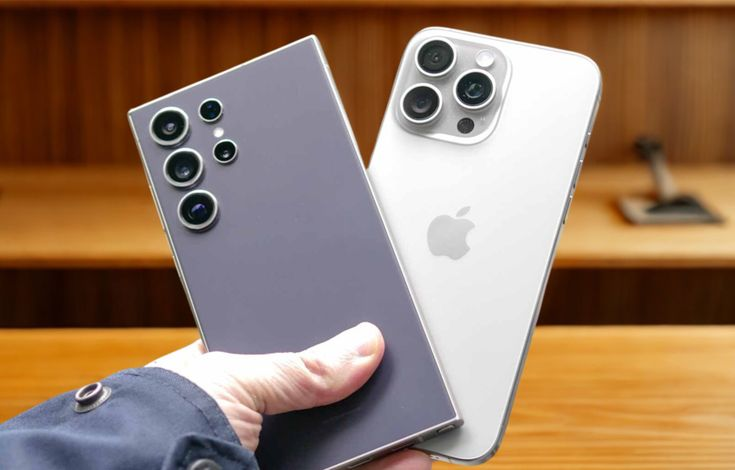
When you hold a premium phone, the difference in materials is often noticeable. Flagship devices use stronger glass, aluminum or titanium frames, and refined finishing.
Midrange phones may use plastic backs or less expensive materials, but many still feel sturdy and attractive.
The question here is how much design and material quality matter to you. A premium finish feels luxurious, but it does not always change everyday functionality.
Display Experience
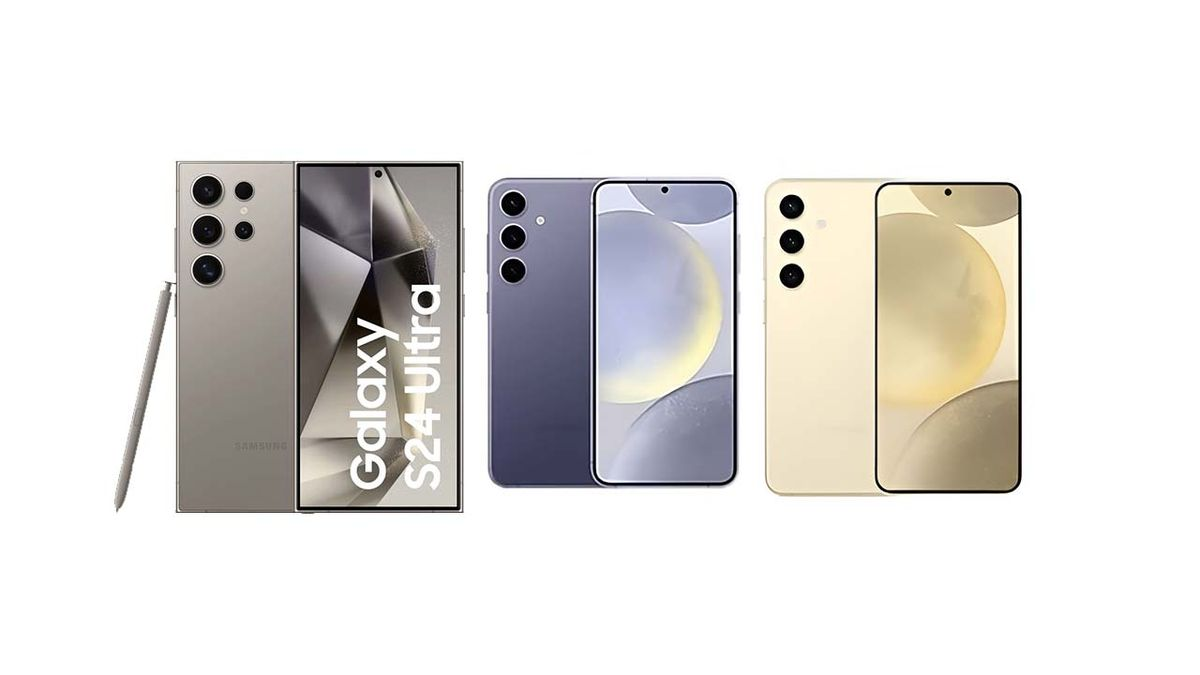
Flagship phones often feature brighter displays with higher resolution and better outdoor visibility. They may also include advanced refresh rate adjustments and improved color accuracy.
Midrange displays are still impressive in 2026. Many offer 120Hz refresh rates and vibrant AMOLED panels.
If you watch a lot of movies, play games frequently, or use your phone outdoors often, the premium display might be noticeable. Otherwise, midrange screens are more than capable for everyday use.
Battery Life and Charging
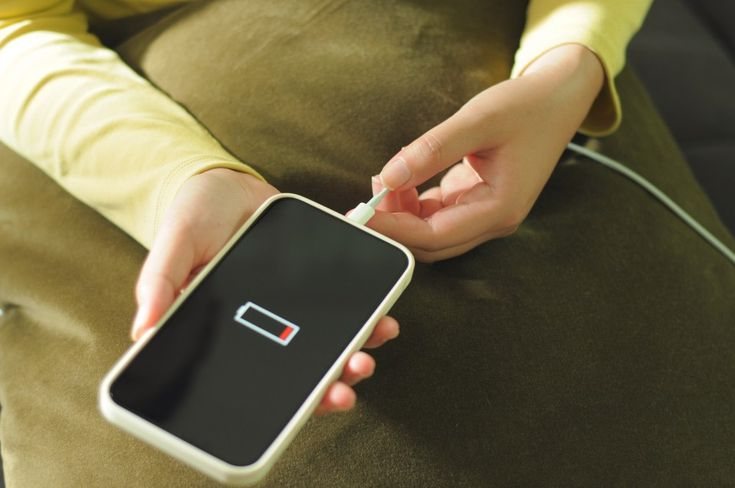
Interestingly, midrange phones sometimes match or even exceed premium phones in battery life. This is because they often use less power hungry processors and slightly lower resolution screens.
Flagship phones may offer faster wireless charging and additional charging features, but midrange devices increasingly support fast wired charging as well.
For many users battery life alone is not a reason to go premium.
Software and Longevity
One major advantage of a premium flagship is long term software support. Many flagship phones receive updates for five to seven years.
Midrange devices may receive fewer years of updates depending on the brand. However, some manufacturers are improving support across all price levels.
If you plan to keep your phone for many years, investing in a premium device can provide better long term value through extended updates and performance stability.
Price and Value
This is where the decision becomes most personal.
A premium flagship often costs significantly more than a midrange phone. That extra money pays for cutting edge performance, superior cameras, refined design, and longer support.
A midrange phone offers outstanding value and covers the needs of most users at a lower cost.
Ask yourself
Do I really use advanced camera features
Do I need the fastest processor available
Do I care about top tier materials
Will I keep this phone for many years
If your answer to most of these questions is yes, then going premium may be worth it. If not, midrange could be the smarter financial choice.
So Is Premium Worth It
The truth is that premium phones are absolutely worth it for certain users. Power users, photography enthusiasts, mobile gamers, and those who value long term software support will appreciate what a premium flagship offers.
However, for everyday users who mainly browse social media, stream videos, message friends, and take casual photos, midrange phones in 2026 deliver incredible performance at a much more accessible price.
The gap between flagship and midrange has narrowed dramatically. Paying for premium now often means paying for refinement, longevity, and top tier extras rather than essential features.
Final Thoughts
Choosing between flagship and midrange phones depends entirely on your priorities and budget. A premium device offers the best of everything with fewer compromises. A midrange phone offers excellent value and more than enough performance for most lifestyles.
Before you buy, think carefully about how you actually use your phone every day. That honest assessment will tell you whether investing in a premium experience is truly worth it for you.