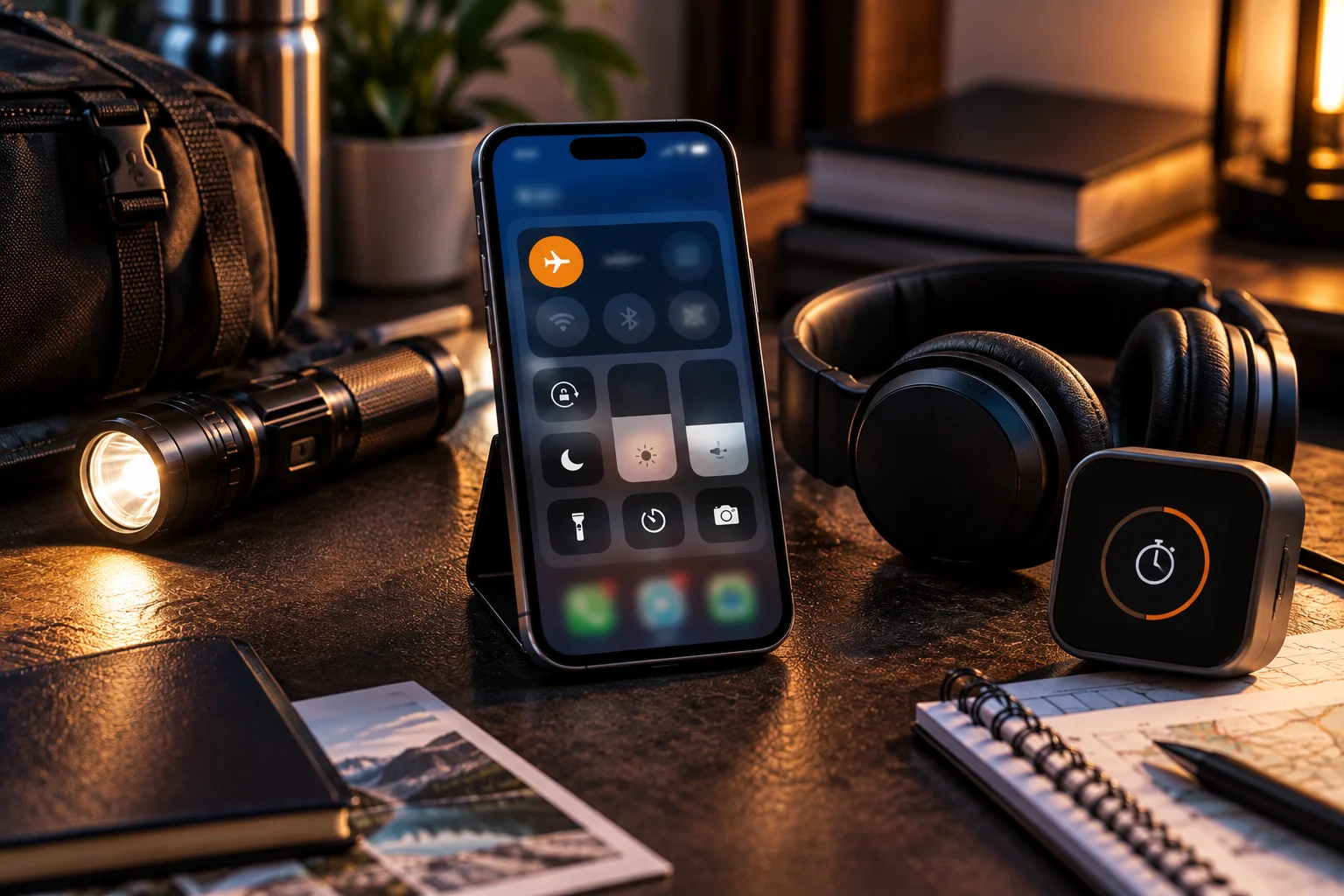
A voice assistant can still do some things without an internet connection, but its capabilities depend heavily on the device, operating system, downloaded language models, and the type of command you give it.
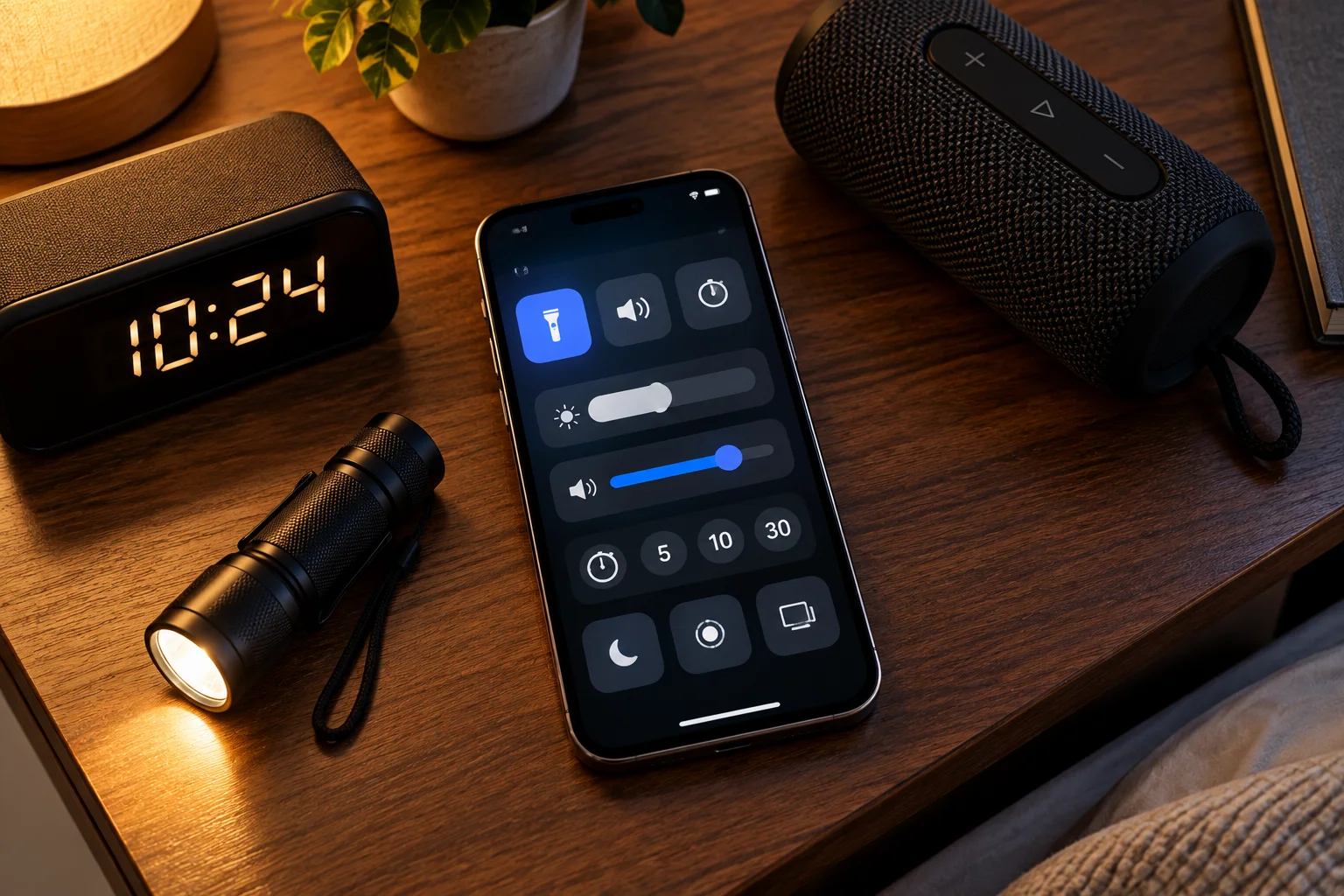
Simple device controls are the most likely to work offline. On a compatible phone, commands such as turning on the flashlight, changing volume, setting a timer, or controlling certain accessibility features can be handled locally. Android, for example, supports offline speech recognition for Voice Access after the required language pack has been downloaded.
The boundary appears when a request needs information from the internet. Asking for today's weather, searching the web, finding a nearby restaurant, streaming music that isn't downloaded, or answering a question that requires current information normally needs a network connection.
The important distinction is this: hearing your voice, understanding a command, and completing the requested task are three separate steps. Some can happen entirely on the device, while others depend on cloud services.
What Can a Voice Assistant Do Without Internet?
A voice assistant can usually handle basic device controls and certain preloaded functions offline, provided the necessary speech-recognition resources are already stored on the device.

Typical examples include:
Command | Offline potential | Why |
|---|---|---|
“Turn on the flashlight” | Usually | Device-level control |
“Turn up the volume” | Usually | Local system setting |
“Set a timer for 10 minutes” | Often | Local clock/timer function |
“Open Calculator” | Often | Launches an installed app |
“Turn on Bluetooth” | Often | Local device setting |
“Pause the video” | Often | Local media control |
“What is the weather?” | No | Requires current data |
“Search for a restaurant nearby” | No | Requires online search/location data |
“Play a song from Spotify” | Usually no | Requires streaming service access |
“Who won the game?” | No | Requires current information |
“Translate this sentence” | Depends | Requires an offline language model |
The exact behavior varies by platform. Google's Android documentation, for example, lists commands for controlling Bluetooth, Wi-Fi, volume and other device functions, while its Voice Access system can use downloaded language packs for offline speech recognition.
Why Some Voice Commands Work Offline
The key is on-device processing.
A modern smartphone can contain speech-recognition models and software capable of converting spoken words into commands without sending the audio to a remote server. Android's AICore, for example, supports on-device AI processing and can keep certain AI-powered functions working without a network connection.
Once the device recognizes a command, it may not need the cloud to execute a straightforward action.
For example:
“Turn on the flashlight.”
The process can be relatively simple:
Voice → speech recognition → command recognition → phone setting → flashlight on
There is no obvious reason to contact a remote server simply to change a local hardware setting.
This is why basic commands can sometimes continue working even when your phone is in Airplane Mode.
Which Commands Usually Need the Cloud?
Commands requiring external information generally need an internet connection.
Consider:
“What's the weather in New York today?”
The assistant needs current weather information. That information isn't stored permanently on your phone, so the request generally has to reach an online service.
The same applies to searches, news, live sports results, current traffic, online shopping, restaurant information and many general knowledge questions.
Modern assistants can also use cloud-based AI models for complex conversations. Apple's current Siri experience, for example, can use broader world knowledge and external services for questions that go well beyond basic device control.
A useful rule is:
If the answer or action depends on something outside your device, expect the cloud to be involved.
Can Siri Work Without Internet?
Siri's offline capabilities are more limited than basic iPhone voice control.
Apple's current support documentation says that when an iPhone is offline, Siri will usually respond that it is having trouble with the connection.
However, this shouldn't be confused with Voice Control, Apple's separate accessibility feature.
Once Voice Control has been initially set up and its language files have been downloaded, Apple says it can be used without an internet connection. It can control the iPhone using voice commands, including navigation and interaction with on-screen controls.
So an offline iPhone may still offer extensive voice control even when Siri itself cannot perform a normal online request.
Can Gemini or Google Assistant Work Without Internet?
Android has a particularly interesting distinction between the assistant and device-level voice control.

Google's Voice Access supports offline speech recognition after the appropriate language pack is downloaded. It can handle commands such as turning Bluetooth or Wi-Fi on and off, adjusting volume, muting the device and controlling elements on the screen.
Gemini can also control many Android functions, including the flashlight, battery saver, volume, media playback, alarms and timers.
But that doesn't mean the entire Gemini experience works offline.
Asking Gemini to search the web, retrieve current information, use cloud-connected services or perform an action requiring an online service can still require internet access.
In other words, Android can retain substantial local voice control without retaining the full online assistant experience.
Can Alexa Work Without Internet?
Alexa has one of the clearest examples of deliberately supported offline functionality.
Amazon's Local Voice Control allows selected Echo devices to fulfill a limited set of requests without internet access, including controlling supported lights, plugs and switches.
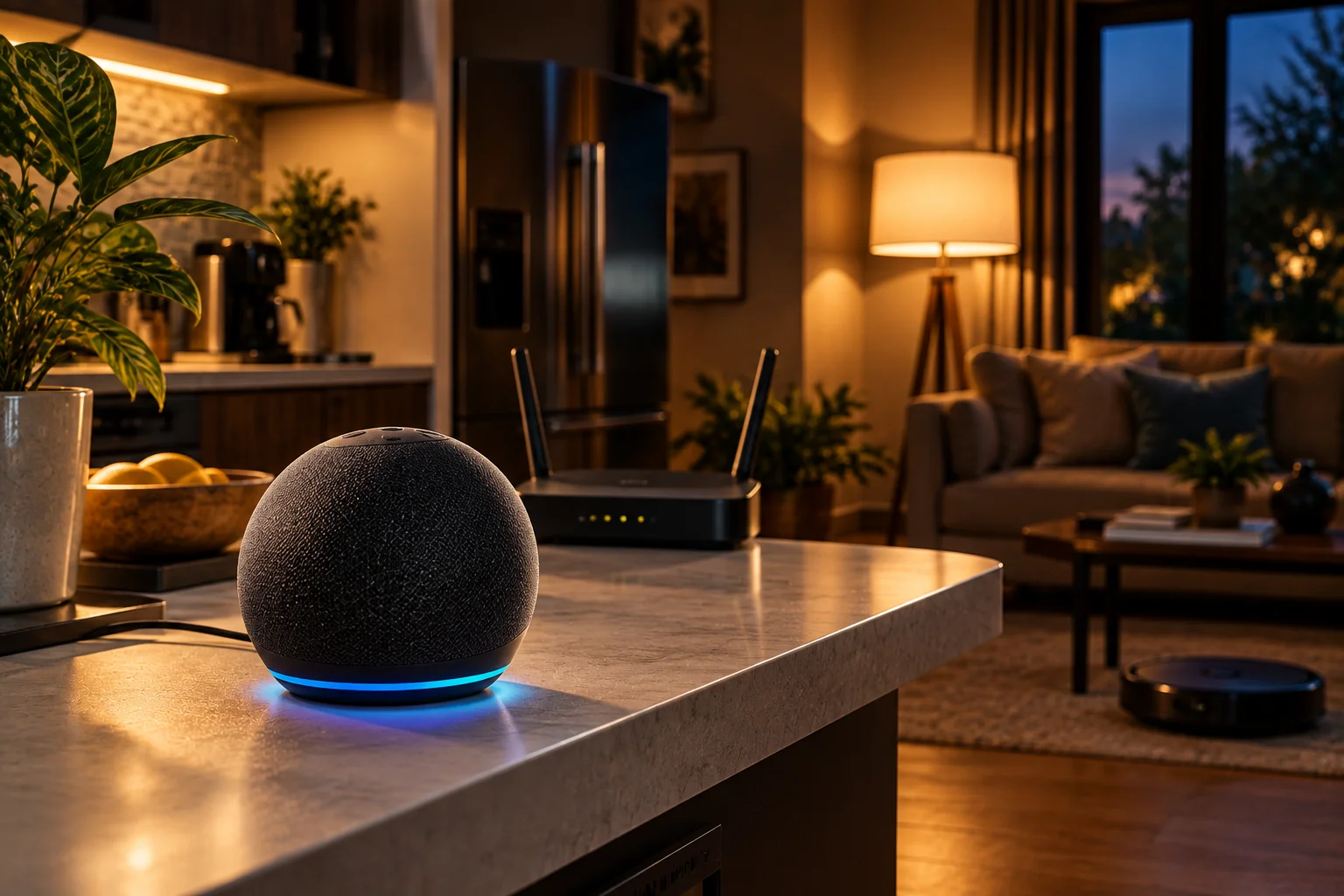
The important word is limited.
Alexa's normal cloud-connected capabilities are much broader, but local control can continue during an internet outage when the compatible hardware and configuration support it.
Amazon also supports local smart-home connections through technologies such as Zigbee, Matter, Thread and Bluetooth-based connectivity. Depending on the technology and device, this can allow certain smart-home commands to continue working when the internet or cloud infrastructure is unavailable.
That means:
Internet down + local smart-home connection available = some Alexa commands may still work.
It doesn't mean Alexa suddenly becomes a fully offline version of its cloud service.
Why “Offline” Doesn't Always Mean “No Connectivity”
There's another important distinction: internet connectivity and local connectivity aren't the same thing.
Imagine your phone and smart bulb are connected to the same home network.
Your internet connection might be down, but the local network could still be functioning. A compatible system may therefore communicate directly with the smart device without contacting the wider internet.
This is why technologies such as Matter, Thread, Zigbee and Bluetooth can matter for offline smart-home control.
The same principle applies to downloaded music. If you've already downloaded a playlist, your voice command may be able to control playback locally, but asking an assistant to search a streaming service for a new song is a different task.
What Happens When You Ask a Complex Question Offline?
This is where the difference between command recognition and AI reasoning becomes obvious.
Suppose you say:
“Turn on the flashlight.”
That's a predefined action.
Now compare it with:
“Explain why my phone battery is draining faster this week.”
The second request requires interpretation, potentially personal device information, and possibly external knowledge. A cloud-connected AI assistant has far more resources available for that type of request.
Some newer phones contain capable on-device AI models. Android AICore, for instance, supports Gemini Nano and other local AI features. Google says these models can operate without an internet connection for supported tasks.
But on-device AI does not mean every AI feature is available offline. The model, application and specific feature all have to support local processing.
How to Make Voice Control More Useful Offline
If you regularly travel, camp, fly or work in areas with unreliable connectivity, prepare your device before going offline.

Download offline speech-recognition language packs where supported.
Download music, podcasts and videos you want available offline.
Download offline maps for areas you may visit.
Test important voice commands in Airplane Mode.
Keep essential apps installed locally.
Check whether your smart-home devices support local control.
Don't assume that an assistant's online capabilities will automatically work offline.
Google specifically recommends downloading language packs for offline speech recognition when using Voice Access on supported Android versions.
FAQs About Offline Voice Assistants
Can I use voice commands without Wi-Fi?
Yes, some voice commands can work without Wi-Fi. Device controls, accessibility commands and certain timers or media controls may work locally. The exact capabilities depend on the device and software.
Can a voice assistant answer questions without internet?
Sometimes, if the answer comes from information or an AI model stored on the device. Current information, web searches and many cloud-based AI requests generally require connectivity.
Can Alexa control smart lights when the internet is down?
On supported Echo devices and compatible smart-home configurations, yes. Amazon's Local Voice Control supports a limited set of offline smart-home requests.
Does offline voice recognition mean the assistant is fully offline?
No. Speech recognition can happen locally while the requested action still requires the internet. The two functions shouldn't be treated as the same thing.
The Bottom Line
A voice assistant doesn't simply switch between working and not working when the internet disappears.
Instead, its capabilities fall into different layers.
Local device controls can often survive an outage. Offline speech recognition can work when the necessary models are downloaded. Local smart-home control can remain available on compatible systems. But web searches, current information, streaming services and many cloud-based AI features still depend on an internet connection.
The simplest way to think about it is:
If your device already has everything it needs to understand and execute the command, it may work offline. If it needs information or processing from somewhere else, you'll probably need the cloud.