Headphones have changed dramatically over the past decade. What was once mainly about delivering music with better sound quality has become a much broader experience involving microphones, sensors, software, artificial intelligence, and increasingly sophisticated audio processing.
Two technologies are particularly important in today's wireless audio market: noise cancellation and adaptive audio.
Although the terms are sometimes used interchangeably, they describe different approaches to managing the sounds around you. Noise cancellation generally focuses on reducing unwanted external sounds, while adaptive audio can continuously adjust the listening experience according to the surrounding environment and what the user is doing.
Understanding that difference can make it much easier to choose the right Headphone for commuting, travel, work, exercise, entertainment, or everyday listening.
What Is Noise Cancelling Technology?
Noise cancelling headphones use microphones and electronic processing to reduce unwanted environmental sounds.
Active Noise Cancellation, commonly called ANC, works by detecting external sound and generating an opposing signal. The goal is to reduce the amount of unwanted noise that reaches your ears.
This technology is particularly useful for relatively consistent sounds such as:
• Airplane engine noise
• Train and subway sounds
• Air conditioning systems
• Office background noise
• Road and traffic sounds
The effectiveness depends on the headphones, their microphone system, ear seal, processing technology, and the type of sound being reduced.
ANC is generally more effective against continuous low frequency noise than sudden or irregular sounds. Human speech, alarms, clapping, or a nearby conversation can be more difficult to suppress completely.
How Does Adaptive Audio Work?
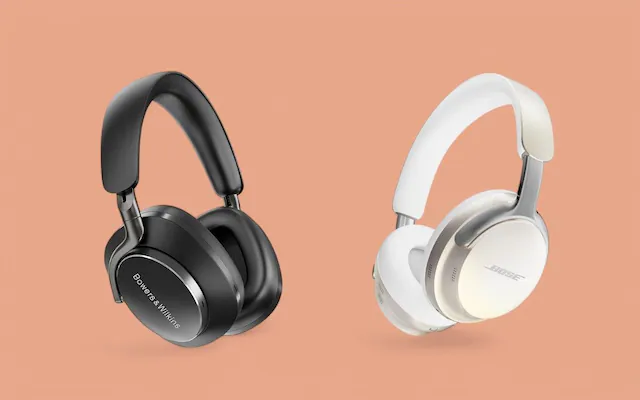
Adaptive audio takes a more dynamic approach.
Instead of simply trying to reduce as much external sound as possible, an adaptive system can change the listening experience based on environmental conditions.
Depending on the product, this can involve automatically adjusting the balance between noise cancellation and environmental awareness.
For example, imagine wearing headphones while walking through a city. You may want music to remain clear while still being aware of traffic and announcements. When you enter a quiet café, the headphones could behave differently because there is less environmental noise to manage.
Some systems also allow users to switch between noise cancellation, transparency, and other listening modes.
The exact implementation varies considerably between manufacturers, so adaptive audio should not be treated as a single universal technology.
Noise Cancelling vs Adaptive Audio
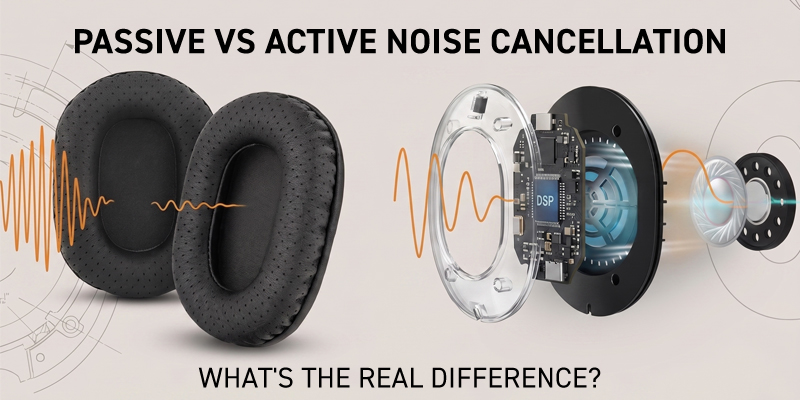
The simplest way to understand the difference is to think about the objective.
Noise cancellation: The primary goal is reducing unwanted external sound.
Adaptive audio: The goal is dynamically managing the relationship between your audio and the environment.
ANC can be ideal when you want to create a quieter listening environment. Adaptive audio can be useful when your surroundings change frequently and you want the headphones to respond automatically or semi automatically.
In practice, modern headphones can combine both technologies. A device may use ANC as its underlying noise reduction system while software continuously changes how aggressively it operates.
That means the choice is not always between one technology or the other.
Transparency and Awareness Modes
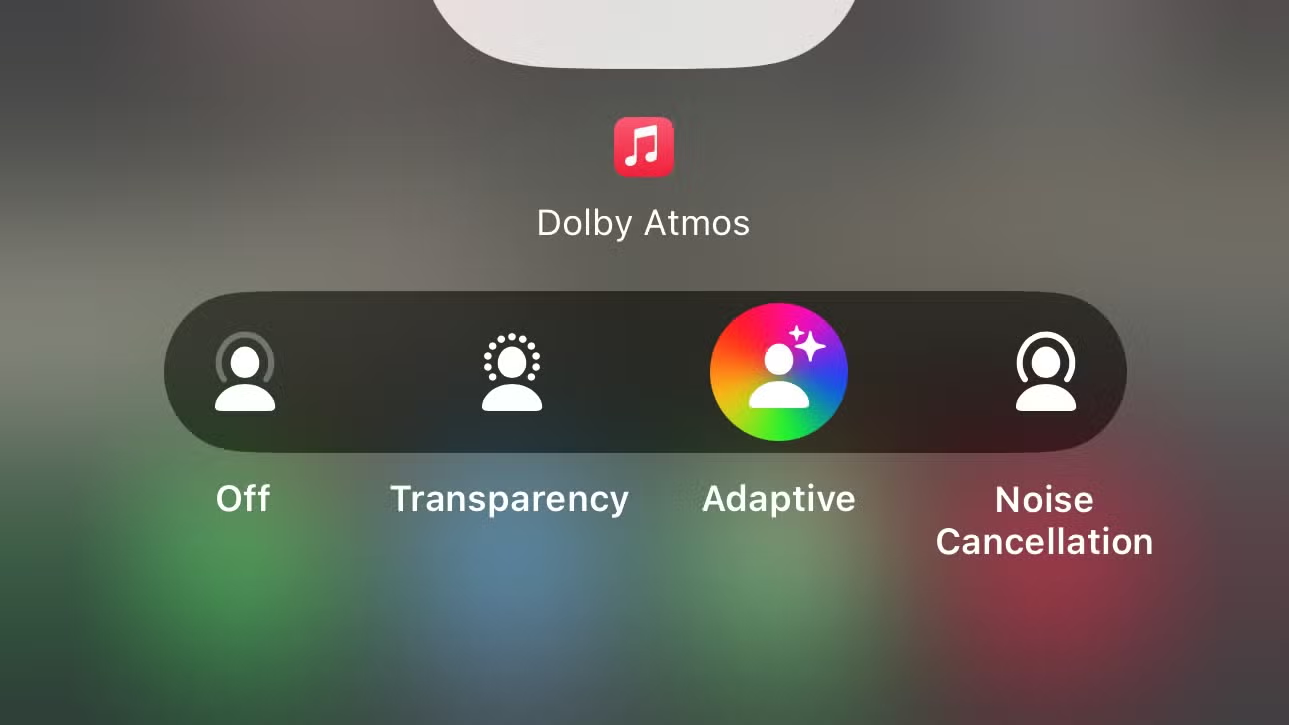
One of the most useful developments in modern Headphone technology is the ability to hear your surroundings without completely removing your headphones.
Transparency or ambient modes use microphones to capture external sounds and feed them into the headphones alongside your music.
This can be useful when:
• Listening for an airport announcement
• Speaking briefly with someone
• Ordering coffee
• Walking in an environment where awareness matters
• Working in an office
• Listening for household sounds
The quality of transparency mode can vary considerably. Good implementations can sound relatively natural, while less refined systems may make outside voices sound processed or artificial.
Adaptive audio can build on this concept by changing how much environmental sound is allowed through depending on the situation.
Why Adaptive Technology Matters During Travel
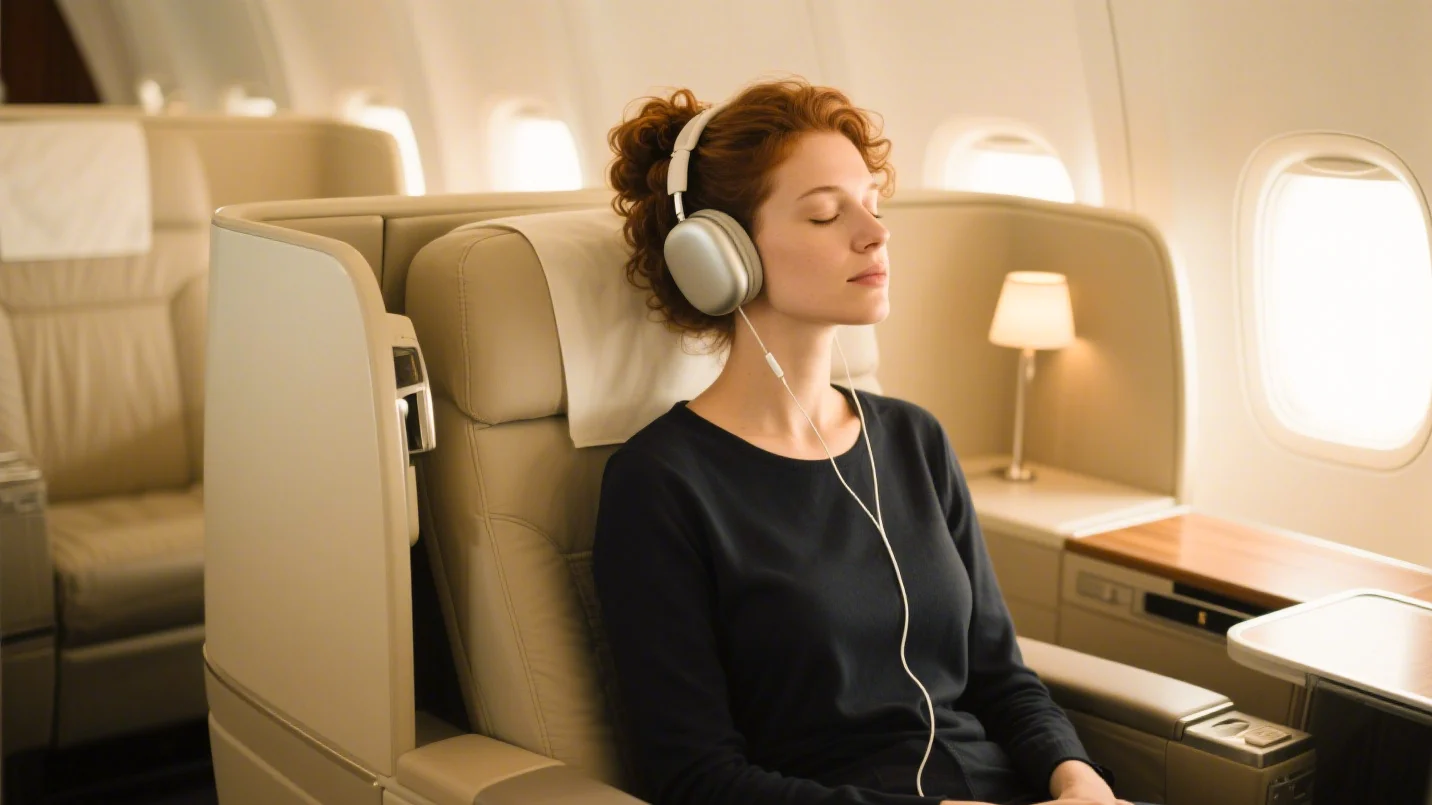
Travel is one of the clearest examples of why different listening technologies can work together.
During a flight, strong ANC can help reduce the steady sound of the aircraft cabin. During boarding, however, passengers may need to hear announcements or communicate with staff.
At an airport, transparency or adaptive modes can be more useful than maximum noise cancellation. Once seated on the aircraft, stronger noise reduction may become more desirable.
The same principle applies to train journeys. A traveler may want strong noise reduction while the train is moving but greater environmental awareness when approaching a station.
This ability to move between different listening conditions is one reason software controlled audio has become such an important part of modern headphones.
Adaptive Audio and Everyday Work
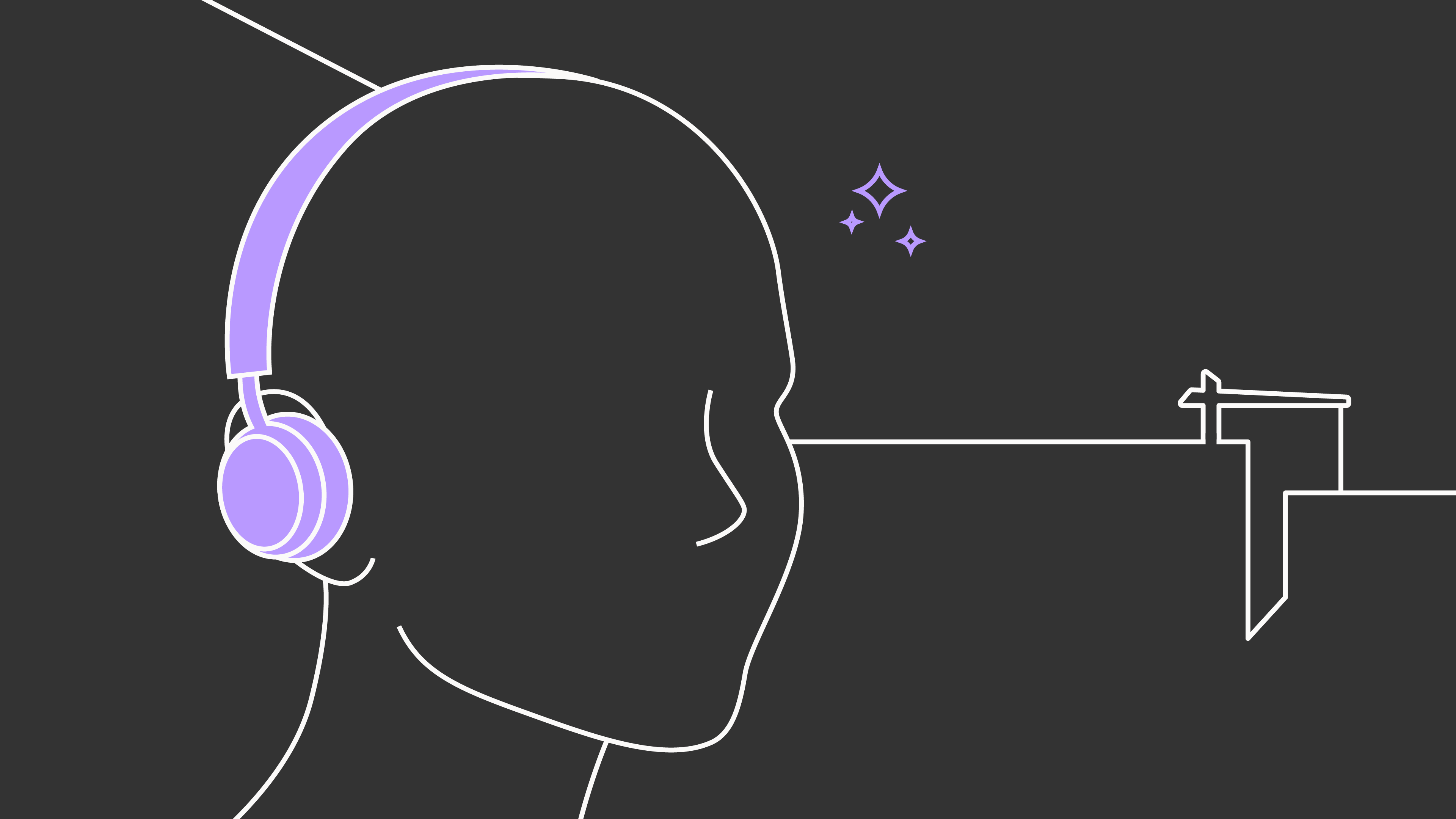
The modern workplace is another environment where adaptive listening can be useful.
Working from home might involve a relatively quiet room one moment and household activity the next. A shared office can alternate between focused work, conversations, meetings, and announcements.
ANC can help create a quieter environment for concentrated work. Transparency can make quick conversations easier without removing the headphones. Adaptive systems can make switching between those conditions less manual.
Microphone technology also matters here.
For calls and meetings, a Headphone with multiple microphones may use software processing to improve voice clarity and reduce unwanted background sounds. This can be particularly helpful for people who frequently move between home offices, cafés, coworking spaces, and other environments.
AI Is Making Headphones More Intelligent
Artificial intelligence and machine learning are increasingly influencing audio technology.
Modern headphones can use sophisticated algorithms to analyze environmental sounds, distinguish between different types of audio, and adjust processing accordingly.
Future systems could become increasingly capable of recognizing situations rather than simply measuring sound levels.
For example, a system might distinguish between a quiet office, a busy street, public transportation, and a conversation. It could then apply different listening settings depending on the context.
AI may also contribute to voice enhancement, personalized sound profiles, hearing related features, and more intelligent call processing.
However, more processing does not automatically mean better sound. Good audio still depends on hardware design, drivers, microphones, fit, acoustics, and careful tuning.
Sound Quality Still Matters
It is easy to focus on ANC and adaptive features while forgetting the most fundamental purpose of headphones: listening to audio.
A good Headphone should provide a balanced and enjoyable listening experience.
Important factors include:
• Driver quality
• Frequency response
• Bass control
• Vocal clarity
• Treble detail
• Distortion
• Soundstage
• Codec support
• Digital signal processing
• Equalizer options
A technically impressive noise cancellation system cannot compensate for poor audio tuning.
The best overall experience usually comes from a combination of strong acoustic hardware and intelligent software.
Battery Life Becomes More Important
Advanced audio processing requires power.
ANC continuously relies on microphones and processing, while adaptive systems may monitor environmental conditions and change audio settings in real time.
That makes battery life an important consideration.
When comparing headphones, look beyond the headline battery figure. Check whether the advertised battery life applies with ANC enabled or disabled, whether additional features affect endurance, and how quickly the device can recharge.
Fast charging can also be useful. A short charging session before a commute or flight can provide enough listening time for several hours.
Comfort Can Matter More Than Features
The most advanced Headphone technology is not particularly useful if the headphones become uncomfortable after thirty minutes.
For over ear headphones, consider:
• Overall weight
• Headband padding
• Ear cup size
• Clamping pressure
• Material quality
• Heat buildup
• Adjustability
For earbuds, fit and ear tip options become especially important.
Comfort is highly personal. A headphone that feels excellent to one person may feel too tight or too loose for another.
If possible, trying the headphones before purchasing can be valuable.
Which Technology Is Better for You?
There is no single listening technology that is ideal for every situation.
For frequent travelers
Strong ANC can be particularly useful for airplanes, trains, and other environments with continuous background noise.
For office workers
A combination of ANC and transparency can provide flexibility between focused work and conversations.
For commuters
Adaptive listening can be useful when environmental conditions change frequently.
For music focused listeners
Prioritize sound quality, driver performance, comfort, and audio customization alongside noise control.
For outdoor users
Environmental awareness becomes especially important. Transparency or ambient listening can be useful when situational awareness is necessary.
What to Check Before Buying a Headphone
Before buying a new Headphone, consider how you actually listen rather than simply counting features.
Look at:
• Type of noise cancellation
• Adaptive audio capabilities
• Transparency or ambient mode
• Sound quality
• Microphone performance
• Battery life
• Charging speed
• Comfort
• Connectivity
• Bluetooth capabilities
• Companion app
• Equalizer controls
• Multipoint connectivity
• Water or sweat resistance where relevant
• Compatibility with your devices
• Privacy and software permissions
The most useful features are the ones that match your daily routine.
The Future of Headphone Technology
The future of headphones is likely to involve increasingly intelligent audio processing.
Instead of manually selecting between noise cancellation and transparency, users may increasingly rely on headphones that understand their surroundings and adjust automatically.
AI could make environmental recognition more precise. Personalized audio could become more sophisticated. Voice processing could improve calls in noisy environments. Devices could potentially learn listening preferences and make subtle adjustments without requiring constant interaction.
At the same time, manufacturers will need to address battery consumption, privacy, processing requirements, comfort, and reliability.
The goal is not necessarily to make headphones constantly change. The goal is to make those changes useful enough that the listener barely needs to think about them.
Frequently Asked Questions
What is noise cancellation in headphones?
Noise cancellation uses microphones and electronic processing to reduce unwanted external sounds. Active Noise Cancellation is particularly useful for continuous background noise such as aircraft engines, trains, and air conditioning.
What is adaptive audio?
Adaptive audio refers to technology that changes the listening experience according to environmental conditions or user activity. Depending on the device, it can adjust noise cancellation, transparency, volume, or other audio characteristics.
Is adaptive audio the same as ANC?
No. ANC primarily focuses on reducing external noise, while adaptive audio can dynamically adjust how the headphones interact with surrounding sound. A single device can use both technologies.
Is ANC useful for music?
Yes. By reducing external noise, ANC can make music easier to hear in busy environments. This may also allow listeners to avoid increasing volume simply to overcome background noise.
Does noise cancellation reduce all outside sounds?
No. ANC is generally more effective against consistent low frequency sounds than sudden or irregular noises. Fit, microphone quality, processing, and headphone design also affect performance.
Does adaptive audio use more battery?
It can. Adaptive features may require continuous microphone monitoring and additional processing. Actual battery impact varies by device and the specific features being used.
What should I prioritize when buying headphones?
Consider your main use case first. Sound quality, comfort, noise control, battery life, microphone performance, connectivity, and software features are all important. The right balance depends on whether you primarily travel, work, exercise, or listen to music at home.
Conclusion
Modern headphones are no longer passive audio devices. They are increasingly sophisticated computers for your ears, combining microphones, sensors, wireless connectivity, digital processing, and intelligent software.
Noise cancellation remains valuable for creating a quieter listening environment, while adaptive audio adds another layer by responding to changing surroundings. Together, these technologies can make listening more flexible across travel, work, commuting, and everyday life.
As AI and audio processing continue to improve, future headphones may become even better at understanding when users want isolation, when they need environmental awareness, and how audio should be adjusted for the situation.
For buyers, the key is to look beyond marketing terminology. Understanding what ANC, transparency, adaptive audio, sound processing, and battery features actually do makes it easier to choose a Headphone that fits the way you really listen.