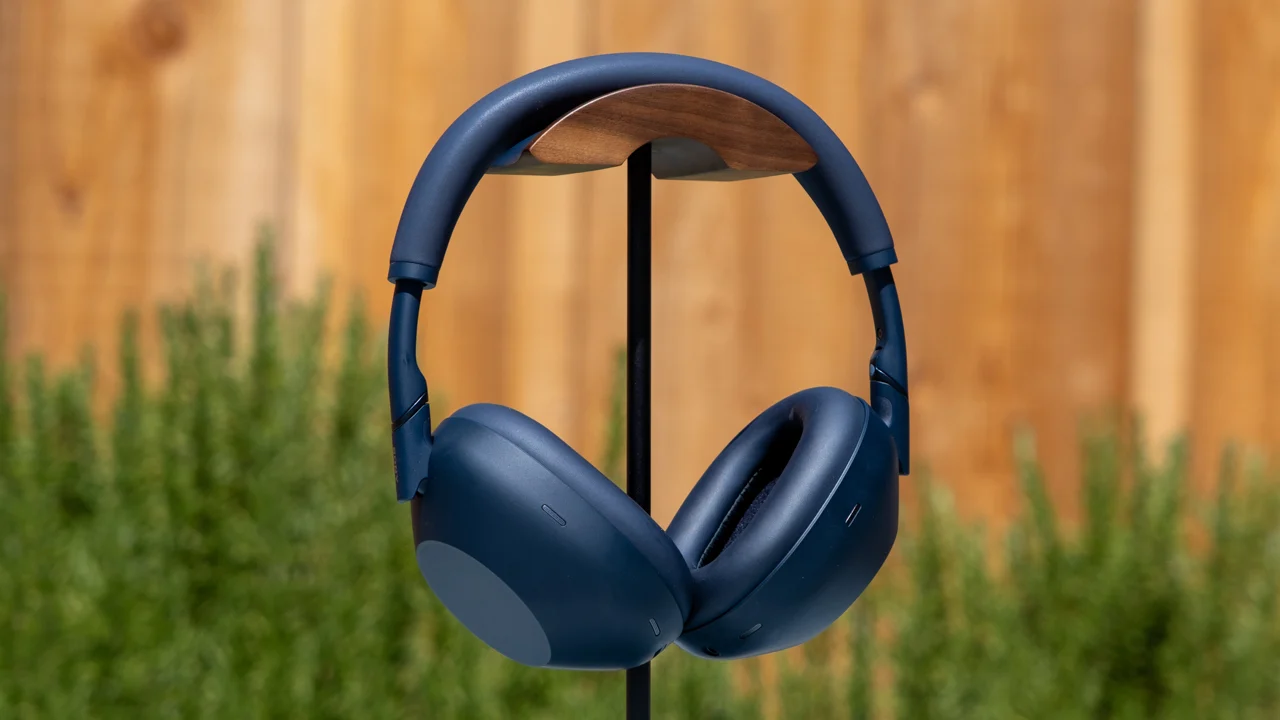
Wireless headphones have become much more than a convenient alternative to wired audio. In 2026, a modern pair can combine active noise cancellation, spatial audio, intelligent sound processing, high quality microphones, multipoint connectivity, long battery life, and AI powered features in a single device.
That creates more choice, but it also makes shopping more complicated. Two headphones may both advertise premium sound and noise cancellation while offering very different experiences in areas such as comfort, microphone quality, software, spatial audio, and battery performance.
The best Wireless Headphone for one person may not be the right choice for another. A frequent traveler may prioritize powerful ANC, while someone working remotely may care more about call quality and multipoint connectivity. A movie enthusiast may want convincing spatial audio, while a music listener may prioritize balanced sound and customization.
This guide looks at the technologies that matter most when comparing wireless headphones in 2026 and explains what to consider before buying.
What Makes a Wireless Headphone Worth Considering in 2026?
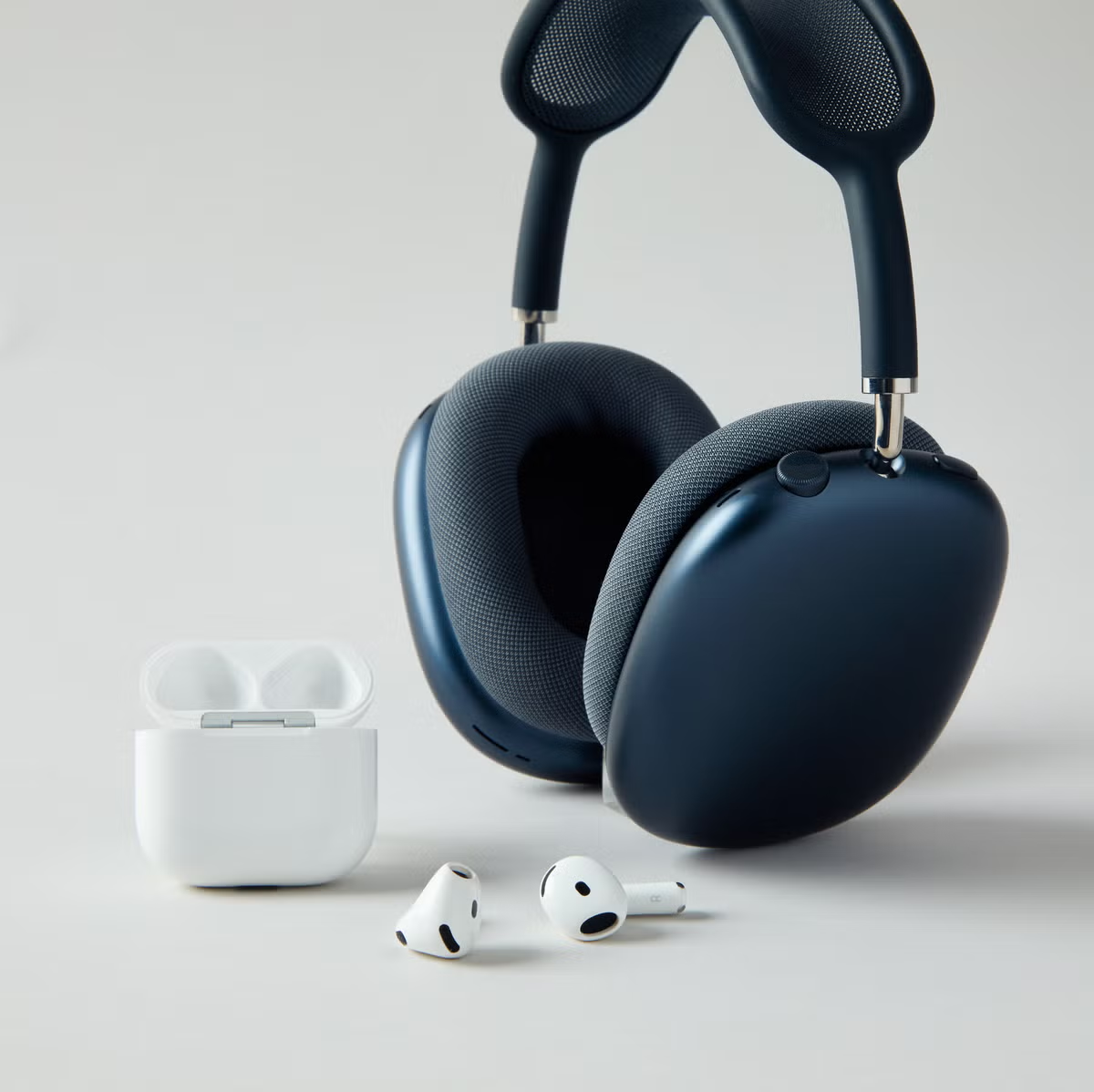
The wireless headphone market has matured considerably. Basic Bluetooth connectivity is no longer enough to distinguish a premium model.
A strong model should offer a useful combination of hardware and software.
Important areas include:
• Active Noise Cancellation
• Transparency or ambient listening
• Spatial audio
• High quality wireless connectivity
• Reliable microphones
• Long battery life
• Comfortable design
• Multipoint connectivity
• Customizable sound
• Smartphone application support
• AI assisted features where available
• Fast charging
• Reliable controls
Rather than choosing a model because it has the longest specification list, consider how these features fit your everyday routine.
ANC: One of the Most Important Features
Active Noise Cancellation remains one of the biggest reasons people upgrade to premium wireless headphones.
ANC uses microphones to detect external sound and electronic processing to reduce unwanted noise. It is particularly useful for continuous sounds such as aircraft engines, trains, buses, air conditioning, and general office noise.
For frequent travelers, strong ANC can make long journeys considerably more comfortable. It can also make podcasts and music easier to hear without competing with surrounding noise.
However, ANC is not designed to eliminate every sound. Sudden noises and nearby conversations can be more difficult to reduce.
Fit also matters. Over ear headphones with a good seal can provide additional passive isolation, complementing the electronic noise cancellation system.
Spatial Audio Makes Entertainment More Immersive
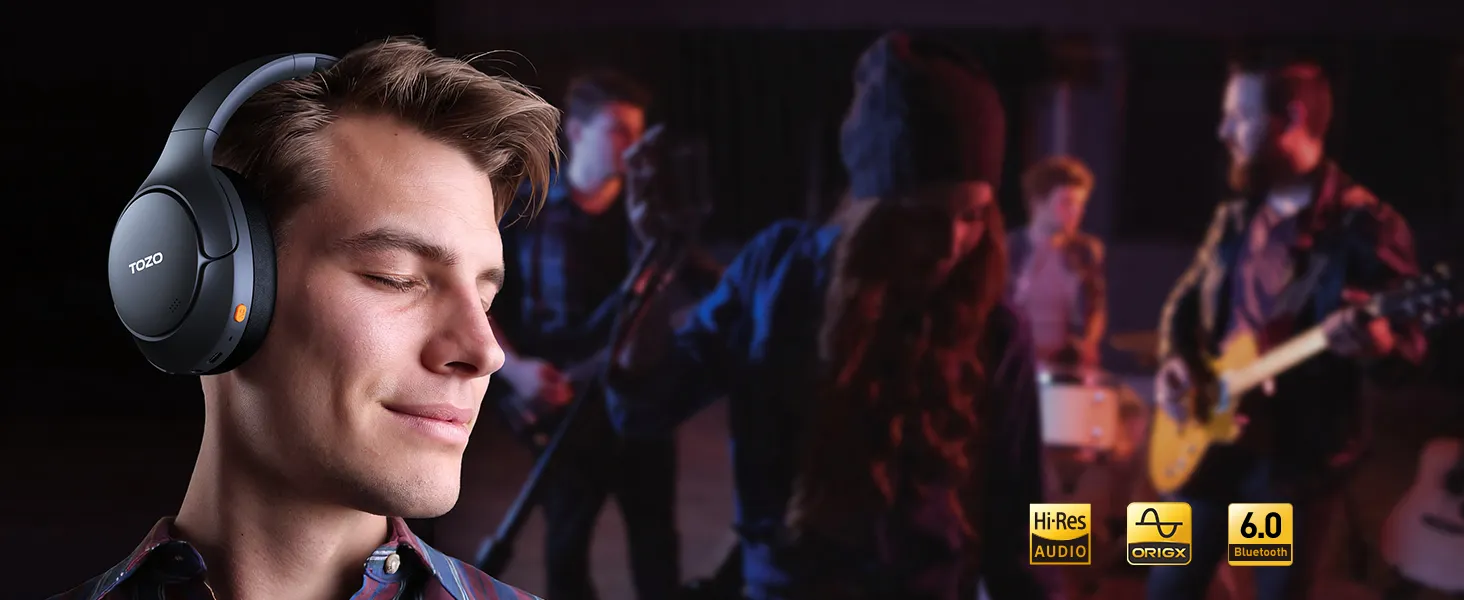
Spatial audio has become an increasingly important feature in premium wireless headphones.
Instead of presenting sound as simply coming from the left and right channels, spatial audio attempts to create a more three dimensional listening experience.
This can be particularly interesting for movies and television. Compatible content can create the impression that dialogue, music, and effects occupy different positions around the listener.
Some systems also support head tracking. When the listener turns their head, the audio field can respond in a way that attempts to maintain the perceived position of sound.
The experience depends on several factors, including the headphones, operating system, application, content format, and spatial audio implementation.
For people who primarily listen to music, spatial audio may be less important than sound quality and tuning. For movie and entertainment use, however, it can add another dimension to the experience.
AI Features Are Becoming More Common
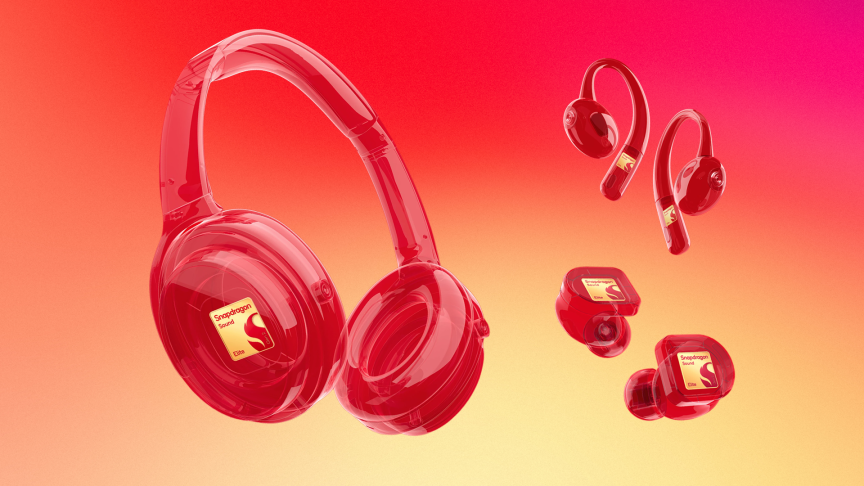
Artificial intelligence is becoming part of the headphone experience in several different ways.
One area is voice processing. Headphones with multiple microphones can use advanced algorithms to isolate the user's voice from background noise during calls.
AI can also contribute to environmental sound recognition, automatic listening adjustments, personalized sound profiles, and voice assistant interactions.
Some future oriented systems may become increasingly aware of context. Instead of requiring users to manually switch between different listening modes, software could potentially identify whether they are traveling, working, walking, or talking.
AI does not automatically make one Wireless Headphone better than another. The practical value depends on how accurately and reliably those features work.
Sound Quality Still Comes First
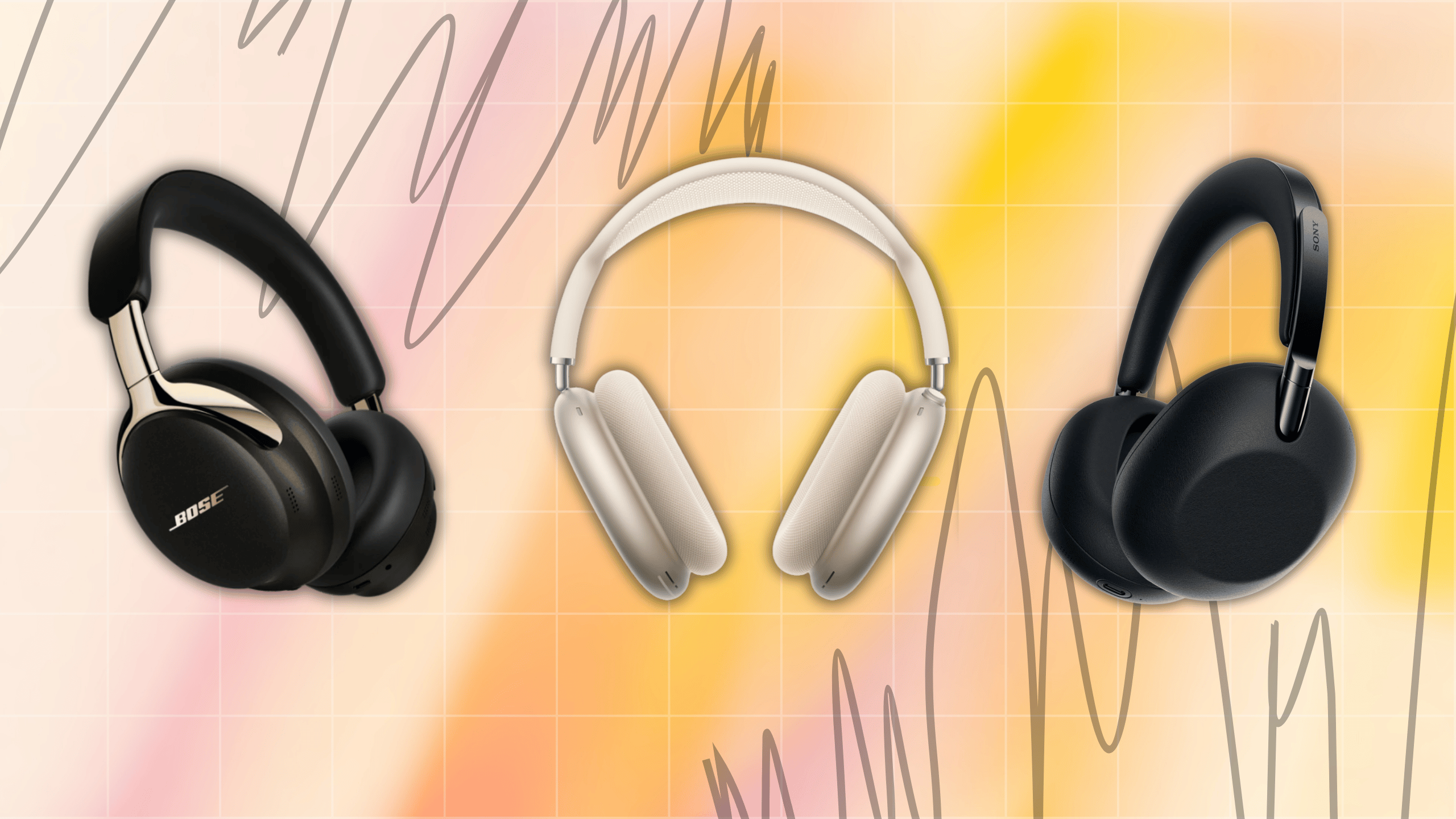
Advanced software features should not distract from the basic purpose of headphones: delivering enjoyable sound.
When comparing a Wireless Headphone, consider how it handles different types of music.
A good all round tuning should provide controlled bass, clear vocals, detailed instruments, and comfortable high frequencies.
Some listeners prefer strong bass, while others want a flatter and more natural presentation. This is where an equalizer can be useful.
A companion application that allows users to adjust sound can make headphones more flexible. It can also allow users to create different profiles for music, podcasts, movies, or other content.
Battery Life Matters More Than Ever
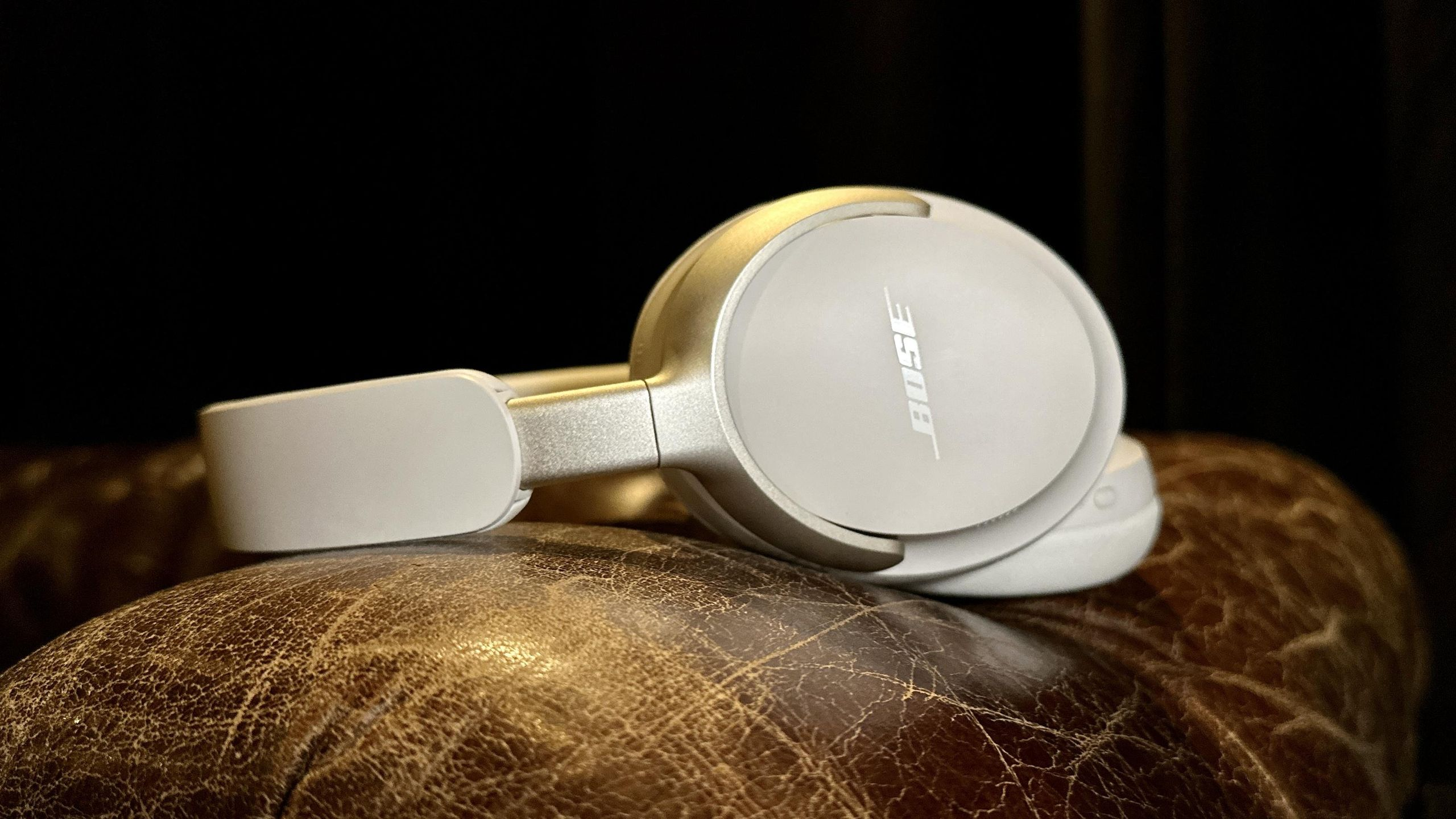
Wireless headphones depend entirely on their internal battery, making battery life an important part of the ownership experience.
When comparing advertised battery figures, check the conditions behind the number. Battery performance can change depending on ANC, spatial audio, microphone use, volume, connectivity, and other features.
Fast charging can also be extremely useful.
If a short charging session provides several hours of listening, users are less likely to worry about running out of power before a commute or flight.
A good Wireless Headphone should also provide a clear indication of remaining battery life through its companion app or connected device.
Comfort Is a Major Buying Factor
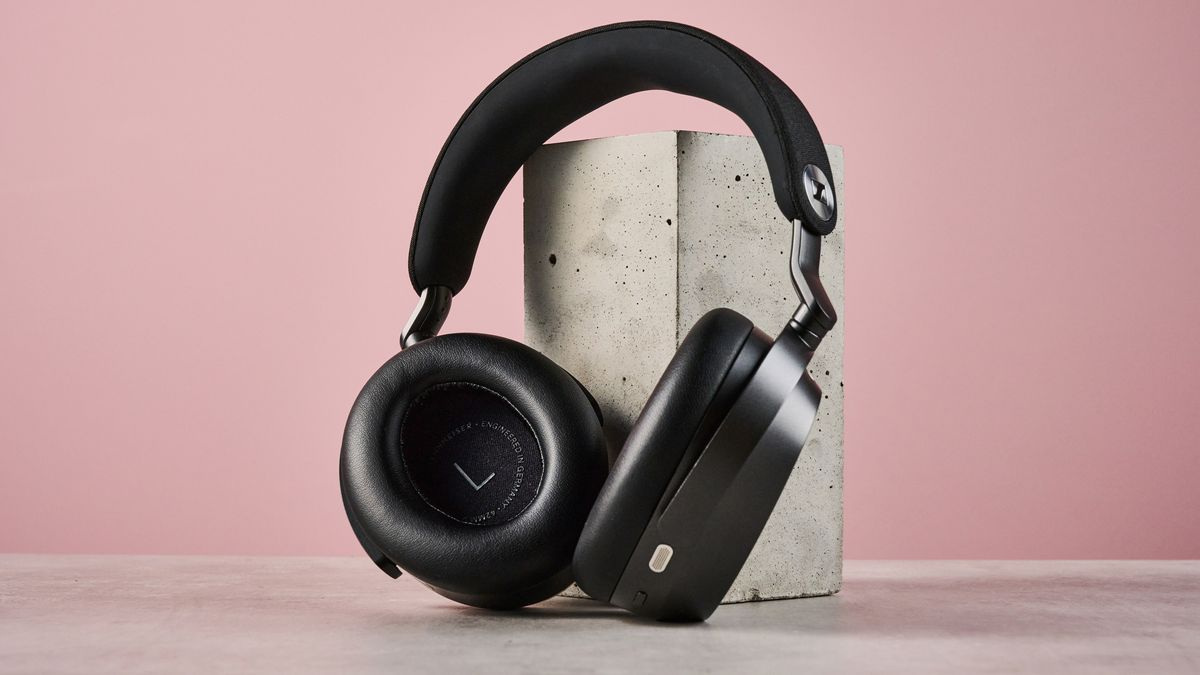
A headphone can have excellent sound and impressive technology but still become frustrating if it is uncomfortable.
For over ear models, consider:
• Weight
• Ear cup size
• Headband padding
• Clamping pressure
• Material quality
• Heat buildup
• Adjustability
Comfort becomes especially important for people who use headphones for several hours at a time.
Fit is personal, so reviews can provide useful information, but trying a headphone yourself remains the best way to determine whether the shape works for you.
Transparency Modes Add Everyday Flexibility
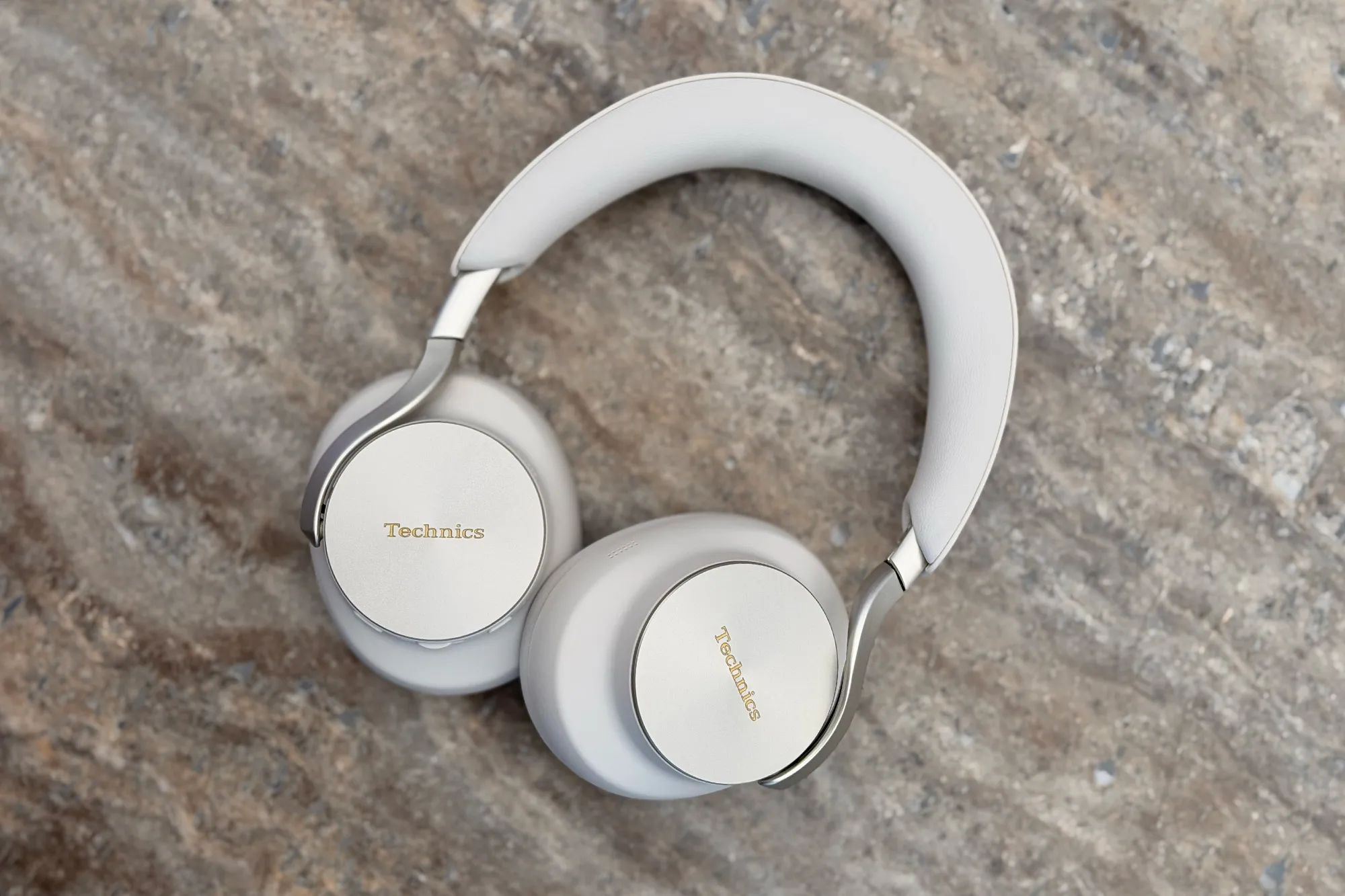
Noise cancellation is useful when you want less outside sound. Transparency mode is useful when you need more.
Transparency or ambient modes use microphones to capture surrounding sounds and reproduce them through the headphones.
This can be convenient when:
• Listening for airport announcements
• Talking to someone briefly
• Ordering food or coffee
• Working in a shared environment
• Walking through a busy area
The quality of transparency mode matters. Better implementations can sound more natural and make it easier to forget that the headphones are processing environmental sound.
Multipoint Connectivity Is Extremely Useful
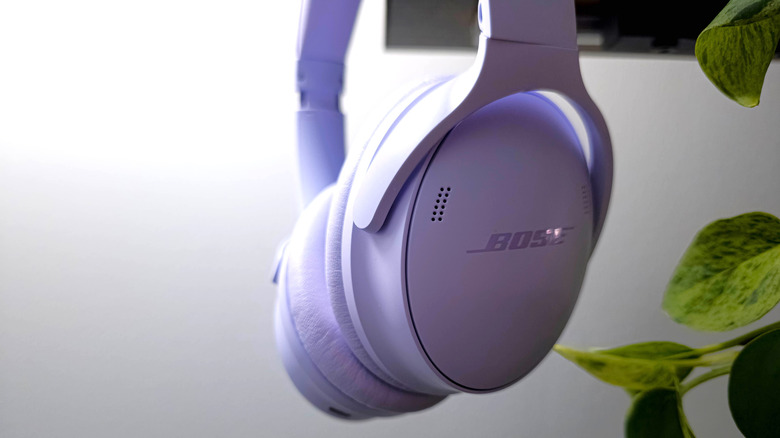
Multipoint connectivity allows compatible headphones to maintain connections with multiple devices.
This can be especially useful for people who use a laptop and smartphone throughout the day.
Imagine listening to music from your computer when a call arrives on your phone. With compatible multipoint systems, the headphones can switch between devices without requiring the user to disconnect and reconnect manually.
For remote workers, students, and professionals who regularly move between devices, this can be one of the most useful everyday features.
Microphone Quality Is Often Overlooked
Headphones are increasingly used for calls, meetings, voice messages, and online collaboration.
That makes microphone quality an important consideration.
A strong microphone system should capture the user's voice clearly while reducing unwanted environmental sounds.
However, performance can vary dramatically between quiet rooms and noisy environments. If you regularly take calls from cafés, airports, offices, or streets, microphone testing becomes particularly important.
A Wireless Headphone designed mainly for music may not provide the same call performance as a model that places greater emphasis on communication.
Wireless Headphones for Different Users
There is no universal specification combination that works for everyone.
For frequent travelers
Prioritize strong ANC, comfortable ear cups, reliable battery life, fast charging, and good transparency mode.
For remote workers
Look closely at microphone quality, multipoint connectivity, comfort, and reliable switching between devices.
For movie enthusiasts
Spatial audio, head tracking, soundstage, and comfortable long session performance can be important.
For music listeners
Focus on sound quality, driver performance, tuning, codec support, and equalizer options.
For everyday users
A balanced combination of comfort, battery life, ANC, transparency, microphone quality, and easy controls may be more useful than specialized features.
Wired and Wireless Audio: What Should You Choose?
Wireless headphones offer convenience and freedom of movement, which is why they have become so popular.
Wired headphones still have advantages for certain listeners, particularly those who prioritize direct connection, specific audio equipment, or uninterrupted listening without battery concerns.
For everyday travel, work, commuting, and entertainment, however, wireless connectivity can be extremely convenient.
The decision ultimately depends on how you listen and what equipment you already use.
What to Check Before Buying a Wireless Headphone
Before purchasing, create a simple checklist based on your real usage.
Look at:
• ANC performance
• Transparency quality
• Spatial audio support
• AI features
• Sound quality
• Battery life with ANC enabled
• Charging speed
• Comfort and weight
• Microphone quality
• Multipoint connectivity
• Bluetooth compatibility
• Companion app
• Equalizer controls
• Water or sweat resistance where appropriate
• Device compatibility
• Warranty and support
It is also worth checking whether advanced features require a specific smartphone platform or application.
Are Premium Features Worth Paying For?
Premium headphones can offer better ANC, more sophisticated microphones, stronger materials, more customization, and additional software features.
But not every listener needs every feature.
If you primarily listen at home in a quiet room, paying significantly more for advanced ANC may provide limited practical benefit.
If you spend hours every week on airplanes or trains, noise cancellation could be much more valuable.
Similarly, spatial audio may be highly appealing to someone who watches movies regularly but less important to someone who mostly listens to conventional stereo music.
The right approach is to connect the price to features you will actually use.
The Future of Wireless Headphones
Wireless headphones are becoming increasingly intelligent.
Future models are likely to continue combining microphones, sensors, AI processing, and personalized audio software.
Environmental awareness could become more sophisticated. Voice processing could become clearer in noisy surroundings. Spatial audio could become more widely integrated into entertainment. Personalized sound could adapt more closely to individual preferences.
At the same time, manufacturers will need to balance these capabilities with battery life, comfort, privacy, reliability, and price.
The most useful development may be headphones that require less manual adjustment. Instead of constantly choosing listening modes, users could increasingly rely on software to respond intelligently to changing environments.
Wireless Headphone Buying Checklist
Before choosing your next model, ask:
• Where will I use it most often?
• Do I need strong ANC?
• Will I use transparency mode regularly?
• Is spatial audio important to me?
• How many devices will I connect?
• Do I make frequent phone or video calls?
• How many hours do I normally listen each day?
• Is comfort more important than compact size?
• Do I need an app with sound customization?
• Are AI features genuinely useful for my routine?
• Is the advertised battery life measured with ANC enabled?
• Does the headphone work fully with my smartphone and computer?
These questions can make the buying process much easier.
Frequently Asked Questions
What is a Wireless Headphone?
A Wireless Headphone connects to devices without a physical audio cable, most commonly through Bluetooth. Modern models can include ANC, spatial audio, microphones, touch controls, AI features, and companion applications.
Are wireless headphones good for travel?
Yes. Features such as ANC, long battery life, comfortable ear cups, transparency modes, and fast charging can make wireless headphones particularly useful for travel.
What is spatial audio?
Spatial audio is an audio technology designed to create a more immersive sense of direction and space. Depending on the implementation, it can make compatible movies, music, games, and other content feel more three dimensional.
Do all wireless headphones have ANC?
No. ANC is generally found on selected models, particularly in the mid range and premium categories. Basic wireless headphones may offer passive isolation without active noise cancellation.
Are AI features useful in wireless headphones?
They can be. AI and advanced software can improve voice isolation, environmental sound processing, personalization, and assistant interactions. The usefulness depends on how well the feature works and whether it fits the user's routine.
How long should wireless headphones last on a charge?
Battery life varies significantly between models and usage conditions. ANC, spatial audio, volume, microphone use, and connectivity can all affect runtime, so compare battery figures under similar conditions.
What is the most important feature in a wireless headphone?
There is no single feature that matters equally to everyone. Sound quality, comfort, ANC, battery life, microphone performance, connectivity, and software features should be considered according to your intended use.
Conclusion
The best wireless headphones in 2026 are no longer defined by sound quality alone. Modern models combine audio hardware with sophisticated software, bringing together ANC, spatial audio, transparency modes, AI processing, advanced microphones, and increasingly personalized listening experiences.
For travelers, noise cancellation and battery life may be priorities. For movie fans, spatial audio can add immersion. For professionals, microphone quality and multipoint connectivity can make everyday work easier. For music listeners, sound quality and customization remain fundamental.
The most important step is therefore not simply looking for the headphone with the longest feature list. It is understanding which technologies will genuinely improve the way you listen.
A well chosen Wireless Headphone should disappear into your routine, delivering clear sound, useful features, comfortable wear, and reliable connectivity without requiring constant attention.